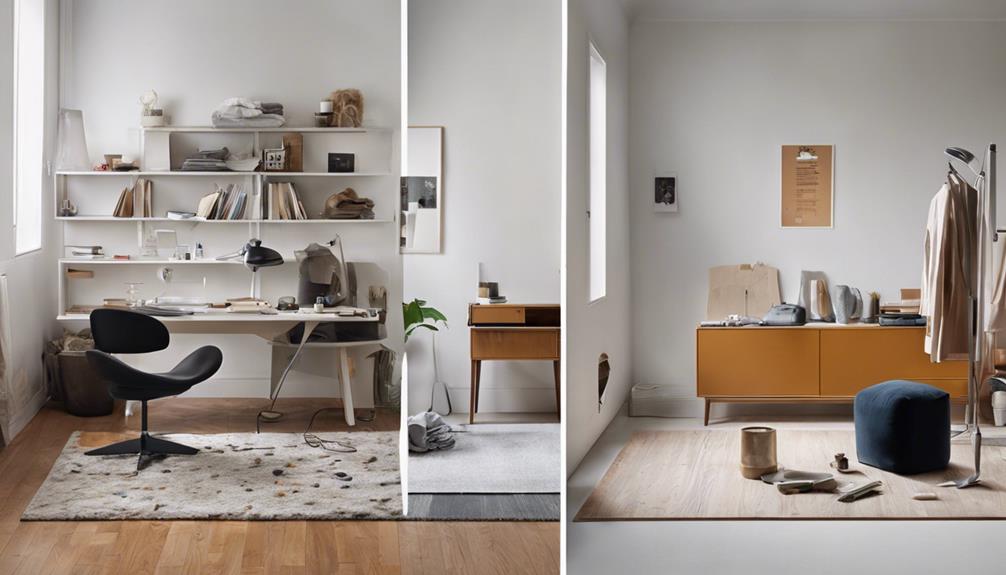

As you engage with products and brands, design elements like color, typography, and imagery converge to influence your emotions, shape your perceptions, and ultimately drive your purchasing decisions. Visual cues, emotional connections, and storytelling all play a role in shaping your behavior as a consumer. The way designers use white space, typography, and imagery to guide your attention and create a sense of nostalgia can make all the difference. And, when done consistently, these elements can boost brand recognition, trust, and loyalty. As you explore the world of design and consumer behavior, you'll discover how these intricate connections can be leveraged to create a lasting impact.
The Psychology of Visual Perception
When you glance at a product, your brain processes a multitude of visual cues, from colors and shapes to textures and patterns, all of which influence your perception of the product's aesthetic appeal and functionality. This complex process happens swiftly, often outside of your conscious awareness. As you take in these visual cues, your brain is busy making connections and forming opinions about the product.
The way designers present information can greatly impact your perception of a product. This is known as contextual framing. By carefully selecting the visual elements, designers can frame the product in a way that influences your perception of its benefits and features. For instance, a product showcased in a modern, sleek environment may be perceived as innovative and high-tech, whereas the same product in a vintage setting may evoke a sense of nostalgia.
On the other hand, too much visual information can lead to sensory overload, causing you to feel overwhelmed and potentially leading to a negative impression of the product. Designers must strike a delicate balance between providing enough information and avoiding visual clutter. By understanding how your brain processes visual cues, designers can create products that resonate with you on a deeper level, making you more likely to engage with the product and ultimately, make a purchase.
Emotional Connections Through Color
One color can evoke a multitude of emotions in you, from the warmth of orange to the calmness of blue, and designers carefully select colors to create an emotional connection with you. When you see a brand's logo or packaging, the colors used can instantly evoke feelings and associations. This is because colors are often tied to cultural associations and personal experiences, making them a powerful tool in shaping your perceptions and attitudes towards a brand.
Designers consider the emotional impact of colors when creating a brand's visual identity. They know that certain colors can convey trust, excitement, or sophistication, influencing how you perceive a brand's values and personality. For instance, blue is often associated with trust and reliability, which is why many financial institutions use it in their branding. On the other hand, red can evoke feelings of energy and excitement, making it a popular choice for sports and entertainment brands.
A brand's color palette is a critical aspect of its brand identity, and designers carefully select colors that resonate with their target audience. By leveraging cultural associations and emotional connections, designers can create a strong emotional bond between you and a brand, influencing your purchasing decisions and brand loyalty. By understanding the emotional power of colors, designers can craft a brand's visual identity that resonates with you on a deeper level, ultimately driving consumer behavior.
The Power of Typography
As designers carefully craft a brand's visual identity through color, they also strategically select typography that speaks to you, evoking emotions and conveying personality. Typography is more than just a font choice – it's a powerful tool that influences how you perceive a brand. The right typography can create an emotional connection, making you feel a certain way about a brand. For instance, a bold, serif font can evoke feelings of luxury and sophistication, while a playful, sans-serif font can convey fun and approachability.
The evolution of font styles has led to a vast array of options, allowing designers to pinpoint the perfect typography to resonate with their target audience. This font evolution has enabled brands to refine their visual identity, making it easier for you to connect with them on an emotional level. Typographic emotions are real, and designers know how to tap into them. By selecting a font that aligns with their brand's personality, designers can create a sense of familiarity and trust with you. When done correctly, typography can be a game-changer for brands, making them more relatable, memorable, and likable. So, the next time you glance at a logo or read a headline, remember that the typography is speaking to you, evoking emotions and shaping your perception of the brand.
The Influence of White Space
As you explore the world of design, you'll realize that the strategic use of white space is essential in capturing your audience's attention. By creating a visual hierarchy, you're guiding their eyes to focus on what matters most. Now, let's examine how breathing room in design and clutter-free visuals can greatly impact consumer behavior.
Visual Hierarchy Matters
By strategically incorporating white space into your design, you can create a clear visual hierarchy that guides the consumer's eye through the content, increasing the chances of capturing their attention and effectively conveying your message. A well-planned visual hierarchy guarantees that the most important elements stand out, while less vital information takes a backseat. This intentional arrangement of visual elements enables a smooth visual flow, effortlessly directing the consumer's attention to the key areas of your design. By doing so, you're directing their gaze through the content, making it more likely they'll absorb and respond to your message. Effective attention guidance is critical, as it helps consumers quickly understand the value proposition and take the desired action. A clear visual hierarchy, achieved through strategic use of white space, is essential for capturing and holding consumers' attention in a crowded market.
Breathing Room Design
You're likely familiar with the overwhelming sensation of scrolling through a cluttered website or flipping through a densely packed brochure, where the lack of breathing room makes it difficult to focus on anything. This is precisely why 'breathing room design' is essential in capturing and holding your attention. By incorporating ample white space, designers can create a sense of calm, making it easier for you to navigate and engage with the content. This approach is rooted in minimalist aesthetics, where simplicity and clarity take center stage. The result is a calming environment that invites you to linger, rather than overwhelming you with too much information.
When done correctly, breathing room design can have a significant impact on consumer behavior. It allows you to focus on the essential elements, increasing the chances of conversion and engagement. By providing a visual respite, designers can create an atmosphere that's both calming and inviting. This, in turn, fosters a deeper connection between you and the brand, ultimately influencing your purchasing decisions. By embracing the power of white space, designers can craft experiences that are both aesthetically pleasing and highly effective.
Clutter-Free Attention
White space becomes a powerful catalyst in capturing your attention, allowing your eyes to focus on the essential elements and process information more efficiently. By incorporating a minimalist focus, designers create an environment that guides your attention flow seamlessly. This deliberate use of white space enables you to process visual cues quickly, making it easier to absorb information. Clutter-free designs streamline your cognitive load, freeing up mental energy to absorb key messages. As a result, you're more likely to engage with the content, retain information, and make decisions with confidence. A well-balanced composition that incorporates white space effectively directs your attention, creating a clear visual hierarchy. This thoughtful design approach empowers you to navigate complex information with ease, fostering a deeper understanding of the message. By embracing the power of white space, designers can create an intuitive and seamless user experience that resonates with you on a deeper level.
Navigating the User Experience
When guiding the user experience, designers must prioritize clarity and simplicity to lead users seamlessly through their digital journey. You, as a designer, want to create an intuitive experience that caters to your target audience's needs and expectations. To achieve this, you need to develop a deep understanding of your users.
This is where user personas come into play. By creating detailed profiles of your ideal users, you can tailor your design to their preferences, behaviors, and pain points. This helps you identify the most critical tasks and create task flows that simplify the user journey. Task flows are visual representations of the steps users take to complete a specific task. By mapping out these flows, you can pinpoint areas of friction and optimize the experience to reduce bounce rates and increase engagement.
As you navigate the user experience, it's essential to take into account the user's emotional state, motivations, and goals. By doing so, you can craft an experience that resonates with your audience and fosters a deeper connection with your brand. Remember, the goal is to create an effortless experience that makes users feel empowered and in control. By prioritizing clarity, simplicity, and user-centric design, you can create a digital journey that users will want to engage in again and again.
The Role of Storytelling
As designers, we've all experienced the power of storytelling in our personal lives, and now it's time to harness that same emotional connection to craft compelling experiences that drive user engagement. Storytelling is more than just a marketing tactic; it's a way to create an emotional bond between your brand and your customers. By sharing your brand narrative, you can evoke emotions, build trust, and create a sense of loyalty.
| Storytelling Element | Design Application |
|---|---|
| Emotional Connection | Use imagery and color schemes that evoke emotions and create a sense of nostalgia. |
| Customer Empathy | Create user personas that highlight customer pain points and desires. |
| Brand Narrative | Develop a consistent tone and voice across all touchpoints to build a cohesive brand identity. |
When crafting your brand narrative, it's essential to take into account customer empathy. Put yourself in your customers' shoes and understand their needs, desires, and pain points. By doing so, you can create experiences that resonate with them on a deeper level. By combining storytelling elements with customer empathy, you can create a brand narrative that truly resonates with your audience. Remember, storytelling is not just about telling a story; it's about creating an emotional connection that drives user engagement and loyalty.
Designing for Cognitive Biases
When designing for consumer behavior, you'll want to take into account the cognitive biases that influence people's purchasing decisions. You can create visual decision triggers that nudge customers towards a specific action, and use implicit memory cues to evoke emotions and associations. By incorporating these subtle yet powerful design elements, you can tap into your customers' subconscious minds and drive sales.
Visual Decision Triggers
What triggers your impulse purchases, and how can designers leverage these visual cues to influence your decision-making process? As a consumer, you're constantly bombarded with visual stimuli that can sway your purchasing decisions. Designers can tap into these visual cues to create an environment that encourages sales.
| Visual Cue | Influence on Decision-Making |
|---|---|
| Color | Emotions, attention, and brand recognition |
| Typography | Legibility, professionalism, and sophistication |
| Imagery | Emotional connections, attention, and memory recall |
| Texture | Tactile experience, luxury, and quality perception |
Designers can use these visual cues to create decision shortcuts, influencing your purchasing decisions. For instance, a bright red "Limited Time Offer" button can trigger an impulsive purchase. A sleek, modern font can convey sophistication and professionalism. By understanding how visual cues impact your decision-making process, designers can craft an environment that subtly guides you toward making a purchase. By leveraging these visual decision triggers, designers can increase sales, improve user experience, and create a competitive edge.
Implicit Memory Cues
You're influenced by more than just visual cues, as your implicit memories and cognitive biases also play a significant role in shaping your purchasing decisions. These implicit memories are triggered by subtle cues that evoke emotions and associations, often outside of your conscious awareness. Designers can tap into these implicit memories by incorporating sensory triggers that evoke positive emotions, such as the scent of freshly baked cookies in a bakery or the sound of upbeat music in a clothing store. This is known as priming, where your brain is subtly influenced by these sensory cues, making you more likely to engage with a brand or product. For instance, a coffee shop might use the aroma of freshly brewed coffee to create a cozy atmosphere, making you feel more at ease and increasing the likelihood of a purchase. By understanding how implicit memories and cognitive biases influence your behavior, designers can create experiences that resonate with you on a deeper level, ultimately driving consumer behavior.
The Impact of Consistency
The Impact of Consistency
By maintaining a consistent visual identity, brands can create a sense of familiarity and trust with their customers. Consistency in design elements such as logos, color schemes, and typography helps to establish a strong brand identity, making it easier for customers to recognize and remember a brand.
Consistency also plays an essential role in shaping consumer behavior. When a brand's visual identity is consistent across all touchpoints, it sends a message of professionalism and attention to detail. This, in turn, can increase customer loyalty and trust.
| Design Element | Impact on Consumer Behavior |
|---|---|
| Consistent Color Scheme | Increases brand recognition by 80% |
| Uniform Typography | Boosts consumer trust by 60% |
| Standardized Logo | Enhances brand recall by 50% |
| Clear Brand Messaging | Increases customer loyalty by 40% |
| Consistent Imagery | Elevates emotional connection by 30% |
Frequently Asked Questions
How Do Designers Balance Aesthetics With Usability in Their Work?
When balancing aesthetics with usability, you're tasked with creating a visual hierarchy that guides users through your design. It's about crafting an emotional connection with your audience, making them feel something. You achieve this by using typography, color, and imagery to create a harmonious balance. By doing so, you'll create an intuitive and engaging experience that resonates with users, making your design both beautiful and functional.
What Role Does Cultural Background Play in Design Preferences?
As you navigate the world of design, you’re like a cultural archaeologist, uncovering the hidden treasures of cultural norms that shape design preferences. Your personal experiences, like a thread, weave together to form a tapestry of individual taste. Cultural background plays a significant role in design preferences, influencing what you find aesthetically pleasing or functional. For instance, some cultures value minimalism, while others prefer ornate designs. Understanding these cultural nuances is essential in creating designs that resonate with diverse audiences. By recognizing the importance of cultural contexts in design, you can craft visuals and products that feel familiar and meaningful to different audiences. This awareness helps bridge gaps between global consumers, making designs more inclusive and effective. Ultimately, embracing diverse cultural influences leads to more innovative and resonant creative expressions.
Can Design Really Influence Consumer Purchasing Decisions?
You might think it's just a coincidence, but design can really sway your purchasing decisions. Visual cues like colors, shapes, and typography can evoke emotions, making you more likely to buy. Emotional triggers like nostalgia or excitement can be cleverly embedded in design, influencing your choices. It's not just about looks; design taps into your subconscious, making you more receptive to a product or service. So, yes, design can be a powerful persuader in your purchasing decisions.
How Do Designers Stay Current With Changing Design Trends?
You might think staying current with design trends is a challenging task, but it's actually quite manageable. You can attend design conferences, follow industry leaders on social media, and subscribe to design blogs to stay informed. Additionally, you can explore design inspirations from various cultures and industries to broaden your perspective. Trend forecasting tools like Pinterest and WGSN can also help you anticipate upcoming trends, ensuring your designs remain fresh and relevant.
What Metrics Do Designers Use to Measure Design Effectiveness?
When measuring design effectiveness, you likely track metrics like conversion rates, bounce rates, and user engagement. But, you also need to take into account the user experience. You do this by analyzing your Visual Hierarchy, ensuring that the most important elements grab attention. Additionally, you examine the User Flow, identifying pain points and areas for improvement. By combining these metrics, you get a thorough picture of your design's effectiveness.