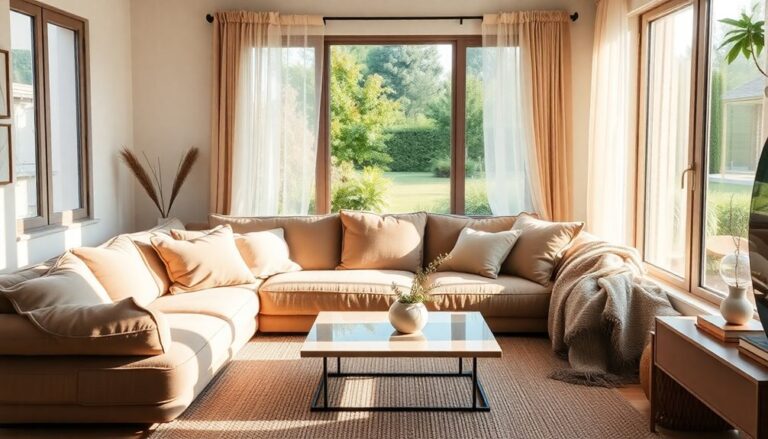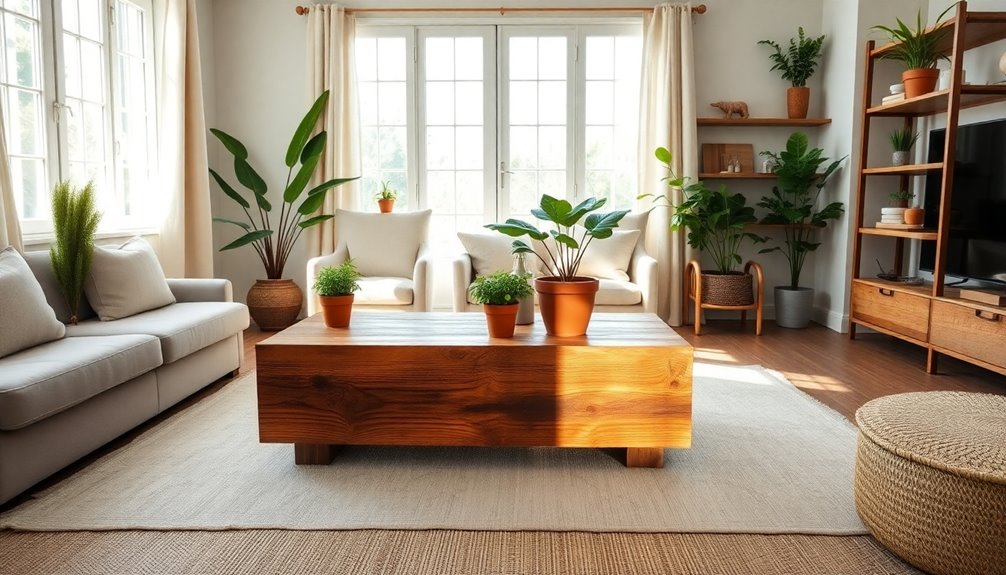

Sustainable materials play an essential role in interior design by reducing your carbon footprint and enhancing the beauty of your spaces. By using items like reclaimed wood or recycled metals, you're not merely making eco-friendly choices but additionally adding unique textures and stories to your interiors. These materials often last longer and require fewer replacements, saving you money in the long run. Plus, they improve indoor air quality and promote a healthier environment. If you're interested in discovering specific materials and trends that can uplift your design as well as being kind to the planet, there's more to explore.
Importance of Sustainable Materials
In recent years, the importance of sustainable materials in interior design has surged as more people recognize their environmental impact. You're likely aware that choosing eco-friendly options isn't merely a trend; it's a necessity for a healthier planet. By prioritizing sustainable sourcing, you can play a pivotal role in reducing waste and conserving natural resources. It's not solely about aesthetics; it's about making responsible decisions.
When you select materials with a focus on sustainability, you're investing in material longevity. High-quality, eco-conscious materials often outperform their conventional counterparts, ensuring your designs remain timeless and functional. This means fewer replacements and repairs, which equates to lower long-term costs. You'll find that durable materials not only improve your space but likewise minimize your ecological footprint.
Furthermore, the innovative potential of sustainable materials is vast. From reclaimed wood to recycled textiles, the options available allow for creativity without compromising your values. You can craft spaces that resonate with your personal style as you contribute positively to the environment. The challenge lies in staying informed about new materials and trends that continue to emerge.
Types of Sustainable Materials
Choosing sustainable materials opens up a world of options that can transform your interior design projects. By integrating innovative materials, you not solely improve aesthetics but additionally make an eco-conscious statement. Here are some standout sustainable materials to reflect upon:
| Material | Description | Applications |
|---|---|---|
| Bamboo Flooring | A quickly renewable resource, bamboo is durable and stylish. It offers a contemporary look during being softer underfoot than traditional hardwood. | Flooring, cabinetry, and furniture |
| Recycled Glass | This versatile material can be used in countertops, tiles, and decorative accents. It's made from post-consumer glass, reducing waste and energy consumption. | Countertops, backsplashes, and decorative elements |
| Cork | Harvested from the bark of cork oak trees, cork is renewable and provides excellent insulation. Its unique texture adds warmth and character to spaces. | Flooring, wall coverings, and furnishings |
Each of these materials not solely serves a functional purpose but additionally tells a story of sustainability. Bamboo flooring offers a chic, eco-friendly alternative to conventional wood, during recycled glass adds a splash of creativity and elegance to your designs. By choosing these materials, you contribute to a healthier planet during elevating the style of your interiors. Embrace the future of design, where innovation meets responsibility, and watch your spaces come to life with sustainable charm.
Benefits for Interior Design
Using sustainable materials in your interior design not just helps reduce environmental impact but additionally improves the overall aesthetic appeal of your space. You'll find that these materials can bring unique textures and colors, creating a more inviting atmosphere. Plus, choosing eco-friendly options reflects a commitment to sustainability that resonates with many people today.
Environmental Impact Reduction
Sustainable materials in interior design offer significant benefits that can drastically reduce environmental impact. By choosing eco-friendly alternatives, you can lower the carbon footprint of your projects and contribute to a healthier planet. These materials, sourced responsibly, often require less energy during production and transportation, reducing greenhouse gas emissions.
Incorporating a variety of sustainable options, such as reclaimed wood, bamboo, or recycled metal, not merely improves the functionality of your designs but also promotes a circular economy. This approach encourages the reuse of resources and minimizes waste. As you focus on innovative solutions, you'll find that these materials can be just as versatile and stylish as traditional ones, allowing you to create stunning spaces that reflect your commitment to sustainability.
Furthermore, opting for sustainable materials often leads to improved indoor air quality. Many eco-friendly alternatives are low in volatile organic compounds (VOCs), making your spaces healthier for occupants. By embracing sustainable practices, you position yourself as a forward-thinking designer who prioritizes both aesthetics and the environment, paving the way for a more sustainable future in interior design.
Enhanced Aesthetic Appeal
Frequently, designers discover that incorporating sustainable materials not only benefits the environment but likewise improves the aesthetic appeal of their spaces. You'll find that these materials often possess unique qualities that enhance design choices. By focusing on innovation, you can create interiors that captivate and inspire.
Here are some ways sustainable materials elevate aesthetic appeal:
- Color Harmony: Natural materials often provide softer, more organic colors that blend seamlessly, creating a calm and inviting atmosphere.
- Texture Layering: The use of various sustainable textures adds depth and intrigue, allowing you to play with visual contrast and tactile experiences.
- Timelessness: Many sustainable materials, like reclaimed wood or natural stone, offer a classic look that transcends trends, ensuring your design remains relevant.
- Storytelling: Choosing materials with a history or origin can add a narrative element to your space, making it feel more personal and meaningful.
Reclaimed Wood in Design
Reclaimed wood in design offers a unique blend of character and environmental responsibility. By choosing reclaimed wood finishes and furniture, you not only improve your space but also contribute to sustainability. This material carries a rich history, often showcasing stunning grains and textures that new wood simply can't replicate. Envision the stories behind each piece!
Incorporating reclaimed wood into your design can additionally spark innovation. You can create striking contrasts with modern elements, making your space feel both contemporary and timeless. Let's explore some benefits of using reclaimed wood in your interior design:
| Benefit | Description | Example |
|---|---|---|
| Unique Aesthetic | Each piece tells a story, adding character to your space. | A rustic dining table. |
| Environmental Impact | Helps reduce deforestation by repurposing existing materials. | Reclaimed wood shelves. |
| Durability | Often sourced from old structures, it's typically more robust. | Flooring that lasts decades. |
| Versatility | Complements various styles from modern to industrial. | Accent walls or furniture. |
When you opt for reclaimed wood furniture, you're choosing pieces that are not just functional but also conversation starters. You'll find that these items age beautifully, gaining even more character over time. So, as you set out on your design expedition, consider the innovative possibilities that reclaimed wood presents. It's a choice that's both stylish and sustainable.
Recycled Metals and Their Uses
When you consider recycled metals for your interior design projects, you open the door to a range of benefits, from sustainability to unique aesthetics. These materials not merely reduce waste but additionally add a modern touch to various design applications. You'll find that incorporating recycled metals is a growing trend that can improve both style and environmental responsibility in your space.
Benefits of Recycled Metals
Incorporating recycled metals into interior design not just improves aesthetic appeal but furthermore promotes sustainability. By choosing these materials, you're not just making a stylish statement but likewise contributing to a healthier planet. The recycled metal benefits are numerous, and they align seamlessly with the principles of sustainable design.
- Eco-Friendly: Utilizing recycled metals reduces the need for new raw materials, saving energy and decreasing pollution.
- Durability: Recycled metals are often stronger and more resilient than their virgin counterparts, ensuring your designs stand the test of time.
- Versatility: These materials can be molded into various shapes and finishes, allowing for endless creative possibilities in your projects.
- Cost-Effectiveness: Often, recycled metals can be more affordable than new metals, helping you stay within budget as you achieve an innovative look.
Design Applications and Trends
Recycled metals are making a significant impact in interior design, showcasing their versatility across various applications. From striking light fixtures to sleek furniture pieces, these materials are at the forefront of sustainable design, proving that innovation and style can coexist. You can utilize recycled metals to create stunning accent walls or unique sculptures that add character to any space.
One trend gaining traction is the use of reclaimed metal in cabinetry and countertops, blending industrial aesthetics with eco-conscious choices. By opting for these materials, you not only contribute to environmental preservation but also make a bold design statement.
Furthermore, metal accents can effortlessly complement other sustainable materials, such as reclaimed wood or bamboo, enriching your design narrative. The fusion of recycled metals with contemporary textures creates a dynamic interplay that resonates with modern sensibilities.
As you explore material innovation, consider incorporating mixed metals into your designs. This trend not just improves visual interest but also reflects a commitment to sustainability. By embracing recycled metals, you're not merely decorating a space; you're participating in a movement toward a more responsible and stylish future.
Organic Textiles and Fabrics
Organic textiles and fabrics offer a sustainable choice for those looking to improve their interior spaces. By choosing these materials, you not merely embrace a stylish design but contribute to textile sustainability as well. Organic fabrics are made from natural fibers, ensuring that harmful chemicals and synthetic materials don't invade your home. Here's what makes organic textiles stand out:
- Natural Dyes: These dyes are derived from plants, insects, and minerals, providing a beautiful palette during the process of reducing environmental impact.
- Renewable Resources: Organic cotton, hemp, and linen are sourced from renewable resources, making them a more eco-friendly option compared to conventional textiles.
- Reduced Carbon Footprint: By opting for organic fabrics, you support practices that minimize carbon emissions associated with traditional textile production.
- Health Benefits: Organic textiles are free from toxic pesticides and chemicals, ensuring a healthier indoor environment for you and your loved ones.
Incorporating organic textiles into your design scheme isn't just about aesthetics; it's an empowering statement about your commitment to sustainability. You can create visually appealing spaces that reflect your values as you nurture a healthier planet. Whether you choose organic cotton curtains, hemp upholstery, or linen tablecloths, you'll find that these materials enhance your interior design game while encouraging a responsible lifestyle. By investing in organic textiles, you're not merely decorating your space; you're making a conscious choice for a better tomorrow.
Biodegradable and Compostable Options
When you choose biodegradable materials for your interior design projects, you're not just making a stylish choice; you're likewise benefiting the environment. These materials break down naturally, reducing waste and supporting a healthier planet. Plus, compostable options can be creatively integrated into various applications, enhancing both function and sustainability in your space.
Benefits of Biodegradable Materials
Biodegradable materials offer a compelling solution for those looking to minimize their ecological footprint in interior design. By choosing biodegradable options, you're not just improving the aesthetics of your space; you're likewise embracing sustainability. These eco-friendly alternatives break down naturally, reducing waste and pollution.
Here are some key benefits of incorporating biodegradable materials into your designs:
- Reduced Environmental Impact: Biodegradable materials decompose, preventing long-term pollution from traditional waste.
- Versatility: Available in various forms, from furniture to biodegradable packaging, they suit diverse design needs.
- Healthier Indoor Air Quality: Many biodegradable options are free from harmful chemicals, promoting a safer living environment.
- Positive Brand Image: Using sustainable materials can improve your reputation, attracting eco-conscious clients.
Compostable Material Applications
As you explore compostable material applications in interior design, you'll discover a range of innovative options that contribute to a sustainable environment. Compostable materials not merely reduce waste but likewise offer unique aesthetics and functionality. For instance, compostable furniture made from natural fibers or bio-based plastics can improve your space as it promotes eco-friendliness.
Here's a quick overview of some applications:
| Material Type | Application | Benefits |
|---|---|---|
| Compostable Packaging | Product Wrapping | Reduces landfill waste |
| Compostable Furniture | Chairs & Tables | Stylish, sustainable alternatives |
| Biodegradable Textiles | Upholstery & Curtains | Soft, comfortable, eco-friendly |
Incorporating compostable packaging in your design not only showcases your commitment to sustainability but likewise aligns with modern consumer preferences for eco-conscious choices. By selecting compostable furniture and textiles, you're paving the way for a greener future in design. Embrace these innovations to create spaces that are not just beautiful but also responsible. Sustainability doesn't have to compromise style; it can lift your interior design vision.
Energy-Efficient Design Practices
Energy-efficient design practices are essential for creating sustainable interiors that minimize environmental impact whilst maximizing comfort. By integrating innovative techniques like energy-efficient lighting and passive design, you can improve both the aesthetic and functional aspects of your space. Embracing these practices not just contributes to a healthier planet but also raises the quality of life for occupants.
Here are some key strategies you can implement:
- Use energy-efficient lighting: Opt for LED fixtures that consume less energy and have a longer lifespan. This simple switch can greatly reduce energy consumption.
- Incorporate passive design elements: Design spaces that utilize natural light and airflow, reducing reliance on artificial heating and cooling. Think about window placement and materials that improve insulation.
- Choose sustainable materials: Select materials that are not just eco-friendly but also contribute to energy efficiency, such as recycled or locally-sourced options.
- Integrate smart technology: Utilize smart thermostats and lighting systems that adjust based on occupancy and time of day, optimizing energy use without sacrificing comfort.
Case Studies of Sustainable Projects
Sustainable design projects showcase the innovative application of eco-friendly principles in real-world settings, demonstrating how thoughtful choices can lead to impressive results. Take the Bullitt Center in Seattle, often dubbed the greenest commercial building in the world. This project exemplifies sustainable architecture by utilizing solar panels for energy, rainwater harvesting systems, and biophilic design elements that connect occupants with nature. You'll see how integrating these eco-friendly innovations not merely improves aesthetics but additionally promotes a healthier workspace.
Another inspiring example is the Bosco Verticale in Milan, featuring residential towers draped in greenery. This project marries sustainable architecture with urban living, creating a micro-ecosystem that improves air quality and provides residents with a unique living experience. By incorporating vertical gardens, the design minimizes the urban heat island effect whilst creating a stunning visual impact.
Finally, consider the Edge in Amsterdam, hailed for its energy efficiency and smart technology integration. This building uses sustainable materials and intelligent systems to adapt to the needs of its occupants, optimizing energy use. You'll find that projects like these not just stand out for their design but likewise set new standards for sustainability in interior environments.
These case studies illustrate how you can draw inspiration from groundbreaking projects and embrace eco-friendly innovations in your own work. By prioritizing sustainable materials and design, you're contributing to a greener future whilst improving the spaces you create.
Challenges in Sourcing Materials
During inspiring projects that demonstrate the potential of sustainable design, sourcing the right materials can pose significant challenges. You might find yourself maneuvering a complex terrain where the ideals of sustainability often clash with practical realities. Comprehending these obstacles can help you innovate and make informed decisions.
One major hurdle is local sourcing. Although it's commendable to seek out materials from nearby suppliers to reduce carbon footprints, you may struggle with limited options. Not all regions have access to sustainable materials, which can constrain your choices.
Material availability is another critical issue. It's not uncommon for popular sustainable materials to be in high demand, leading to supply shortages or long lead times. This can delay your project and affect your design vision.
Consider these challenges:
- Limited local options: The ideal material might not be available close to your project site.
- High demand: Popular sustainable materials can be hard to find, impacting timelines.
- Quality variations: Sourcing locally may lead you to materials that don't meet your design standards.
- Budget constraints: Sustainable options can sometimes come at a premium, which may stretch your budget.
Maneuvering through these challenges requires creativity and resourcefulness. By staying informed and flexible, you can find innovative solutions that align with your sustainable design goals as you still achieve the aesthetic and functional aspirations of your project.
Future Trends in Sustainability
The future of interior design is set to embrace a range of innovative trends that prioritize sustainability and environmental responsibility. As you explore these advancements, you'll discover that smart materials are at the forefront. These materials not only improve aesthetic appeal but also adapt to their environment, increasing energy efficiency and reducing waste. Envision surfaces that change color based on temperature or materials that purify the air—this is the direction design is heading.
Another significant trend is biophilic design, which connects you with nature in your living spaces. By integrating natural elements, like plants and water features, you create environments that promote well-being and reduce stress. This approach goes beyond mere aesthetics; it's about nurturing a deeper relationship with the world around you.
Furthermore, you'll see an increased focus on upcycling and the use of reclaimed materials. Designers are getting creative, transforming what might have been waste into striking focal points. This not only minimizes environmental impact but also tells a rich story within your space.
As you look to the future, consider how these trends can shape your own interiors. By embracing smart materials and biophilic design, you can create a space that's not just beautiful but also sustainable. The challenge lies in being open to these innovations and comprehending their potential to transform how we live and interact with our surroundings. The future is bright for those ready to make sustainable choices in interior design.
Frequently Asked Questions
How Can I Start Incorporating Sustainable Materials in My Home?
You can start incorporating sustainable materials in your home by exploring eco-friendly furniture options that fit your style. Look for pieces made from reclaimed wood or bamboo, which not just look great but likewise reduce your environmental impact. Pair them with natural textiles like organic cotton or linen for a cohesive, innovative aesthetic. By choosing these materials, you'll create a beautiful, sustainable space that reflects your commitment to the planet and modern design.
Are There Certifications for Sustainable Materials in Interior Design?
Yes, there are several certification types for sustainable materials in interior design. You'll find labels like LEED, FSC, and Cradle to Cradle that guarantee products meet rigorous standards. These certifications confirm sustainable sourcing, promoting eco-friendly practices. By choosing certified materials, you're not just enhancing your space; you're supporting innovation in sustainability. So, explore the options, investigate the possibilities, and transform your home with materials that reflect your commitment to a greener future.
What Are the Costs Associated With Sustainable Materials?
When you're looking at sustainable materials, it's essential to evaluate cost comparison. During some eco-friendly options might seem pricier upfront, they often save you money long-term through durability and energy efficiency. For effective budget planning, research various materials and suppliers to find the best balance between sustainability and cost. Investing in innovative solutions now can lead to significant savings and environmental benefits in the future, making your project both stylish and responsible.
How Do Sustainable Materials Impact Indoor Air Quality?
Envision breathing in fresh mountain air versus stagnant, polluted indoor environments. When you choose sustainable materials, you actively reduce indoor pollutants and airborne toxins. Eco-friendly finishes not only improve aesthetics but additionally promote natural ventilation, allowing your space to breathe. You're not merely making stylish choices; you're investing in a healthier indoor atmosphere. By embracing these materials, you create a sanctuary that nurtures well-being and innovation, transforming your home into a lively haven.
Can I Mix Sustainable Materials With Traditional Materials?
Absolutely, you can mix sustainable materials with traditional ones! This combination can create stunning sustainable aesthetics as well as ensuring material compatibility. Think about how reclaimed wood can complement modern metals or how organic fabrics can pair beautifully with conventional upholstery. By blending these materials, you not just improve your space's visual appeal but additionally embrace innovation in design, making your interiors more unique and environmentally friendly. It's all about balance and creativity!