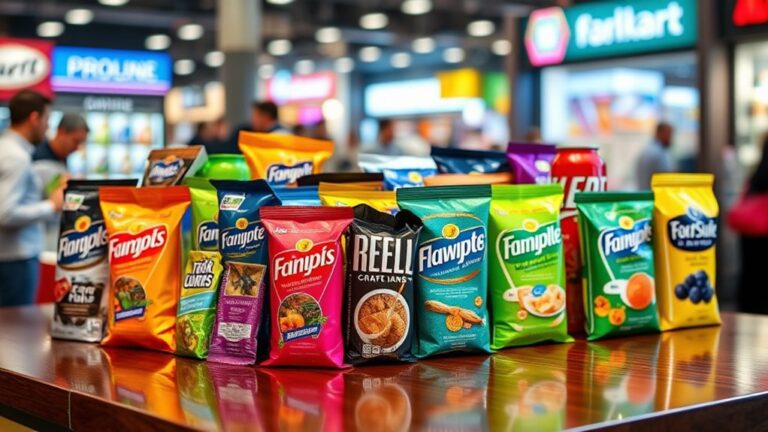
Designing reusable packaging for modern consumers necessitates a blend of functionality, aesthetics, and sustainability. You need to create packaging that's not just attractive but also versatile and convenient. Consider using biodegradable materials or incorporating recycled content to minimize environmental impact. Providing ergonomic designs guarantees comfort, whereas unique shapes and colors can help your product stand out. It's crucial to engage consumers through loyalty programs that reward them for returning containers. By aligning your brand with sustainability values, you'll amplify trust and loyalty. Curious about innovative examples and trends that can improve your packaging further?
Importance of Reusable Packaging
Reusable packaging plays a crucial role in reducing waste and promoting sustainability. By choosing reusable options, you're not merely making a smart choice for your business; you're additionally taking a stand against excessive waste that harms our planet. Every time you opt for packaging that can be used again, you greatly lessen your environmental impact. This proactive approach can resonate with eco-conscious consumers who prioritize brands that align with their values.
Innovation in reusable packaging is key to capturing the attention of modern consumers. They're looking for solutions that are convenient, stylish, and environmentally friendly. By implementing state-of-the-art designs, you can create packaging that's both functional and improves the user experience. Think about materials that are durable yet lightweight, colors that pop, and features that make reuse seamless.
Furthermore, investing in reusable options can lead to cost savings in the long run. With every cycle of reuse, you're reducing the need for new materials, which translates into lower production costs. You'll attract a loyal customer base that appreciates your commitment to sustainability. They'll be more likely to choose your brand over competitors who rely on single-use packaging.
Key Design Principles
When designing reusable packaging, you need to take into account functionality and usability to guarantee it meets user needs. Sustainability and materials play an essential role in reducing environmental impact, as well as aesthetic appeal and branding help attract consumers. Balancing these key principles will create packaging that is not just effective but also appealing.
Functionality and Usability
Effective packaging design hinges on its functionality and usability, ensuring that it meets the needs of both producers and consumers. To create a standout reusable package, you need to prioritize the user experience. Think about how your customers will interact with the product — from opening it to storing it for future use. The packaging should be intuitive, making it easy for users to handle, transport, and store.
Incorporating ergonomic design is essential. This means considering shapes, sizes, and weights that fit comfortably in the user's hands. A well-designed package not only improves usability but also raises the overall experience, making consumers more likely to engage with your brand.
Your design should additionally promote versatility, allowing the packaging to serve multiple functions beyond its initial use. Whether it's a container that can be repurposed or a design that simplifies refilling, think creatively about how to augment its utility. By focusing on functionality and usability, you set the stage for innovative packaging that resonates with modern consumers, ensuring your product stands out in a competitive market.
Sustainability and Materials
Embracing sustainability in packaging design means carefully selecting materials that minimize environmental impact as well as maximizing functionality. You'll want to focus on innovative materials that align with modern consumer values. Here are three key principles to take into account:
- Biodegradable Options: Look for materials that break down naturally, reducing landfill waste. Options like plant-based plastics or compostable films can improve your brand's eco-friendly image.
- Recycled Content: Incorporate recycled materials into your packaging. Not just does this reduce the demand for virgin resources, but it additionally resonates with consumers who prioritize sustainability. Choose suppliers that offer high-quality recycled materials.
- Lifecycle Assessment: Evaluate the entire lifecycle of your packaging materials. Reflect on their production, usage, and disposal impacts. This holistic approach guarantees that you're making the most sustainable choices possible.
Aesthetic Appeal and Branding
A strong aesthetic appeal in packaging design not just captures attention but further reinforces your brand identity. When you think about your packaging, consider how color psychology influences consumer perception. Colors evoke emotions and can create a lasting impression. For instance, a lively green can signal freshness and sustainability, whereas a deep blue might convey trust and reliability. By strategically choosing colors, you align your visual identity with your brand values.
Moreover, shape and texture play significant roles in attracting modern consumers. Unique shapes can differentiate your product on crowded shelves, while tactile elements invite interaction, improving the overall experience. Don't underestimate the influence of minimalism, either; clean, uncluttered designs often resonate more with today's discerning shoppers.
Incorporating your brand story into your packaging can further elevate aesthetic appeal. Whether through illustrations, typography, or sustainable materials, every design element should reflect your brand ethos. Remember, innovative packaging isn't just about being eye-catching; it's about creating a cohesive experience that speaks to your audience and builds loyalty. By combining these principles, you can craft reusable packaging that not only stands out but also strengthens your brand's presence.
Materials for Sustainability
When you think about sustainable packaging, the choice of materials plays a essential role in reducing environmental impact. You want to prioritize options that not only serve your product but likewise support eco-friendly initiatives. Embracing innovative materials can set your packaging apart during appealing to the modern consumer's values.
Here are three key material types to take into account:
- Biodegradable Alternatives: These materials break down naturally over time, greatly lessening the long-term waste burden. Think about plant-based plastics or compostable films that can decompose without leaving harmful residues.
- Recycled Content: Using materials with recycled content reduces the demand for virgin resources. This approach not just cuts down on energy consumption and emissions but additionally supports a circular economy. Think about incorporating post-consumer recycled paper or plastics in your designs.
- Sustainable Sourcing: Materials that come from responsibly managed forests or organic farms are essential. This guarantees that your packaging supports sustainable practices and protects biodiversity.
Consumer Behavior Insights
Grasping consumer behavior is crucial, especially as more shoppers prioritize sustainability in their purchasing decisions. You'll find that recognizing what drives consumer preferences can greatly improve your approach to designing reusable packaging. Today's consumers are increasingly motivated by environmental concerns, and they're looking for products that align with their values.
To help you comprehend these insights, here's a breakdown of key consumer motivations regarding reusable packaging:
| Motivation | Description | Impact on Preferences |
|---|---|---|
| Environmental Impact | Consumers want to reduce waste. | Favor brands with eco-friendly practices. |
| Cost Savings | Reusable packaging can save money over time. | Increased loyalty to brands offering reusable options. |
| Convenience | Easy-to-use designs are a priority. | Preference for innovative, user-friendly packaging. |
| Brand Identity | Aligning with brands that reflect personal values. | Consumers support brands that showcase sustainability. |
| Social Influence | Peer recommendations influence decisions. | Consumers often follow trends within their social circles. |
Successful Case Studies
You'll discover how some brands are using innovative materials in their reusable packaging to stand out in a crowded market. These strategies not just improve brand loyalty but additionally resonate with eco-conscious consumers. Let's explore these successful case studies to see what you can apply to your own efforts.
Innovative Materials Utilization
Numerous companies have successfully embraced innovative materials in their reusable packaging designs, showcasing the potential for sustainability and efficiency. By utilizing advances in biodegradable plastics and smart packaging technologies, these brands are setting a new standard in the industry.
Here are three standout examples of innovation in this space:
- Biodegradable Plastics: Brands like Coca-Cola are experimenting with plant-based plastics that decompose after use, reducing environmental impact during maintaining functionality.
- Smart Packaging: Companies such as MARS are integrating sensors into their packaging, allowing consumers to track freshness and optimize reuse, eventually enhancing the user experience.
- Multi-Functional Designs: Brands like Unilever are creating packaging that can be repurposed for storage or other uses, promoting a circular economy and reducing waste.
These successful case studies highlight how you can utilize innovative materials to create packaging solutions that resonate with modern consumers. By focusing on sustainability and functionality, you're not just keeping up with industry trends but in addition paving the way for a greener future. Embrace these innovations, and watch your packaging solutions thrive!
Brand Loyalty Enhancement Strategies
To cultivate brand loyalty in today's competitive market, companies are implementing strategic initiatives that resonate deeply with their customers. Take, for instance, a leading beverage brand that revamped its packaging to encourage customer engagement. By introducing a loyalty program tied to their reusable containers, they not just promoted sustainability but likewise created a sense of community among users. Customers earn points for every return, which they can redeem for exclusive products or experiences, solidifying their connection to the brand.
Another successful case involves a popular skincare line that designed their packaging to be easily refillable. They coupled this innovation with a loyalty program that rewards customers for every refill. This approach nurtures customer engagement by making the act of reusing feel rewarding and valuable. Customers feel like they're part of a movement aimed at sustainability, enhancing their emotional investment in the brand.
These successful strategies highlight the importance of integrating loyalty programs with innovative reusable packaging designs. By doing so, brands can effectively develop long-lasting relationships with their customers during championing eco-friendly practices. Embrace these strategies to enhance your brand loyalty and engage customers meaningfully.
Future Trends in Packaging
As consumers become more environmentally conscious, the demand for sustainable packaging solutions is driving innovation in the industry. You're likely to see several trends emerging as brands adapt to this shift, focusing on smart technology and principles of the circular economy. These advancements not just appeal to eco-aware consumers but likewise improve brand engagement.
Here are three key trends to watch:
- Smart Packaging: Expect to see packaging integrated with IoT technology. This allows for real-time tracking and improved user interaction, providing valuable data on consumer behavior as it ensures product freshness.
- Edible and Biodegradable Materials: Innovators are creating packaging that's not merely recyclable but furthermore edible or fully biodegradable. This aligns perfectly with the circular economy model, reducing waste and encouraging sustainable consumption.
- Reusable Solutions: Brands are increasingly investing in designs that promote reusability. Think of packaging that transforms into a functional product, encouraging consumers to return it after use, thereby closing the loop in the lifecycle of the product.
These trends indicate a shift in the direction of a more sustainable future in packaging. By embracing smart technology and the circular economy, you can position your brand as a leader in innovation as well as meeting the demands of a conscious consumer base. Keep an eye on these developments; they're not solely trends, they're the future of packaging.
Frequently Asked Questions
How Can Companies Encourage Consumers to Return Reusable Packaging?
To encourage consumers to return reusable packaging, companies can implement incentive programs that reward participation, like discounts or loyalty points. You'll feel motivated to bring back your packaging when you see tangible benefits. Furthermore, consumer education is key; companies should clearly communicate the environmental impact of returning packaging. By showcasing the positive effects of your actions, you'll feel empowered to make sustainable choices and contribute to a greener future.
What Are the Costs Associated With Designing Reusable Packaging?
In the realm of designing reusable packaging, you've got to evaluate the costs carefully—after all, it's not all sunshine and rainbows. Design aspects like aesthetics and functionality can drive expenses up, whereas material selection plays an essential role in sustainability and durability. Choosing eco-friendly materials might cost more upfront, but they can save you money in the long run by attracting consumers who value innovation and environmental responsibility.
Are There Regulations Governing Reusable Packaging Design?
Yes, there are regulations governing reusable packaging design. You'll find packaging standards and environmental regulations vary by region, aiming to guarantee safety, recyclability, and sustainability. These rules encourage innovation as well as holding brands accountable for their environmental impact. Staying informed about these regulations not just helps you comply but can likewise inspire creative solutions that meet consumer demand for eco-friendly options. Embracing these guidelines can lead to unique, reusable packaging designs.
How Do Different Cultures Perceive Reusable Packaging?
Cultural contrasts create fascinating conversations about reusable packaging. You'll find that different cultures embrace diverse attitudes toward packaging aesthetics. In eco-conscious societies, sleek, stylish designs symbolize sustainability, whereas others might prioritize functionality over form. Some cultures celebrate the reuse aspect, viewing it as a status symbol, whereas others focus on practicality. Comprehending these cultural nuances can spark innovative ideas, helping you craft packaging that resonates across borders and appeals to the modern consumer's desire for sustainability.
What Role Does Technology Play in Reusable Packaging Design?
Technology plays an essential role in reusable packaging design. You can leverage smart materials that adapt to different uses and user experiences, enhancing functionality and sustainability. Innovations like biodegradable sensors or modular designs can transform how you interact with packaging. By integrating technology, you create solutions that meet modern consumer demands as well as keeping environmental impact in check. This not just improves the user experience but promotes a shift in the direction of more sustainable practices.