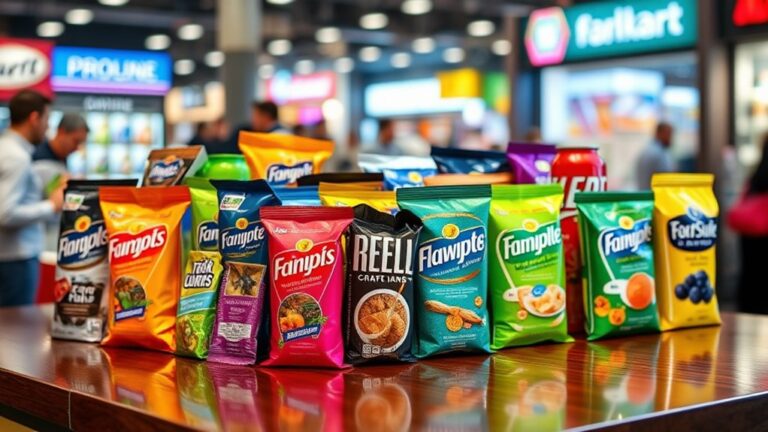
To design packaging that reflects current cultural trends, start by grasping your target audience's values and preferences. Incorporate sustainable materials, as eco-friendliness resonates with many consumers today. Opt for bold visuals and colors that evoke emotions, using color psychology to improve appeal. A minimalist approach can likewise reduce waste and convey sophistication. Don't forget personalization; interactive elements like QR codes engage customers further. Finally, always seek feedback to adapt your packaging to evolving trends. By focusing on these aspects, you'll create packaging that stands out and connects deeply with your audience and their experiences.
Understanding Cultural Trends
In today's fast-paced world, staying attuned to cultural trends is vital for effective packaging design. You can't ignore the rapid cultural shifts happening around you. These shifts are often driven by societal influences that shape consumer behavior, preferences, and values. Comprehending these trends can give you a competitive edge, allowing your packaging to resonate with your target audience.
To grasp cultural trends, you need to be observant and proactive. Look beyond the surface; explore the underlying motivations that drive consumer choices. Are people leaning toward minimalism, or are they embracing bold, lively designs? Is sustainability a priority for your audience, or are they more focused on luxury and experience? These questions will help you tailor your packaging in innovative ways that reflect current sentiments.
Engage with social media, attend cultural events, and listen to what influencers are saying. This can provide you with insights into emerging trends and how they impact your packaging strategy. Remember, trends can be fleeting, so being agile in your design approach is vital. Your packaging should not only capture attention but also convey a deeper comprehension of the cultural environment.
Ultimately, when you align your packaging design with cultural trends, you're not just selling a product; you're creating a connection. By embracing these societal influences, you can guarantee your packaging stands out in a crowded marketplace, inviting consumers to engage with your brand on a more meaningful level.
The Role of Sustainability
When you think about sustainable packaging, consider how eco-friendly materials can make a significant difference. A minimalist design approach not just reduces waste but likewise resonates with consumers who value simplicity. Plus, being aware of the lifecycle impact of your packaging can help you create solutions that are both responsible and appealing.
Eco-Friendly Materials Choices
Embracing eco-friendly materials not merely improves your packaging's appeal but likewise aligns with growing consumer demands for sustainability. Today's consumers are increasingly conscious of their environmental impact, and they expect brands to reflect these values. By choosing biodegradable materials, you signal your commitment to reducing waste. These materials break down naturally, minimizing their long-term footprint on the planet.
In addition, consider incorporating recycled content into your packaging. This not only helps divert waste from landfills but additionally supports the circular economy, which is gaining traction among forward-thinking brands. Using recycled materials can amplify your brand story, showcasing innovation and responsibility.
When selecting materials, be sure to highlight their eco-friendly properties on your packaging. Clear messaging about your sustainable choices can resonate strongly with consumers who prioritize green options. This transparency builds trust and nurtures a loyal customer base.
Minimalist Design Approach
Sustainable packaging doesn't stop at materials; it extends to design principles, too. By embracing a minimalist design approach, you can create packaging that resonates with today's eco-conscious consumers. Minimalist aesthetics aren't merely visually appealing; they emphasize functional simplicity, allowing you to communicate your brand's commitment to sustainability effectively.
When you strip away unnecessary elements, you not just reduce your material usage but highlight the purpose of your product. Think clean lines, muted colors, and intuitive shapes. This approach not only catches the eye but conveys a message of efficiency and environmental responsibility. Consumers appreciate designs that are straightforward and purposeful, which reinforces their desire for sustainable practices.
Moreover, minimalist packaging can improve user experience. By prioritizing functionality, you make it easier for customers to interact with your product. Consider how easy it is to open, store, or recycle the packaging. Each detail matters, and a thoughtful design can uplift your brand's perception.
Incorporating minimalist principles into your packaging design not only aligns with cultural trends but positions your brand as a leader in sustainability. So, embrace the influence of simplicity and watch your packaging stand out.
Lifecycle Impact Awareness
Comprehending the lifecycle impact of your packaging is essential for promoting sustainability. By grasping how your packaging affects the environment from creation to disposal, you can make informed decisions that lead to innovation and waste reduction. Here are four key aspects to contemplate:
- Material Selection: Choose sustainable materials that minimize environmental harm and can be easily recycled or composted.
- Life Cycle Assessment (LCA): Conduct an LCA to evaluate the environmental impact of your packaging throughout its entire lifecycle. This helps identify areas for improvement.
- Design for Reusability: Create packaging that encourages reuse. This not only cuts down on waste but additionally resonates with eco-conscious consumers.
- End-of-Life Solutions: Develop clear disposal instructions to guide customers on how to recycle or compost your packaging, ensuring it doesn't end up in landfills.
Incorporating Bold Visuals
When you think about packaging design, incorporating bold visuals can instantly improve a product's appeal and create a lasting impression. In today's crowded marketplace, grabbing attention is essential, and you can achieve that by using bold graphic elements that resonate with your target audience. These elements not only draw the eye but also convey a sense of creativity and innovation that consumers crave.
One effective approach is to experiment with lively color palettes. Colors have the ability to evoke emotions and influence purchasing decisions. By selecting striking combinations, you can create a packaging design that stands out on the shelf and communicates your brand's personality. Don't shy away from using unexpected hues or gradients; they can make your product feel fresh and exciting.
Furthermore, consider integrating dynamic shapes and patterns into your packaging. These bold graphic elements can help tell a story or highlight key features of your product, making it more relatable and memorable. Think about how these visuals interact with your brand message—every element should work together harmoniously to reinforce your identity.
Finally, keep in mind that bold visuals can also translate well across various mediums, from social media to print advertisements. This cohesive branding will amplify your reach and solidify your product's presence in the market. So, if you want to captivate consumers and set your packaging apart, embrace bold visuals and watch your product soar!
Emphasizing Minimalism
In the domain of packaging design, minimalism can speak volumes through simplicity and elegance. By embracing clean aesthetics and functional beauty, you can create packaging that resonates deeply with modern consumers. Minimalist design strips away the unnecessary, allowing the fundamental elements to shine. This approach not only improves the product but additionally aligns with the current cultural trend regarding sustainability and mindfulness.
To effectively highlight minimalism in your packaging design, consider the following:
- Color Palette: Use a limited color scheme that reflects your brand identity. Neutral tones often convey a sense of calm and sophistication.
- Typography: Choose clean, legible fonts. A single, bold typeface can make a statement during maintaining simplicity.
- Material Selection: Opt for sustainable materials that improve the minimalist aesthetic. Recycled or biodegradable options can raise your brand's commitment to eco-friendliness.
- Negative Space: Utilize empty space intentionally. It highlights your product and adds a sense of clarity to the design.
Incorporating these elements guarantees your packaging not only stands out on the shelf but also tells a compelling story of innovation. When done right, minimalism in packaging can evoke emotion and connection, inviting customers to engage with your product on a deeper level. Remember, less can truly be more, especially in a world cluttered with visual noise. Embrace minimalism, and watch your brand's integrity shine through.
Personalization in Packaging
Personalization in packaging is all about giving your customers options that resonate with their individual tastes. By offering customization, you create an emotional connection that cultivates brand loyalty and improves the overall experience. Let's explore how these strategies can transform your packaging approach.
Customization Options Availability
Today's consumers crave unique experiences, and packaging that offers customization options meets this demand head-on. By providing personalized packaging, you can improve customer engagement and align with evolving customer preferences. Packaging flexibility allows your brand to stand out in a saturated market, making your products more memorable.
Here are four ways to implement customization in your packaging design:
- Interactive Elements: Incorporate QR codes that lead to personalized content or experiences, allowing consumers to engage with your brand on a deeper level.
- Name Personalization: Offer customers the option to have their names or messages printed on the packaging, creating a one-to-one connection that resonates emotionally.
- Modular Packaging: Design packaging that allows for different configurations or sizes, catering to varying customer preferences as well as improving usability.
- Seasonal Themes: Provide options for customers to select packaging that reflects seasonal trends or personal celebrations, making your product relevant all year round.
Emotional Connection Strategies
Creating an emotional connection with consumers can greatly improve brand loyalty and drive sales. When you focus on emotional storytelling in your packaging design, you make your products more relatable. Think about how your packaging can resonate with your audience's experiences and memories. Incorporating elements of nostalgic design can evoke feelings of warmth and familiarity, drawing consumers back to their cherished pasts.
Personalization is key. Use data to tailor your packaging to different segments of your audience. Consider limited-edition designs that celebrate cultural moments or seasonal events. These unique touches can spark joy and make your product feel special.
You can additionally invite your consumers into the narrative. Encourage them to share their stories on social media, showcasing how your product fits into their lives. This engagement not only nurtures a sense of community but additionally reinforces their emotional connection to your brand.
Ultimately, the goal is to create packaging that doesn't just hold a product but tells a story. By leveraging emotional storytelling and nostalgic design, you'll transform your packaging into a dynamic tool that resonates deeply with your audience.
Cultural Sensitivity and Inclusivity
Embracing cultural sensitivity and inclusivity in packaging design not only enhances brand image but furthermore cultivates a deeper connection with diverse consumer groups. By prioritizing these elements, you'll tap into a broader market and showcase a commitment to comprehension and respecting various cultures. Here are four key strategies to reflect upon:
- Conduct Research: Explore the cultural backgrounds of your target audience. Grasp their values, beliefs, and preferences. This research will help you incorporate accurate cultural representation into your designs.
- Utilize Inclusive Language: Choose words that resonate with different audiences. Avoid jargon or regional slang that might alienate some consumers. Instead, opt for language that's universally understood and welcoming.
- Incorporate Diverse Imagery: Use visuals that reflect a variety of cultures and lifestyles. This not only promotes inclusivity but likewise shows that your brand celebrates diversity, making your packaging more relatable to various consumer segments.
- Seek Feedback: Engage with representatives from different cultural backgrounds. Their insights can help you refine your packaging to guarantee it's both culturally sensitive and appealing.
Utilizing Local Art and Design
When you integrate local art and design into your packaging, you not just highlight regional culture but also forge a stronger bond with your audience. By collaborating with local artists, you infuse your products with authenticity, creating a unique identity that resonates with consumers. This approach not only showcases creativity but emphasizes community engagement, allowing your brand to stand out in a crowded marketplace.
Here's a quick overview of the benefits of utilizing local art and design:
| Benefit | Description | Example |
|---|---|---|
| Authenticity | Reflects true local culture and values | Hand-painted designs |
| Improved Brand Loyalty | Builds a connection with the local community | Artist signature on packaging |
| Unique Aesthetic | Creates distinctiveness in product appearance | Colorful, local motifs |
| Support for Local Economy | Boosts local artist collaborations and businesses | Partnerships with local galleries |
By leveraging local artist collaborations, you're not just selling a product; you're telling a story of place, people, and pride. This strategy nurtures a sense of belonging among your consumers, encouraging them to support your brand over others.
Incorporating local art isn't just a trend; it's a dynamic way to celebrate diversity and engage with communities. So, don't hesitate to explore the lively artistic talent around you. Your packaging can become a canvas that embodies both innovation and cultural richness, setting your brand apart in a meaningful way.
The Importance of Storytelling
In today's competitive market, storytelling has become a crucial element for brands looking to connect with consumers on a deeper level. By using compelling narrative techniques, you can craft packaging that not just stands out but likewise resonates with your audience. This connection strengthens brand identity and nurtures loyalty, encouraging consumers to choose your product over others.
To effectively weave storytelling into your packaging design, consider these four key aspects:
- Authenticity: Your story should reflect genuine values and experiences. Authenticity builds trust and invites consumers to engage with your brand.
- Emotional Appeal: Tap into emotions through your narrative. Whether it's nostalgia or inspiration, an emotional connection can make your brand memorable.
- Visual Storytelling: Use design elements, colors, and typography to visually convey your narrative. Each aspect of the packaging should contribute to the overall story you want to tell.
- Cultural Relevance: Align your story with current cultural trends and values. This relevance not just attracts attention but likewise shows that your brand understands its audience.
Technology and Interactive Packaging
As you explore the realm of packaging, consider how smart innovations and augmented reality can transform your product's appeal. These technologies not merely engage consumers but additionally improve their experience with your brand. By integrating interactive elements, you can create a memorable connection that stands out on the shelf.
Smart Packaging Innovations
Smart packaging innovations are revolutionizing how we interact with products, blending technology with consumer experience. By integrating smart sensors and advanced packaging tracking, you can create packaging that not merely protects your product but additionally engages your customers in meaningful ways. Here are four key innovations to reflect upon:
- Smart Sensors: These can monitor freshness and quality, alerting consumers when a product is nearing its expiration date. It guarantees your customers receive only the best.
- Interactive Labels: QR codes or NFC tags can lead customers to exclusive content, videos, or recipes, enhancing their connection with your brand.
- Real-Time Packaging Tracking: With IoT technology, customers can track their orders in real time, increasing transparency and trust in your brand.
- Sustainability Tracking: Smart packaging can inform consumers about the environmental impact of their purchase, appealing to eco-conscious buyers.
Implementing these smart packaging solutions not merely differentiates your brand but additionally aligns with the growing consumer demand for technology-driven experiences. Embrace these innovations to stay ahead in a competitive market!
Augmented Reality Experiences
Augmented reality (AR) is transforming how consumers engage with packaging, creating immersive experiences that go beyond traditional interaction. By integrating AR into your packaging design, you invite customers to explore your product in a whole new way. Envision a wine bottle that, when scanned, shares the vineyard's story or a cereal box that provides an interactive game for kids. This technology doesn't just improve the unboxing experience; it nurtures a deeper connection with your brand.
When designing AR experiences, think about what resonates with your audience. Use visually striking graphics and engaging narratives that align with current cultural trends. Confirm the AR features are easy to access, perhaps through a simple QR code or an app, making the experience seamless.
Additionally, consider the longevity of your AR content. Regularly update these experiences to keep them fresh and relevant, encouraging consumers to return and interact again. The key is to create memorable, immersive experiences that raise your packaging from ordinary to extraordinary, eventually driving brand loyalty and engagement. With AR, you're not just selling a product; you're creating a unique story that captivates and connects with your consumers.
Color Psychology in Packaging
Color psychology plays a crucial role in packaging design, influencing consumer perceptions and emotions nearly every time they encounter a product. When you choose colors for your packaging, you're merely making a visual decision; you're crafting an emotional narrative. Grasping color meanings helps you connect with your target audience on a deeper level, driving their emotional responses and purchasing decisions.
Here are four key colors and their associated meanings to reflect on:
- Red: Evokes excitement and passion. It grabs attention and can stimulate appetite, making it ideal for food products.
- Blue: Conveys trust and reliability. It's often used in health and wellness products, appealing to consumers seeking assurance.
- Green: Symbolizes nature and sustainability. This color resonates with eco-conscious shoppers and works well for organic or natural products.
- Yellow: Represents optimism and energy. It can create a sense of happiness, drawing in consumers looking for cheerful and uplifting products.
Utilizing these color meanings strategically can improve your packaging's effectiveness. By tapping into the emotional responses associated with these colors, you'll not only attract attention but additionally cultivate a connection that encourages brand loyalty. Remember, the right colors can transform ordinary packaging into a formidable marketing tool that resonates with contemporary cultural trends. So, don't overlook this crucial aspect—let color psychology guide your innovative packaging designs!
Trends in Typography
Exploring typography trends can greatly enhance your packaging design, as the right typeface communicates your brand's personality and values at a glance. Today, you'll want to reflect on the balance between serif styles and sans serif trends. Serif fonts often evoke tradition and reliability, whereas sans serif fonts lean in the direction of modernity and minimalism.
Creating a strong typography hierarchy is vital for guiding your customers' eyes. Use larger type for your brand name and smaller type for details, guaranteeing readability considerations are met. Custom fonts can set you apart, giving your packaging a unique voice. Nonetheless, it's important to maintain typographic contrast, especially when mixing different styles.
Hand lettering techniques can likewise add a personal touch that resonates in an increasingly digital world. When selecting a typeface, verify it aligns with your brand's story and speaks to your target audience.
Here's a quick comparison of different typography trends:
| Trend | Description | Example Use Case |
|---|---|---|
| Serif Styles | Traditional fonts, elegant feel | Luxury goods packaging |
| Sans Serif Trends | Clean, modern fonts | Tech product branding |
| Custom Fonts | Unique typography for brand identity | Artisan or niche market items |
| Hand Lettering | Personal, artistic lettering | Craft products or personal gifts |
| Typography Hierarchy | Organized text for easy reading | Infographics and labels |
Adapting to Consumer Feedback
Listening to your customers is key to refining your packaging design. When you prioritize consumer feedback, you create a dynamic relationship that promotes innovation and adaptability. Your packaging should evolve in response to what your audience wants, guaranteeing it remains relevant and engaging. Here are four strategies to help you effectively adapt to consumer feedback:
- Conduct Consumer Surveys: Regularly gather insights from your target audience. Surveys can uncover preferences, trends, and pain points that might not be evident otherwise.
- Establish Feedback Loops: Create a consistent channel for consumers to share their thoughts. This could be through social media, email, or dedicated platforms, allowing you to respond quickly and effectively.
- Implement Adaptive Design: Utilize the feedback to make incremental changes to your packaging. This approach helps you stay flexible and responsive to shifting consumer desires.
- Analyze Market Responsiveness: Monitor how your packaging changes impact sales and customer satisfaction. Use this data to inform future decisions and guarantee your design aligns with market trends.
Frequently Asked Questions
How Do I Identify Emerging Cultural Trends for Packaging Design?
So, you wanna be the guru of trend forecasting, huh? Don't worry; you won't need a crystal ball! Start by following cultural influencers on social media and plunging into pop culture discussions. Look for patterns in their content—what's resonating? Analyze social movements, fashion, and art. Engage in online forums and attend events to soak up the vibes. By staying curious and adaptable, you'll spot those emerging trends before they hit the mainstream!
What Materials Are Best for Eco-Friendly Packaging?
When you're looking for eco-friendly packaging, consider using biodegradable options like plant-based plastics or compostable materials. These choices break down naturally, minimizing environmental impact. Recycled materials, such as post-consumer paper or plastic, as well provide great alternatives, as they reduce waste and conserve resources. By opting for these innovative materials, you not only improve your brand's sustainability but likewise resonate with environmentally conscious consumers who value responsible packaging solutions.
How Can I Effectively Test Packaging Designs With Consumers?
Picture a room buzzing with excitement as consumers tear into your packaging designs. You can effectively test these concepts by organizing focus groups where participants share their thoughts directly. Don't stop there; utilize online surveys to reach a broader audience, gathering insights from diverse demographics. By blending these methods, you'll uncover what resonates and refine your designs, ensuring they capture attention and spark interest in your innovative creations.
What Are Common Mistakes to Avoid in Packaging Design?
When you're designing packaging, avoid common mistakes like poor color choices and typography errors. Using colors that clash or don't resonate with your target audience can undermine your message. Similarly, choosing fonts that are hard to read or don't align with your brand can create confusion. Focus on creating a cohesive visual identity that stands out and speaks to your audience's values. Stay innovative, and your packaging will surely shine!
How Do I Balance Creativity With Brand Identity in Packaging?
To balance creativity with brand identity in packaging, you need to embrace creative constraints that guide your design. Start by identifying key elements of your brand storytelling—what message do you want to convey? Use colors, shapes, and materials that reflect your brand's essence as well as allowing room for innovative ideas. By merging creativity with your brand's narrative, you'll create packaging that not just stands out but likewise resonates deeply with your audience.