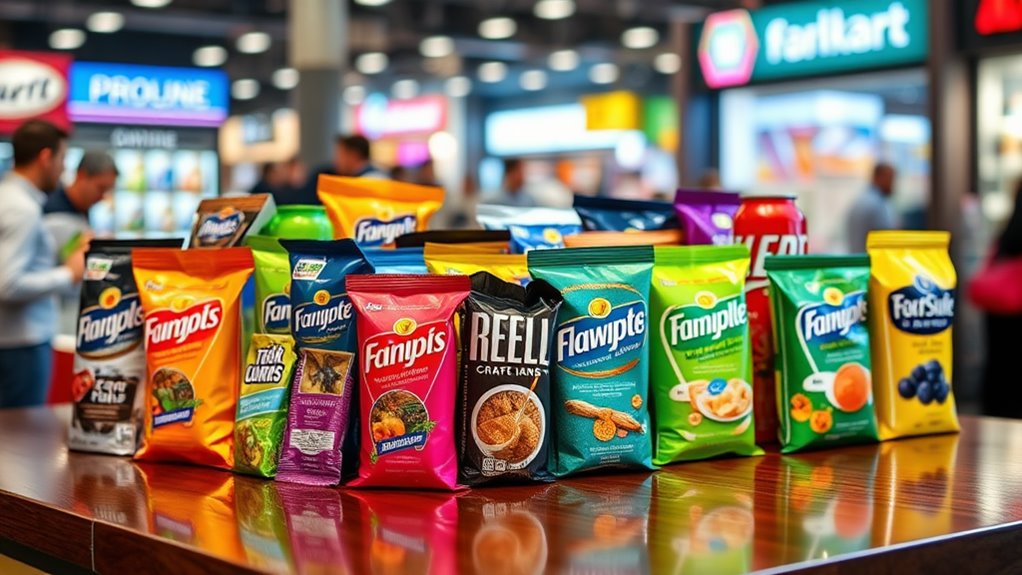

Packaging shapes your perception of products by combining aesthetics, materials, and storytelling. You notice colors and designs that evoke specific emotions, creating strong first impressions. When brands use unique shapes and sustainable materials, it improves their identity and appeals to your values. Effective branding through packaging helps products stand out in crowded markets, guiding your attention to what matters most. As you engage with packaging that resonates with your demographic, you form emotional connections that influence loyalty. Comprehending these dynamics can transform how you view products, leading you to discover even more insights on this important topic.
The Psychology of Packaging
When you walk down a store aisle, the packaging of products grabs your attention and influences your choices. It's fascinating how packaging aesthetics can shape your perception before you even get to the product itself. Brands know that a striking design can evoke emotions and create a sensory experience that resonates with you. The colors, shapes, and materials they choose aren't merely for looks; they're strategic moves aimed at capturing your interest and establishing a connection.
Imagine reaching for a beautifully designed package. You're not merely drawn to its appearance; the tactile feel, the weight in your hand, and even the sound it makes when you open it all contribute to that sensory experience. This multi-dimensional approach to packaging engages you on various levels, making you more likely to remember a product later. In a world where choices are overwhelming, innovative packaging can set a brand apart.
Additionally, the psychology of packaging taps into your subconscious. It can signal quality, reliability, or even luxury, influencing your perception of value. When you see a sleek, modern package, you might associate it with state-of-the-art technology or superior craftsmanship. Conversely, a more rustic design could evoke feelings of nostalgia or authenticity.
Ultimately, effective packaging is a blend of art and science. By comprehending how packaging aesthetics affect consumer behavior, brands can innovate to create memorable experiences that attract attention and encourage loyalty.
Importance of First Impressions
First impressions can make or break a consumer's decision to engage with a product. When you encounter a new item on the shelf, the packaging grabs your attention before anything else. It acts as a silent salesperson, conveying messages about quality, value, and innovation. In competitive markets, you can't afford to overlook the impact of that initial visual and tactile experience.
Think about it: you're likely to form a lasting impression in mere seconds. If the packaging looks outdated or uninviting, you might not even consider what's inside. On the flip side, innovative designs can spark curiosity and excitement, compelling you to pick up the product and explore further. This is where the influence of packaging shines.
Consider how unique shapes, textures, and materials can enhance a brand's identity. You want your product to stand out, and that starts with making a memorable first impression. It's about more than aesthetics; it's about creating an emotional connection with consumers. If your packaging resonates, it sets the stage for customer loyalty and repeat purchases.
In a marketplace saturated with options, don't underestimate the importance of first impressions. They lead to lasting impressions that can define your brand's trajectory. So, invest in packaging that attracts attention but also reflects your brand's values and innovations. After all, you want consumers to remember not just the product but the experience that came with it.
Color and Consumer Behavior
When you walk down the grocery aisle, the colors of packaging catch your eye and influence your decisions. Each color evokes specific emotions and associations that can shape your perception of a product. Comprehending color psychology and cultural meanings can help you grasp how brands use colors to build their identity and connect with you.
Color Psychology Explained
Throughout history, color has played a significant role in shaping consumer perceptions and behaviors. You might not realize it, but the colors you choose for your packaging can evoke specific emotions and drive purchasing decisions. For instance, red often symbolizes excitement and urgency, making it a popular choice for clearance sales. Blue, in contrast, is associated with trust and reliability, ideal for brands aiming to build long-term relationships with customers.
Understanding color symbolism is essential, but don't forget about cultural variations. What resonates in one culture may not in another; for example, white represents purity in some cultures, whereas in others, it signifies mourning. As you innovate your packaging strategy, consider how these nuanced meanings can influence your audience.
In a competitive market, leveraging color psychology can set you apart. It's not just about aesthetics; it's about creating a visceral connection with your consumers. So, as you develop your next product line, think carefully about how color can improve your brand's message and influence consumer choices. Remember, the right color can turn curiosity into conversion.
Cultural Color Associations
Navigating through the intricate terrain of consumer behavior requires an awareness of cultural color associations that can greatly influence purchasing decisions. Different cultures attach specific meanings to colors, and these associations can shift your brand's appeal. Comprehending these cultural symbolisms can guide you in choosing packaging colors that resonate with your target audience.
Here's a quick overview of some color meanings across various cultures:
| Color | Cultural Symbolism |
|---|---|
| Red | Passion, love, and danger |
| Blue | Trust, calmness, and stability |
| Green | Growth, health, and prosperity |
| Yellow | Happiness, warmth, and caution |
As you innovate your packaging design, consider how these color meanings might impact consumer perceptions. For instance, during the time red may evoke excitement in Western cultures, it can symbolize luck in some Eastern cultures. By integrating these insights into your strategy, you can craft packaging that attracts attention and cultivates emotional connections. This awareness transforms your approach and boosts your brand's relevance in diverse markets, finally leading to stronger consumer engagement and loyalty.
Brand Identity and Colors
Colors play a significant role in shaping your brand identity and influencing consumer behavior. When you think about your packaging, consider how specific hues can evoke emotions and create lasting impressions. Effective brand recognition strategies hinge on the right color choices, making color combinations analysis vital for your market positioning.
Here are some key considerations for leveraging color in your branding:
- Emotional Impact: Different colors evoke various emotions; for instance, blue conveys trust, whereas red can signify excitement.
- Target Audience: Understand your audience's preferences and cultural associations with colors to improve appeal.
- Consistency: Use a cohesive color palette across all packaging to reinforce brand identity and recognition.
- Innovation: Experiment with color trends, but verify they align with your overall brand message to stay relevant.
Material Choices and Perception
Many consumers don't realize how much material choices impact their perception of a product. The materials used in packaging can evoke emotions and influence decisions, often without you even noticing. For example, a sleek, minimalist design made from high-quality materials can convey luxury and innovation, making you feel more inclined to purchase. Conversely, flimsy or cheap materials can lead to doubts about the product's quality.
When brands prioritize material sustainability, they tap into your growing desire for environmentally friendly options. You're more likely to choose a product that showcases recycled or biodegradable materials, as it aligns with your values. This conscious choice not only makes you feel good about your purchase but additionally builds a connection with brands that resonate with your ethos.
The tactile experience also plays an essential role in shaping your perception. When you hold a package that feels substantial and well-crafted, it improves your overall experience, making the product seem more valuable. Think about how you perceive weight in packaging; heavier materials can imply quality, whereas lighter materials might suggest a lack of substance.
Ultimately, your perception flips based on the material choices brands make. Whether it's the eco-friendly aspect or the sensory experience, these factors greatly sway your decisions in a crowded marketplace. Embracing innovative materials can give brands a competitive edge, ensuring that they not only catch your eye but moreover capture your loyalty.
Branding Through Packaging Design
When you think about branding, packaging design plays an essential role in capturing your attention. The visual appeal of a product can instantly influence your perception, whereas the choice of materials adds to its overall impact. Together, these elements not just improve the brand's identity but additionally shape your buying decisions.
Visual Appeal Influence
Effective packaging design can dramatically improve a product's visual appeal, making it stand out in a crowded market. You need to focus on elements like visual hierarchy and packaging motifs to create an inviting aesthetic that draws consumers in. By prioritizing key design features, you can guide potential buyers' eyes to the most important aspects of your product, ensuring they understand its unique value.
Consider incorporating these innovative strategies:
- Color Psychology: Utilize colors that evoke desired emotions and align with your brand identity.
- Unique Shapes: Experiment with unconventional packaging shapes that can spark curiosity and boost shelf presence.
- Typography Choices: Select fonts that convey your brand's personality as well as ensuring readability at a glance.
- Sustainable Design: Embrace eco-friendly materials and designs, which can resonate with environmentally conscious consumers.
Material Choices Impact
Often, the materials you choose for packaging can greatly influence how consumers perceive your brand. By integrating sustainable materials into your design, you not merely improve material sustainability but additionally resonate with eco-conscious consumers, cultivating loyalty. The tactile experience of your packaging can raise sensory engagement, making your product memorable.
Functional design is vital; packaging that protects your product during offering aesthetic appeal can create a premium perception. Think about versatility factors—can your packaging adapt to various retail environments or consumer needs? This adaptability can set you apart in competitive markets.
However, don't overlook durability concerns. A robust package conveys reliability, but it shouldn't compromise your sustainability goals. Balancing cost implications with quality is key; investing in innovative materials can lead to long-term gains, regardless of initial expenses being higher.
Ultimately, the right material choices can transform your brand's identity, making it more appealing and relevant in today's market. With thoughtful consideration of these elements, you can create packaging that not only looks good but also improves your brand's story and connects deeply with your audience.
Eco-Friendly Packaging Trends
An increasing number of consumers are prioritizing eco-friendly packaging as they become more environmentally conscious. This shift in consumer awareness is driving brands to innovate and adopt sustainable practices. By using sustainable materials and biodegradable options, you can considerably reduce your product's environmental impact as you appeal to the eco-savvy shopper.
Minimalistic designs are additionally gaining traction, emphasizing simplicity and functionality, which can improve your brand's green branding. When your packaging is not only beautiful but furthermore environmentally responsible, it resonates with your audience. Here are some trends to think about:
- Sustainable Materials: Opt for materials like recycled paper, glass, or plant-based plastics that minimize ecological footprint.
- Biodegradable Options: Choose packaging that breaks down naturally, reducing landfill waste and supporting a circular economy.
- Eco Certifications: Display certifications from recognized organizations to build trust and show commitment to sustainability.
- Recyclable Packaging: Confirm your packaging can be easily recycled, encouraging consumers to participate in responsible disposal.
Packaging and Price Perception
Packaging plays a crucial role in shaping how consumers perceive the price of a product. When you walk down the aisle, your eyes are drawn to colorful designs, unique shapes, and eye-catching materials. These elements don't merely attract attention; they additionally influence your price sensitivity. If a product is encased in sleek, high-quality packaging, you're likely to associate it with a higher value, even though the actual price doesn't reflect that perception.
To maximize your pricing strategy, consider innovative packaging strategies that align with your brand identity. For instance, premium materials can convey luxury, whereas minimalistic designs might suggest value and authenticity. The key is to strike the right balance that resonates with your target audience. You'll want to avoid packaging that feels cheap or overly complex, as this can trigger negative price perceptions and lead to hesitance in purchasing.
Moreover, think about how your packaging communicates your message. Does it clearly convey the product's benefits, or does it leave consumers guessing? Clear communication can improve perceived value, making consumers feel more confident in their purchase decisions.
In the end, effective packaging not only boosts your product's visibility but strategically positions it within the marketplace. By grasping the psychological impact of packaging on price perception, you can craft an experience that aligns with your marketing goals, encouraging consumers to embrace your innovation and, in the end, their willingness to pay.
Storytelling Through Packaging
When you think about packaging, consider how it creates a visual identity that instantly captures attention. It's not just about looks; the right design can forge an emotional connection with consumers. By telling a story through packaging, you can make your product memorable and impactful in a crowded market.
Visual Identity Impact
Brands often tap into the strength of visual identity to craft compelling stories that resonate with consumers. You can leverage visual branding to differentiate your products in crowded markets, guaranteeing your packaging stands out and communicates your brand's essence. Design consistency plays a vital role here, as it reinforces recognition and builds trust.
Consider these elements to improve your visual storytelling:
- Color Palette: Use colors that evoke specific emotions and align with your brand personality.
- Typography: Choose fonts that reflect your brand's voice and guarantee readability at a glance.
- Imagery: Integrate graphics or illustrations that capture your brand's story and values, making an immediate impact.
- Materials: Opt for packaging materials that not just protect your product but additionally tell a story about sustainability and quality.
Emotional Connection Creation
Through thoughtful storytelling, you can create an emotional connection with consumers that goes beyond mere functionality. When you design emotionally resonant packaging, you're not just presenting a product; you're offering a narrative that aligns with your audience's values and aspirations. This approach transforms the mundane act of purchasing into an experience that sparks joy, nostalgia, or even inspiration.
Utilizing consumer sentiment analysis, you can identify the emotions that resonate most with your target market. By comprehending their preferences and pain points, you can craft packaging that tells a compelling story—whether it's about sustainability, heritage, or innovation. Envision your packaging as a canvas where each element reflects your brand's ethos, inviting consumers to engage on a deeper level.
The goal is to make your product memorable, ensuring it stands out in crowded shelves. When consumers feel a connection, they're more likely to choose your brand over competitors, nurturing loyalty and advocacy. So, invest in storytelling through your packaging; it's not just about aesthetics—it's about creating a lasting emotional bond that drives growth and success in competitive markets.
Packaging for Different Demographics
Packaging plays a crucial role in shaping consumer perceptions, especially when targeting different demographics. You'll find that comprehending the unique preferences and behaviors of various groups can greatly improve your packaging strategy. For instance, youth packaging often embraces lively aesthetics and bold colors, resonating with a sense of energy and innovation. Conversely, senior packaging typically favors minimalist designs that prioritize readability and ease of use.
When crafting your packaging, consider these key factors:
- Gender-Specific Designs: Tailor your packaging to appeal to specific genders, using colors and imagery that resonate with their preferences.
- Cultural Preferences: Different cultural backgrounds will influence how consumers perceive your brand. Embrace these nuances in your designs.
- Lifestyle Considerations: Recognize the lifestyles of your target audience. Eco-conscious consumers may prefer sustainable materials, whereas luxury branding might require more sophisticated packaging.
- Income Segmentation: High-income consumers may favor lavish designs that convey exclusivity, while budget-conscious shoppers might appreciate practicality and value.
The Role of Typography
Typography isn't solely about selecting a font; it's a strong tool that shapes how consumers perceive your product. When you think about font choices, keep in mind that each typeface carries its own personality. A bold, modern font can convey innovation, whereas a classic serif might evoke trust. By leveraging typographic hierarchy, you guide consumers' eyes to the most important information, improving their engagement with your packaging.
Consider readability factors as paramount. If your text layout is cluttered, you risk losing potential customers who can't quickly decipher your message. Clear, well-structured typography not just improves readability but reinforces your brand personality. For instance, a playful font can attract a youthful audience, whereas a sleek, minimalist typeface might appeal to a more sophisticated market.
Cultural nuances play a significant role in typography too. What resonates in one culture might confuse in another. By comprehending these subtleties, you can craft a packaging design that speaks directly to your target audience.
Furthermore, typography can trigger emotional responses. Certain fonts can evoke nostalgia or excitement, creating a strong connection with your consumer. When you align your typographic choices with your brand narrative, you elevate consumer engagement, making your product more memorable.
In a crowded market, the right typography sets you apart. It's not just what you say; it's how you say it. Embrace typography as a strategic asset, and watch how it transforms your packaging into a compelling story that resonates with your audience.
Innovations in Packaging Design
As you explore how typography influences consumer perception, you'll find that innovations in packaging design are equally transformative. Today's market demands creativity that attracts attention while also improving user experience. By embracing state-of-the-art trends, brands can uplift their products and resonate with eco-conscious consumers.
Consider these key innovations shaping the packaging environment:
- Sustainable materials: Eco-friendly options are a must. Consumers are increasingly drawn to products that reflect their values, making sustainability a significant selling point.
- Interactive packaging: Engage your audience with designs that invite interaction. QR codes or augmented reality features can provide additional information and create memorable experiences.
- Minimalist design: Less is often more. Streamlined packaging can convey sophistication and clarity, allowing your product's quality to shine through.
- Smart packaging: Integrate technology that improves functionality. This could include temperature indicators or tracking systems, guaranteeing your product maintains its integrity.
Furthermore, the rise of personalized packaging guarantees that consumers feel a unique connection to the brand. With multifunctional designs and user-friendly features, packaging can serve multiple purposes, increasing convenience. Premium finishes can uplift the overall aesthetic, making your product stand out on crowded shelves.
Frequently Asked Questions
How Does Packaging Affect Online Shopping Decisions?
When you shop online, packaging plays an essential role in your decision-making. Its visual appeal can capture your attention, making you more likely to choose one product over another. A well-designed package improves your unboxing experience, creating excitement and satisfaction. If the packaging feels innovative and high-quality, it reinforces the product's value in your mind, leading you to feel confident in your purchase. In the end, packaging can influence both choice and loyalty.
What Role Does Packaging Play in Product Recalls?
You'd think packaging is just a pretty wrapper, but it's essential regarding product recalls. Effective packaging safety can make all the difference in how quickly you receive recall notifications. If a product's packaging clearly communicates potential hazards, you're more likely to stay informed and safe. So, as you admire the sleek design, remember it can likewise be your first line of defense against unsafe products. Innovation in packaging can save lives!
Can Packaging Influence Customer Loyalty?
Absolutely, packaging can greatly influence customer loyalty. When you see attractive packaging aesthetics, it grabs your attention and creates a memorable first impression. This visual appeal can improve your emotional connection to a brand, nurturing brand loyalty. If you consistently receive products in innovative, eye-catching packaging, you're more likely to choose that brand again. So, investing in unique packaging isn't just about looks; it's a smart move for building lasting customer relationships.
How Do Cultural Differences Impact Packaging Design?
Envision your package as a chameleon, changing colors and patterns to blend in with its surroundings. Cultural symbolism plays a crucial role in this transformation. Different regions prefer specific colors, and language nuances can affect how your message is received. Design aesthetics should reflect local tastes to resonate with customers. By comprehending these cultural differences, you'll create packaging that not just captivates but also nurtures loyalty and connection with your audience.
What Are the Legal Regulations Around Packaging Claims?
When you're maneuvering through the legal regulations around packaging claims, it's essential to guarantee label accuracy. Misleading information can lead to legal repercussions and damage your brand's reputation. Furthermore, you'll want to focus on environmental compliance, as regulations are tightening around sustainable practices. By prioritizing these aspects, you not merely adhere to the law but likewise position your brand as innovative and responsible, appealing to today's eco-conscious consumers.