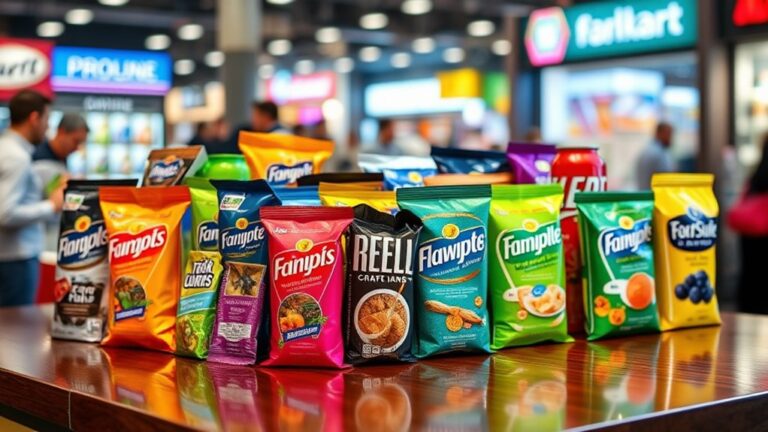
Packaging plays a crucial role in making lasting first impressions. It's your first encounter with a product, and attractive packaging can spark your curiosity and interest immediately. If it looks appealing, you're more likely to trust the brand and feel an emotional connection. Thoughtful design that reflects your values can differentiate a product in today's crowded market. Furthermore, functional features guarantee the ease of use, enhancing satisfaction. Remember, great packaging tells a story and reinforces brand identity. If you're curious about how these elements work together, you'll find plenty more insights waiting for you.
Importance of First Impressions
First impressions matter more than you might think. When you see a product for the first time, your brain processes visual cues almost instantaneously. These cues—color, shape, and design—play an essential role in how you perceive a brand. If the packaging looks fresh and innovative, you're more likely to feel intrigued and curious. Conversely, unappealing packaging can lead to immediate disinterest, no matter how great the product inside may be.
The emotional connection you establish with a product starts right at the packaging. It's not just about what you see; it's about how it makes you feel. A well-designed package can evoke feelings of excitement, nostalgia, or even luxury, crafting a narrative that resonates with you. This connection is particularly important in a world overflowing with options. You want to feel something genuine when you choose a product, and the packaging is your first touchpoint.
Elements of Effective Packaging
Effective packaging goes beyond just aesthetics; it encompasses various elements that work together to communicate a brand's identity and values. When you think about what makes packaging effective, consider how it engages not only the eyes but also the mind. It's about creating a balance between innovation and functionality, ensuring your product stands out while remaining practical.
Here are key elements you should focus on:
- Packaging Materials: Choose sustainable, high-quality materials that reflect your brand's commitment to the environment.
- Functional Design: Prioritize usability—easy opening, resealability, and protection of the product are crucial for customer satisfaction.
- Visual Appeal: Use colors, typography, and imagery that resonate with your target audience and convey the right message.
- Brand Story: Incorporate your brand's values and mission into the packaging design, nurturing a deeper connection with consumers.
- Information Clarity: Make sure vital product information is easily accessible and clearly presented, helping customers make informed decisions.
Psychology Behind Packaging Design
When you pick up a product, the colors and shapes play an essential role in shaping your feelings and perceptions. Bright colors can evoke excitement, whereas softer hues might bring a sense of calm. Similarly, unique shapes can attract your attention and influence how you view the product's value and quality.
Color and Emotion
Color plays a crucial role in how consumers perceive a product, often evoking specific emotions and associations. By grasping color psychology, you can leverage the influence of color to create impactful emotional branding that resonates with your audience. Each color carries its own set of feelings, and the right choice can markedly influence purchasing decisions.
Consider these associations:
- Red: Excitement, passion, urgency
- Blue: Trust, calmness, reliability
- Yellow: Happiness, optimism, warmth
- Green: Growth, health, tranquility
- Purple: Luxury, creativity, spirituality
When designing your packaging, think about how these colors align with your brand identity and the message you want to convey. For instance, if you're launching a health product, green can evoke feelings of freshness and energy. Conversely, if you're targeting a luxury market, purple can create an aura of sophistication and exclusivity.
Shape and Perception
The shape of packaging greatly influences how consumers perceive a product, often shaping their expectations and feelings before they even see the contents. When you encounter a unique or innovative shape, it can spark curiosity and excitement, prompting a desire to explore further. For instance, a sleek, angular design might convey modernity and sophistication, whereas a rounded, organic shape may evoke a sense of comfort and familiarity.
Understanding shape influence is essential in the perception dynamics of your product. A well-designed package attracts attention and communicates brand values and product benefits at a glance. Think about how a bottle's silhouette can suggest luxury or how a minimalist box can imply simplicity and elegance.
Additionally, the tactile experience of handling a uniquely shaped package can improve consumer engagement, making it more memorable. As you innovate, consider how the shape can serve as a silent ambassador for your brand, telling your story before a single word is spoken. By leveraging shape effectively, you can create a lasting first impression that resonates with your audience and sets your product apart in a crowded marketplace.
Sustainable Packaging Trends
Sustainable packaging trends are reshaping how brands connect with consumers and the environment. As you explore options for your products, you'll find that embracing these trends not just improves your brand's image but additionally meets the growing demand for eco-conscious choices. Today's consumers want packaging that reflects their values, and they're increasingly turning to brands that prioritize sustainability.
Here are some key trends to reflect on:
- Biodegradable options: More brands are adopting materials that break down naturally, reducing landfill waste.
- Eco-friendly materials: Sourcing sustainable materials, such as recycled paper or plant-based plastics, is becoming the norm.
- Minimalist design: Simple, clean packaging not just appeals aesthetically but additionally uses fewer resources.
- Reusable containers: Offering packaging that can be repurposed encourages consumers to rethink waste.
- Smart packaging: Technology integrated into packaging can inform consumers about recycling and composting options.
Brand Identity and Packaging
Packaging plays a crucial role in shaping a brand's identity, especially as consumers increasingly value sustainability. Today's consumers are more discerning than ever, and they're looking for brands that reflect their values. When you prioritize innovative packaging, you're not just delivering a product; you're crafting a narrative that resonates.
Think about how your packaging can improve brand perception. Every detail, from colors and materials to design elements, contributes to the story you want to tell. If your packaging reflects sustainability, you're signaling to consumers that you care about the planet. This connection nurtures loyalty and sets you apart in a crowded market.
Consistency in packaging is key. When your packaging looks and feels the same across all products, it reinforces your brand identity. It's not about being flashy; it's about creating a cohesive experience that consumers can trust. Whether it's a sleek, minimalist design or lively, playful graphics, maintaining that consistency guarantees customers recognize and remember your brand.
Moreover, innovative packaging can likewise convey functionality. Unique designs that improve usability can raise the consumer experience and encourage repeat purchases. By integrating creativity with practicality, you can strengthen your brand identity and cultivate a loyal customer base.
In a world where first impressions matter, your packaging is your frontline ambassador. Make it count, and watch how it transforms brand perception as it embodies the values that matter most to your audience.
Case Studies of Successful Brands
Successful brands often showcase how effective packaging can improve their market presence and consumer engagement. Take a look at a few standout examples that utilize innovative packaging to tell their brand story and capture consumer interest.
- Apple: Their minimalist packaging reflects the sleek design of their products, creating a sense of anticipation and excitement upon unboxing. This approach reinforces their brand identity and raises consumer experience.
- Coca-Cola: Their iconic red can isn't just about color; it's about nostalgia and connection. The brand uses seasonal packaging to engage consumers emotionally, nurturing loyalty and a sense of belonging.
- Tiffany & Co.: The famous "Tiffany Blue" box is instantly recognizable and signifies luxury. This distinct color creates a strong brand narrative, making the unboxing feel like an experience rather than just receiving a product.
- Warby Parker: They transformed eyewear shopping with their stylish packaging that includes a personal touch—a handwritten note. This small detail improves consumer engagement, making customers feel valued.
- Method: Their eco-friendly packaging stands out on the shelf and aligns with their brand values. By integrating sustainable practices into their packaging, they tell a story about their commitment to the environment, appealing to conscious consumers.
These examples show how packaging isn't just a protective layer; it's a crucial component of brand storytelling that can greatly influence consumer engagement and perceptions. When done right, it creates a lasting first impression that resonates with customers long after the purchase.
Future of Packaging Innovations
As you think about the future of packaging, consider how sustainable materials are changing the game. Smart packaging technology is enhancing consumer interaction, whereas aesthetic design trends are pushing brands to stand out even more. These innovations not just improve functionality but additionally shape the first impressions customers have of your products.
Sustainable Materials Development
The future of packaging innovation hinges on sustainable materials development, which is quickly transforming how brands approach their products. You're likely noticing that more companies are prioritizing eco-friendly solutions, acknowledging that consumers increasingly value sustainability. This shift isn't just about meeting demand; it's a strategic move that creates lasting first impressions.
Consider these aspects of sustainable materials development:
- Biodegradable materials: These are designed to break down naturally, reducing landfill waste.
- Recycled content: Incorporating materials that have been recycled cuts down on resource extraction and energy use.
- Minimalist packaging: Less is more in regard to showcasing your commitment to sustainability.
- Plant-based alternatives: These options are becoming mainstream, offering innovative solutions that appeal to eco-conscious consumers.
- Reusable designs: Packaging that can be used multiple times cultivates brand loyalty and reduces waste.
Smart Packaging Technology
Picture unboxing a product that not just delights your senses but also provides real-time information about its freshness and origin. This is the promise of smart packaging technology, revolutionizing how you interact with products. Smart labels equipped with QR codes or NFC chips allow you to access detailed data instantly. You can scan a label and find out when the product was made, how to store it, or even meal suggestions that pair perfectly with it.
Imagine the thrill of engaging with interactive features that turn a mundane experience into something memorable. These features can include augmented reality experiences, where you can visualize the product's path from farm to table or even learn about the brand's sustainability practices. This innovative approach not only improves your purchasing experience but also builds a connection with the brand.
As you explore this new frontier of packaging, you'll find that smart technology not just boosts the unboxing moment but also instills confidence in your choices. It's a blend of functionality and engagement, making every purchase feel more informed and meaningful. Embracing smart packaging is about being part of a future where innovation meets everyday life.
Aesthetic Design Trends
In the coming years, you'll notice a lively shift in packaging aesthetics that goes beyond mere functionality. The future is all about making a statement through design, with brands embracing bold, eye-catching styles. You'll see a blend of minimalist aesthetics and vintage influences, creating a unique visual appeal that grabs attention.
Here are some key trends to watch for:
- Sustainable Materials: Packaging that reduces environmental impact in addition to looking sleek.
- Bold Typography: Eye-catching fonts that communicate brand identity at a glance.
- Retro Color Palettes: Nostalgic hues that evoke feelings of warmth and familiarity.
- Interactive Elements: Engaging designs that invite customers to explore.
- Geometric Shapes: Innovative forms that stand out on the shelf.
These trends will help you create a memorable first impression as well as appealing to an audience that craves innovation. By blending modern minimalism with vintage charm, you can deliver an experience that resonates with consumers on a deeper level. As you adapt to these aesthetic shifts, you'll not only improve your brand's image but additionally connect more meaningfully with your target market.
Frequently Asked Questions
How Does Color Choice Influence Consumer Perception of Packaging?
Color choice greatly influences consumer perception of packaging by tapping into color psychology. When you select colors, you evoke specific emotions that resonate with your audience. For instance, blue can instill trust, whereas red sparks excitement. By comprehending these associations, you can craft designs that not just attract attention but additionally cultivate a deeper connection with consumers. In the end, innovative use of color can differentiate your brand and improve overall consumer experience.
What Materials Are Most Commonly Used in Effective Packaging Designs?
Picture a sleek, glossy box beside a crumpled paper bag. You'd notice the difference instantly. In effective packaging designs, materials like biodegradable plastics and recycled paper stand out. They not merely catch your eye but likewise resonate with your desire for sustainable packaging. By choosing innovative materials, you're not merely enhancing aesthetic appeal; you're making a statement about your values. Embrace these options, and you'll create a lasting connection with environmentally-conscious consumers.
How Can Packaging Impact Customer Loyalty and Repeat Purchases?
Packaging plays an essential role in shaping customer loyalty and repeat purchases. When you create an exceptional customer experience through innovative packaging, it improves brand recognition. Unique designs and sustainable materials not only draw attention but also cultivate emotional connections. Customers are more likely to return when they feel valued and engaged. By focusing on these elements, you'll inspire loyalty and encourage repeat business, ensuring your brand stands out in a crowded market.
What Are Common Packaging Design Mistakes to Avoid?
You wouldn't wear mismatched socks to a big meeting, right? Similarly, you should avoid common packaging design mistakes. Prioritize design simplicity; cluttered designs confuse customers. Guarantee functional usability—if it's hard to open, customers might abandon it. Don't overlook sustainability; modern buyers appreciate eco-friendly choices. Finally, avoid neglecting your brand identity; your packaging should reflect your values. By steering clear of these pitfalls, you'll keep your packaging innovative and appealing.
How Does Cultural Context Affect Packaging Design Strategies?
Cultural context shapes packaging design strategies considerably. You need to take into account cultural symbolism and regional preferences to resonate with your audience. For instance, colors and images that appeal in one region might not hold the same meaning in another. By comprehending these nuances, you can innovate your packaging, ensuring it connects emotionally with consumers as well as standing out in a crowded market. Tailoring your approach can raise your brand and improve its appeal globally.