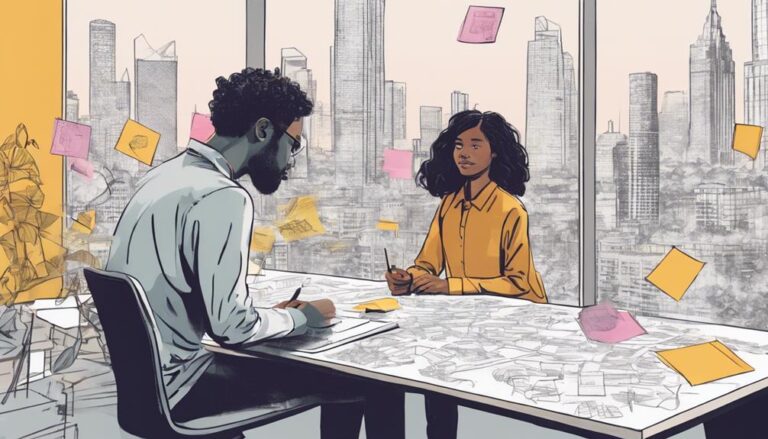
You’re about to discover the secret to making your designs unforgettable, as scientific research reveals that your brain processes visual information a staggering 60,000 times faster than text. Visual storytelling has the power to evoke emotions, create instant connections, and build trust and credibility through well-designed visuals. By harnessing the power of visual storytelling, you can craft compelling narratives that resonate with your audience. As you explore the science behind visual storytelling, you’ll uncover the secrets to creating emotional connections, crafting engaging narratives, and designing for emotional resonance – and that’s just the beginning of your journey to creating unforgettable designs. As you delve deeper into the intricacies of visual storytelling, you’ll come to appreciate the role of imagery in design and how it influences perception and memory. By selecting the right images, colors, and shapes, you can enhance your message and make it more relatable to your audience. Ultimately, understanding and leveraging these visual elements will empower you to elevate your designs, ensuring they leave a lasting impression that transcends mere visuals.
Unlocking the Power of Visuals
By integrating visuals into your design, you can tap into the brain's incredible ability to process visual information 60,000 times faster than text, making your message more engaging and memorable. This is because visuals have the power to evoke emotions, convey complex information, and create an instant connection with your audience. When executed correctly, visuals can become an integral part of your Visual Identity, setting you apart from the competition and making your brand instantly recognizable.
To achieve Aesthetic Harmony, it's crucial to contemplate the visual elements that make up your design. This involves the thoughtful selection of colors, typography, and imagery that work together in harmony to convey your message. By doing so, you'll create a cohesive visual language that resonates with your audience and reinforces your brand's personality. A well-designed visual identity not only makes your content more engaging but also helps to build trust and credibility with your audience.
When you effectively harness the power of visuals, you'll be able to communicate complex ideas more efficiently, making your message more accessible and memorable. By incorporating visuals into your design, you'll be able to tap into the brain's incredible ability to process visual information, making your message more engaging, memorable, and effective.
The Science Behind Visual Storytelling
As you explore the world of visual storytelling, you'll discover that your brain is wired to respond to visual cues, processing images 36,000 times faster than text and releasing dopamine when you encounter aesthetically pleasing visuals. This instant gratification is rooted in brain chemistry, where visual stimuli trigger a release of endorphins, making you more receptive to the message.
| Visual Element | Brain Response | Impact on Storytelling |
|---|---|---|
| High-Contrast Colors | Increased Attention | Grabs attention, guides eye movement |
| Emotional Imagery | Emotional Connection | Triggers human emotions, enhances memory formation |
| Simple Typography | Efficient Processing | Streamlines cognitive load, boosts comprehension |
When you craft visual stories, you're influencing eye movement, attention span, and cognitive biases. By leveraging these factors, you can create an emotional connection with your audience, making your message more relatable and memorable. As you design, consider how your visuals will interact with neural pathways, shaping the viewer's experience and fostering memory formation. By harnessing the science behind visual storytelling, you'll create compelling narratives that resonate with your audience on a deeper level.
Crafting Compelling Narrative Arcs
You construct a narrative arc by layering emotional connections, twists, and turns that propel your audience through a transformative journey. This journey is the backbone of visual storytelling, and it's what keeps your audience invested in your design. A well-crafted narrative arc can elevate your design from mere aesthetics to a deeply engaging experience.
To create a compelling narrative arc, consider the following key elements:
- Character Development: Give your characters depth and relatability to make your audience care about their journey.
- Plot Twists: Introduce unexpected turns of events to keep your audience engaged and curious.
- Hero's Journey: Use the classic storytelling framework to create a narrative that resonates with your audience.
- Storyboarding: Visualize your narrative arc to guarantee a clear and cohesive story.
Emotional Connection Through Imagery
Every image in your visual narrative should evoke a visceral response, transporting your audience to a specific time and place that resonates with their emotions. This emotional connection is vital in visual storytelling, as it allows your audience to invest in your message on a deeper level. One way to achieve this connection is by using authentic images that convey human vulnerability. When your audience sees themselves or their experiences reflected in your imagery, they'll be more likely to engage with your narrative.
To create an emotional connection through imagery, consider the following strategies:
| Strategy | Description |
|---|---|
| Use real people | Incorporate real people in your images to convey authenticity and relatability. |
| Show vulnerability | Capture moments of human vulnerability to create an emotional resonance with your audience. |
| Focus on details | Highlight specific details that evoke emotions, such as a child's laughter or a couple's tender moment. |
| Play with lighting | Utilize lighting to set the mood and atmosphere, creating an emotional response in your audience. |
| Keep it simple | Avoid clutter and focus on the essence of the story, allowing your audience to fill in the gaps. |
The Role of Color in Storytelling
Colors evoke emotions and convey meaning, and when strategically selected, they can elevate your visual narrative, influencing how your audience interprets and responds to your message. As a designer, you have the power to choose colors that resonate with your audience and align with your brand's personality.
When it comes to color selection, understanding Color Psychology is essential. Different colors can evoke different emotions, from calmness to energy. For instance, blue is often associated with trust and reliability, while red is linked to excitement and passion. By selecting colors that align with your brand's message and values, you can create a strong Brand Identity that resonates with your audience.
Here are 4 key considerations to keep in mind when selecting colors for your visual narrative:
- Brand Recognition: Choose colors that are consistent with your brand's identity to build recognition and trust with your audience.
- Emotional Connection: Select colors that evoke the emotions you want your audience to feel, such as calmness or excitement.
- Contrast and Legibility: Make sure that your colors have sufficient contrast to make your message readable and accessible to your audience.
- Cultural Associations: Be mindful of cultural associations with different colors, as they can vary across different regions and communities.
Typography as a Storytelling Tool
Harness the power of typography to convey tone, personality, and emotion, as the right font choices can transform your message from mere words to a compelling narrative. You have the ability to craft a visual voice that resonates with your audience, evoking emotions and creating a lasting impression. This is where Font Psychology comes into play, as different fonts can evoke distinct emotions and associations in your viewers.
Your Typographic Voice is a vital element in Character Development, allowing you to build a connection with your audience and create a sense of authenticity. By selecting fonts that align with your message, you can create a cohesive visual language that communicates your story effectively. Letterform Emotions play a significant role in this process, as the shapes and curves of letters can evoke feelings of joy, serenity, or even excitement.
As you Word Sculpt, carefully selecting each font to convey a specific tone, you're not just arranging words on a page – you're crafting an immersive experience. By doing so, you're developing a visual narrative that engages your audience and leaves a lasting impression. By mastering the art of typography, you'll be able to convey complex emotions and ideas with precision, elevating your design to a new level of storytelling sophistication.
The Impact of Visual Hierarchy
You deliberately guide your audience's attention through your design by establishing a clear visual hierarchy, which allows you to emphasize key messages, create flow, and ultimately, build a narrative that resonates. A well-crafted visual hierarchy is essential to effective visual storytelling, as it helps you communicate your message efficiently and engagingly.
To achieve this, consider the following key principles:
- Visual Weight: Balance the visual weight of different elements to create harmony and draw attention to key areas.
- Hierarchy Principles: Apply principles such as size, color, and position to create a clear order of importance.
- Design Balance: Balance contrasting elements to create visual interest and stability.
- Visual Flow: Guide the viewer's eye through your design using visual flow, creating a sense of movement and direction.
Storytelling in Motion Graphics
As you explore storytelling in motion graphics, you'll find that it's all about crafting an emotional connection with your audience. You'll use strategies like dynamic typography, vibrant color palettes, and kinetic textures to evoke feelings and create a lasting impact. By mastering these techniques, you'll be able to weave compelling visual narratives that leave a lasting impression on your viewers.
Emotional Connection Strategies
By incorporating emotional connection strategies into motion graphics, designers can craft compelling narratives that resonate with their audience on a deeper level. You can create an emotional connection with your audience by using storytelling techniques that evoke feelings and empathy. This is especially important in motion graphics, where the goal is to engage and persuade the viewer.
To create an emotional connection, consider the following strategies:
- Empathy Building: Use relatable characters and scenarios to create a sense of empathy with your audience.
- Cultural Nuances: Incorporate cultural references and nuances that resonate with your target audience.
- Personal Experiences: Share personal stories and experiences that evoke emotions and create a connection.
- Universal Themes: Tap into universal themes and emotions that transcend cultures and demographics.
Captivating Visual Narratives
In motion graphics, crafting engaging visual narratives requires a thoughtful balance of visual elements, pacing, and storytelling techniques that work in harmony to convey your message. As you create your motion graphic, you're not just animating shapes and colors, you're crafting a visual identity that resonates with your audience. To achieve this, you need to infuse your narrative with cultural relevance, making it relatable and authentic. Personal symbolism can also play an essential role in making your message more impactful. Make sure that your visual elements, from typography to color palette, are in aesthetic harmony, creating a cohesive and engaging visual language. A rhythmic flow of scenes and shifts will keep your audience engaged, while emotional authenticity will make your message memorable. By mastering these elements, you'll create a compelling visual narrative that resonates with your audience and leaves a lasting impression.
The Art of Visual Metaphor
As you explore the art of visual metaphor, you'll discover how hidden meanings can be revealed through clever design choices. By incorporating symbolism, you'll create an emotional connection with your audience that transcends literal interpretation. By mastering this subtle yet powerful technique, you'll access a deeper level of storytelling in your designs.
Hidden Meaning Revealed
You uncover the subtle nuances of visual communication when you explore visual metaphors, which convey complex ideas and emotions through clever comparisons. As you investigate further, you'll discover that visual metaphors are more than just clever comparisons – they're a gateway to hidden meanings and layered symbolism.
Here are some ways to uncover the hidden meaning in visual metaphors:
- Look for cultural codes: Are there any cultural references or allusions that might be specific to a particular region or group?
- Decode symbolic language: What symbols or icons are used, and what do they represent in different contexts?
- Identify archetypal themes: Are there any universal themes or motifs that resonate across cultures and time?
- Explore subtext and unconscious biases: What underlying emotions or biases might be influencing the message or narrative?
Symbolism in Design
Symbolism in design leverages the art of visual metaphor to convey complex ideas and emotions, allowing designers to tap into the viewer's subconscious mind and evoke powerful reactions. As you incorporate symbolism into your design, you're able to convey nuanced messages that resonate with your audience on a deeper level. Cultural icons, for instance, can be used to evoke a sense of shared understanding and community. Personal allegories, on the other hand, allow you to tap into individual experiences and emotions. Archetypal imagery can evoke universal themes and emotions, while abstract emblems can add an air of mystery and intrigue. Historical allusions can also be used to tap into collective memory and cultural heritage. By incorporating these symbolic elements, you can create designs that are rich in meaning and depth, inviting viewers to engage with your message on a deeper level. By mastering the art of visual metaphor, you can create designs that are both aesthetically pleasing and intellectually stimulating.
Emotional Connection Made
Mastering the art of visual metaphor allows you to forge an emotional connection with your audience, transcending linguistic and cultural barriers to tap into their deepest feelings and desires. By leveraging the power of visual storytelling, you can create a sense of empathy with your audience, making them more invested in your message.
To achieve this emotional connection, consider the following strategies:
- Use relatable imagery: Incorporate visuals that resonate with your audience's experiences and emotions, making your message more relatable and personal.
- Tap into nostalgia: Use visual metaphors that evoke a sense of nostalgia, tapping into your audience's fond memories and emotions.
- Make it personal: Employ personalization strategies to tailor your visual storytelling to your audience's individual needs and interests.
- Keep it authentic: Ensure that your visual metaphors are genuine and authentic, avoiding clichés and overused tropes that can come across as insincere.
Designing for Emotional Resonance
By incorporating emotional connections into your designs, you can craft a narrative that resonates deeply with your audience. When you design with emotional resonance in mind, you're not just creating a visual; you're creating an experience that evokes feelings and fosters a human connection. To achieve this, it's essential to take into account cultural sensitivity, ensuring that your design is inclusive and respectful of diverse backgrounds.
Personal associations play a significant role in emotional resonance. You can tap into these associations by using imagery, colors, and typography that evoke emotions and create a sense of familiarity. Emotional triggers, such as nostalgia or excitement, can be powerful tools in your design arsenal. By incorporating these elements thoughtfully, you can create a sensitive storytelling approach that resonates with your audience.
Empathetic design is key to designing for emotional resonance. It's about understanding your audience's needs, desires, and pain points, and creating a design that acknowledges and addresses them. When you design with empathy, you create a sense of understanding and connection with your audience. By doing so, you can craft a narrative that resonates deeply, leaving a lasting impression on those who experience your design.
Frequently Asked Questions
Can I Use Too Many Colors in My Visual Storytelling?
Imagine a painter's palette overflowing with colors, each one vying for attention. You're wondering, can you use too many colors in your visual storytelling? The short answer is, yes. Too many colors can be overwhelming, like a Jackson Pollock painting gone wrong. Color Psychology teaches us that specific hues evoke emotions, but too many can dilute your message. Stick to a few core colors that align with your brand's personality, ensuring Brand Consistency and a cohesive visual narrative.
How Do I Measure the Success of a Visual Storytelling Campaign?
You're wondering how to measure the success of a visual storytelling campaign. Start by tracking campaign metrics like engagement rates, click-throughs, and conversions. But don't stop there! Assess the story's impact by gathering feedback, conducting surveys, or analyzing social media conversations. This will give you a detailed view of how your campaign resonates with your audience.
Are There Any Cultural Differences in Visual Storytelling Techniques?
You're about to enter a world where a single image can mean vastly different things to people from different cultures! Yes, cultural differences in visual storytelling techniques are an important deal. Think about it, a symbol revered in one culture might be taboo in another. Cultural iconography and regional symbolism are vital to keep in mind. For instance, while a dragon represents good luck in China, it's a feared creature in Europe. Don't risk offending your global audience; take the time to understand these differences.
Can I Use Visual Storytelling for B2B Marketing and Sales?
You're wondering if visual storytelling can boost your B2B marketing and sales efforts. The answer is yes! By crafting buyer personas, you can tailor your visual narrative to resonate with your target audience. Create sales narratives that speak directly to their pain points, and watch your conversion rates soar. Visual storytelling helps you connect with your audience on a deeper level, making your brand more relatable and memorable.
What Are the Best Tools for Creating Motion Graphics for Storytelling?
You're on the verge of discovering the key to enchanting motion graphics! For crafting mesmerizing motion design and graphic animation, you'll want to become acquainted with industry favorites like Adobe After Effects, Blender, and Cinema 4D. These powerful tools will assist you in crafting a visual narrative that leaves a lasting impact. With practice, you'll be creating compelling stories that resonate with your audience.