Balancing aesthetic appeal and cost-efficiency is essential for effective design. Start by selecting high-quality materials that improve visual impact without exceeding budget constraints. Evaluate lifecycle costs to understand long-term value, ensuring that current expenses are justified by future savings. Prioritize creative design solutions that embrace innovation and sustainability, which can often lead to both beauty and cost savings. Engage stakeholders for collaborative input, improving user experience during expense management. When approached strategically, aesthetic and economical elements can coexist harmoniously, driving both satisfaction and practicality. Continuing this exploration reveals additional strategies for achieving this balance effectively.
Understanding Aesthetic Appeal
Aesthetic appeal captivates the senses and evokes emotions, making it a critical component in design across various fields, from architecture to product development. Comprehending aesthetic appeal involves delving into the intricacies of visual perception and its profound emotional impact on the audience. Designers must consider how elements such as color, form, texture, and proportion work together to create an engaging experience that resonates with users.
Visual perception is not merely about how things look; it's about how they are interpreted and felt. Innovative design transcends mere functionality, aiming to forge a connection with users by appealing to their sensibilities. This emotional bond can greatly influence consumer behavior, leading to brand loyalty and heightened user satisfaction. Consequently, the emotional impact of a well-executed design can be transformative, nurturing a sense of belonging or aspiration.
Incorporating aesthetic appeal into design strategies requires a careful balance between creativity and practicality. Designers must remain attuned to the target audience's preferences and cultural nuances, ensuring that the visual elements align with the intended message. This alignment not only improves user experience but also drives engagement and interaction.
Ultimately, comprehending aesthetic appeal is paramount for innovators seeking to differentiate their offerings in a competitive environment. By prioritizing visual perception and emotional impact, designers can create compelling, user-centered solutions that enhance the overall experience and nurture a lasting connection with their audience.
Evaluating Cost-Efficiency
Designers must furthermore weigh the financial implications of their choices in conjunction with the emotional and visual aspects of their work. Evaluating cost-efficiency is paramount in ensuring that design projects not only captivate but likewise remain sustainable. This requires a robust cost analysis, which serves as the backbone for informed decision-making. By comprehending the financial environment, designers can strategically align their creative visions with economic realities.
To facilitate this evaluation, consider the following key components:
- Material Selection: Assess the cost versus aesthetic value of materials. Opting for sustainable, innovative materials can improve both aesthetic appeal and long-term cost savings.
- Labor Costs: Analyze the labor involved in bringing a design to life. A skilled workforce may command higher upfront costs but can lead to more efficient execution and reduced errors, in the end saving money.
- Lifecycle Costs: Conduct a value assessment that considers the total cost of ownership over the lifespan of a design. This includes maintenance, durability, and potential for adaptability, ensuring that initial investments yield lasting benefits.
Setting a Realistic Budget
Even though creativity often drives the design process, establishing a realistic budget is vital to guarantee that projects remain feasible and successful. A well-defined budget serves as a framework within which innovative ideas can thrive without succumbing to financial pitfalls. By acknowledging budget constraints early in the planning phase, designers can align their aspirations with the project's financial realities, ensuring that creativity is not hindered by cost overruns.
To set a realistic budget, it is important to conduct comprehensive expense tracking from the outset. This involves carefully documenting all potential costs associated with materials, labor, and unforeseen expenses. By creating a detailed budget breakdown, designers can identify areas where they can maximize value while remaining within financial limits. This proactive approach not only aids in avoiding unexpected costs but similarly encourages transparent communication among stakeholders, nurturing a collaborative atmosphere that drives innovation.
Furthermore, designers should consider the lifecycle costs of materials and their long-term impact on the project's overall budget. Investing in higher-quality materials may initially seem cost-prohibitive, but the longevity and reduced maintenance can yield significant savings in the long run. Balancing aesthetic appeal with cost-efficiency requires a strategic mindset that embraces innovation while remaining firmly grounded in financial sustainability. By setting a realistic budget and maintaining diligent expense tracking, designers can create stunning, functional spaces that resonate with clients and stand the test of time.
Prioritizing Quality Over Quantity
When approaching any project, prioritizing quality over quantity can lead to more impactful and sustainable outcomes. In a setting where rapid production often overshadows craftsmanship, the focus on quality materials guarantees that your investments yield long-lasting results. This approach not only improves the aesthetic appeal of your project but also nurtures innovation and resilience in design.
To effectively prioritize quality, consider the following three strategies:
- Invest in Quality Materials: Selecting superior materials is fundamental for durability and visual impact. High-quality components often outperform their lower-cost counterparts, resulting in fewer replacements and repairs over time.
- Emphasize Craftsmanship: Collaborating with skilled artisans or professionals dedicated to their craft can raise the standard of your project. Their expertise in utilizing quality materials guarantees that every element is executed with precision, leading to a finished product that is both functional and beautiful.
- Focus on Long-Term Value: When evaluating options, think beyond immediate costs. Quality investments may require a higher initial outlay but can provide significant savings through reduced maintenance and replacement needs. This long-term perspective is vital in achieving a balance between aesthetic appeal and cost-efficiency.
Creative Design Solutions
How can innovative design strategies improve both functionality and aesthetics? The integration of creative design solutions is crucial in achieving a balance between visual appeal and cost-efficiency. By embracing innovative materials and minimalist approaches, designers can craft environments that are not just striking but also practical.
Innovative materials, such as biocomposites and recycled elements, offer sustainable options that elevate the visual integrity of a project during reducing costs. These materials often provide unique textures and finishes, allowing for greater creativity in design without compromising on durability. Utilizing such resources encourages a departure from traditional materials, leading to distinctive aesthetic outcomes that resonate with modern sensibilities.
Minimalist approaches further complement this vision by promoting simplicity and clarity in design. By focusing on fundamental elements and eliminating superfluous details, designers can create spaces that feel open and inviting. This philosophy not only streamlines the design process but also helps to allocate resources more effectively, ensuring that every aspect of the project serves a purpose.
Moreover, the application of innovative design strategies nurtures a sense of harmony between form and function. Thoughtful spatial arrangements and the use of light can transform ordinary spaces into extraordinary experiences. In the end, the combination of innovative materials and minimalist approaches enables designers to produce environments that are visually enchanting and economically viable, setting the stage for a future where aesthetic appeal and cost efficiency coexist seamlessly.
Case Studies and Examples
Examining successful case studies reveals the practical application of innovative design strategies that balance aesthetic appeal and cost-efficiency. These examples underscore how carefully considered design can lead to remarkable outcomes without compromising financial viability. Here are three notable case studies that exemplify this balance:
- The High Line, New York City: This urban park transformed an abandoned railway into a lively green space. Innovative landscaping and design strategies not only revitalized the area but also attracted tourism, greatly boosting local businesses during the development process while keeping costs manageable.
- IKEA's Flat-Pack Furniture: By employing a minimalist design strategy, IKEA has created aesthetically pleasing and functional products that are cost-effective to manufacture and transport. This approach minimizes waste and maximizes efficiency, allowing the company to offer stylish furniture at competitive prices.
- The Bullitt Center, Seattle: As one of the greenest commercial buildings in the world, the Bullitt Center employs sustainable design strategies that prioritize energy efficiency and aesthetic value. Through the use of innovative materials and construction techniques, the building achieves long-term cost savings while providing a visually striking addition to the urban environment.
These case studies illustrate that the intersection of aesthetic appeal and cost-efficiency is not merely a theoretical concept but a practical reality. By applying similar design strategies, businesses and organizations can create environments that are both beautiful and economically sustainable.
Frequently Asked Questions
How Do Trends Affect Aesthetic Appeal and Cost-Efficiency?
Trends considerably influence both aesthetic appeal and cost-efficiency, as they dictate consumer preferences and market demands. Through trend analysis, businesses can identify evolving aesthetics, ensuring their offerings remain relevant and appealing. This aesthetic evolution can lead to innovative design solutions that attract customers during cost-effectiveness. By aligning product development with current trends, organizations can improve their market position and optimize resource allocation, in the end achieving a balance between visual allure and financial prudence.
Can I DIY Projects to Save Costs While Maintaining Aesthetics?
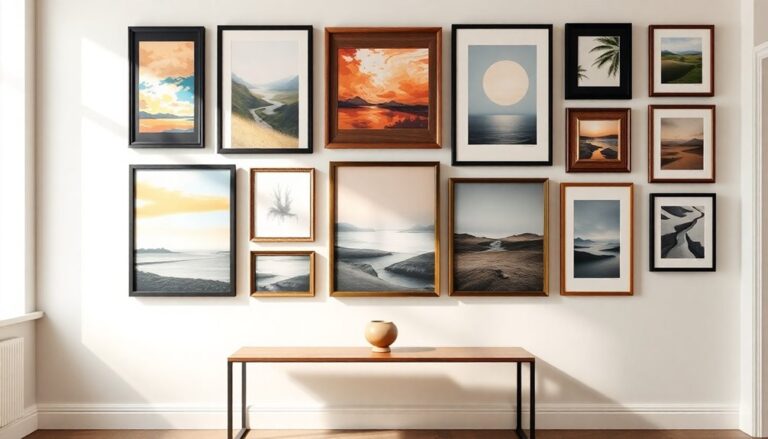
In the spirit of creativity akin to the Renaissance artisans, embracing DIY decor offers an avenue for both budget crafting and aesthetic improvement. By engaging in hands-on projects, individuals can transform their spaces uniquely, all during adhering to financial constraints. Thoughtfully chosen materials and innovative techniques enable the creation of visually appealing elements that resonate with personal style. Therefore, one can achieve a harmonious blend of artistry and affordability, in the end enriching the living environment. Moreover, exploring various mediums and textures can elevate these DIY projects to new heights, allowing for a personalized touch that mass-produced items simply can’t replicate. An integral part of this journey lies in curating wall art effectively, as it serves as a focal point that enhances the overall ambiance of the room. Ultimately, these self-created features not only reflect individual tastes but also foster a sense of pride and accomplishment in one’s living space.
What Materials Are Both Aesthetically Pleasing and Budget-Friendly?
Identifying materials that are both aesthetically pleasing and budget-friendly is crucial for innovative design. Sustainable materials, such as bamboo, reclaimed wood, and recycled metal, offer a unique blend of beauty and functionality. These resources not only improve visual appeal but likewise promote environmental responsibility. Furthermore, incorporating functional design principles guarantees that the chosen materials serve practical purposes, maximizing value during an attractive and contemporary aesthetic in any project.
How Do I Choose Colors That Balance Cost and Aesthetics?
Selecting colors is akin to composing a symphony, where each hue plays an essential note in the overall harmony. Grasping Color Psychology is fundamental; it influences emotions and perceptions. Opt for Color Combinations that not only resonate aesthetically but additionally align with budget constraints. Consider versatile palettes that evoke desired feelings without excessive expenditure. Innovative choices, such as eco-friendly paints, can further improve visual appeal during maintaining cost-effectiveness, creating an inviting ambiance.
Are There Specific Styles That Inherently Balance Cost and Aesthetics?
Certain design styles, such as minimalist design, inherently balance cost and aesthetics effectively. By prioritizing functional elegance, these styles utilize fewer materials and simpler forms to create visually appealing spaces without excessive expenditure. This approach encourages innovation through the efficient use of space and resources, allowing for a clean, sophisticated look that remains budget-friendly. As a result, minimalist design serves as an ideal framework for achieving the desired harmony between visual appeal and financial considerations.