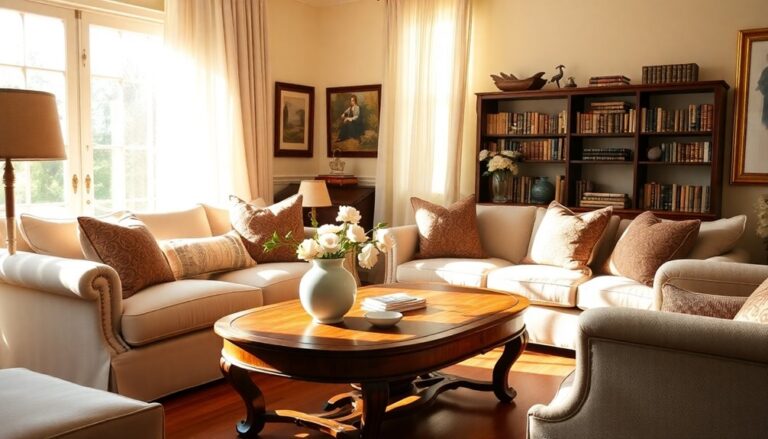
To create timeless designs for everyday products, focus on fundamental principles such as functionality, simplicity, and sustainability. Embrace minimalism to improve user experience by reducing clutter and enhancing clarity. Select high-quality, eco-friendly materials that guarantee durability and minimize environmental impact. Incorporate elements from cultural and historical contexts to promote deeper connections with users. Engaging in user-centric design strategies will help meet consumer needs effectively. By emphasizing these core aspects, designers can produce enduring products that resonate across generations. Discovering more about innovative approaches can further boost your design process and lead to successful outcomes.
Understand Timeless Design Principles
While trends in design may come and go, the principles of timeless design remain steadfast, serving as a foundation for creating products that resonate across generations. At the core of timeless design principles lies a comprehension of design aesthetics, which encompasses the visual appeal and emotional response elicited by a product. This comprehension is vital for designers aiming to create innovative solutions that remain relevant in a fast-paced market.
Key among these principles is the concept of visual harmony, which refers to the balance and unity achieved through thoughtful composition and color selection. When elements of a product are designed to complement each other, they create an overall sense of cohesion that improves user experience. This harmony can be achieved through the careful selection of shapes, lines, and textures, ensuring that each component serves a purpose as it contributes to the collective aesthetic.
Moreover, timeless design transcends fleeting trends by prioritizing simplicity and functionality. A minimalist approach often encourages clarity, allowing the product to communicate its purpose effectively without overwhelming the user. This focus on fundamental forms and features not only aids in visual harmony but also promotes innovation by freeing designers from unnecessary intricacies.
Ultimately, comprehending and applying these timeless design principles empowers creators to develop products that look appealing and endure the test of time, forging a lasting connection with users and paving the way for future innovations. This foundation not only enhances the aesthetic value of a product but also ensures functionality and usability, leading to a more satisfying user experience. As trends evolve and technologies advance, the evolution of product design becomes crucial in maintaining relevance in a competitive market. By integrating user feedback and adapting to cultural shifts, designers can continue to refine their work, creating products that resonate deeply with consumers while pushing the boundaries of creativity and innovation.
Focus on Functionality and Usability
In the domain of timeless design, prioritizing user experience is crucial for creating products that resonate with consumers. Simplifying design elements not just improves functionality but likewise guarantees that usability remains at the forefront. By focusing on these principles, designers can craft everyday products that are both intuitive and enduring.
Prioritize User Experience
User experience serves as the foundation of effective design, particularly in everyday products where functionality and usability are paramount. By prioritizing user experience, designers can create products that not merely meet but exceed consumer expectations, nurturing a sense of loyalty and satisfaction. Comprehending the user pathway is vital; it involves mapping out each interaction a user has with a product, allowing designers to identify pain points and opportunities for improvement.
Incorporating user feedback throughout the design process is critical for innovation. Engaging users in iterative testing provides insights that drive meaningful enhancements, ensuring that the final product resonates with its target audience. This collaborative approach transforms traditional design paradigms, promoting a culture of continuous refinement.
Furthermore, focusing on functionality means that every feature should serve a clear purpose, aligning with user needs rather than overwhelming them with unnecessary complexity. The ultimate goal is to create an intuitive experience that simplifies tasks and uplifts everyday interactions. By prioritizing user experience, designers can develop timeless products that are not only functional and usable but also emotionally engaging, thereby leaving a lasting impact in a competitive market.
Simplify Design Elements
Emphasizing clarity and purpose in design elements is fundamental for enhancing functionality and usability in everyday products. A streamlined approach to design simplifies the user experience, allowing individuals to intuitively interact with products without unnecessary distractions. By focusing on core functionalities, designers can create solutions that resonate with users and stand the test of time.
To achieve this, implementing a strong visual hierarchy is critical. Prioritizing information presentation guides users seamlessly through their interactions, ensuring significant features are easily accessible. This involves using size, contrast, and spacing effectively to draw attention to the most important elements, thereby enhancing usability.
Moreover, achieving design balance is key to creating harmonious products. A well-balanced design not just looks aesthetically pleasing but also promotes user comprehension and engagement. By distributing visual weight thoughtfully, designers can create an inviting atmosphere that encourages exploration alongside maintaining clarity in function.
Ultimately, simplifying design elements leads to innovative solutions that prioritize user needs. In a world saturated with complexity, timeless designs that emphasize functionality and usability will distinguish themselves, creating lasting impressions and nurturing brand loyalty.
Choose Quality Materials
The choice of materials plays a pivotal role in the design and functionality of everyday products. By selecting sustainable options, designers can minimize environmental impact as well as ensuring durability and longevity. This commitment to quality materials not just improves the product's performance but likewise promotes a responsible approach to consumption.
Sustainable Material Options
A growing number of consumers are prioritizing sustainable material options when selecting everyday products, recognizing that quality materials greatly impact both durability and environmental responsibility. The shift in the direction of innovation in design necessitates the incorporation of materials that not just perform well but likewise contribute positively to the planet.
Recycled plastics serve as an excellent choice for various applications, reducing waste and conserving resources. Similarly, organic textiles—free from harmful chemicals—offer a sustainable alternative for clothing and home goods, ensuring a healthier environment. Biodegradable materials further improve the ecological profile of products, breaking down naturally and minimizing landfill impact.
Incorporating eco-friendly finishes can raise the aesthetic appeal while remaining true to sustainable practices. Designers are increasingly utilizing renewable resources, such as bamboo and cork, which regenerate quickly and have a lower ecological footprint. Upcycled components, crafted from discarded materials, not only promote resourcefulness but additionally provide unique character to designs.
Durability and Longevity
In selecting everyday products, prioritizing durability and longevity is vital for both consumer satisfaction and environmental sustainability. The choice of quality materials directly impacts the material properties of a product, influencing its performance, lifespan, and resistance to wear and tear. Innovative designers must consider these factors to create solutions that withstand the rigors of daily use whilst minimizing environmental footprints.
Robust design testing is critical to evaluate how different materials interact under various conditions. This process not only assesses the durability of the product but additionally guarantees that it aligns with consumer expectations for longevity. By utilizing materials with superior properties—such as high tensile strength, resistance to corrosion, and environmental resilience—designers can craft products that remain functional and aesthetically pleasing over time.
Moreover, integrating sustainable materials can improve durability, as many eco-friendly options possess remarkable strength and longevity. This dual focus on durability and sustainability aligns with the increasing consumer demand for responsible products. In the end, selecting quality materials is a foundational step in creating timeless designs that satisfy modern consumers whilst safeguarding the planet for future generations.
Embrace Simplicity and Minimalism
Simplicity and minimalism serve as guiding principles in the design of everyday products, promoting functionality in addition to eliminating unnecessary intricacies. The embrace of minimalist aesthetics allows designers to focus on fundamental elements, improving user experience while nurturing innovation. By adhering to this design philosophy, creators can produce timeless products that resonate with consumers on a deeper level.
To effectively incorporate simplicity and minimalism into product design, consider the following strategies:
- Focus on Functionality: Prioritize the core purpose of the product. Eliminate features that do not improve usability, ensuring that every component serves a specific function.
- Streamlined Shapes and Forms: Utilize clean lines and geometric shapes that evoke a sense of calm and order. This approach not only improves visual appeal but additionally simplifies manufacturing processes.
- Limit Color Palette: Select a restrained color scheme that complements the product's purpose. A limited palette can create a cohesive look, reinforcing the minimalist aesthetic without overwhelming the user.
- Quality Over Quantity: Invest in high-quality materials and craftsmanship that stand the test of time. A well-made product with a minimalist design is more likely to remain relevant and desirable for years to come.
Consider Cultural and Historical Context
Grasping the cultural and historical context of design is vital for creating products that resonate with users on a meaningful level. Designers must engage with the rich fabric of cultural influences that shape societal values and aesthetics, ensuring that their creations are not just innovative but likewise relevant. An awareness of historical significance allows designers to draw inspiration from past movements, techniques, and materials, nurturing a dialogue between tradition and modernity.
When developing everyday products, it is fundamental to recognize how cultural narratives inform user preferences and interactions. For instance, a design that incorporates motifs or techniques from a specific culture can evoke a sense of familiarity and connection, enhancing the user experience. By respecting and celebrating diverse cultural heritages, designers can create products that transcend trends and nurture enduring relationships with their audience.
Furthermore, historical context plays a pivotal role in comprehending what has been successful or unsuccessful in the past. Analyzing previous design paradigms can illuminate the reasons behind their lasting appeal or eventual obsolescence. This insight enables contemporary designers to anticipate user needs and preferences more accurately while avoiding the pitfalls of past mistakes.
In a swiftly evolving market, integrating cultural and historical perspectives will not just enrich the design process but likewise cultivate innovation that is both timeless and contextually aware. In the end, acknowledging these dimensions leads to the creation of products that are not merely functional, but also culturally and historically resonant, ensuring their place in the hearts and homes of users for generations to come.
Prioritize Sustainability in Design
Recognizing the importance of cultural and historical context naturally leads designers to contemplate the broader implications of their work, particularly in relation to sustainability. As the global community becomes increasingly aware of ecological challenges, adopting eco-friendly practices in design is not merely beneficial; it is imperative. Designers must prioritize sustainability not solely as a trend but as a fundamental principle guiding their creative processes.
To achieve this, consider the following strategies:
- Sustainable Sourcing: Select materials that are renewable, recyclable, or biodegradable. By sourcing responsibly, designers can reduce the environmental footprint of their products.
- Longevity and Durability: Create designs that prioritize quality and longevity. Timeless products that withstand the test of time reduce the need for frequent replacements, thereby minimizing waste.
- Modular Design: Implement modular components that allow for easy repair, replacement, or upgrading. This not only extends the lifespan of the product but encourages consumers to engage in sustainable consumption.
- Recycling and Upcycling: Incorporate recycled materials in new designs and promote upcycling initiatives. By transforming waste into valuable products, designers can contribute to a circular economy.
Incorporating these principles into design not only boosts innovation but aligns with the values of a conscientious consumer base. By prioritizing sustainability, designers can create timeless products that resonate with contemporary needs whilst preserving the integrity of our planet for future generations.
Frequently Asked Questions
How Do I Know if a Design Is Truly Timeless?
Determining whether a design is truly timeless involves evaluating its adherence to fundamental design principles and its ability to resonate across generations. An effective design evokes emotion, nurtures connection, and maintains aesthetic balance. By prioritizing functionality as it embraces innovation, timeless designs remain relevant amidst changing trends. Evaluate the design's versatility, its capacity to inspire, and its integration of enduring elements, ensuring it stands the test of time as it enchants future audiences.
Can I Mix Different Design Styles and Still Achieve Timelessness?
Mixing different design styles can certainly result in timelessness, provided that the elements are combined with intentionality. Achieving eclectic harmony is paramount; this involves ensuring that contrasting styles complement each other rather than clash. By focusing on balanced aesthetics, designers can create a cohesive visual language that resonates across time. Embracing innovation as well as honoring traditional principles allows for a unique expression that remains relevant, making the design both contemporary and enduring.
What Role Do Trends Play in Timeless Design?
Trends greatly influence timeless design, particularly through trend evolution. Designers utilize current trends to inform their work during ensuring design longevity by prioritizing enduring principles such as functionality and simplicity. By integrating contemporary elements thoughtfully, designers can create products that resonate with the present yet withstand the test of time. Therefore, recognizing the balance between trend adaptation and timelessness is essential for nurturing innovation and aesthetic relevance in design.
How Can I Test My Designs With Potential Users?
To navigate the maze of design, engaging potential users becomes paramount. Employ user surveys to gather insights, akin to the oracle's wisdom in ancient times. This feedback illuminates the path forward, revealing preferences and potential pitfalls. Conducting focus groups can further improve comprehension, allowing for nuanced discussions that promote innovation. In the end, integrating user feedback not just refines the design but likewise aligns it with real-world needs, ensuring relevance in a constantly changing environment.
Are There Specific Colors That Are Considered Timeless in Design?
Timeless design often incorporates neutral colors, which provide a versatile and enduring foundation. Classic palettes, such as whites, greys, beiges, and muted tones, evoke a sense of elegance and sophistication that transcends fleeting trends. These colors allow for innovative variations during maintaining a consistent aesthetic appeal. By prioritizing these timeless hues, designers can create products that resonate with a wide audience, ensuring longevity and relevance in a constantly changing market.