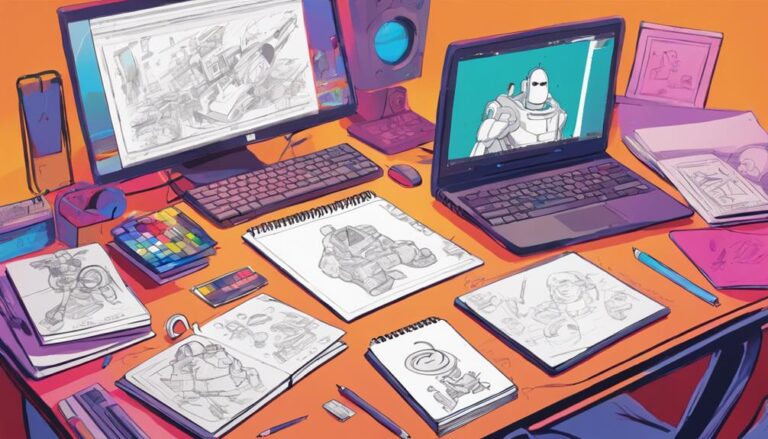
Industrial design is a field that seamlessly blends art and engineering to create products that are not only functional but also aesthetically pleasing. Over the years, the principles and priorities of industrial design have evolved significantly, reflecting changes in technology, consumer preferences, and global environmental concerns. This article delves into the history, current trends, and future directions of industrial design, with a special focus on the role of sustainability and the importance of efficient junk removal in modern design practices.
The Historical Context of Industrial Design
The Birth of Industrial Design
Industrial design as a formal discipline emerged during the Industrial Revolution in the late 19th and early 20th centuries. This period was characterized by rapid technological advancements and mass production, which necessitated a new approach to designing products. Early industrial designers, such as Christopher Dresser and Henry van de Velde, began to emphasize the importance of form and function, moving away from the purely decorative arts. Their efforts laid the foundation for a more systematic approach to product development, where aesthetics and usability became paramount considerations. As the field evolved, it adapted to the changing needs of society and advances in technology, leading to the emergence of innovative materials and processes. Today, industrial design in the 21st century not only focuses on creating functional products but also incorporates sustainability and user experience, reflecting a more holistic understanding of design’s impact on everyday life.
The Bauhaus Influence
The Bauhaus school, founded in Germany in 1919, had a profound impact on industrial design. The Bauhaus philosophy emphasized the unity of art, craft, and technology. Designers like Walter Gropius and Ludwig Mies van der Rohe championed simplicity, functionality, and the use of modern materials such as steel, glass, and concrete. This minimalist approach laid the groundwork for the development of modern industrial design.
Post-War Prosperity and Consumerism
The post-World War II era saw a boom in consumer goods and a shift towards a design-driven economy. Designers like Charles and Ray Eames, Dieter Rams, and Raymond Loewy became household names, creating iconic products that combined functionality with sleek, modern aesthetics. This period also saw the rise of branding and marketing, with design playing a crucial role in differentiating products in an increasingly competitive market.
Modern Trends in Industrial Design
User-Centered Design
In recent years, industrial design has become increasingly user-centered. This approach prioritizes the needs and preferences of the end-user, leading to products that are more intuitive and user-friendly. Techniques such as user research, usability testing, and ergonomic analysis are now standard practices in the design process.
Sustainable Design
Sustainability has become a key concern in industrial design. Designers are now focusing on creating products that minimize environmental impact throughout their lifecycle, from material sourcing and manufacturing to disposal and recycling. This shift is driven by growing awareness of environmental issues and consumer demand for eco-friendly products.
Integration of Technology
The integration of advanced technologies such as artificial intelligence, the Internet of Things (IoT), and 3D printing is transforming industrial design. These technologies enable designers to create smarter, more connected products that offer enhanced functionality and customization options. For example, IoT-enabled devices can collect and analyze data to optimize performance, while 3D printing allows for rapid prototyping and on-demand manufacturing.
Aesthetic and Emotional Appeal
While functionality remains paramount, the aesthetic and emotional appeal of products is also crucial. Designers are exploring new materials, colors, and forms to create visually striking and emotionally resonant products. This trend reflects a broader cultural shift towards personalization and self-expression, with consumers seeking products that reflect their individual tastes and values.
The Role of Junk Removal in Industrial Design
Waste Reduction in Design
Efficient junk removal and waste reduction are critical aspects of sustainable industrial design. According to a local daphne dumpster rental company, designers are increasingly adopting strategies to minimize waste throughout the product lifecycle. This includes using recyclable or biodegradable materials, designing for disassembly, and implementing modular design principles that allow for easy repair and upgrading.
The Circular Economy
The concept of the circular economy is gaining traction in industrial design. Unlike the traditional linear economy, which follows a “take-make-dispose” model, the circular economy aims to keep products and materials in use for as long as possible. This involves designing products that can be easily repaired, refurbished, or recycled, thereby reducing the need for junk removal and minimizing environmental impact.
Case Study: Electronic Waste
Electronic waste, or e-waste, is a significant challenge in the context of junk removal. Rapid technological advancements and the short lifespan of electronic devices contribute to a growing volume of e-waste, which poses environmental and health risks. Industrial designers are addressing this issue by creating products that are easier to repair, upgrade, and recycle. Companies like Fairphone are leading the way with modular smartphones that allow users to replace individual components rather than discarding the entire device.
Junk Removal Services and Industrial Design
Effective junk removal services play a vital role in supporting sustainable industrial design. These services ensure that products at the end of their lifecycle are properly disposed of or recycled. Collaboration between designers and junk removal companies can lead to the development of better recycling technologies and processes, further enhancing sustainability efforts. For instance, innovative recycling programs can reclaim valuable materials from discarded products, reducing the need for virgin resources.
Future Directions in Industrial Design
Biophilic Design
Biophilic design, which seeks to connect people with nature, is an emerging trend in industrial design. This approach incorporates natural elements, such as plants and natural materials, into product design to enhance well-being and reduce stress. Biophilic design principles can also promote sustainability by encouraging the use of renewable resources and reducing reliance on synthetic materials.
Customization and Personalization
Advances in manufacturing technologies, such as 3D printing and digital fabrication, are enabling greater customization and personalization in industrial design. Consumers can now have products tailored to their specific needs and preferences, from custom-fit clothing and footwear to bespoke furniture and home decor. This trend towards personalization also aligns with sustainable design principles by reducing overproduction and waste.
Smart and Connected Products
The proliferation of smart and connected products is set to continue, driven by advancements in IoT, AI, and machine learning. These technologies allow products to communicate with each other and with users, offering enhanced functionality and convenience. For example, smart home devices can optimize energy usage, while wearable fitness trackers can provide personalized health insights. As these technologies evolve, industrial designers will need to consider new challenges, such as data privacy and cybersecurity.
The Role of Virtual and Augmented Reality
Virtual reality (VR) and augmented reality (AR) are transforming the way industrial designers work. These technologies enable designers to create and test products in virtual environments, speeding up the design process and reducing the need for physical prototypes. VR and AR also offer new opportunities for user interaction and feedback, allowing designers to refine their products based on real-time user experiences.
Ethical and Inclusive Design
As industrial design evolves, there is a growing emphasis on ethical and inclusive design. Designers are increasingly aware of their responsibility to create products that are accessible to all users, regardless of age, ability, or socioeconomic status. This includes designing for universal accessibility, considering the social and environmental impact of products, and promoting diversity and inclusion within the design industry.
Industrial design is a dynamic and ever-evolving field that plays a crucial role in shaping the products and experiences of our everyday lives. From its origins in the Industrial Revolution to the present day, industrial design has continually adapted to changing technologies, consumer preferences, and global challenges. Today, the focus on sustainability and efficient junk removal is driving innovation and pushing the boundaries of what is possible in design.
As we look to the future, industrial designers will continue to face new challenges and opportunities. Advances in technology, shifting cultural values, and pressing environmental concerns will shape the direction of industrial design. By embracing sustainable practices, leveraging new technologies, and prioritizing user-centered design, industrial designers can create products that not only meet the needs of consumers but also contribute to a more sustainable and equitable world.
Incorporating efficient junk removal practices and promoting the circular economy will be essential in achieving these goals. Through collaboration and innovation, the industrial design community can lead the way in creating a more sustainable future, where products are designed to last, materials are reused, and waste is minimized. This holistic approach to design will ensure that the products of tomorrow are not only beautiful and functional but also responsible and sustainable.