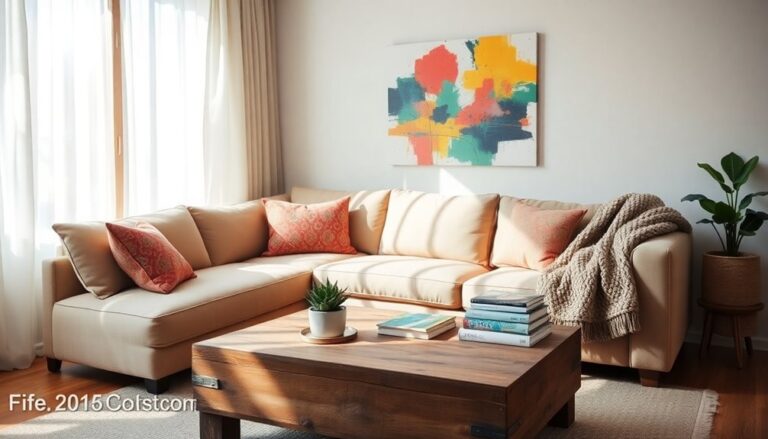
The influence of texture in improving product experience lies in its ability to shape consumer perceptions and nurture emotional connections. Tactile interactions affect user satisfaction and can evoke specific feelings, such as comfort or prestige, which bolster brand loyalty. Unique textures contribute to product differentiation, making brand narratives more impactful. Furthermore, texture-driven design strategies create memorable user experiences by integrating sensory elements that engage consumers on multiple levels. As brands increasingly prioritize textured interactions, comprehending their profound impact on consumer behavior becomes vital for innovation. Discover how the future of textural innovation is poised to reshape industries and expectations.
Understanding Texture's Role
In today's competitive market, awareness of texture's role in product experience can considerably influence consumer perception and engagement. As brands endeavor for differentiation, the tactile attributes of their offerings emerge as fundamental elements in shaping user interactions. Texture classification methods provide a framework for grasping the diverse sensory dimensions that textures can embody, ranging from smooth and rough to flexible and rigid. This classification assists designers and marketers in aligning product attributes with targeted consumer experiences.
Tactile sensory perception plays an important role in how consumers interact with products, influencing their preferences and decisions. Research indicates that textures can evoke specific responses, impacting both the initial attraction and the overall satisfaction derived from a product. For instance, a soft, velvety texture may evoke feelings of comfort and luxury, while a sleek, polished surface might convey modernity and sophistication.
Grasping these dynamics allows innovators to sculpt products that resonate on a deeper level with their audience. By leveraging advanced texture classification methods, brands can create tactile experiences that improve usability and emotional connection. Moreover, the implications extend beyond mere aesthetics; effective texture integration can enhance functionality, such as grip or comfort, thereby enriching the overall product experience. To sum up, a sophisticated awareness of texture's role is vital for any brand aiming to captivate an increasingly discerning consumer base in a swiftly evolving marketplace.
Emotional Responses to Touch
Comprehending the role of texture extends seamlessly into examining the emotional responses elicited by touch. The tactile experience is not merely a physical interaction; it is a profound conduit for emotional engagement. Products that evoke sensory nostalgia through their texture can markedly improve consumer connections, leading to memorable experiences that resonate deeply with users.
The emotional responses to touch can be categorized into several key areas:
- Tactile Memory: Familiar textures can trigger vivid memories, allowing consumers to recall past experiences associated with similar sensations. This connection can nurture brand loyalty and repeat engagement.
- Comfort and Security: Soft, warm textures often evoke feelings of safety, mirroring the comfort of childhood objects, such as stuffed animals or cozy blankets. This emotional response can influence purchasing decisions.
- Excitement and Novelty: Innovative textures can stimulate curiosity and excitement. Unique surfaces can improve the allure of a product, making it stand out in a competitive market.
- Aesthetic Appreciation: Textures contribute to the overall beauty of a product. The emotional response elicited by visually pleasing textures can improve satisfaction and raise the perception of quality.
Texture and Brand Perception
The interplay between texture and brand perception greatly influences consumer behavior and decision-making. In an increasingly competitive marketplace, brands must leverage texture perception not just to differentiate their products but also to create memorable experiences that resonate with consumers. Tactile branding emerges as a significant tool, allowing brands to communicate their identity and values through the sensory experience of touch.
Texture perception is integral to how consumers interpret product quality and brand authenticity. For instance, a luxurious feel can evoke feelings of prestige and desirability, whereas a rough texture may suggest durability and ruggedness. This sensory feedback shapes consumer expectations and emotional connections to a brand, finally impacting purchase intent and loyalty.
Innovative brands recognize that tactile experiences extend beyond the physical product; they encompass packaging, point-of-sale displays, and even digital interfaces. By thoughtfully integrating texture into their branding strategies, companies can evoke specific emotions and narratives that align with their target audience's aspirations. For example, a sustainable brand may utilize recycled materials that convey a raw, natural texture, reinforcing their commitment to environmental consciousness.
Moreover, as consumers become more attuned to the multisensory environment, brands that prioritize tactile engagement can cultivate deeper connections. In a world where visual and auditory stimuli dominate, the strategic use of texture offers an opportunity to stand out and create lasting impressions. Finally, the thoughtful integration of texture into branding not just elevates perceived value but also nurtures deeper and more meaningful consumer relationships.
Enhancing User Experience
The significance of tactile interaction in product design cannot be overstated, as it directly influences user satisfaction and engagement. By implementing sensory engagement strategies, brands can create memorable experiences that resonate with consumers on a deeper level. This exploration of texture not just improves usability but likewise encourages emotional connections between users and products.
Tactile Interaction Importance
Tactile interaction plays a crucial role in enhancing user experience, as it engages the sense of touch to create a more immersive and intuitive connection with products. The integration of tactile feedback into design not merely promotes user engagement but additionally strengthens sensory memory, allowing users to recall interactions more vividly. This connection can greatly influence product satisfaction and loyalty.
Key aspects of tactile interaction include:
- Enhanced Engagement: Tactile feedback captivates users, making them feel more involved with the product.
- Improved Learning: Users often retain information better through tactile experiences, as physical interactions reinforce memory.
- Emotional Connection: The sense of touch can evoke emotions, influencing the overall perception of a brand or product.
- Accessibility: Tactile features can make products more accessible, catering to users with varying abilities and preferences.
Sensory Engagement Strategies
A thorough approach to sensory engagement can greatly improve user experience by appealing to multiple senses simultaneously. By leveraging sensory storytelling and tactile immersion, product designers can create memorable experiences that resonate deeply with users. These strategies not merely enhance emotional connection but additionally encourage prolonged interaction with the product.
| Sensory Strategy | Description | Example |
|---|---|---|
| Visual Stimuli | Use of colors and shapes to captivate | Lively packaging that attracts attention |
| Tactile Elements | Textures that invite touch | Soft-touch finishes on mobile devices |
| Auditory Cues | Sounds that enhance emotional response | Subtle clicks and sounds in user interfaces |
| Olfactory Triggers | Scents that evoke memories and feelings | Scented packaging that reminds users of pleasant experiences |
Incorporating these sensory elements allows brands to forge a deeper connection with their audience. By engaging users' senses, companies can transform ordinary interactions into extraordinary experiences, thereby nurturing loyalty and encouraging advocacy. This innovative approach to design eventually raises the product experience and positions brands as leaders in their respective markets.
Texture in Product Design
Texture plays a vital role in product design, serving as a key tactile element that influences user interaction. The physical sensations evoked by various textures can elicit strong emotional responses, impacting overall user satisfaction and brand perception. Comprehending these dynamics is fundamental for designers aiming to create products that resonate deeply with consumers.
Tactile Elements in Design
When designing products, the choice of surface finish can greatly influence user perception and interaction. Tactile elements play a significant role in delivering tactile feedback, which not only improves usability but also shapes the overall experience. By carefully considering texture variation, designers can create products that resonate more deeply with users.
Here are four key considerations for integrating tactile elements in design:
- Functional Surfaces: Utilize textures that improve grip and control, boosting the performance of tools and devices.
- Aesthetic Appeal: Opt for textures that evoke visual interest while remaining functional, thereby elevating the product's overall aesthetic.
- User Comfort: Implement softer textures in areas of prolonged contact to guarantee comfort and reduce fatigue during use.
- Brand Identity: Leverage unique tactile finishes to communicate brand values and differentiate products in a competitive market.
Emotional Response to Texture
The interplay between tactile elements and emotional responses markedly improves the overall product experience. Designers utilize the influence of texture to evoke tactile memory and sensory nostalgia, allowing consumers to connect with products on a deeper level. Emotional textures—whether soft, rough, or smooth—carry touch symbolism that influences how users perceive and interact with an item.
Texture associations are critical; for instance, a warm, fuzzy surface may evoke feelings of comfort, whereas a sleek, cold finish might inspire a sense of modernity. These sensory triggers shape tactile emotions, steering consumer preferences and nurturing brand loyalty.
Incorporating haptic feedback in product design amplifies texture storytelling, creating multisensory experiences that resonate with users. By crafting products with texture familiarity, designers can tap into established emotional responses, making the product feel both innovative and comforting.
Ultimately, the emotional response to texture is a fundamental component of effective product design, as it transforms mere functionality into a rich, engaging experience that resonates with consumers on an emotional level. This strategic focus on texture can define a product's success in an increasingly competitive marketplace.
The Science of Touch
Touch serves as a profound conduit for human experience, influencing perceptions and interactions with products in ways that extend beyond mere aesthetics. The science of touch, or haptics, reveals how tactile perception shapes our grasp and appreciation of products through sensory memory. This interplay between touch and memory greatly impacts consumer behavior and brand loyalty.
Grasping the mechanisms behind this phenomenon can be distilled into four key aspects:
- Tactile Feedback: The texture of a product provides immediate feedback, informing users about its functionality and quality. For instance, a soft, smooth surface may evoke feelings of luxury, whereas a rough texture can signal durability.
- Emotional Connection: Textures can evoke emotional responses, cultivating a deeper connection between the user and the product. This connection is often tied to past experiences stored in sensory memory, influencing purchasing decisions.
- Cognitive Processing: The brain processes tactile information swiftly, often before visual cues are considered. This efficiency can lead to quicker judgments about a product's value and usability.
- Brand Differentiation: Unique textures can serve as a differentiator in competitive markets, allowing brands to establish their identity. Innovative textures can create a memorable experience that resonates with consumers, improving brand loyalty.
Incorporating the science of touch into product design not just improves user experience but also drives innovation, setting the stage for products that transcend basic functionality to become emotionally resonant and memorable.
Case Studies of Texture Impact
Comprehending the impact of texture on product experience is best illustrated through case studies that highlight its influence in real-world applications. One compelling example is the automotive industry, where tactile feedback analysis has shown that textured surfaces in vehicle interiors can markedly improve user satisfaction. By integrating materials that evoke a sense of luxury and comfort, manufacturers have transformed mundane driving experiences into immersive adventures.
Another notable case is in consumer electronics, where texture application examples like the soft-touch finishes on smartphone casings have proven to increase perceived value. Users report a stronger emotional connection to devices that feature innovative textures, leading to increased brand loyalty.
The following table summarizes various case studies that exemplify the strength of texture in improving product experience:
| Industry | Texture Application Example | Impact on User Experience |
|---|---|---|
| Automotive | Textured dashboard materials | Increased comfort and luxury perception |
| Consumer Electronics | Soft-touch smartphone casings | Better emotional connection |
| Home Appliances | Textured grips on kitchen tools | Improved usability and satisfaction |
| Fashion and Apparel | Varied fabric textures | Heightened sensory engagement |
| Packaging Design | Textured surfaces on boxes | Enhanced unboxing experience |
These case studies illustrate how strategically designed textures can uplift products beyond mere functionality. By utilizing the strength of texture, brands can cultivate deeper connections with consumers, leading to impactful product experiences that resonate on multiple sensory levels.
Texture in Marketing Strategies
Integrating texture into marketing strategies has emerged as a dynamic tool for brands seeking to boost consumer engagement. Texture marketing utilizes the sensory influence of touch, allowing brands to create memorable and impactful experiences that resonate with consumers on a deeper level. Tactile branding goes beyond traditional visual and auditory stimuli, inviting potential customers to interact physically with products and marketing materials.
Here are four innovative approaches brands can adopt to capitalize on texture in their marketing efforts:
- Sensory Packaging: Utilize materials that provide a unique tactile experience, such as soft-touch finishes or embossed designs, to improve product appeal and encourage interaction right from the shelf.
- Experiential Marketing: Create immersive experiences where consumers can physically engage with products. Pop-up events or interactive installations that emphasize texture can leave lasting impressions.
- Digital Touchpoints: In the digital environment, incorporate tactile elements through haptic feedback in apps or websites. This can simulate the sensation of texture, bridging the gap between physical and digital experiences.
- Tactile Advertising: Employ textured elements in print advertising, such as raised graphics or varied materials, to create a more engaging and memorable experience for the consumer.
Consumer Preferences and Trends
As consumer preferences evolve, emerging texture trends are becoming increasingly influential in product design and marketing. The emotional connection that consumers form with textures not merely improves their overall experience but furthermore plays a critical role in shaping brand identity. Comprehending these dynamics is crucial for brands aiming to resonate with their audience and differentiate themselves in a competitive marketplace.
Emerging Texture Trends
Texture has emerged as a significant element in shaping consumer preferences, influencing the way products are perceived and experienced. As brands endeavor to create memorable interactions, several emerging texture trends are transforming the environment of product design.
- Sustainable Materials: Consumers increasingly favor eco-friendly options, driving the use of sustainable materials that feature natural textures, promoting environmental consciousness.
- Digital Textures: The integration of digital textures allows for dynamic and customizable product experiences, enhancing user engagement through innovative coatings.
- Interactive Surfaces: Products that incorporate interactive surfaces invite consumers to engage tactilely, cultivating multi-sensory experiences that resonate on a deeper level.
- Biophilic Design: This trend emphasizes natural elements, encouraging textures that mimic nature, thereby enhancing the sensory branding and emotional connection to products.
These trends not only cater to consumer preferences but additionally encourage tactile storytelling, allowing brands to create immersive environments through thoughtful texture combinations. As the market evolves, the fusion of technology and texture is set to play a significant role in shaping innovative product experiences that resonate with modern consumers.
Emotional Connection to Texture
The interplay between texture and emotional resonance considerably shapes consumer preferences in today's market. As brands endeavor to create innovative products, they increasingly recognize the significance of tactile memories and sensory nostalgia in nurturing a profound emotional connection. Texture storytelling has emerged as a compelling narrative tool, where materials evoke meaning and improve the overall product experience.
Touch symbolism plays an essential role in this dynamic, as consumers often associate specific textures with physical comfort and emotional warmth. For instance, soft fabrics may elicit feelings of safety and relaxation, whereas rugged surfaces can evoke strength and durability. These material associations are fundamental in shaping consumer perceptions and cultivating brand loyalty.
Moreover, tactile satisfaction is integral to the modern consumer's experience, driving demand for products that provide a gratifying sensory connection. As trends change, brands that effectively utilize the influence of texture to create emotional resonance will stand out in the competitive environment. By embracing the rich mosaic of texture, companies can cultivate deeper relationships with their consumers, ultimately leading to improved satisfaction and loyalty. In this constantly changing market, the emotional connection to texture is not just a preference but a significant component of innovative product design.
Texture in Brand Identity
Brands increasingly tap into texture as a pivotal element of their identity, recognizing its influence to affect consumer preferences and trends. Tactile branding extends beyond mere aesthetics; it communicates a brand's values and creates a lasting impression through texture symbolism. By thoughtfully integrating texture into their identity, brands can evoke emotions, nurture loyalty, and differentiate themselves in a crowded marketplace.
Here are four key ways texture boosts brand identity:
- Emotional Resonance: Textures can evoke specific feelings, creating a deeper emotional connection with consumers. For instance, soft textures may symbolize comfort, whereas rugged surfaces can convey strength.
- Brand Storytelling: Texture can narrate a brand's expedition and ethos, making it more relatable. A handcrafted feel may indicate artisanal quality, while sleek finishes can signify modernity.
- Consumer Engagement: Tactile experiences invite interaction, encouraging consumers to physically engage with products, thereby improving memorability.
- Market Differentiation: In a saturated market, unique textures can set brands apart, making them instantly recognizable and appealing to target audiences.
Incorporating innovative textures into branding strategies positions companies to resonate strongly with consumers.
Future of Textural Innovation
As industries continue to evolve, the future of textural innovation promises to redefine consumer experiences across various sectors. The integration of future materials and sensory technology will pave the way for improved interactive surfaces, enabling brands to create multi-sensory experiences that resonate deeply with users. Sustainable textures will play a pivotal role in this evolution, as consumers increasingly demand environmentally responsible products.
Innovative coatings and texture simulations will provide manufacturers with the tools to develop immersive environments and digital touchpoints that offer tactile feedback, transforming the way consumers interact with products. The following table illustrates key aspects of textural innovation:
| Aspect | Description |
|---|---|
| Future Materials | Biodegradable and recyclable options for textures |
| Interactive Surfaces | Touch-responsive surfaces that adapt to user input |
| Sensory Technology | Integration of haptic feedback for a tactile user experience |
With these advancements, brands can expect to cultivate deeper emotional connections with consumers, driven by the influence of texture. The use of advanced textures not only improves product aesthetics but also enriches the overall experience, ensuring that every interaction is memorable. As we look toward the future, the emphasis on tactile feedback and immersive environments will set the stage for a new era of product design, where texture is no longer an afterthought but a central component of consumer engagement.
Frequently Asked Questions
How Can Texture Influence Product Durability and Longevity?
Texture plays a pivotal role in product durability and longevity by influencing surface treatments and wear resistance. Innovative textures can improve adhesion of protective coatings, thereby enhancing resistance to abrasion and environmental factors. This not only extends the lifespan of products but likewise maintains their aesthetic appeal. Companies that prioritize advanced textural design and surface treatments are better positioned to deliver high-quality, durable products that meet evolving consumer expectations for longevity and performance.
What Are Common Materials Used to Create Specific Textures?
In the symphony of design, common materials create a lively mosaic of textures that captivate the senses. Fabric combinations, such as cotton and linen, evoke softness, whereas leather introduces a tactile element of durability. Innovative materials like silicone and thermoplastics offer versatility, allowing for unique textures that improve user interaction. By thoughtfully selecting these components, designers can craft products that not just perform well but likewise engage users through their rich, sensory experiences. Moreover, advancements in material technology have opened new avenues for creativity, enabling designers to experiment with eco-friendly options that maintain aesthetic appeal. As biomaterials gain popularity, they not only enhance sustainability but also challenge traditional perceptions of texture and form. By embracing these innovations, designers can create products that resonate deeply with consumers, fostering a deeper connection through both function and feel.
How Do Cultural Differences Affect Texture Preferences?
Cultural differences greatly influence texture preferences, as they are often intertwined with cultural symbolism and sensory perception. For instance, certain textures may evoke nostalgia or comfort in one culture whereas being perceived as unappealing in another. Comprehending these nuances allows designers to innovate and create products that resonate with diverse audiences. By aligning texture choices with cultural values, brands can improve user experience and nurture deeper emotional connections with their products.
Can Texture Design Be Replicated Digitally?
Texture design can certainly be replicated digitally, utilizing advanced techniques to create digital textures that evoke a sense of virtual realism. Employing high-resolution imaging, 3D modeling, and sophisticated rendering software, designers can simulate various tactile sensations. This innovation allows for immersive experiences in virtual environments, where users can perceive texture through visual cues alone. As technology progresses, the boundary between the physical and digital domains continues to blur, enhancing the overall user experience.
What Role Does Texture Play in Sustainability Efforts?
Is not texture the silent architect of sustainability? In the domain of texture innovation, the integration of sustainable materials plays a pivotal role in cultivating eco-friendly practices. By prioritizing tactile elements that are both biodegradable and recyclable, designers can create products that not merely appeal to the senses but additionally minimize environmental impact. Consequently, texture serves as a conduit for innovation, aligning aesthetic desires with a commitment to sustainability in modern design.