Data attribution in web design links visual elements to measurable outcomes, enhancing user experiences and driving conversions. By leveraging advanced tracking and analytics, designers can identify effective features and optimize conversion paths. Key metrics reveal the significant impact of visuals on user engagement and retention. Various attribution models, including multi-touch and data-driven approaches, provide nuanced insights into design effectiveness. Analyzing user experience touchpoints enables creation of customized content that resonates with visitors. Conversion-driven strategies, such as A/B testing and responsive design, boost engagement and ROI. Comprehending these concepts empowers designers to make data-informed decisions for maximum impact.
Article Highlights
- Data attribution in web design links visual elements to user behavior and conversion rates.
- Multi-touch attribution models evaluate the effectiveness of various design elements throughout the user journey.
- High-quality visuals can increase conversion rates by 37% and enhance brand recognition by up to 80%.
- A/B testing compares design elements to assess their impact on conversion rates and user engagement.
- User interaction data, heatmaps, and session recordings provide insights for data-informed design decisions.
Understanding Data Attribution in Design

Hyros offers a sophisticated approach to data attribution in web design. This tool provides detailed insights into user behavior and conversion paths, enabling designers to make informed decisions about visual elements and user interfaces. By leveraging Hyros’ advanced tracking capabilities, web designers can pinpoint which design features contribute most notably to desired outcomes, allowing for targeted optimizations and improved overall performance.
Hyros
In the domain of data attribution for web design, Hyros emerges as a robust tool for understanding user interactions and optimizing visual elements. This potent platform specializes in tracking customer touch-points across various digital channels, providing invaluable insights into how specific design components drive conversions. By employing advanced tracking techniques to your google ads call tracking, Hyros attributes sales and leads to multiple interactions, enabling web designers to identify which visuals most effectively engage users.
Integrating Hyros into web design workflows allows for data-driven attribution decisions that improve user experience and optimize conversion paths. The platform’s robust analytics features help pinpoint high-performing design elements, leading to improved resource allocation and increased marketing ROI. By continuously evaluating design effectiveness, Hyros facilitates iterative improvements aligned with user behavior and conversion goals.
Hyros’s thorough approach to data attribution enables designers to transform visuals into measurable value. By leveraging real-time performance metrics, web designers can make informed decisions about visual elements, eventually creating more compelling and effective websites. This data-driven optimization process guarantees that design choices are rooted in concrete evidence of user engagement and conversion success.
Key Metrics for Visual Impact
Frequently overlooked, key metrics for visual impact play an important role in quantifying the effectiveness of web design elements. These metrics provide valuable insights into how visuals influence user behavior and overall website performance. One important metric is the bounce rate, which can be reduced by up to 40% through well-designed visual layouts. This illustrates the influence of effective visual design in keeping users engaged and encouraging further exploration of a website.
Conversion rates serve as another fundamental metric for evaluating visual impact. High-quality visuals have been shown to increase conversion rates by 37%, highlighting the direct correlation between visual elements and user action. This emphasizes the significance of investing in compelling imagery and graphics to drive desired outcomes.
Brand recognition is likewise heavily influenced by visual design, with color alone capable of increasing recognition by up to 80%. This underscores the need for consistent visual branding across all web elements to create a memorable and cohesive user experience.
Engagement metrics, such as time spent on page, can reveal the effectiveness of visual content. Although users spend an average of 5.59 seconds on written content, they allocate only 0.5 seconds to visuals. This brief window of opportunity highlights the critical nature of impactful imagery in capturing and retaining user attention.
Information retention is another key metric, with 90% of information transmitted to the brain being visual. By leveraging this innate human preference for visual processing, web designers can greatly improve user comprehension and retention of key messages, resulting in enhanced overall website performance.
Attribution Models for Web Design
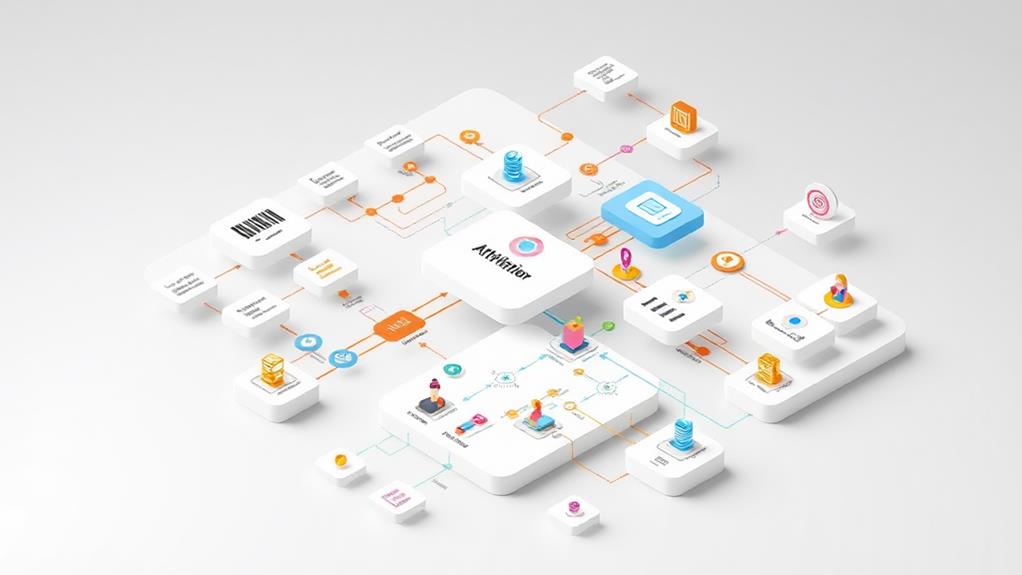
Building upon the foundation of key visual impact metrics, attribution models for web design provide a structured approach to comprehending how different design elements contribute to user conversions. These models enable designers to make data-driven improvements by analyzing user interactions and assigning conversion credit to specific marketing touchpoints throughout the customer experience.
Multi-touch attribution is an influential tool that allows web designers to evaluate the effectiveness of various design elements, such as CTA buttons, images, and layout, in guiding users toward desired actions. This approach provides a holistic view of the user experience, highlighting the cumulative impact of multiple touchpoints on conversion rates.
For a more focused analysis, designers can employ first-click or last-click attribution models. First-click attribution emphasizes the initial design elements that capture user attention and initiate the conversion process. Conversely, last-click attribution highlights the final touchpoints that eventually lead to conversions, helping designers optimize closing elements.
Data-driven attribution models leverage machine learning algorithms to analyze user interactions and assign credit to design features based on their impact on conversion rates. This advanced approach allows for more nuanced insights into the effectiveness of various design elements throughout the customer experience.
User Journey Touchpoints Analysis
User experience touchpoints analysis forms the cornerstone of effective data attribution in web design. By examining the various interactions a customer has with a brand across different channels, businesses can gain valuable insights into the user experience and optimize their marketing strategies accordingly.
Analyzing user experience touchpoints through marketing attribution models allows organizations to identify the most impactful interactions throughout the customer experience. This process helps businesses assign credit to specific touchpoints and allocate marketing resources more effectively, ultimately leading to improved conversion rates. Multi-touch attribution models, such as the time decay model, offer a nuanced approach by assigning varying weights to touchpoints based on their proximity to the conversion event.
By leveraging these insights, companies can create customized content and design experiences that resonate with users at each stage of their experience. This personalized approach improves engagement and satisfaction, cultivating stronger connections between the brand and its target audience. Moreover, data-driven attribution continuously evolves by analyzing user behavior patterns, enabling businesses to refine their marketing strategies and enhance customer experience mapping over time.
Implementing user experience touchpoints analysis allows organizations to make informed decisions about their web design and marketing efforts. By comprehending which interactions contribute most to customer decisions, businesses can optimize their strategies to maximize ROI and create visually compelling websites that drive conversions. This data-driven approach guarantees that marketing resources are allocated efficiently, resulting in more effective campaigns and improved overall performance.
Conversion-Driven Design Strategies

Conversion-driven design strategies play a significant role in maximizing the effectiveness of web design by focusing on user-centered experiences that guide visitors through the buyer pathway. These strategies aim to increase the likelihood of desired actions, such as purchases or sign-ups, by optimizing various elements of the website.
One key aspect of conversion-driven design is the implementation of A/B testing. This method allows designers to compare different design elements, such as button color or placement, to determine their impact on conversion rates. Even small changes can yield substantial improvements in user engagement, making A/B testing an invaluable tool for optimizing marketing efforts.
Incorporating clear calls-to-action (CTAs) is another vital element of conversion-driven design. Effective CTAs can boost conversion rates by up to 200%, guiding users toward specific outcomes and improving overall website performance. Furthermore, responsive design guarantees that websites are accessible and functional across various devices, catering to the growing number of mobile users who account for over 50% of global web traffic.
Visual hierarchy plays a significant role in conversion-driven design strategies. By strategically placing images, headings, and whitespace, designers can guide user attention and improve the overall user experience. This approach not just improves the aesthetic appeal of the website but also contributes to higher conversion rates.
Optimizing ROI Through Visual Elements
Visual elements serve as influential tools for optimizing return on investment (ROI) in web design. By strategically implementing effective channels for visual communication, businesses can markedly improve user engagement and drive conversion rates. Data visualization techniques, such as infographics and interactive charts, have been shown to boost comprehension and retention of information by 60% compared to traditional text-based content. This enhanced grasp directly contributes to a more effective customer experience and increased marketing return on investment. Moreover, leveraging compelling visuals not only enriches the overall aesthetic of a website but also aids in conveying complex messages more succinctly. This is where the concept of how visual storytelling enhances design comes into play; it transforms static content into dynamic narratives that resonate with audiences. Ultimately, when users are engaged through well-crafted visual stories, they are more likely to trust the brand and take meaningful actions, resulting in sustained growth and profitability.
Incorporating high-quality images and videos into web design can lead to a remarkable 121% increase in user engagement. This surge in interaction not only keeps visitors on the site longer but additionally improves the overall effectiveness of marketing strategies. To maximize the impact of visual elements, designers should employ A/B testing to optimize for user preferences and behaviors. This approach can result in a 20-30% advancement in conversion rates, directly affecting the bottom line.
| Visual Element | Impact on Engagement | Effect on ROI |
|---|---|---|
| Infographics | +60% comprehension | Higher retention |
| Quality Images | +121% engagement | Increased conversions |
| Videos | +121% engagement | Extended site visits |
| A/B Testing | +20-30% conversions | Optimized user experience |
Implementing a cohesive visual hierarchy is another essential aspect of optimizing ROI through visual elements. By improving user navigation efficiency by up to 70%, businesses can minimize bounce rates and maximize the effectiveness of their marketing efforts. This structured approach to visual design guarantees that users can easily find the information they need, leading to a more satisfying experience and increased likelihood of conversion.
Data-Informed Design Decision Making

Leveraging data-informed design decision making has become essential in modern web development. This approach relies on analyzing user interaction data to optimize website layout, guaranteeing that design choices align with user preferences and behaviors. By utilizing tools like heatmaps and user session recordings, designers gain valuable insights into where users click, scroll, and spend the most time, allowing them to prioritize elements that improve user experience.
A/B testing plays a vital role in data-informed design by enabling the comparison of different design variations based on actual user data. This method empowers designers to make evidence-based decisions that drive higher conversion rates. Incorporating analytics from attribution models further refines the process by identifying which design elements contribute most considerably to conversions, allowing for targeted improvements in web design.
Continuous monitoring of performance metrics, such as bounce rates and time on page, informs iterative design processes that adapt to changing user needs and preferences. This ongoing analysis guarantees that design decisions remain relevant and effective over time. By combining these data-driven strategies, designers can create visually compelling websites that not only resonate with their target audience but likewise maximize ROI.
Data-informed design decision making eventually transforms the web design process into a more scientific and results-oriented approach. By basing design choices on concrete user data and performance metrics, designers can create websites that not just look appealing but also deliver tangible business value through improved user experience and increased conversion rates.
Frequently Asked Questions
What Is Attribution in Web Design?
Attribution in web design is a analytical process that identifies which design elements and user interactions contribute to desired outcomes on a website. It involves tracking user behavior across various touchpoints to assess the effectiveness of design features, content placements, and navigation structures. By utilizing attribution models, designers can understand the impact of each component on the user experience, enabling data-driven decisions. This approach helps optimize user experience, improve engagement, and enhance conversion rates, eventually increasing ROI for web design initiatives.
What Is Data Attribution?
During some may view data attribution as an overly complex process, its value in modern marketing cannot be overstated. Data attribution is the analytical method of assigning credit to various marketing touchpoints that contribute to a desired outcome or conversion. It helps businesses understand the effectiveness of their marketing efforts across multiple channels. By utilizing single-touch or multi-touch attribution models, organizations can gain insights into customer experiences, optimize their marketing strategies, and allocate budgets more effectively to maximize return on investment.
What Are Two Types of Attribution Models in Web Analytics?
Two prominent types of attribution models in web analytics are First-Click and Last-Click Attribution. First-Click Attribution assigns all credit for a conversion to the initial marketing touchpoint a user encounters, which is useful for evaluating awareness campaigns. Conversely, Last-Click Attribution gives full credit to the final touchpoint before conversion, making it effective for analyzing direct response campaigns. These models offer distinct perspectives on the customer experience, helping marketers understand different aspects of their marketing efforts’ impact on conversions.
What Is Conversion Attribution?
In the complex world of digital marketing, one vital concept stands out, leaving marketers enthusiastic to unravel its mysteries. Conversion attribution is the analytical process that uncovers the true impact of marketing efforts. It carefully tracks and evaluates user interactions across various touchpoints, revealing which channels and strategies contribute most notably to desired actions. By deciphering the customer path, businesses can optimize their marketing spend, improve user experiences, and finally drive higher returns on investment.