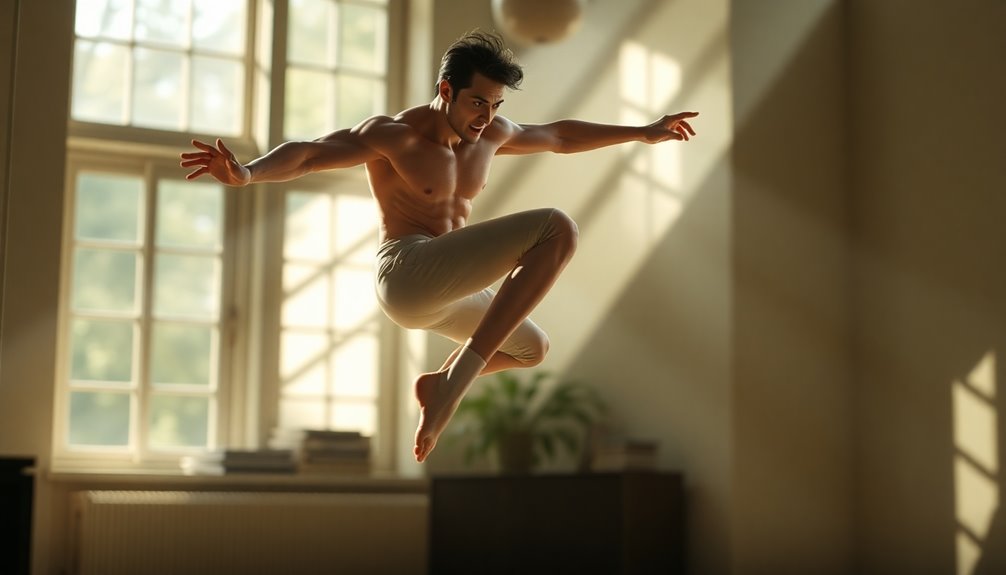

To animate believable movements for your characters, you need to grasp key movement principles and understand the importance of weight and body mechanics. Observe real-life actions to capture nuances that improve authenticity. Experiment with different timing and spacing techniques, and don't forget to incorporate secondary actions to add depth. Perfect various gait styles based on your character's emotions and context, as movement should reflect personality. Avoid common animation mistakes, like mechanical motions or neglecting emotion. By perfecting these elements, you'll bring your characters to life in a way that resonates with audiences, and more insights await you on this expedition.
Understanding Movement Principles
Comprehending the principles of movement is vital for creating believable character animations. When you investigate the various movement types, you'll uncover the foundational elements that breathe life into your characters. Think about how a character walks, runs, or even stands still; each movement type has its own nuances and rhythm. By studying these subtleties, you can capture the essence of each action, making your animations more engaging.
Different animation styles can additionally influence how you approach movement. If you're working on a cartoonish style, you might exaggerate certain movements, giving your characters a playful flair. Conversely, if you're aiming for realism, it's important to pay close attention to the biomechanics involved. This means grasping how weight shifts, momentum, and balance affect movement.
As you experiment with various movement types, don't shy away from blending animation styles. This innovative approach can lead to unique character expressions that set your work apart. For instance, combining the fluidity of traditional animation with the sharpness of digital techniques allows for a fresh take on character actions.
Ultimately, grasping the principles of movement empowers you to create animations that resonate with your audience. By honing your skills in comprehending these principles, you'll not only improve your character's believability but also boost your overall storytelling. So, get ready to explore and push the boundaries of movement in your animations!
The Importance of Weight
When you animate character movements, grasping weight is vital; it directly influences how believable and engaging your animations are. Comprehending weight perception helps you create characters that resonate with viewers. When you accurately portray mass, your audience can instinctively grasp the character's physicality.
Consider gravity effects as a core principle. Every action your character takes should reflect their weight. For instance, a heavy character will move more slowly and with a different rhythm than a lighter one. This distinction is fundamental for achieving movement authenticity. Focus on balance dynamics as well; how a character shifts their weight during movements can markedly affect their believability. A character can't leap into the air without a proper takeoff that accounts for their mass.
Incorporating inertia influence is another key aspect. When your character starts to move, they shouldn't immediately stop or change direction abruptly; instead, let their momentum carry them, mimicking real-life physics. This contributes to physical realism and improves character believability.
Lastly, always reflect on how weight informs your character's personality. A character with a heavy presence might command attention, while a lighter character might exude playfulness. Ultimately, the importance of weight in animation lies in its ability to amplify your storytelling. By mastering weight, you're not just animating movements; you're crafting experiences that captivate and resonate with your audience. Embrace these principles, and watch your animations come to life with newfound depth.
Body Mechanics and Anatomy
To create realistic animations, you need a solid grasp of body mechanics and anatomy. Comprehending how joints move and the principles of weight distribution will help you bring your characters to life. Let's explore how these concepts affect your animations.
Understanding Joint Movements
Grasping joint movements is crucial for animating realistic character actions. Comprehending how joint articulation works allows you to create fluid and believable animations. Focusing on rotational movements within the joints helps you capture the nuances of motion that bring your characters to life.
Here are some key points to reflect on:
- Joint Flexibility: Know how flexible each joint is and how it affects movement.
- Range of Motion: Grasp the limits of joint articulation to avoid unnatural poses.
- Bone Structure: Familiarize yourself with the skeletal framework to improve accuracy.
- Muscle Dynamics: Recognize how muscles interact with joints, influencing movement and stability.
- Sequential Movement: Observe how one joint's movement can lead to a chain reaction in others.
Weight Distribution Principles
Comprehending joint movements sets the stage for grasping weight distribution principles, which play a crucial role in character animation. When animating, you need to understand how weight transfer affects your character's movements. Every action involves a shift in balance, whether it's a subtle shift when a character leans or a dramatic move like jumping.
To create believable animations, think about how weight shifts from one limb to another. For instance, when a character steps forward, their weight moves from the back foot to the front foot, altering their center of gravity. This balance shift isn't just mechanical; it's emotional, conveying intent and personality.
Incorporate these principles by observing real-life movements. Notice how athletes manage weight distribution during sports, or how dancers shift their balance during performances. Capturing these nuances will enhance your animation, making it more engaging and lifelike.
Utilize tools like motion capture data to analyze weight transfer, or experiment with various poses and see how your character's stance changes with each adjustment. Perfecting weight distribution will ultimately bring your characters to life, enhancing their believability and depth.
Observing Real-Life Movements
The beauty of animation lies in its ability to capture the essence of real-life movements. To create characters that resonate with audiences, you need to immerse yourself in real life observation and conduct thorough movement analysis. This isn't just about mimicking; it's about comprehending the subtleties that make movements believable and engaging.
Here's how you can improve your animation by sharply observing real-life movements:
- Focus on Body Language: Notice how emotions manifest through posture, gestures, and facial expressions.
- Study Natural Rhythms: Pay attention to how movements flow; there's a rhythm to walking, running, or even standing still.
- Analyze Weight Shifts: Observe how a character's weight shifts during different actions—this adds a layer of realism.
- Capture Unique Quirks: Everyone has their own unique ways of moving. These quirks can give your characters personality.
- Record Real Movements: Use video or slow-motion recordings to dissect movements that intrigue you.
When you engage in this level of detail, your animation will reflect the nuances of real life. It's not merely about the big motions; it's the small, almost imperceptible details that uplift your work. By honing your skills in real life observation and movement analysis, you'll create characters that are not only believable but also deeply relatable, stirring emotional connections with your audience. So, grab your notebook, step outside, and start observing the world around you!
Timing and Spacing Techniques
After analyzing real-life movements, you'll discover that timing and spacing are vital elements in bringing your characters to life. Achieving proficiency in these aspects not only improves realism but also evokes emotion and connection from your audience. Timing techniques dictate how quickly or slowly actions occur, whereas spacing strategies determine the intervals between movements.
To illustrate the impact of timing and spacing, consider how various factors can influence the emotional weight of a scene:
| Movement Type | Timing Techniques | Spacing Strategies |
|---|---|---|
| Slow Walk | Extended pauses for effect | Wider spacing for grace |
| Quick Turn | Fast, sharp shifts | Tight spacing for urgency |
| Joyful Jump | Bouncy rhythm | Varied spacing for surprise |
| Dramatic Fall | Gradual deceleration | Increasing distance for impact |
When animating, it's vital to think about how your character's emotions can be reflected through these techniques. For example, a character that jumps joyfully should have a bouncy rhythm with varied spacing to illustrate their excitement. Conversely, a dramatic fall should incorporate gradual deceleration and increasing distance to amplify the impact of the moment.
Experiment with different timing techniques and spacing strategies in your animations. Adjusting these will allow you to discover innovative ways to express your character's emotions, making their movements more relatable and engaging. Remember, it's all about creating a connection that resonates with your audience!
Using Reference Material
In regards to animating character movements, using reference footage is essential. By analyzing real-life movements, you can capture the nuances that make your animations feel authentic. You'll find that this practice not just improves your work but additionally boosts your confidence in your animation skills.
Importance of Reference Footage
Using reference footage is crucial for animators looking to create realistic and believable character movements. When you study real-life actions through a reference video, you gain invaluable insights that can enhance your animation work. Here's why incorporating reference footage is a transformative element:
- Capture Nuances: Observe subtle details in movement that you might miss otherwise.
- Enhance Timing: Use real-time analysis to refine the timing and pacing of your animations.
- Improve Weight Distribution: Understand how gravity affects movement and how characters interact with their environment.
- Boost Creativity: Reference footage can inspire unique interpretations of common movements.
- Achieve Authenticity: Guarantee your characters resonate with audiences by making their actions feel genuine.
Analyzing Real-Life Movements
One of the most effective ways to analyze real-life movements is by breaking down reference material frame by frame. By doing this, you can capture the subtleties that make movements feel authentic. Start with videos that showcase the specific actions you want to animate—dance, sports, or even casual walking. Observe these real-life examples closely, noting details like timing, weight shifts, and body language. Additionally, pay attention to how different body parts interact with one another and the environment during these movements. This observation will help you understand the nuances that contribute to realism, ultimately allowing you to address the challenges in realistic animation more effectively. Practice by recreating these movements in your own animations, ensuring to incorporate the details you’ve gathered for a more lifelike result.
As you dissect the footage, focus on key movement observations. Pay attention to how characters interact with their environment and how their movements reflect emotions or intentions. For instance, a character's posture can convey confidence or hesitation; analyze how these nuances play out in your reference material.
Consider using slow-motion playback to catch those fleeting moments that might otherwise go unnoticed. This technique allows you to appreciate the rhythm and flow of movement, which is vital for creating believable animations.
Incorporate these insights into your work, and you'll transform your animations from stiff representations into dynamic, lifelike performances that resonate with your audience. Embrace this analytical approach, and let it inspire your creativity.
Incorporating Emotion in Movements
Animating character movements goes beyond mere physicality; it's about tapping into the emotions that drive those actions. To create movements that resonate with your audience, you need to integrate emotional expressions and understand character psychology. This connection pulls viewers into the narrative, making characters relatable and engaging.
Here are some key ways to incorporate emotion into your animations:
- Facial Expressions: Your character's face is a canvas. Use subtle changes in eyebrows, mouth, and eyes to convey feelings.
- Posture: A slumped posture can indicate sadness, whereas an upright stance might suggest confidence. Adjust your character's body language to reflect their emotional state.
- Timing: Speed can signal emotional intensity. Quick, erratic movements might show excitement or anxiety, whereas slow, deliberate actions can express thoughtfulness or sorrow.
- Weight and Balance: Consider how emotions affect bodily control. A character feeling overwhelmed might appear heavy and unsteady, whereas someone in love may seem lighter and more buoyant.
- Eye Movement: The direction and speed of a character's gaze can reveal their inner thoughts. A longing look or darting eyes can communicate a wealth of emotion.
Adding Secondary Actions
When you animate, adding secondary actions can improve your character's movements and make them feel more alive. These additional motions not solely support the primary action but likewise convey personality and intention. Let's explore the importance of secondary actions and techniques to implement them effectively in your animations.
Importance of Secondary Actions
Secondary actions play a crucial role in bringing your character to life, adding depth and realism to their movements. These subtle gestures and motions improve realism by providing additional information about your character's emotions and intentions. When you incorporate secondary actions, you engage your audience more effectively, making them feel connected to your character.
Here are some ways secondary actions can raise your animation:
- Facial Expressions: A slight raise of an eyebrow or a smirk can convey emotions beyond words.
- Body Language: Shifting weight from one foot to another adds a layer of realism to standing poses.
- Props Interaction: How your character handles an object can reveal their personality and mood.
- Follow-Through: Allowing hair or clothing to move after a main action creates a more fluid movement.
- Idle Movements: Small, unconscious gestures like fidgeting or tapping can make your character feel more alive.
Techniques for Effective Animation
Incorporating secondary actions into your animation not merely improves realism but also enriches storytelling. These subtle movements improve character dynamics, making your animations feel more alive and engaging. Start by observing real-life movements; notice how a character's head might tilt slightly when they gesture or how their hands might fidget when they're nervous. These nuances add depth to your work and can dramatically shift the audience's perception.
Experiment with different animation styles to find what complements your primary action. For example, in a comedy style, exaggerated secondary actions can boost humor, whereas in a more serious context, they can evoke empathy. Don't shy away from layering movements; a character's stride can be accompanied by a swaying arm or shifting weight, creating a more fluid and believable motion.
Timing is essential. Adding secondary actions that occur slightly after the primary action can create a natural flow. Consider the physics at play; heavier characters might take longer to settle into a stance than lighter ones. By perfecting these techniques, you'll improve your animation, making it not just a visual spectacle but a narrative experience that resonates with your audience.
Mastering Different Gait Styles
To truly bring your characters to life, perfecting different gait styles is vital. Gait variations can reveal a lot about your character personality, influencing how audiences perceive them. A well-crafted walk or run not just adds realism but also improves emotional engagement.
Reflect on these key gait styles to master:
- Casual stroll: A relaxed movement that conveys comfort and ease.
- Power walk: Quick, purposeful strides that exude confidence and determination.
- Sneaky tiptoe: Gentle, quiet steps that suggest stealth and caution.
- Limping gait: An uneven walk that can indicate injury or weariness, adding depth to your character.
- Bounding run: Energetic and playful, perfect for characters who are youthful or exuberant.
Experimenting with these styles will help you discover how different movements can reflect various traits. For instance, a character who struts confidently might be perceived as arrogant, whereas someone who shuffles may come off as shy or defeated.
Don't forget to reflect on the context of each scene. The environment and emotional state of your character should influence their gait. Is your character in a hurry, or are they meandering through a park? A nuanced comprehension of these factors will boost your animation, making your characters feel more authentic.
Mastering different gait styles is a fundamental skill that can transform your animations into compelling narratives, so embrace the art of movement and let your characters stride into the spotlight!
The Role of Rhythm
Rhythm plays a crucial role in animating character movements, shaping how audiences perceive the energy and intent behind each action. When you create rhythmic patterns in your animations, you boost the believability of your characters. Think of rhythm as the heartbeat of your movement flow, guiding the tempo and cadence of every gesture.
To achieve this, start by identifying the core rhythm of each action. Whether it's a character running, jumping, or simply walking, consider how the timing of movements influences the overall feel. For instance, a fast-paced chase scene should have quick, sharp movements, whereas a gentle stroll can feature slower, more fluid actions. These variations in rhythm can evoke different emotional responses from your audience.
Next, pay attention to the spacing of your keyframes. Consistent spacing creates a steady rhythm, whereas varying the distance between frames can introduce a sense of acceleration or deceleration. This technique helps to articulate the character's intent and energy level, making their movements more dynamic and engaging.
Don't forget to experiment with contrasts in rhythm as well. A sudden change from fast to slow can heighten tension or emphasize a pivotal moment. By mastering these rhythmic patterns, you can breathe life into your characters and guarantee that their movements resonate with your audience. In the end, comprehending the role of rhythm in animation isn't just about technical skill; it's about utilizing the influence of movement flow to tell compelling stories.
Common Animation Mistakes to Avoid
Animation is a craft that thrives on attention to detail, but even the most skilled animators can stumble into common pitfalls. Recognizing these common animation errors can save you time and frustration during the enhancement of the believability of your character movements.
Here are some character movement pitfalls to watch out for:
- Overly Mechanical Movements: Keep your characters fluid. Rigid motions can make them seem robotic and unrelatable.
- Ignoring Physics: Gravity affects everything. Confirm your characters respond to weight and momentum realistically to maintain immersion.
- Inconsistent Timing: Timing is vital for realism. Vary the speed of movements and follow the principles of anticipation and follow-through.
- Lack of Emotion: Characters should express feelings through movement. If they're not conveying emotion, they'll fail to resonate with your audience.
- Neglecting Secondary Actions: Small, subtle movements add depth. Don't overlook these details; they can upgrade your animations from good to great.
Frequently Asked Questions
What Software Is Best for Animating Character Movements?
When you're choosing animation software for character movements, consider options like Blender, Maya, or Toon Boom Harmony. Each offers robust tools for character rigging and animation that can help you create innovative and engaging movements. Blender's open-source nature makes it a favorite among indie creators, whereas Maya is renowned for its industry-standard features. Evaluate your specific needs and experiment with these tools to find the best fit for your projects.
How Long Does It Take to Learn Character Animation?
Setting out on your quest to master character animation can feel like starting an exciting adventure. The character animation timeline varies for everyone, but with dedication, you'll see progress in a matter of months. Utilize diverse learning resources like online courses, tutorials, and practice projects to fast-track your skills. Remember, innovation thrives on persistence, so keep pushing your creative boundaries, and you'll soon find yourself animating with confidence and flair!
Can I Animate Without a Traditional Animation Background?
Absolutely, you can animate without a traditional animation background! Many self-taught animators thrive by leveraging online learning resources like tutorials, forums, and communities. You've got access to a wealth of information that can help you grasp the fundamentals and develop your own unique style. Don't hesitate to experiment and push boundaries; innovation often springs from unconventional paths. With dedication and creativity, you'll find your voice in the realm of animation!
What Are Common Job Opportunities in Character Animation?
When exploring common job opportunities in character animation, you'll find a variety of exciting animation careers. You could work as a character designer, bringing unique personalities to life, or as an animator, crafting fluid movements that captivate audiences. Studios often seek talents for video games, films, and commercials, where your innovative ideas can shine. Diverse paths await, so embrace your creativity and immerse yourself in the dynamic world of character animation!
How Do I Promote My Character Animation Portfolio Effectively?
Promoting your character animation portfolio is like planting seeds in a garden; with the right care, it'll flourish. Start by leveraging networking strategies—connect with industry professionals and attend events. Use online platforms like Behance and Instagram to showcase your work. Share behind-the-scenes content to engage your audience and highlight your creative process. Don't forget to join animation communities to gain feedback and increase visibility; collaboration can lead to exciting opportunities!