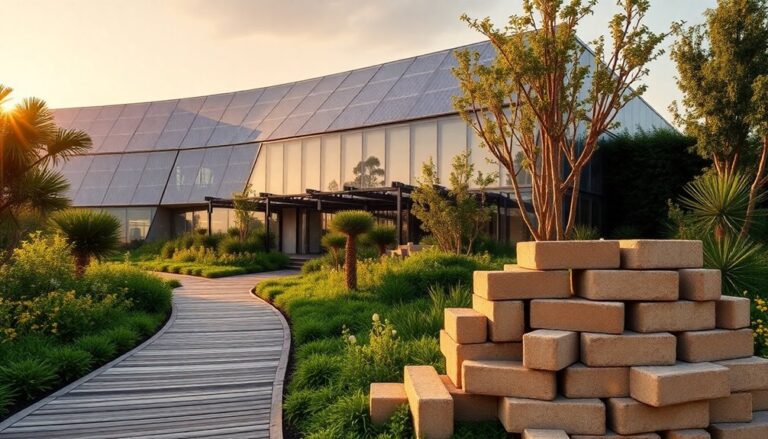
Architectural mirage captures innovative design to create structures that seamlessly blend with their environment. By skillfully utilizing materials, colors, and shapes, architects craft buildings that not merely deceive the eye but likewise resonate with their surroundings. Sustainable design plays a vital role, prioritizing eco-friendly materials and energy-efficient practices. Features like green roofs improve biodiversity during minimizing environmental impact. Nature-inspired design principles often guide this approach, drawing from the efficiency of natural forms. This fusion of aesthetics and functionality not only beautifies spaces but likewise promotes community engagement and sustainability. Discovering specific examples can reveal the full potential of architectural mirage.
Definition of Architectural Mirage
An architectural mirage refers to a deceptive visual phenomenon in the domain of design, where structures appear differently than they truly are. This concept thrives on creating an architectural illusion that manipulates perception, encouraging the observer to engage with the design on a deeper level. Architects leverage this technique to evoke emotions, challenge norms, and ultimately exert influence over the viewer's experience.
Through the skillful arrangement of materials, colors, and shapes, an architectural mirage can promote a sense of visual harmony that captivates influential audiences. These illusions can transform ordinary structures into extraordinary landmarks, commanding attention and respect. Such designs not merely serve a functional purpose but additionally enhance the cultural and aesthetic value of their surroundings.
In this context, the expertise of architectural illusion becomes a tool for leaders and visionaries who wish to leave a lasting imprint on their environment. By crafting spaces that manipulate light, shadow, and perspective, architects can create a narrative that resonates with the aspirations of those who inhabit or interact with the space.
In the end, an architectural mirage is more than mere deception; it's a strategic maneuver that seeks to inspire and empower. The allure of visual harmony achieved through these illusions captivates audiences, making them rethink conventional boundaries of design. In a world where first impressions matter, mastering the art of architectural mirage can be a game-changer for those who wield it effectively.
Importance of Sustainable Design
Sustainable design plays an essential role in reducing environmental impact by minimizing waste and energy consumption. It emphasizes resource efficiency and encourages architects to integrate aesthetics with functionality. By prioritizing these elements, architects can create spaces that not just look good but furthermore contribute positively to the planet.
Environmental Impact Reduction
Even though many architects recognize the urgent need for environmental impact reduction, the importance of sustainable design extends beyond mere compliance with regulations. Embracing eco-friendly practices not merely improves a building's aesthetic value but additionally aligns with a strong vision for the future. Green building strategies are crucial for minimizing ecological footprints and promoting resilience in our swiftly changing world.
| Strategy | Benefits | Impact on Environment |
|---|---|---|
| Renewable Materials | Lowers carbon emissions | Reduces resource depletion |
| Energy Efficiency | Decreases utility costs | Minimizes greenhouse gases |
| Water Conservation | Lowers consumption | Preserves local ecosystems |
| Sustainable Landscaping | Boosts biodiversity | Improves air quality |
Integrating these strategies into architectural design isn't merely a trend; it's a necessity for leaders who aspire to reshape the future. By prioritizing environmental impact reduction, architects can create spaces that not only function effectively but also serve as significant statements of responsibility. In doing so, they assert their commitment to sustainability, proving that impactful design can coexist harmoniously with nature.
Resource Efficiency Considerations
Resource efficiency plays a crucial role in sustainable design, as it directly impacts both operational costs and environmental health. By prioritizing resource optimization strategies, architects and developers can utilize materials and energy in ways that not just reduce waste but also improve the building's overall performance. Implementing resource optimization strategies, such as utilizing reclaimed materials or innovative construction techniques, allows projects to minimize their ecological footprint as well as maximize durability.
Moreover, energy efficient systems serve as a cornerstone for modern architectural endeavors. These systems—ranging from advanced HVAC technologies to smart lighting—are designed to greatly lower energy consumption without compromising comfort or functionality. By integrating energy efficient systems, buildings can operate sustainably, ensuring that they remain economically viable and environmentally responsible over their lifespan.
In a world where resources are finite, the ability to implement these strategies lies with those who recognize their value. Decision-makers must champion sustainable design principles, aligning their investment strategies with long-term resource efficiency goals. This commitment not only promotes a healthier environment but also cements their legacy as leaders in the pursuit of architectural excellence.
Aesthetic Integration Strategies
Integrating aesthetics with functionality is crucial in modern architectural design, especially when aiming for sustainability. Architects must embrace contextual aesthetics that resonate with their environment, creating structures that not only fulfill their purpose but also improve their surroundings. This approach cultivates visual harmony, ensuring that buildings contribute positively to the environment while promoting eco-friendly practices.
To achieve these goals, architects can employ a variety of aesthetic integration strategies. Below is a concise overview:
| Strategy | Description | Benefits |
|---|---|---|
| Site-Sensitive Design | Tailoring designs to the environment | Improves natural beauty |
| Material Selection | Using sustainable materials | Reduces environmental impact |
| Color Palette | Aligning colors with surroundings | Promotes visual coherence |
| Green Roofs | Incorporating vegetation | Improves biodiversity |
Innovative Materials in Architecture
In recent years, architects have embraced innovative materials that not just improve aesthetic appeal but further enhance sustainability and functionality. The integration of recycled materials into architectural designs has transformed how structures look and operate. By utilizing products that would otherwise contribute to landfills, architects not only reduce waste but create compelling narratives about environmental stewardship. This approach resonates strongly with clients and communities who prioritize eco-conscious development.
Smart textiles represent another groundbreaking advancement in architecture. These materials can adapt to their environment, responding dynamically to changes in light, temperature, or humidity. By incorporating smart textiles into building façades or interiors, architects can boost energy efficiency and occupant comfort. Envision a building that adjusts its shading in real-time, maximizing natural light while minimizing heat gain. Such features raise a structure's performance and demonstrate a forward-thinking mindset that appeals to modern sensibilities.
Furthermore, the fusion of recycled materials with smart textiles creates a synergy that magnifies both sustainability and innovation. This combination allows architects to push the boundaries of design, crafting spaces that are not just visually striking but intelligent and responsive. As the architectural environment evolves, these innovative materials are paving the way for a future where buildings harmoniously coexist with their surroundings, embodying the principles of resilience and ecological responsibility. In this new era, the choice of materials becomes a significant statement, reflecting a commitment to a sustainable and sophisticated built environment.
Case Study: The Eden Project
The Eden Project in Cornwall, England, stands as a remarkable example of how innovative materials and sustainable practices can shape architectural design. This ambitious undertaking consists of biomes that house diverse ecosystems, promoting ecological architecture at its finest. The project utilizes state-of-the-art geodesic dome technology, utilizing ethylene tetrafluoroethylene (ETFE) to create a structure that's not just visually stunning but additionally energy-efficient. By embracing these advanced materials, the Eden Project minimizes its environmental footprint whilst maximizing its potential to educate and inspire.
The architects and designers behind the Eden Project focused on creating a space that harmonizes with the surrounding environment. They recognized the importance of integrating the development into its natural context, ensuring that the architecture serves as a bridge between humanity and nature. This approach empowers visitors to engage with the environment in meaningful ways, nurturing a deeper comprehension of ecological systems.
Furthermore, the Eden Project promotes biodiversity through its extensive plant collections, encouraging the preservation of endangered species. By showcasing the beauty and complexity of global ecosystems, the project champions the idea that ecological architecture can play a critical role in addressing environmental challenges.
In essence, the Eden Project stands as a significant confirmation to the potential of innovative design and sustainable practices. It not only redefines architectural norms but additionally inspires a movement aimed at a more harmonious relationship between humanity and the natural world, proving that impactful architecture can certainly forge a path toward ecological responsibility.
Nature-Inspired Design Principles
Nature-inspired design principles play an essential role in modern architecture, particularly through biomimicry and sustainable material choices. By mimicking nature's efficient structures and processes, architects can create buildings that are not only aesthetically pleasing but additionally environmentally friendly. This approach encourages a deeper connection between the built environment and the natural world, promoting sustainability and innovation.
Biomimicry in Architecture
Drawing inspiration from the intricate designs found in nature, architects are increasingly turning to biomimicry to solve complex building challenges. This innovative approach, known as biomimetic design, utilizes the wisdom embedded in natural forms and processes to create structures that not only resonate with their environment but additionally improve functionality. By studying the efficiency of termite mounds or the resilience of lotus leaves, architects can devise solutions that optimize energy consumption, improve air quality, and promote sustainability.
Ecological architecture emerges as the backbone of this philosophy, emphasizing harmony between human habitats and the natural world. Architects employing biomimicry endeavor to create spaces that mimic the self-regulating systems present in ecological communities, leading to buildings that thrive alongside their surroundings. This alignment with nature empowers designers to push boundaries, crafting structures that stand as proofs of human ingenuity as they respect and preserve the environment.
Ultimately, integrating biomimetic design into architecture not only raises the aesthetic and functional aspects of buildings but additionally positions them as leaders in the quest for a sustainable future. As the discipline evolves, the potential for transformative, impactful designs becomes limitless.
Sustainable Material Choices
Many architects today prioritize sustainable material choices, recognizing their crucial role in reducing environmental impact. By integrating recycled materials and local sourcing into their designs, they not only decrease their carbon footprint but additionally improve the strength and aesthetics of their projects. This strategic approach reflects a commitment to both ecological responsibility and innovative design.
| Material Type | Benefits |
|---|---|
| Recycled Materials | Minimizes waste, reduces energy consumption in production |
| Locally Sourced | Supports local economies, lowers transportation emissions |
| Bamboo | Quickly renewable, strong and lightweight |
| Reclaimed Wood | Unique character, reduces deforestation impact |
Notable Architects and Their Works
Even though the domain of architecture is vast and diverse, certain architects stand out due to their innovative designs and lasting impact on the field. Among these famous architects, Frank Lloyd Wright remains a titan, known for his philosophy of organic architecture. His masterpiece, Fallingwater, seamlessly integrates with its natural surroundings, exemplifying architectural innovation that resonates with nature's beauty.
Another influential figure, Zaha Hadid, transformed contemporary architecture with her futuristic forms and fluid designs. Projects like the Guangzhou Opera House showcase her ability to defy traditional structures, pushing boundaries and redefining urban environments. Hadid's work exemplifies the strength of architectural innovation, inspiring a generation of architects to think beyond conventional limits.
In a different domain, Bjarke Ingels emphasizes sustainability during a bold aesthetic. His designs, such as the 8 House in Copenhagen, illustrate how modern architecture can harmonize with environmental considerations, reflecting a commitment to innovative solutions that enhance urban living.
Additionally, Tadao Ando's minimalist approach combines simplicity with profound emotional resonance. His Church of the Light captivates with its interplay of light and space, demonstrating that architectural innovations can evoke strong spiritual experiences.
These architects not just shape skylines but also influence the future of the built environment. Their visionary works remind us that architecture is more than mere construction; it's a significant medium that can inspire, provoke thought, and encourage connection with the world around us.
The Role of Landscaping
Landscaping plays a crucial role in improving architectural designs, creating a harmonious relationship between buildings and their surroundings. Effective landscaping doesn't merely beautify; it strengthens the structure's purpose, making it resonate with influence and presence. By integrating green infrastructure, architects can guarantee that every element, from trees to pathways, contributes to the overall aesthetic and functionality of the space.
Incorporating native plants into the design promotes landscape harmony, showcasing the environment's natural beauty while encouraging sustainability. These choices reflect a commitment to ecological balance, allowing buildings to thrive in their settings rather than imposing upon them. When the landscape complements the architecture, it raises the entire project, instilling confidence in its design and purpose.
Furthermore, strategic landscaping can improve energy efficiency. Well-placed trees provide shade, reducing cooling costs, while green roofs can minimize heat absorption, showcasing a building's commitment to modern eco-architecture. This level of foresight not just boosts the property's value but affirms its role as a leader in sustainable practices.
Ultimately, impactful architectural designs emerge from a seamless blend of structure and nature. The synergy created through thoughtful landscaping empowers buildings to engage with their environment, creating spaces that inspire and captivate. As the world shifts toward more environmentally-conscious design, the role of landscaping will only grow in importance, guiding future architects in their quest to create striking and sustainable masterpieces.
Future Trends in Eco-Architecture
As the integration of landscaping and architecture continues to evolve, eco-architecture is emerging as a defining trend in the built environment. This movement not just champions sustainability but additionally leverages innovative advancements to create spaces that respect nature as they serve human needs. The future of eco-architecture hinges on the development of smart cities, where green technologies become integral to urban planning and design.
Smart cities utilize data-driven strategies to optimize resources and improve the quality of life for residents. In these urban environments, eco-architecture plays a pivotal role by incorporating renewable energy sources, such as solar panels and wind turbines, directly into building designs. This integration minimizes reliance on fossil fuels, reducing carbon footprints and promoting energy efficiency.
Moreover, the rise of green technologies—like advanced insulation materials and water recycling systems—enables architects to create structures that are not just aesthetically pleasing but also environmentally responsible. These innovations allow buildings to function harmoniously within their ecosystems, contributing to biodiversity and preserving natural habitats.
The emphasis on eco-architecture also extends to the use of sustainable materials, such as reclaimed wood and recycled metals, which further support a circular economy. As these trends gain traction, they will redefine how society interacts with its environment, paving the way for a future where buildings are not merely structures but living entities that enrich the environment. In this influential paradigm shift, eco-architecture stands at the forefront, leading the charge in the direction of a more sustainable and resilient world.
Community Impact and Engagement
When communities actively engage in the design and implementation of eco-architectural projects, they not merely cultivate a sense of ownership but furthermore improve the positive impact of these initiatives. Community involvement is essential; it empowers residents to influence the outcome, ensuring that the architecture reflects their values and needs. This participatory design approach encourages collaboration, enabling stakeholders to share their insights and preferences, directly shaping the built environment.
As local voices contribute to the planning process, projects become more than mere structures; they transform into significant parts of the community fabric. This engagement builds trust and strengthens relationships among residents, architects, and policymakers. When people see their ideas materialize, they develop a deeper commitment to maintaining and promoting these spaces. Empowered communities are more likely to advocate for sustainable practices, ensuring that eco-architecture remains a priority.
Moreover, integrating community feedback often leads to innovative solutions that address specific local challenges. Projects that resonate with the public not only improve aesthetic appeal but likewise boost social cohesion. The sense of shared purpose energizes neighborhoods, attracting investment and tourism, which can lead to economic growth.
Ultimately, the synergy between community involvement and eco-architectural projects creates a dynamic model for sustainable development. By prioritizing participatory design, communities don't merely adapt to their environments; they actively shape them, nurturing resilience and ensuring a lively future for generations to come.
Frequently Asked Questions
How Does Weather Impact the Performance of Architectural Mirages?
Weather patterns greatly influence the performance metrics of structures, shaping their durability and functionality. When storms strike, they can test a building's resilience, as temperature fluctuations may affect material integrity. Architects and engineers must consider these factors to guarantee their designs withstand diverse conditions. By analyzing weather data, they can optimize performance, enhancing safety and sustainability. In the end, adapting to varying climates empowers professionals to create enduring, high-performing structures that thrive in any environment.
Are There Any Regulations Governing the Construction of Eco-Friendly Buildings?
In terms of constructing eco-friendly buildings, regulations play an essential role. Many regions enforce green building codes that mandate the use of sustainable materials and energy-efficient designs. These codes guarantee that developers adhere to environmentally responsible practices, promoting a healthier planet. By following these guidelines, builders not merely comply with regulations but likewise improve their reputation and appeal to a growing market of eco-conscious consumers. It's a potent strategy for long-term success.
Can Architectural Mirages Be Built in Urban Environments?
Architectural mirages can truly be built in urban environments. They create visual harmony, enhancing urban aesthetics during the integration seamlessly with existing structures. By employing innovative materials and designs, architects can craft illusions that captivate onlookers. These structures not merely enhance the city's character but additionally redefine its skyline, making a bold statement about modernity and sustainability. Embracing such visionary concepts empowers cities to evolve, attracting attention and investment in an increasingly competitive environment.
What Are the Costs Associated With Implementing Sustainable Designs?
When evaluating the costs associated with implementing sustainable designs, one must conduct a thorough cost analysis. This involves examining upfront investments versus long-term savings. Material selection plays a significant role, as eco-friendly materials often come with higher initial costs but offer durability and energy efficiency. By prioritizing quality and sustainability, decision-makers can eventually improve their project's value during alignment with strong environmental goals, ensuring a positive impact on both finances and the planet.
How Can Communities Get Involved in Eco-Architecture Projects?
Communities can actively engage in eco-architecture projects by organizing workshops and discussions on sustainable practices. They can form local committees to identify environmental needs and collaborate with architects to develop green designs. By participating in volunteer initiatives, residents build awareness and support for eco-friendly developments. Utilizing social media platforms, they can share progress and inspire others. This collective effort not just nurtures community spirit but additionally empowers individuals to make impactful changes.