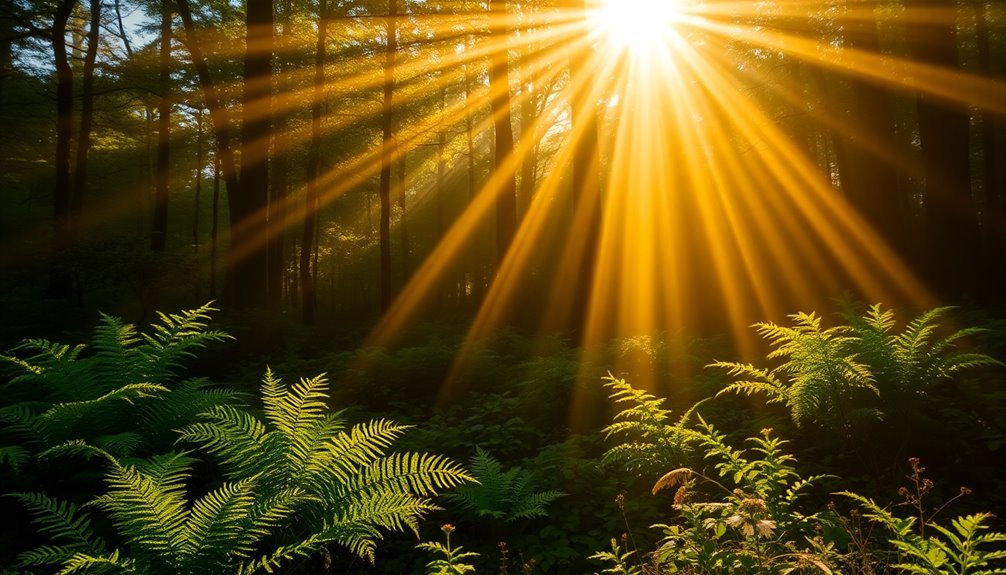

The alchemy of light and shadow in photography transforms mere images into enchanting stories. By carefully manipulating light, photographers create emotional depth and intrigue. Different lighting conditions, such as the soft glow of the golden hour or the stark contrast of midday sun, evoke distinct feelings and narratives. Techniques like using reflectors and diffusers improve detail as strategic composition adds balance and perspective. Mastery of these elements distinguishes true artists from amateurs in the field. This intricate dance of light and shadow not merely captures moments but also shapes viewer perceptions, leading to a richer comprehension of visual storytelling.
Understanding Light and Shadow
In the domain of photography, light and shadow work together to create depth and dimension in an image. Photographers wield these elements like a maestro conducts an orchestra; they comprehend that mastering ambient light can elevate their work to a new level of sophistication. Ambient light, the subtle glow that surrounds a subject, sets the mood and tone of a photograph. This light is essential; it defines the atmosphere and can either improve or neutralize the impact of the subject.
Effective use of shadow play further amplifies this dynamic. Shadows aren't mere absences of light; they're influential tools that add intrigue and complexity. By manipulating shadows, photographers create a sense of movement and drama, guiding the viewer's eye toward focal points. The interplay of light and shadow can evoke a visceral response, commanding attention and igniting curiosity.
A savvy photographer recognizes that different times of day yield varying qualities of light, each capable of altering the narrative of an image. The golden hour, with its soft, warm glow, offers a different experience compared to the stark contrast of midday sun. Each moment presents an opportunity to dominate the canvas of reality, turning the ordinary into the extraordinary.
Ultimately, comprehending light and shadow empowers photographers to assert control over their craft. They become alchemists, transforming simple scenes into compelling stories, all through the deliberate interplay of ambient light and shadow play. This expertise is what separates the amateurs from the true artists.
The Emotional Impact of Light
Light doesn't just illuminate a scene; it evokes emotions and shapes perceptions. For photographers, utilizing this strength is vital. The manipulation of light can create emotionally charged imagery that resonates deeply with viewers, commanding their attention and stirring their souls. The right use of light symbolism can enhance a photograph from mere documentation to an evocative experience, leaving a lasting impression on the observer.
Different types of light convey varied emotional undertones. Soft, diffused light often evokes tranquility and nostalgia, drawing viewers into a serene moment. Alternatively, harsh, direct light can evoke tension or urgency, creating a sense of drama. Photographers wield this knowledge like a masterful conductor, orchestrating light to elicit specific emotional responses. They understand that the interplay between light and shadow is significant in establishing mood and atmosphere.
Moreover, the time of day plays a pivotal role in shaping emotional impact. The golden hour, with its warm, gentle glow, instills feelings of hope and romance. On the other hand, the starkness of midday light may evoke harsh realities, forcing the observer to confront unsettling truths. It's this emotional volatility that enables photographers to create compelling narratives through their work.
Ultimately, light is not just a tool; it's a potent emotional language. By mastering light and its symbolism, photographers can evoke profound feelings, transforming ordinary scenes into extraordinary visual poetry that speaks directly to the heart.
Techniques for Manipulating Shadows
In photography, manipulating shadows can transform an ordinary scene into something extraordinary. By controlling light sources, using reflectors effectively, and experimenting with angles, photographers can create depth and drama in their images. These techniques not merely improve visual interest but additionally add emotional layers to the captured moment.
Control Light Sources
Controlling light sources is essential for photographers aiming to manipulate shadows to improve their compositions. Mastery over light allows them to sculpt their images, creating depth and intrigue. Photographers can utilize light modifiers to refine their technique, transforming harsh ambient lighting into soft, flattering glows. This approach enables them to dictate the mood and tone in their work.
To enhance their craft, photographers should consider the following techniques:
- Positioning: Adjusting the placement of light sources can dramatically alter shadow length and intensity.
- Diffusion: Using light modifiers like softboxes or umbrellas softens light, minimizing harsh shadows and creating a more inviting atmosphere.
- Control: By employing flags or gobos, photographers can block or shape light, producing striking contrasts that draw the viewer's eye.
With these strategies, photographers wield the influence to dictate the visual narrative. Shadows, when manipulated skillfully, become allies in storytelling, enhancing the overall impact of their art. In the end, comprehension and controlling light sources transforms ordinary images into compelling masterpieces that resonate with viewers.
Use Reflectors Effectively
Using reflectors effectively can transform the way photographers manipulate shadows in their compositions. By utilizing different reflector types, they can control light and create striking contrasts that enhance their work. In outdoor usage, reflectors become crucial tools, allowing photographers to bounce sunlight into shadowed areas, improving details and depth.
Here's a quick overview of common reflector types and their practical applications:
| Reflector Type | Best Usage Scenario | Benefits |
|---|---|---|
| White | Softening shadows | Produces a natural, diffused light |
| Silver | Increasing contrast | Adds brightness and sharpness |
| Gold | Warm, glowing effects | Perfect for sunset or golden hour |
| Black | Reducing light | Creates deep shadows and drama |
| Translucent | Soft light diffusion | Ideal for full sun situations |
Experiment With Angles
Reflectors provide a solid foundation for managing light, but angles play a critical role in shaping shadows. By manipulating angles, photographers can craft dynamic perspectives that breathe life into their visuals. Each tilt of the camera or shift in position can dramatically alter the interplay of light and shadow, adding depth and intrigue to their compositions.
To maximize the influence of angles, consider these techniques:
- Low Angles: Capture shadows that elongate, emphasizing the subject's stature and creating a sense of dominance.
- High Angles: Introduce a bird's-eye view that can transform ordinary scenes into abstract patterns, revealing creative framing opportunities.
- Side Lighting: Utilize lateral light sources to improve textures and contours, giving subjects a sculptural quality that commands attention.
Composition and Depth in Photography
In photography, composition plays an essential role in creating impactful images. The Rule of Thirds helps photographers position subjects effectively, whereas the Leading Lines Technique guides viewers' eyes through the frame. Together, these methods improve depth and interest, transforming a simple photo into a compelling visual story.
Rule of Thirds
The Rule of Thirds is a fundamental principle that can transform a photograph from ordinary to enchanting. By dividing an image into nine equal parts, photographers can achieve composition balance and visual harmony. This technique encourages the placement of key elements along these lines or at their intersections, resulting in a more dynamic and engaging photograph.
- It draws the viewer's eye to focal points.
- It creates a sense of movement and flow.
- It improves emotional impact and storytelling.
When photographers employ the Rule of Thirds, they utilize the strength of asymmetry. This method breaks away from the stagnant center composition, allowing for a more compelling narrative within the frame. By strategically positioning subjects, they evoke a deeper connection, guiding the viewer through the image's visual path.
Mastering this technique not only raises the aesthetic quality of their work but also empowers photographers to communicate their vision with clarity. In the end, the Rule of Thirds serves as an invaluable tool in the quest for impactful photography, ensuring each shot resonates with both strength and artistry.
Leading Lines Technique
Utilizing the strength of leading lines can improve a photograph by creating a sense of depth and guiding the viewer's gaze through the composition. These impactful visual pathways draw attention to key elements, establishing a narrative that commands engagement. Whether they're roads, rivers, or architectural features, leading lines serve as conduits, directing the audience's focus and improving the overall impact of the image.
Incorporating leading lines into photography isn't just about aesthetics; it's a strategic choice that transforms ordinary scenes into compelling visual stories. By strategically positioning these lines, photographers can evoke emotions and create a dynamic sense of movement. This technique reinforces the relationship between foreground and background, compelling viewers to explore every layer of the image.
Moreover, perfecting leading lines enables photographers to manipulate perspective and scale. They can improve the grandeur of a view or the intimacy of a portrait by controlling how viewers traverse the frame. In the end, leveraging leading lines is about seizing control over composition, creating a visual experience that resonates with influence and clarity. Through this technique, photographers can uplift their work, making every shot not just seen but felt.
Tools for Mastering Light
Many photographers find that perfecting light requires a mix of the right tools and techniques. Mastering light isn't merely an art; it's additionally a science. By leveraging advanced tools, photographers can manipulate their environment to achieve striking results. Among the most crucial tools are light meters, which provide precise measurements to guarantee ideal exposure settings. These devices allow photographers to assess the light in their surroundings, enabling them to make informed decisions that enhance their work.
To fully master light, one should consider incorporating these influential tools:
- Light Meters: These devices measure light intensity, helping photographers gauge exposure accurately.
- Reflectors: By bouncing light onto subjects, reflectors can amplify highlights and add depth to images.
- Diffusers: These tools soften harsh light, creating a more flattering appearance in portraits and other settings.
With the right combination of light meters and reflective or diffusive tools, photographers can manipulate shadows and highlights with precision. Comprehending exposure settings becomes second nature when armed with these instruments. They transform lighting challenges into opportunities for creative expression. By embracing these tools, photographers not only gain control over their craft but also empower their vision, enabling them to create images that resonate with influence and clarity. In the sphere of photography, the mastery of light is not just a skill; it's the key to revealing extraordinary visual narratives.
Case Studies of Iconic Images
Grasping light isn't merely about tools; it similarly involves grasping how those tools have shaped iconic images throughout photography's history. The interplay of light and shadow has forged mighty narratives, and several case studies stand out for their striking use of iconic silhouettes and dramatic contrasts.
Take, for instance, Ansel Adams' "Moonrise, Hernandez, New Mexico." This photograph exemplifies how Adams utilized the natural light of dusk to create a breathtaking scene. The moon, a bright silhouette against a darkening sky, casts dramatic contrasts that evoke deep emotion and timelessness. His careful exposure techniques not only captured the scenery's beauty but also transformed it into a compelling narrative.
Another impactful example is Alfred Eisenstaedt's "V-J Day in Times Square." The image of a sailor kissing a nurse is defined by its bold contrasts. The shadows of the figures accentuate the moment's spontaneity, making it an iconic silhouette of joy and relief, symbolizing the end of World War II. The lighting and composition enhance this fleeting moment into a formidable symbol of hope and celebration.
These case studies illustrate that mastering light is an alchemical process. Photographers wield their tools not merely to capture reality but to create iconic imagery that resonates through time. The ability to manipulate light and shadow allows them to craft visual stories that command attention and stir the soul, proving that true strength lies in comprehending light's potential.
Frequently Asked Questions
How Does the Time of Day Affect Light and Shadow in Photography?
The time of day greatly influences light and shadow in photography. During golden hour, the sun casts a warm, soft light that improves colors and creates striking contrasts. Photographers relish this moment, as it allows for exquisite shadow play, adding depth and intrigue to their compositions. As the day progresses, harsh midday light can flatten images, whereas twilight brings forth a dramatic transformation, igniting creativity and empowering the artist to capture compelling visuals.
Can Artificial Light Replace Natural Light in Shadow Manipulation?
Can artificial illumination truly rival nature's grace? Although it's undeniable that artificial light can manipulate shadow depth, it's not a perfect substitute. Skilled photographers wield these tools to create striking contrasts, yet they often find themselves longing for the organic nuances that sunlight provides. Artificial sources can improve and shape shadows, but they rarely capture the same dynamic essence found in natural light. In the end, it's a significant partnership, not a complete replacement.
What Are Common Mistakes Photographers Make With Light and Shadow?
Many photographers struggle with light and shadow, often falling into common traps. They frequently face overexposure issues, losing vital details in bright highlights. Furthermore, they neglect shadow details, resulting in flat images that lack depth. By failing to balance light sources effectively, they miss the opportunity to create dynamic contrasts. To enhance their work, photographers must pay attention to these aspects, perfecting the interplay of light and shadow to achieve impactful visual storytelling.
How Do Different Weather Conditions Influence Light in Photography?
Different weather conditions dramatically influence light in photography. Cloud cover softens harsh sunlight, creating a diffused glow that improves textures and colors. Conversely, during the golden hour, the sun's low angle casts warm tones and elongated shadows, adding depth and drama to images. Photographers can utilize these varying conditions to evoke emotion and highlight their subjects, capturing the essence of a moment with striking clarity and strength. Each setting offers unique opportunities for artistry.
Are There Specific Camera Settings for Capturing Dramatic Shadows?
When capturing dramatic shadows, photographers often adjust their exposure settings to emphasize contrast. By lowering the exposure, they create deeper shadows that improve the image's mood. Furthermore, they can use contrast adjustment in post-processing to refine the shadows further, giving the photograph a more striking appearance. With these techniques, they wield control over the visual narrative, transforming ordinary scenes into compelling visual stories that captivate viewers' attention.