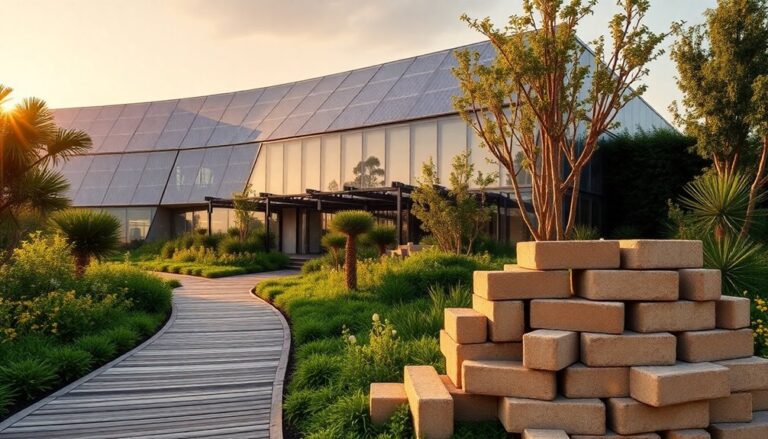
Urbanization's rapid pace is vital, leaving residents gasping for air – figuratively and literally. The absence of green spaces in urban design takes a devastating toll on health, exacerbating stress, anxiety, and respiratory issues. However, integrating nature into cityscapes can be a potent antidote, absorbing pollutants, reducing stress, and improving mental well-being. By incorporating green infrastructure, cities can mitigate the urban heat island effect, boost biodiversity, and even increase property values. As cities continue to evolve, it's clear that breathing life into urban design with green spaces is essential – and the benefits are only just beginning to unfold.
Urbanization's Impact on Health
In addition, the absence of green spaces in concrete jungles exacerbates stress, anxiety, and other health concerns. The mass city migration has led to a significant increase in health disparities, with low-income communities being disproportionately affected. These neighborhoods often lack access to green spaces, further widening the health gap.
Urban dwellers are plagued by poor air quality, noise pollution, and a sedentary lifestyle, which contribute to a higher risk of chronic diseases. The World Health Organization estimates that urban residents are 20% more likely to experience anxiety and depression than their rural counterparts. In addition, the lack of green spaces in urban areas has been linked to increased obesity rates, as people are less likely to engage in physical activity.
City planners and policymakers must prioritize the integration of green spaces into urban design to mitigate these health disparities. Green spaces not only provide a tranquil escape from the hustle and bustle of city life but also offer numerous physical and mental health benefits. By incorporating parks, gardens, and green roofs into urban landscapes, cities can promote a healthier, more sustainable way of living. It's time to rethink urban design and put the well-being of citizens at the forefront of city planning.
Nature Deficit Disorder Epidemic
As the urban population grows, so does the concern about Nature Deficit Disorder, a phenomenon where people, especially children, spend less time outdoors, leading to a range of negative effects. This urban wilderness deprivation has severe consequences, including increased stress levels, anxiety, and a higher risk of obesity. It's essential to acknowledge the rising health concerns linked to this lack of exposure to natural environments.
Urban Wilderness Deprivation Effects
Urban dwellers, particularly children, are increasingly vulnerable to a syndrome known as Nature Deficit Disorder, which stems from a lack of exposure to natural environments and green spaces. This deprivation has severe consequences, including increased stress levels, decreased attention span, and a diminished sense of wonder.
| Consequence | Effect |
|---|---|
| Reduced outdoor play | Increased obesity rates |
| Limited wildlife encounters | Decreased empathy for nature |
| Urban sprawl | Fragmented wildlife corridors |
| Disconnection from nature | Decreased mental well-being |
The absence of green spaces in urban design has led to a disconnection between humans and nature, resulting in a range of negative effects. Urban sprawl, in particular, has fragmented wildlife corridors, making it difficult for species to migrate and thrive. As a result, urban dwellers are robbed of opportunities to engage with nature, leading to a decline in physical and mental well-being. It is essential to prioritize the integration of green spaces in urban design to mitigate the effects of Nature Deficit Disorder and promote a healthier, more sustainable relationship between humans and the environment.
Rising Health Concerns Linked
Children's health is suffering due to the alarming rates of Nature Deficit Disorder, which is linked to a surge in ADHD, asthma, and depression diagnoses in cities worldwide. As urbanization intensifies, the consequences of disconnecting from nature are becoming increasingly evident. The lack of green spaces is not only detrimental to physical health but also has severe psychological implications.
The effects of Nature Deficit Disorder are far-reaching and devastating:
- Stunted cognitive development: Children who spend less time outdoors have reduced attention spans and lower academic achievements.
- Increased anxiety and stress: The absence of natural environments exacerbates mental health issues, leading to heightened anxiety and stress levels.
- Weakened immune systems: Prolonged exposure to air pollution and sedentary lifestyles compromises immune function, making children more vulnerable to illnesses.
- Loss of creativity and imagination: The lack of natural stimuli stifles creativity, leaving children with diminished problem-solving skills and imagination.
It is imperative that urban designers prioritize green spaces to mitigate the effects of Nature Deficit Disorder and secure a healthier, more resilient future for generations to come.
Green Spaces as Air Purifiers
Green spaces play a vital role in absorbing pollutants and particulate matter, significantly reducing the concentration of airborne toxins in urban areas. This natural air purification process is essential in cities, where high levels of pollution can have devastating health effects. Urban planners are recognizing the importance of incorporating green spaces into city design, not just as aesthetic features, but as functional air purifiers.
The concept of a Clean Canopy, where trees and plants work together to remove pollutants from the air, is gaining traction in urban planning. By strategically planting trees and greenery, cities can create a natural filter that removes pollutants, producing cleaner air for citizens. This approach is especially effective in high-traffic areas, where pollution levels are typically highest.
Urban Oxygen, a term used to describe the oxygen-producing benefits of green spaces, is another key aspect of this concept. By increasing the amount of oxygen in the air, green spaces can help counterbalance the negative effects of pollution. This, in turn, can lead to improved respiratory health, reduced stress, and increased productivity. As cities continue to grow and evolve, the role of green spaces as air purifiers will become increasingly important. By prioritizing these natural filters, urban planners can create healthier, more sustainable cities that support the well-being of their citizens.
Mental Health in Urban Landscapes
They recognize that urban landscapes can be overwhelming, and it's essential to incorporate green spaces that promote mental well-being. By doing so, cities can reduce urban stress and provide residents with opportunities for green therapy, which has been shown to have a positive impact on mental health. As a result, nature's calming effects can be harnessed to create a more peaceful and serene urban environment.
Urban Stress Reduction
Nearly 75% of people living in urban areas experience stress on a daily basis, and it's no secret that this chronic condition takes a toll on mental health. Urban dwellers are constantly bombarded with noise, pollution, and crowds, making it difficult to find a moment of peace. This stress can lead to anxiety, depression, and a sense of burnout.
- Feeling like you're stuck in a never-ending cycle of traffic and noise
- Waking up every morning feeling anxious and on edge
- Struggling to find a quiet moment to yourself in a crowded city
- Feeling like you're constantly "on" and never able to fully relax
Urban designers are now recognizing the importance of incorporating green spaces into city planning to combat urban stress. By creating calm commutes and mindfulness walks, cities can help reduce stress and promote mental well-being. Green spaces provide a much-needed escape from the hustle and bustle of city life, allowing individuals to recharge and refocus. By prioritizing green spaces, cities can create a healthier, happier population that's better equipped to handle the demands of urban living.
Green Therapy Benefits
Incorporating green spaces into urban landscapes can have a profound impact on mental health, providing a natural remedy for the stress and anxiety that often accompanies city living. This concept, known as green therapy, has been gaining traction in recent years as an essential component of urban design. By incorporating parks, gardens, and green roofs into city planning, urban dwellers can reap the benefits of nature's calming effects. Forest bathing, a traditional Japanese practice, has been shown to reduce cortisol levels, blood pressure, and heart rate, promoting a sense of relaxation and well-being. Eco wellness, a broader approach to environmental health, recognizes the intricate connection between human health and the natural environment. By prioritizing green spaces in urban design, cities can promote mental health, increase productivity, and enhance overall quality of life. As urbanization continues to shape our world, it's essential to recognize the critical role green spaces play in maintaining our mental well-being. By embracing green therapy benefits, cities can become healthier, happier, and more resilient.
Nature's Calming Effects
Urban landscapes, once devoid of natural charm, can now be transformed into calming oases that mitigate the psychological toll of city living. The incorporation of green spaces into urban design has been shown to have a profound impact on mental health, reducing stress levels and promoting a sense of well-being. This is due in large part to the calming effects of nature, which have been harnessed through practices such as Forest Bathing and Ecotherapy.
- The sound of birdsong has been shown to lower cortisol levels and heart rate, promoting relaxation and reducing anxiety.
- The scent of trees and plants has been found to reduce symptoms of depression and improve mood.
- Exposure to natural light has been linked to improved sleep quality and reduced symptoms of Seasonal Affective Disorder.
- The visual beauty of green spaces has been shown to reduce feelings of stress and improve overall mental health.
Biophilic Design Principles
Moreover, by intentionally weaving natural elements into built environments, architects and designers can harness the psychological benefits of biophilia, fostering a deeper connection between humans and nature. This approach, known as biophilic design, prioritizes the incorporation of natural materials, textures, and patterns to create spaces that promote well-being and productivity. By doing so, designers can create aesthetic harmony between the built and natural environments, resulting in spaces that feel more organic and less artificial.
One key principle of biophilic design is the use of natural materials, such as wood, stone, and living walls, which can add warmth and depth to a space. These materials also provide a tangible connection to the natural world, allowing occupants to feel more grounded and connected. Moreover, the incorporation of natural light, ventilation, and views can further enhance the sense of connection to nature. By balancing natural and built elements, designers can create spaces that are not only visually striking but also promote a sense of calm and relaxation.
Revitalizing Public Spaces
As cities work to revitalize their public spaces, they're turning to innovative strategies to create vibrant hubs of activity. By incorporating urban oasis creation, green infrastructure integration, and public art installations, these areas can be transformed into thriving community centers. These design elements not only enhance aesthetics but also foster social connection and environmental sustainability.
Urban Oasis Creation
Incorporating greenery into neglected public spaces can transform them into vibrant hubs of community activity. Urban oasis creation is a key aspect of revitalizing public spaces, as it not only beautifies the area but also fosters a sense of community and social connection. Through landscape revitalization and ecological restoration, these once-forgotten spaces can be reborn as thriving ecosystems.
Some of the benefits of urban oasis creation include:
- Reducing urban heat island effect: Green spaces absorb heat and reduce the urban heat island effect, making cities more livable.
- Improving air quality: Vegetation purifies the air, improving the health and wellbeing of city dwellers.
- Enhancing biodiversity: Urban oases provide habitats for urban wildlife, supporting local ecosystems.
- Boosting community engagement: Green spaces become hubs for community activity, fostering social connections and a sense of belonging.
Green Infrastructure Integration
Green infrastructure integration revitalizes public spaces by seamlessly weaving together natural and built environments to create thriving, sustainable hubs of community activity. This holistic approach transforms urban landscapes into vibrant, resilient ecosystems that support both human well-being and environmental health. By incorporating green roofs, green walls, and permeable pavements, cities can effectively manage stormwater runoff, reducing the burden on municipal drainage systems and mitigating urban flooding. Additionally, green infrastructure integration fosters ecological connectivity, allowing wildlife to thrive in urban environments and promoting biodiversity. This, in turn, enhances the aesthetic appeal of public spaces, making them more inviting and livable for citizens. By prioritizing green infrastructure integration, cities can access a range of benefits, from improved air quality and climate regulation to enhanced community engagement and social cohesion. As a result, urban planners and policymakers are increasingly recognizing the value of green infrastructure integration in creating sustainable, resilient, and people-centric cities.
Public Art Installations
Vibrant public art installations transform urban landscapes into dynamic, interactive experiences, revitalizing public spaces and fostering a sense of community pride and identity. These artistic expressions not only beautify the cityscape but also create immersive environments that engage citizens and visitors alike. By incorporating interactive landscapes, cities can revitalize underutilized spaces, turning them into vibrant hubs of activity.
Some of the ways public art installations can impact urban design include:
- *Fostering a sense of community ownership and pride* by involving local artists and residents in the creation process
- *Enhancing the aesthetic appeal* of public spaces, making them more inviting and Instagram-worthy
- *Providing a platform for self-expression and storytelling* through thought-provoking and emotive art pieces
- *Encouraging social interaction and community engagement* by creating interactive and immersive experiences
Urban Heat Island Mitigation
Cities suffocate under a blanket of heat during summer months, and urban planners are now harnessing the power of green spaces to mitigate the urban heat island effect. This phenomenon, where built-up areas absorb and retain heat, can raise temperatures by up to 10 degrees Fahrenheit compared to surrounding rural areas. To combat this, innovative solutions are being integrated into urban design.
One strategy is the implementation of cool pavements, which are designed to reflect solar radiation and reduce heat absorption. These pavements can be made from lighter-colored materials or coated with specialized treatments to minimize heat gain. By reducing the amount of heat absorbed, cities can lower their overall temperature and create a more comfortable environment for residents.
Green roofs are another key component in urban heat island mitigation. These roofs are covered with vegetation, which provides shade, absorbs carbon dioxide, and releases oxygen. During hot summer months, green roofs can reduce roof temperatures by up to 25 degrees Fahrenheit, reducing the need for air conditioning and energy consumption. Additionally, green roofs can provide habitats for local wildlife, further enhancing urban biodiversity. By incorporating cool pavements and green roofs into urban design, cities can breathe a little easier and create a more sustainable, resilient future.
Increased Property Values
How do urban planners capitalize on the appeal of green spaces to boost property values and attract new residents? By incorporating parks, gardens, and other green areas into urban design, cities can increase market demand and drive up property values. This, in turn, attracts new residents and businesses, creating a cycle of growth and investment.
The benefits of green spaces on property values are undeniable. According to various studies, properties near parks and green areas see a significant increase in value. This is because green spaces provide numerous benefits, including:
- Reduced noise pollution: Green spaces act as a natural sound barrier, reducing noise pollution and creating a more peaceful living environment.
- Improved air quality: Plants and trees absorb pollutants, improving air quality and creating a healthier living space.
- Increased sense of community: Green spaces provide a hub for community activity, fostering a sense of belonging and social connection.
- Enhanced aesthetic appeal: Green spaces add beauty and charm to an area, making it more desirable to live and work.
Green Infrastructure Benefits
Green infrastructure, comprising parks, gardens, and green roofs, provides a range of ecosystem services that benefit both the environment and urban residents. These green spaces serve as natural filters, purifying the air and water, and mitigating the urban heat island effect. They also provide habitat for urban wildlife, supporting biodiversity and ecosystem health. In addition, green infrastructure plays a critical role in enhancing Green Resilience, helping cities adapt to climate change by reducing flood risk, improving stormwater management, and moderating extreme weather events.
Besides these environmental benefits, green infrastructure also has a profound impact on urban residents' quality of life. Studies have shown that proximity to green spaces reduces stress levels, improves mental health, and boosts overall well-being. Additionally, green infrastructure can be a key component of Eco Friendly urban design, providing opportunities for sustainable transportation, recreation, and social interaction. By incorporating green spaces into urban planning, cities can create vibrant, livable spaces that support the health and happiness of their citizens. By investing in green infrastructure, cities can reap a range of benefits, from improved environmental health to enhanced quality of life, making them more attractive, competitive, and resilient.
Innovative Urban Planning Strategies
What if urban planners could design spaces that not only mitigate the negative impacts of urbanization but also foster community engagement, economic growth, and environmental sustainability? This is exactly what innovative urban planning strategies aim to achieve. By incorporating green spaces into urban design, cities can transform into thriving hubs of activity, where residents, businesses, and the environment coexist in harmony.
To achieve this vision, urban planners are adopting cutting-edge approaches, including:
- Smart Zoning: By relaxing zoning laws, cities can encourage mixed-use development, allowing residents to live, work, and play in close proximity, reducing the need for lengthy commutes and promoting a more vibrant urban experience.
- Flexible Density: Allowing for varying densities within a neighborhood enables cities to accommodate diverse populations, from young professionals to families, and provide a range of housing options, from high-rise apartments to single-family homes.
- *Revitalizing Underutilized Spaces*: Transforming abandoned or neglected areas into vibrant green spaces, such as parks, plazas, or green roofs, can breathe new life into urban landscapes, providing residents with recreational areas and a sense of community.
- *Incorporating Green Infrastructure*: By integrating green spaces into urban design, cities can mitigate the urban heat island effect, manage stormwater runoff, and improve air quality, creating a healthier, more sustainable environment for all.
Urban Agriculture Initiatives
Urban agriculture initiatives are revolutionizing the way cities produce and consume food, providing fresh, locally grown produce to residents while transforming vacant lots and rooftops into thriving hubs of agricultural activity. These innovative projects not only increase food security but also foster community development, improve air quality, and reduce urban heat island effects. By leveraging underutilized spaces, urban agriculture initiatives are redefining the concept of urban planning, making cities more sustainable, resilient, and livable.
One of the most promising trends in urban agriculture is the "Farm to Table" movement, which connects consumers directly with local farmers, promoting a more transparent and efficient food system. This approach reduces transportation costs, increases freshness, and supports the local economy. Community gardens, another key component of urban agriculture initiatives, bring residents together, encouraging social interaction, skill-sharing, and a sense of community ownership. These gardens often serve as educational hubs, providing workshops and training programs on sustainable farming practices, nutrition, and environmental stewardship.
Designing for Community Engagement
Effectively designed green spaces frequently become vibrant hubs of community engagement, where residents from diverse backgrounds converge to socialize, learn, and recreate. These spaces have the power to break down social barriers, foster a sense of community, and promote civic engagement. By incorporating design elements that encourage interaction, green spaces can transform into thriving public forums, where residents can engage in meaningful discussions, share ideas, and build relationships. Moreover, these inviting areas often inspire local initiatives and events, further strengthening the bonds among community members. By creating cozy home environments, residents feel a deeper connection to their surroundings and each other, reinforcing the importance of shared experiences. As a result, green spaces not only enhance the aesthetic appeal of neighborhoods but also play a crucial role in cultivating a greater sense of belonging and collective identity.
To achieve this, designers should prioritize the creation of inviting, accessible, and inclusive spaces that cater to diverse user groups. This can be achieved by incorporating features such as:
- Comfortable seating areas that encourage relaxation and conversation
- Public art installations that spark curiosity and inspire creativity
- Community gardens that promote collaboration and a sense of ownership
- Flexible event spaces that accommodate various activities and events
Frequently Asked Questions
How Do I Convince Local Authorities to Invest in Green Spaces?
She knows that convincing local authorities to invest in green spaces requires a strategic approach. Take, for instance, the High Line in New York City, which transformed an abandoned rail line into a thriving public park, generating $2 billion in economic benefits. To replicate this success, she'll emphasize the economic benefits of green spaces, such as increased property values and tourism revenue. She'll also highlight the importance of community engagement, demonstrating how green spaces can become hubs for social activity and community building.
Can Green Spaces Be Integrated Into Existing Urban Infrastructure?
She firmly believes that urban infrastructure can be revitalized by seamlessly integrating green spaces. Rooftop gardens, for instance, can be built on top of existing buildings, providing insulation and reducing energy costs. Alleyway revamps can also transform neglected spaces into vibrant hubs. By embracing innovative designs, cities can breathe new life into their infrastructure, enhancing the quality of life for citizens and boosting local economies.
What Maintenance Is Required for Urban Green Spaces?
Effective maintenance is essential for urban green spaces to thrive. She guarantees water conservation by implementing efficient irrigation systems and monitoring water usage. He also prioritizes pest management, using eco-friendly methods to prevent infestations. Regular pruning, waste removal, and soil quality checks are also vital to prevent degradation. By staying on top of these tasks, urban green spaces remain vibrant and sustainable, providing numerous benefits to the community.
How Can Green Spaces Be Made Accessible to All Members of Society?
While luxury high-rises boast lavish gardens, marginalized communities are often left with barren landscapes. However, she acknowledges that green spaces can be a powerful tool for social change. By incorporating inclusive design principles, she guarantees that urban oases are accessible to all, regardless of age, ability, or socioeconomic status. Equity mapping helps identify areas of need, and she prioritizes projects that bridge the gap, fostering a sense of community and promoting equality for every citizen.
Are There Any Funding Opportunities for Green Space Initiatives?
She explores funding opportunities for urban revitalization projects, recognizing that securing financial backing is essential for success. Grant writing is a viable option, as governments and foundations offer substantial sums for community-driven initiatives. Additionally, corporate sponsorships can provide significant funding, especially when aligned with a company's CSR goals. By leveraging these opportunities, she can bring her vision to life, driving meaningful change in the community.