Spaces that inspire creativity in architecture are diverse and dynamic. Urban studios and workshops act as collaborative hubs, nurturing innovation through teamwork and advanced technology. Nature retreats integrate biophilic design, connecting structures with their surroundings to augment creativity. Collaborative co-working spaces are flexible, utilizing natural light and adaptable layouts to promote productivity. Historic buildings offer unique adaptive reuse opportunities, blending tradition with modern needs. Meanwhile, experimental design labs enable rapid prototyping and interdisciplinary collaboration. Each of these spaces cultivates an environment ripe for exploration and innovation. There's much more to uncover about how these elements shape architectural creativity.
Urban Studios and Workshops
Urban studios and workshops are vital hubs for creativity and innovation in contemporary architecture. They serve as crucibles where bold ideas are forged into reality, embodying the spirit of design principles that drive remarkable projects. Within these dynamic environments, architects and designers engage in creative collaboration, melding diverse perspectives to shape the built environment.
These studios aren't simply spaces; they're influential ecosystems that nurture ingenuity. The design principles cultivated within their walls encourage experimentation and risk-taking, allowing architects to push boundaries and redefine norms. In these environments, professionals utilize state-of-the-art technology as they remain grounded in the fundamentals of architecture. This synergy between tradition and innovation creates a fertile ground for groundbreaking designs that captivate and inspire communities.
Moreover, urban studios and workshops facilitate networking and partnerships, empowering architects to connect with like-minded individuals. This creative collaboration often leads to the birth of transformative ideas that can reshape cityscapes and uplift urban living. The lively exchange of thoughts and techniques not just improves individual projects but sparks a collective momentum that drives the entire field forward.
Ultimately, urban studios and workshops represent the cutting edge of architectural practice. They're places where visionaries gather to refine their craft, share insights, and challenge the status quo. By embracing the principles of design and nurturing an environment ripe for collaboration, these spaces play a pivotal role in shaping the future of architecture, fueling a relentless pursuit of excellence and innovation.
Nature Retreats and Getaways
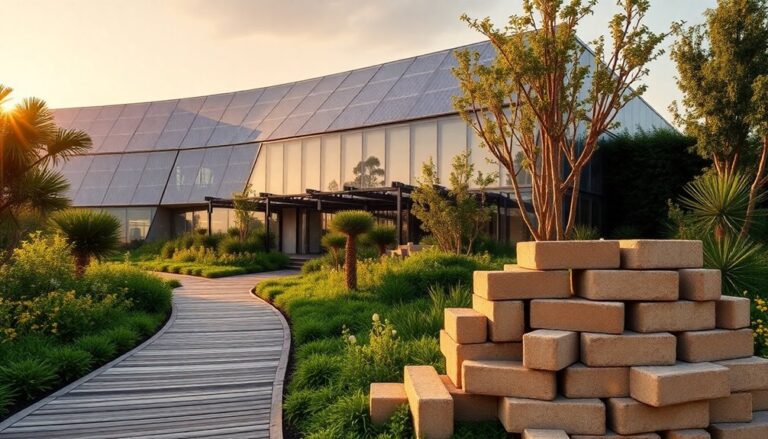
Situated among tranquil terrains and lively ecosystems, nature retreats and getaways offer architects a unique opportunity to reconnect with the environment as they nurture creativity. These spaces serve as sanctuaries where individuals can immerse themselves in nature, cultivating a deeper comprehension of retreat architecture. The seamless integration of structures within the natural environment not solely improves aesthetic appeal but additionally inspires innovative design solutions.
Nature retreats often prioritize forest immersion, allowing architects to experience firsthand the profound effects of nature on the creative process. This connection to the earth can lead to influential insights that transform their work. Key features of these retreats include:
- Biophilic design elements that draw inspiration from natural forms and patterns.
- Sustainable building materials that harmonize with the environment and reduce ecological footprints.
- Open, airy spaces that invite natural light and promote a sense of well-being.
- Dynamic outdoor spaces that encourage exploration and relaxation.
Through these carefully crafted environments, architects discover new ways to approach their craft. Nature retreats not only promote creativity but also instill a sense of purpose and mindfulness in their inhabitants. The experience of stepping away from urban chaos and into serene environments can ignite a significant creative spark, eventually influencing the architectural setting. By embracing the principles of retreat architecture, designers can create transformative spaces that resonate with both human emotion and the natural world.
Collaborative Co-Working Spaces
Collaborative co-working spaces are designed with flexibility in mind, allowing teams to adapt layouts to suit their needs. These environments often incorporate natural light, creating an inviting atmosphere that boosts productivity. By nurturing community-building activities, these spaces encourage collaboration and connection among diverse individuals.
Flexible Design Layouts
As businesses increasingly embrace flexibility in their operations, co-working spaces have emerged as a crucial solution for cultivating collaboration and creativity. These environments leverage flexible design layouts to stimulate innovation and adaptability, making them ideal for dynamic teams.
Key features that improve these spaces include:
- Modular furniture that can be easily reconfigured for various activities and group sizes.
- Open spaces that promote interaction and spontaneous brainstorming sessions.
- Areas designated for both quiet focus and lively collaboration, catering to diverse work styles.
- Smart technology integrations that support seamless connectivity and communication.
Natural Light Integration
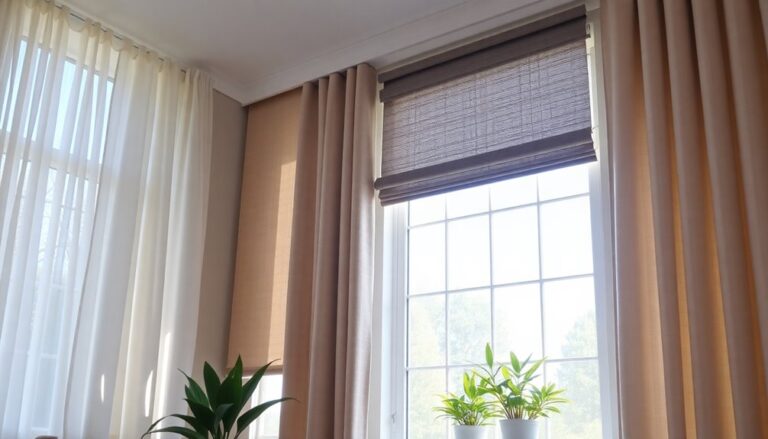
Flexible design layouts not solely improve collaboration but furthermore open the door to incorporating natural light into co-working spaces. By utilizing daylight optimization, architects create environments that energize and inspire creativity. Strategically placed windows and skylights allow sunlight to flood the workspace, boosting productivity and nurturing a sense of well-being among team members.
Natural light integration goes beyond mere aesthetics; it serves as a vital element for ambiance improvement. A well-lit space cultivates an atmosphere that encourages innovation and collaboration. Employees feel more connected to their surroundings, leading to increased motivation and engagement with their tasks. The interplay of light and shadow can likewise delineate areas of focus, guiding individuals toward collaborative hubs or quiet zones.
Moreover, co-working spaces that prioritize natural light reflect a commitment to sustainability and health. By reducing reliance on artificial lighting, these environments not only lower energy costs but likewise create a more inviting atmosphere. In the end, the thoughtful incorporation of natural light transforms co-working spaces into dynamic arenas where creativity thrives, empowering individuals to achieve their highest potential in a harmonious setting.
Community Building Activities
Nurturing a sense of community within co-working spaces improves collaboration and innovation among diverse groups. These environments thrive on the energy generated by individuals from various backgrounds, promoting creativity and productivity. By organizing activities that encourage interaction, co-working spaces can uplift the collective potential of their members.
Key community building activities include:
- Community Art Projects: Collaborative art installations that reflect the collective identity of the workspace.
- Design Competitions: Engaging members in friendly contests to showcase their skills and generate innovative solutions.
- Networking Events: Facilitating connections through social gatherings, ensuring that everyone feels included and valued.
- Workshops and Skill Shares: Encouraging members to share their expertise, improving the knowledge pool and promoting mentorship.
These initiatives not just improve the workspace's culture but inspire individuals to tap into their creative reserves. As members engage in community art and design competitions, they cultivate a lively atmosphere where ideas flourish, and innovation knows no bounds. Empowering individuals through these activities leads to a dynamic, collaborative environment that propels everyone toward success.
Historic Buildings and Landmarks
Historic buildings and landmarks showcase a community's architectural heritage, reflecting its values and history. These structures often present unique opportunities for adaptive reuse, allowing modern functions to breathe new life into traditional designs. By exploring these intersections, architects can honor the past as they innovate for the future.
Architectural Heritage Significance
Architectural heritage plays a crucial role in shaping a community's identity and sense of place. Historic buildings and landmarks serve not just as physical structures but as vessels of cultural preservation and architectural storytelling. They invite exploration and provoke thought, igniting the imagination of those who encounter them.
- They embody the values and aspirations of past generations.
- They promote a sense of continuity and belonging within the community.
- They improve economic vitality through tourism and local investment.
- They inspire contemporary architects to innovate during the respect of tradition.
Adaptive Reuse Opportunities
Often overlooked, adaptive reuse offers a sustainable solution for preserving historic buildings during the fulfillment of modern needs. This approach not just breathes new life into structures that embody a community's heritage but also champions sustainable design principles. By repurposing these landmarks, architects and developers can achieve a formidable synergy between past and present, creating spaces that inspire.
Heritage preservation is at the core of adaptive reuse. It honors the stories and craftsmanship of bygone eras while adapting to contemporary demands. Whether transforming an old factory into lively lofts or reinventing a historic theater as a dynamic arts center, the potential is limitless. These projects additionally reduce the environmental impact typically associated with new construction, conserving resources and minimizing waste.
Moreover, adaptive reuse can improve local economies, drawing visitors and nurturing a sense of pride among residents. When communities embrace their architectural history, they create distinctive identities that resonate with influence and purpose. In a world increasingly focused on sustainability, the adaptive reuse of historic buildings stands as a compelling affirmation of creativity, innovation, and respect for the past. This approach not only preserves our heritage but also paves the way for a sustainable future.
Experimental Design Labs
Experimental design labs play a crucial role in pushing the boundaries of architectural innovation. These dynamic spaces cultivate an environment where architects can explore groundbreaking concepts and technologies, ultimately redefining the future of design. With the integration of virtual reality and material experimentation, these labs enable architects to visualize and manipulate their creations like never before.
Key features of experimental design labs include:
- Cutting-edge technology: Access to the latest software and hardware improves the design process, enabling rapid prototyping and iteration.
- Collaborative environments: Interdisciplinary teams work together, merging diverse expertise to discover new architectural possibilities.
- Real-time feedback: Utilizing virtual reality, architects can immerse themselves in their designs, receiving immediate insights that drive improvements.
- Focus on sustainability: Material experimentation promotes the use of eco-friendly resources and innovative construction techniques, paving the way for a greener future.
In these labs, creativity thrives as architects challenge conventional norms, test unorthodox materials, and explore the intersection of technology and design. The result is an empowered generation of architects who don't just adapt to change but actively shape it. By embracing the unknown and reimagining the potential of architectural spaces, these labs are crucial in crafting a built environment that resonates with influence and inspiration. The future of architecture lies within these experimental spaces, where visionaries utilize their creativity to redefine the skyline and the very essence of urban living.
Inspirational Public Spaces
Innovative design labs not only inspire architects but further lay the groundwork for creating motivational public spaces that cultivate community engagement and interaction. These spaces serve as lively canvases where creativity flourishes, inviting diverse populations to come together and share experiences. By integrating elements like public art and outdoor sculptures, architects can transform ordinary areas into dynamic ecosystems of inspiration.
Public art plays a crucial role in these environments, providing a visual dialogue that resonates with the community. It empowers local artists while reflecting cultural narratives, sparking conversations that might not take place otherwise. Outdoor sculptures, strategically placed within parks or plazas, serve as focal points that draw people in and encourage exploration. These artistic installations not only beautify the surroundings but serve as landmarks that instill a sense of pride and ownership among residents.
Moreover, the layout of these spaces can greatly impact social interaction. Thoughtfully designed seating arrangements, open areas for gatherings, and pathways that encourage movement all contribute to a lively atmosphere. Architects must prioritize accessibility and inclusiveness, ensuring that everyone feels welcome to participate.
Ultimately, inspirational public spaces redefine the relationship between architecture and community. They become catalysts for creativity, nurturing connections that strengthen societal bonds. As architects continue to innovate, the potential for these spaces to inspire and uplift the human experience remains limitless, paving the way for a more engaged and dynamic society.
Frequently Asked Questions
How Can I Find Local Architecture Workshops for Inspiration?
To find local architecture workshops for inspiration, she should tap into community resources. Local architecture firms often host workshops, so checking their websites for schedules is crucial. She might additionally explore social media platforms and community boards for announcements. Networking with fellow architects can lead to hidden gems. By actively seeking out these opportunities, she'll connect with innovative minds and stay updated on the latest trends, fueling her creative drive effectively.
What Role Does Lighting Play in Creative Architectural Spaces?
Studies show that spaces bathed in natural light can boost creativity by up to 15%. For architects, the interplay of natural light and artificial illumination is essential. They utilize sunlight to improve mood and stimulate innovative thinking. By strategically placing windows and using reflective surfaces, they create dynamic environments. Artificial illumination complements this, allowing them to shape atmosphere and focus attention, ensuring that every corner encourages inspiration and drives forward-thinking design.
Are There Specific Colors That Enhance Creativity in Design?
When considering colors that amplify creativity in design, one must acknowledge color psychology's significant influence. Bold hues like red and orange stimulate energy and passion, whereas blues and greens promote calmness and focus. These colors can reshape design aesthetics, nurturing an environment that encourages innovative thinking. Designers who've mastered these principles create spaces that not only inspire but additionally empower individuals to release their full creative potential, driving impactful results.
How Do Architects Choose Materials That Inspire Creativity?
When architects choose materials that inspire creativity, they often prioritize sustainable materials and innovative textures. They recognize that these elements not just improve aesthetic appeal but additionally promote environmental responsibility. By integrating unique combinations of textures and eco-friendly resources, architects create spaces that provoke thought and stimulate imagination. Their selections reflect a commitment to both artistry and sustainability, finally resulting in designs that resonate with a strong sense of purpose and inspiration.
What Are the Benefits of Visiting Architectural Exhibitions for Inspiration?
Visiting architectural exhibitions offers invaluable benefits, showcasing architectural trends, nurturing innovative ideas, and broadening professional networks. Architects gain insights from diverse styles, observe emerging technologies, and discover new materials. They find inspiration in the creative expressions of peers and thought leaders. Engaging with exhibitions ignites imagination, drives passion, and encourages collaboration among professionals. By immersing themselves in these environments, architects release potential, enhance their designs, and redefine the boundaries of their craft.