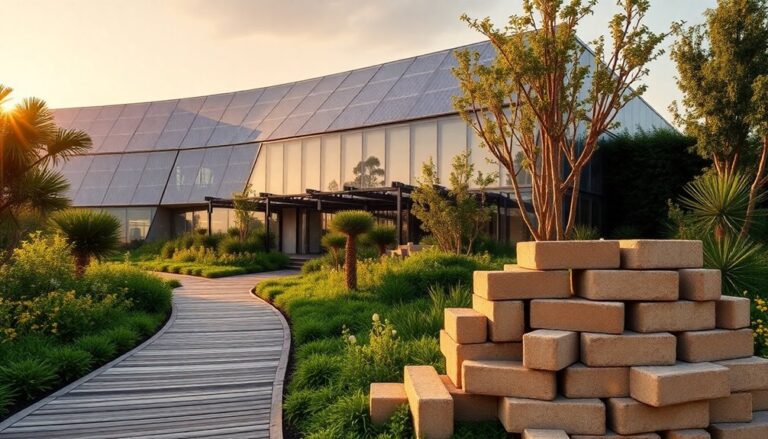
The charm of curves in organic building forms lies in their ability to create harmony between human structures and nature. Curved designs capture the fluidity of the natural world, nurturing a sense of connection and emotional comfort. They break the monotony of traditional architecture, transforming spaces into landmarks that evoke admiration. Furthermore, these forms promote sustainability, using eco-friendly materials and innovative practices. As they improve usability and aesthetic appeal, they encourage creativity and freedom of expression. There's much more to explore about the advantages of this design philosophy and its impact on human experience.
The Definition of Organic Architecture
Since the early 20th century, organic architecture has emerged as a philosophy that celebrates harmony between human dwellings and the natural environment. This approach emphasizes the integration of natural forms and architectural fluidity, creating structures that resonate with their surroundings. Architects who embrace this philosophy understand that buildings shouldn't merely occupy space; they should improve it, blending seamlessly with the terrain.
In organic architecture, the design process prioritizes a building's relationship with its environment. The use of curves and flowing lines reflects the organic shapes found in nature, promoting a sense of unity between the edifice and its site. This method challenges conventional architectural norms that often impose rigid forms onto the terrain. Instead, it invites a more dynamic interaction with the surroundings, allowing for adaptability and responsiveness to environmental conditions.
Furthermore, organic architecture advocates for sustainable practices, supporting the notion that human activity should coexist with nature rather than dominate it. This philosophy embodies a strong vision of architecture that's not just about aesthetics but also about environmental stewardship. By employing materials that harmonize with the locale and embracing innovative techniques, architects create spaces that inspire both occupants and observers.
Ultimately, organic architecture stands as a reflection of the potential of design to redefine human experience. It transforms the mundane into the extraordinary, offering a compelling narrative of symbiosis between the built environment and the natural world. This approach empowers individuals to reimagine their spaces, promoting a profound connection with the earth.
Historical Context of Curvilinear Design
Curvilinear design has deep roots in ancient architecture, where forms often mimicked natural shapes. The Art Nouveau movement of the late 19th and early 20th centuries further embraced these organic lines, celebrating fluidity and harmony with nature. Today, modern sustainable practices continue to draw inspiration from these historical influences, blending aesthetics with ecological responsibility.
Ancient Architectural Influences
Though many modern architects embrace curvilinear forms, the roots of this design philosophy can be traced back to ancient civilizations that skillfully integrated organic shapes into their structures. Ancient influences profoundly shaped architectural symbolism, revealing a deep connection between humanity and nature. From the sweeping curves of the Parthenon to the flowing lines of indigenous dwellings, these civilizations showcased a mastery of design that resonates even today.
| Civilization | Architectural Style | Symbolism |
|---|---|---|
| Ancient Greece | Classical Architecture | Harmony and balance |
| Romans | Romanesque | Strength and permanence |
| Mesoamerican Cultures | Pre-Columbian | Spiritual connection to nature |
| India | Indo-Islamic | Unity of humanity and divinity |
| Ancient China | Traditional Chinese | Balance between heaven and earth |
These structures not just served functional purposes but additionally conveyed influential messages about society's values and beliefs. As architects draw inspiration from these ancient influences, they continue to explore the evocative potential of curvilinear design, ensuring that the charm of curves remains a crucial element of modern architecture.
Art Nouveau Movement
The flowing lines and intricate forms of Art Nouveau emerged as a response to the rigid structures of the Industrial Revolution. This aesthetic movement sought to reclaim artistic integrity by embracing nature-inspired designs that celebrated organic materials. Architects and designers wielded decorative motifs with confidence, crafting spaces that exuded architectural harmony and structural grace.
Art Nouveau distinguished itself through its commitment to visual fluidity, using flowing lines and intricate patterns to create an immersive experience. The movement's proponents believed in the strength of beauty to transform urban environments, rejecting the harshness of industrialization. By integrating curvilinear forms and natural elements, they nurtured a sense of connection between inhabitants and their surroundings.
As a result, Art Nouveau became synonymous with luxury and sophistication, appealing to those who desired more than mere functionality. Buildings adorned with sinuous shapes and elaborate details stood as representations of a new vision of modernity—one that embraced the elegance of organic forms. In this way, Art Nouveau not just influenced architecture but equally reshaped the cultural environment, asserting the importance of beauty and harmony in a swiftly changing world.
Modern Sustainable Practices
Emerging from the artistic ideals of movements like Art Nouveau, modern sustainable practices have increasingly embraced curvilinear design as a way to harmonize architecture with the natural environment. This innovative approach not only improves aesthetic appeal but also signifies a significant shift in how society values ecological integrity.
Curvilinear forms, with their fluid lines and organic shapes, challenge traditional rectangular structures, allowing buildings to blend seamlessly with their surroundings. By employing eco-friendly materials, architects create spaces that reduce environmental impact while promoting health and well-being. These materials often include recycled elements, sustainable wood, and non-toxic finishes, showcasing a commitment to responsible sourcing.
Moreover, sustainable landscaping plays an essential role in this design philosophy. Integrating natural contours and native vegetation not only beautifies spaces but also encourages biodiversity and minimizes water usage. This holistic strategy guarantees that every aspect of the built environment works in tandem with nature.
Ultimately, modern sustainable practices reflect a dynamic vision for the future—one where architecture serves as a demonstration of human ingenuity while respecting the planet. By championing curvilinear design, society positions itself at the forefront of a transformative movement toward sustainability and ecological resilience.
Nature as Inspiration for Curves
Nature serves as a boundless source of inspiration for the graceful curves seen in organic building forms. Architects and designers frequently draw from the intricate designs found in nature, embracing its elegance and functionality. This approach, known as biomimetic design, utilizes natural inspirations to create structures that resonate with their surroundings as well as remaining aesthetically engaging.
The following table illustrates various natural inspirations and their corresponding applications in organic architecture:
| Natural Inspiration | Biomimetic Design Example | Architectural Application |
|---|---|---|
| Shells | Curved facades | Smooth shifts in structures |
| Tree branches | Arched supports | Improved load distribution |
| Waves | Flowing interior spaces | Open, organic layouts |
| Animal forms | Undulating roofs | Climate-responsive envelopes |
These examples demonstrate how observing the world around us can yield strikingly impactful architectural innovations. Designers utilize curves to replicate the efficiency of natural forms, resulting in buildings that appeal to the eye as well as optimize performance.
Benefits of Curved Structures
Curved structures offer numerous advantages that improve both aesthetic appeal and functional performance. Architects and designers utilizing curves create visually striking environments that attract attention and inspire admiration. The smooth lines of these structures break the monotony of traditional angular designs, capturing the eye and enhancing the overall character of a space. This unique aesthetic appeal raises buildings beyond mere functionality, transforming them into landmarks that resonate with their surroundings.
Moreover, the incorporation of curves greatly influences spatial dynamics. Curved walls and ceilings promote a sense of flow, guiding occupants through spaces in a more intuitive manner. This fluidity improves navigation and encourages interaction, invigorating the experience of those within. Curved structures likewise allow for increased adaptability in design, enabling spaces to serve multiple purposes with ease.
Functionally, curved designs can improve structural integrity. The distribution of stress across a curved surface often results in greater stability, allowing for larger openings and expansive interior spaces without compromising safety. This resilience makes curved buildings not just visually arresting but also practical and durable.
Furthermore, curved structures often yield better energy efficiency. They can utilize natural light more effectively, reducing reliance on artificial lighting. The organic shapes can likewise facilitate improved air circulation, contributing to a healthier indoor environment.
Emotional Impact of Curves
The unique aesthetic of curved structures not just captures attention but likewise evokes emotional responses from those who experience them. These designs resonate deeply, nurturing a sense of connection and belonging. The emotional impact of curves lies in their capacity to create an environment that feels supportive and inviting, allowing individuals to engage with the space on a more profound level.
Consider the following aspects of emotional resonance in curved architecture:
- Welcoming Atmosphere: Curved forms eliminate harsh angles, promoting a softer, more inviting environment. This contributes to psychological comfort, making spaces feel less intimidating and more accessible.
- Flow and Movement: The organic lines of these structures mimic natural forms, encouraging a sense of harmony and fluidity. This can evoke feelings of freedom and creativity, stimulating a positive emotional response.
- Connection to Nature: Curved designs often draw inspiration from natural elements, enhancing the human experience by nurturing a connection to the environment. This connection can lead to a heightened sense of well-being and tranquility.
Ultimately, curved structures possess a unique ability to shape human emotions. They transcend mere functionality, transforming spaces into domains of emotional resonance. As individuals navigate through these environments, they find psychological comfort, nurturing a deeper sense of peace and empowerment. In a world where the built environment often feels rigid and confining, embracing curves can release a transformative experience, inviting all who enter to feel at home.
Case Studies of Iconic Buildings
Several iconic buildings around the world exemplify the charm of curves in organic architecture, each showcasing unique designs that challenge traditional notions of space. The Guggenheim Museum in Bilbao, designed by Frank Gehry, stands as a demonstration of curvilinear aesthetics, with its flowing forms and innovative use of titanium. This masterpiece not merely redefines the museum experience but additionally integrates seamlessly with its surroundings, embodying the principles of organic symmetry.
In Sydney, the Sydney Opera House captivates with its sail-like shells, creating a tremendous visual impact on the harbor. Its organic shapes symbolize harmony and creativity, pushing the boundaries of architectural design. The building's curves evoke a sense of movement, reflecting the dynamic nature of performance art.
Another stellar example is the Eden Project in Cornwall, England, where the interconnected geodesic domes mimic natural forms. This innovative structure utilizes the beauty of organic architecture during serving as an ecological educational center, demonstrating how curvilinear aesthetics can promote sustainability.
Lastly, the Heydar Aliyev Center in Baku, Azerbaijan, designed by Zaha Hadid, showcases fluid lines that defy conventional architecture. Its sweeping curves create a sense of unity and openness, inviting visitors to engage with the space on multiple levels.
These iconic buildings not only highlight the beauty of curves but additionally illustrate the transformative influence of organic architecture, encouraging a deeper connection between people and their environments.
Techniques for Designing Curves
When designing curves in organic building forms, architects often rely on advanced digital modeling tools to create precise shapes. These tools allow for experimentation with various forms and guarantee the curves fit harmoniously within the overall design. Moreover, material selection plays an essential role, as different materials can improve or constrain the curvature, impacting the final aesthetic and structural integrity.
Digital Modeling Tools
Embracing innovation, digital modeling tools transform the way architects and designers approach curves in organic building forms. These advanced technologies enable professionals to create intricate designs with unparalleled precision. By utilizing digital sculpting and state-of-the-art modeling software, they can manipulate curves seamlessly, ensuring that every detail reflects their vision.
Key aspects of digital modeling tools include:
- Enhanced Visualization: Designers can visualize their concepts in 3D, allowing for immediate adjustments to curves and forms.
- Precision Control: Digital tools offer unparalleled accuracy, enabling designers to craft complex curves that traditional methods often struggle to achieve.
- Rapid Prototyping: With the ability to quickly generate and modify models, architects can iterate on designs, accelerating the creative process.
These tools not only streamline the design workflow but also heighten the aesthetic potential of organic architecture. By utilizing the capabilities of digital sculpting, architects can push boundaries and explore new possibilities, resulting in remarkable structures that captivate and inspire. The integration of modeling software into the design process signifies a paradigm shift, one that champions creativity through technology and embraces the timeless allure of curves in architecture.
Material Selection Considerations
In selecting materials for designing curves in organic building forms, architects must consider both the attributes of the materials and how they interact with the desired architectural vision. Biomimetic materials stand out as innovative choices, mimicking nature's efficiencies in addition to enhancing structural integrity. Lightweight composites offer the strength needed for expansive curves without compromising the overall weight, ensuring ease of installation and reduced environmental impact.
Natural fibers, celebrated for their aesthetic versatility, provide both beauty and sustainability, resonating with eco-conscious stakeholders. At the same time, recycled aggregates contribute to durability considerations, reinforcing structures while minimizing waste. Architects must likewise prioritize thermal performance, ensuring that the chosen materials regulate temperature effectively, thereby enhancing comfort.
The interplay between these materials shapes the building's form as well as its function and longevity. By strategically selecting materials that harmonize with the organic curves, architects can create spaces that inspire during their lifespan. In the end, the right material selection enables architects to realize their visions, forging a significant connection between design, sustainability, and performance.
Sustainable Materials for Curved Forms
Designers and architects are increasingly turning to sustainable materials that complement the fluidity of curved forms in architecture. The elegance of these shapes demands materials that not just improve their aesthetic appeal but also uphold environmental integrity. By embracing innovation, they're utilizing the strength of materials that promote sustainability without sacrificing performance.
Here are three key sustainable materials making waves in curved architecture:
- Biodegradable Composites: These materials offer flexibility and strength, allowing for intricate designs during the process of ensuring an eco-friendly lifecycle. Once they reach the end of their functional use, they decompose naturally, minimizing landfill waste.
- Recycled Materials: Utilizing recycled components not just reduces waste but also delivers a unique character to designs. From reclaimed wood to repurposed metals, these materials can be shaped into stunning curved forms, reinforcing the concept of sustainability in every inch of structure.
- Natural Fibers: Materials like bamboo and hemp provide an excellent alternative to traditional construction components. They're renewable, lightweight, and can be molded into complex shapes, improving the organic feel of curved architecture as well as remaining ecologically responsible.
Challenges in Construction
In the domain of organic building forms, construction presents unique challenges that architects must navigate. Managing the complexity of designs, selecting appropriate materials, and ensuring structural integrity often complicate the process. These factors demand innovative solutions to bring the beauty of curves to life without compromising safety or functionality.
Design Complexity Management
Maneuvering through the intricacies of organic building forms can pose significant challenges during construction. The allure of curves, during visual appeal, demands a strategic approach to design complexity management. Effectively implementing curve integration strategies and design flexibility techniques can empower architects and builders to navigate these challenges with confidence.
Here are three key factors to reflect upon:
- Precision in Modeling: Advanced software tools facilitate accurate representations of organic shapes, enabling teams to anticipate complications before construction begins.
- Collaboration Across Disciplines: Engaging engineers, fabricators, and construction teams early in the design process nurtures a cohesive comprehension of the project, streamlining communication and minimizing costly adjustments.
- Material and Structural Innovations: Embracing state-of-the-art materials and construction methods can improve the feasibility of complex designs, ensuring that aesthetic goals don't compromise structural integrity.
Material Selection Difficulties
Successfully maneuvering the intricacies of organic building forms often brings forth a new layer of challenges in material selection. Architects and builders face the formidable task of sourcing materials that not only meet aesthetic demands but also exhibit curve adaptability crucial for these dynamic designs. Traditional materials may falter when confronted with the fluidity of organic shapes, leading to limitations in both functionality and visual impact.
The quest for suitable materials compels professionals to explore innovative alternatives, from engineered wood to advanced composites. These options must not only resonate with the organic ethos of the design but also provide the necessary strength and durability. Additionally, sourcing these materials can become a complex endeavor, as the availability of specialized products may vary, impacting timelines and budgets.
Navigating through this maze of choices requires a sharp comprehension of both the artistic vision and practical constraints. Builders must remain agile, adapting their material selections to align with the constantly changing demands of organic architecture, ensuring that every curve and contour is not just a design feature, but a reflection of the influence of thoughtful material integration.
Structural Integrity Concerns
Structural integrity poses significant challenges in constructing organic building forms. The fluid, curvilinear shapes that define these structures often complicate traditional methods of structural analysis and load distribution. Architects and engineers face a formidable task in ensuring safety and durability during the maintenance of the aesthetic allure of these designs.
Here are three key concerns that arise:
- Complex Load Distribution: Non-linear forms create unpredictable load paths, demanding advanced modeling techniques to accurately assess how forces will travel through the structure.
- Material Limitations: The unique shapes often require innovative materials, which must be carefully evaluated for their performance under various loads and conditions.
- Construction Techniques: Conventional construction methods may not effectively support the demands of organic designs, necessitating the development of new techniques and tools customized to these forms.
Addressing these challenges is vital for the successful realization of organic architecture. By leveraging state-of-the-art structural analysis and embracing innovative engineering solutions, professionals can achieve both beauty and strength in their designs. In the end, overcoming structural integrity concerns allows for the bold expression of creativity that defines organic building forms.
Future Trends in Organic Architecture
As architects embrace the concept of organic architecture, they're increasingly looking to nature for inspiration, blending innovative design with sustainable practices. The future of organic architecture hinges on the principles of biomimetic design, where structures mimic natural forms and processes. This approach not only improves aesthetics but also optimizes functionality, allowing buildings to harmonize with their environment. By studying ecosystems, architects can create designs that respond to climatic conditions, thereby improving energy efficiency and minimizing environmental impact.
Fluid dynamics play an essential role in this evolution. As architects analyze the flow of air and water in natural systems, they're able to inform their designs with strategies that reduce resistance and improve comfort. This scientific comprehension allows for the creation of spaces that are not solely visually striking but also inherently efficient. Expect to see buildings that breathe, with surfaces designed to channel wind and rain, reducing energy consumption while maximizing natural light.
Moreover, advancements in materials science are paving the way for organic architecture. Innovations like bio-based materials and self-healing concrete are set to redefine durability and sustainability in construction. As these materials become mainstream, architects will have the capability to create structures that are both resilient and responsive to their surroundings.
In essence, the future of organic architecture lies in the integration of nature-inspired principles, advanced scientific comprehension, and state-of-the-art materials. This synergy will empower architects to not only design engaging structures but also champion a sustainable future that respects and elevates the natural world.
Curves and Human Experience
Curves in architecture greatly improve human experience by promoting a sense of comfort and connection. Their fluidity captivates the senses, aligning with our innate desire for harmony and balance. This design approach raises spaces, improving human perception and nurturing emotional resonance.
Here are three key ways curves enrich our environments:
- Visual Appeal: Curved forms break the monotony of straight lines, creating a dynamic visual experience. This allure draws people in, making them feel more engaged with their surroundings.
- Improved Flow: Curves facilitate movement, guiding individuals through spaces more intuitively. This fluidity not just improves usability but additionally instills a sense of tranquility, reducing stress and anxiety.
- Psychological Connection: The organic nature of curves resonates deeply with human emotions. They evoke feelings of warmth and safety, nurturing a bond between the individual and the environment.
Architects and designers wield the influence of curvature to transform mundane spaces into sanctuaries of comfort. By integrating curves into their designs, they capitalize on human perception, ensuring that spaces aren't just functional but also emotionally fulfilling. Such environments invite individuals to linger, interact, and thrive. The strategic use of curves in architecture isn't merely aesthetic; it's a profound statement about comprehension and improving the human experience. Those who champion this design philosophy create spaces and forge deeper connections between people and their environments, enabling occupants to embrace and uplift their daily lives.
Frequently Asked Questions
How Do Curves Affect Building Acoustics?
Curves markedly impact building acoustics, enhancing acoustic performance through curve resonance. When sound waves encounter curved surfaces, they reflect and diffuse in unique ways that improve sound distribution. This design can minimize echoes and create a more immersive auditory experience. Architects and engineers recognize that incorporating curves into structures not only adds aesthetic appeal but furthermore raises sound quality, making spaces more engaging and enjoyable for occupants.
What Are the Costs Associated With Curved Architecture?
Investing in curved architecture can feel like traversing a maze; it's complex but rewarding. The costs associated with such designs often exceed those of traditional structures. Curved forms demand specialized construction materials and techniques, which inflate expenses. Labor costs as well increase, as skilled artisans are necessary to shape these unique structures. In the end, although the initial investment might be steeper, the striking visuals and innovative spaces can yield long-term benefits that justify the expense.
Can Curved Buildings Be Energy Efficient?
Curved buildings can be energy efficient, especially when designed with advanced techniques. They often utilize curved insulation, which optimizes thermal performance and reduces energy consumption. By enhancing airflow and minimizing heat loss, these structures can maintain comfortable temperatures in addition to lowering utility costs. Furthermore, their unique shapes can capture natural light and promote passive solar heating, further contributing to energy efficiency. Consequently, curved architecture not only captivates visually but additionally supports sustainable living.
Are There Specific Software Tools for Designing Curves?
When designing a sleek sports car, engineers rely on precision tools to create the perfect curves. Similarly, architects use specialized design software for curve modeling. Programs like Rhino and SketchUp allow designers to manipulate complex shapes with ease. These tools empower them to visualize and refine their ideas, ensuring each curve flows seamlessly into the overall structure. With the right software, the possibilities for creative expression in architecture become limitless.
How Do Curves Influence Urban Planning?
Curves considerably influence urban planning by creating fluid, inviting spaces. They encourage movement along curved pathways, enhancing connectivity and interaction among residents. The aesthetic appeal of these designs can raise a city's profile, drawing more visitors and potential investors. Planners recognize that incorporating curves into layouts promotes a more dynamic environment, nurturing community engagement and improving overall quality of life. In the end, curves reshape urban environments, making them more lively and appealing to all.