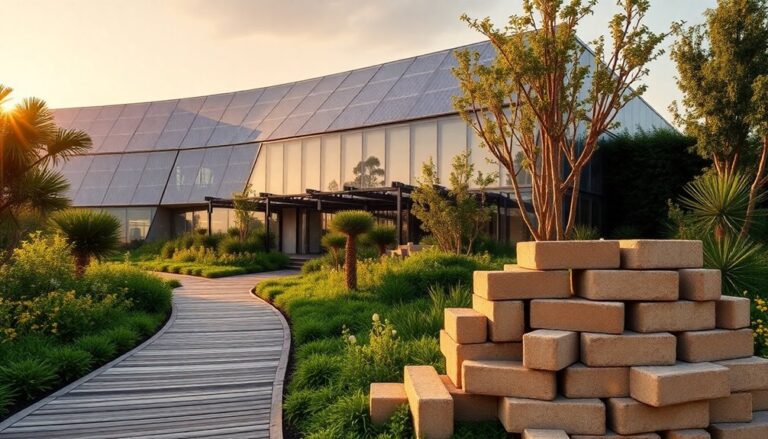
Brutalist architecture captivates with its raw honesty and functionality, emerging from post-World War II reconstruction efforts. It serves as a reflection of social progress, utilizing robust materials like concrete to create imposing, geometric forms. This style's stark appearance resonates with those seeking authenticity and a break from traditional aesthetics. As some admire its boldness, others critique its perceived uninviting nature, sparking ongoing debates about urban identity. Modern interpretations embrace sustainability, ensuring the style's relevance today. Its multifaceted narrative invites curiosity about its enduring appeal and the conversations it ignites within contemporary architecture.
Historical Context of Brutalism
Brutalism often emerged in response to the social and political upheavals of the mid-20th century. This architectural movement served as a bold declaration against the ornate styles that preceded it, reflecting the urgent needs of a society grappling with the aftermath of World War II. In the wake of destruction, nations sought to rebuild, and Brutalism provided a pragmatic solution that mirrored the spirit of post-war development. Architects focused on functionality, stripping away unnecessary embellishments to create structures that communicated strength and purpose.
The influence of social change shaped Brutalism's trajectory, as it gained traction during a period marked by rapid urbanization and an increasing demand for affordable housing and public infrastructure. Architects recognized their role as agents of progress, and they embraced the challenge of creating monumental forms that would serve the masses. Concrete, the material of choice, embodied modernity and resilience, standing as a testament to an era defined by its ambitions.
Brutalism wasn't just an architectural style; it was a manifesto for a new way of thinking about space and society. As various architectural movements emerged, Brutalism carved out its identity by prioritizing utilitarianism over aesthetics. This approach resonated with those who sought empowerment through the built environment. The buildings, often imposing and stark, became symbols of a determined society ready to face the future head-on. In this situation, Brutalism emerged not merely as a response to architectural trends, but as a formidable declaration of resilience and social responsibility.
Key Characteristics of the Style
The bold, unadorned aesthetic of Brutalism sets it apart from other architectural styles of its time. This approach to design embraces raw materials and geometric forms, creating structures that convey strength and permanence. Brutalism's essence lies in its commitment to authenticity and functionality, making it an influential choice for institutions and public buildings.
Key characteristics of Brutalist architecture include:
- Use of raw materials: Concrete is the dominant medium, often left in its natural state to showcase its true texture and color.
- Geometric forms: The style favors stark, angular shapes, giving buildings a sculptural quality that commands attention.
- Monolithic appearance: Brutalist structures often appear as massive blocks, creating an imposing presence that reflects stability and resilience.
These elements work together to establish a visual language that speaks of authority and unyielding purpose. The absence of ornamentation highlights the integrity of the materials used, as the bold geometric designs evoke a sense of modernity and innovation. Brutalism challenges conventional beauty, opting instead for a raw, honest expression of architecture that resonates with those who appreciate influence and presence.
In a world where buildings often blend into the background, Brutalist architecture stands as a testament to human ambition and creativity, leaving a lasting mark on the urban terrain. This style's unapologetic nature invites admiration and respect, making it an influential statement in any environment.
Influential Brutalist Architects
In exploring influential Brutalist architects, several key pioneers emerge who shaped the movement's identity. Their notable architectural contributions not just defined the style but additionally left a lasting impact on urban environments. Comprehending their work provides valuable insight into the essence of Brutalism.
Key Pioneers of Brutalism
A handful of architects stand out as key pioneers of Brutalism, shaping the movement with their innovative designs and philosophies. These visionaries wielded their expertise to challenge conventional aesthetics, emphasizing raw materials and functional forms. Their work not only defined a style but likewise served as significant architectural influences that still resonate today.
- Le Corbusier: Often regarded as a foundational figure, he introduced the concept of béton brut, or raw concrete, which became synonymous with Brutalism.
- Louis Kahn: His monumental structures demonstrated the potential of light and shadow, transforming the perception of concrete from cold to warm and inviting.
- Alison and Peter Smithson: This duo advocated for social housing projects that reflected the needs of everyday life, infusing Brutalism with a humanistic approach.
These Brutalist pioneers didn't merely construct buildings; they forged a new architectural language that commanded attention and demanded respect. Their legacies continue to influence contemporary design, proving that Brutalism remains a relevant and influential force in the architectural environment.
Notable Architectural Contributions
Many influential architects made significant contributions to the Brutalist movement, each leaving a unique mark on its evolution. Among them, Louis Kahn stands out with his monumental structures that blend functionality with an almost sculptural quality. His designs, like the Salk Institute, reflect a mastery of space and light, establishing urban landmarks that command attention.
Another titan of Brutalism, Paul Rudolph, pushed the boundaries of concrete in his housing complexes. His work, especially the Government Service Center in Boston, showcases Brutalist sculptures that resonate with raw strength, seamlessly integrating into the urban environment.
Marcel Breuer likewise made a profound impact, particularly with the UNESCO building in Paris. Breuer's bold use of concrete and geometric forms not just redefined the skyline but also encapsulated the essence of Brutalism as an architectural statement of strength and resilience.
Lastly, Oscar Niemeyer's innovative curves in concrete introduced a softer aesthetic, challenging the rigidity often associated with Brutalism. Together, these architects shaped a movement that transformed urban environments, leaving behind a legacy of awe-inspiring structures that continue to provoke thought and admiration.
Cultural Impact and Significance
Brutalist architecture has left a lasting impression on urban terrains and cultural identity. This architectural style, characterized by its raw, rugged concrete forms, serves as a formidable societal reflection of the values and aspirations of its time. By boldly rejecting ornamentation, Brutalism emphasizes functionality and social purpose, aiming to shape not just structures but communities.
The cultural impact of Brutalism is profound, as it resonates with various societal movements, encapsulating the spirit of a generation yearning for authenticity and strength. Its presence in the urban environment symbolizes resilience and a commitment to collective ideals.
- Brutalist buildings often serve as cultural landmarks, instilling a sense of pride and identity within communities.
- The style's boldness can inspire progressive thought, challenging conventional design norms and encouraging innovation.
- Brutalism's unapologetic form reflects the struggles and triumphs of society, engaging citizens in conversations about their environment.
In an era where superficiality often prevails, the raw honesty of Brutalist architecture offers a revitalizing contrast. It confronts the spectator with a stark reminder of the influence of space and structure in shaping human experience. As cities evolve, the cultural significance of Brutalism becomes even more pronounced, inviting discussions about heritage, identity, and the future of urban design. In the end, it demands attention and respect, proving that architecture is not just about buildings, but about the very essence of community and collective memory.
Modern Interpretations and Adaptations
Modern interpretations of Brutalist architecture showcase innovative material usage that redefines the aesthetic as well as enhancing structural integrity. Architects are increasingly adopting eco-friendly design practices, merging sustainability with the boldness of Brutalism. Furthermore, urban integration strategies allow these buildings to coexist harmoniously within diverse cityscapes, proving that Brutalism can evolve with contemporary needs.
Innovative Material Usage
Embracing innovative material usage, contemporary architects are reinterpreting the principles of Brutalism to create structures that resonate with both functionality and artistic expression. They're utilizing a diverse palette of materials, pushing the boundaries of traditional Brutalist aesthetics as they maintain an unwavering commitment to boldness and integrity. By incorporating sustainable materials, architects are not merely elevating the visual impact of their designs but additionally ensuring their projects stand the test of time.
Key aspects of this modern approach include:
- Textural Contrasts: The interplay of rough and smooth surfaces adds depth and intrigue, enhancing the sensory experience of Brutalist structures.
- Recycled Materials: Utilizing reclaimed resources not only reduces environmental impact but also tells a compelling story of renewal and resilience.
- Innovative Finishes: New treatments and coatings transform concrete into lively, engaging surfaces, broadening the architectural language of Brutalism.
Through these explorations, architects wield the capability to redefine Brutalism, crafting structures that demand attention and respect as they champion a sustainable future. In doing so, they craft a narrative that merges past ideals with present realities, creating a dynamic vision for architectural excellence.
Eco-friendly Design Practices
A growing number of architects are integrating eco-friendly design practices into their Brutalist-inspired projects, reflecting a commitment to sustainability and environmental responsibility. This shift signifies a significant movement within the architectural community, prioritizing not just aesthetics but likewise the planet's health. By employing sustainable materials, these architects are challenging the traditional perceptions of Brutalism, melding its raw, unapologetic forms with modern eco-consciousness.
Innovative use of reclaimed concrete, responsibly sourced timber, and recycled metals exemplifies this evolution. Such materials reduce waste and lower the carbon footprint, showcasing a bold commitment to the environment without compromising the distinctive Brutalist aesthetic. In addition, architects are increasingly focusing on energy efficiency. By incorporating passive design strategies, like optimizing natural light and ventilation, they're minimizing reliance on artificial energy sources.
This marriage of Brutalism and eco-friendliness positions architects as leaders in a critical narrative, proving that impactful design can coexist with ecological stewardship. As these visionary creators continue to push boundaries, they not only redefine Brutalism but also pave the way for a future where strength and sustainability are inextricably linked. The modern interpretation of Brutalism is therefore both a statement of style and a declaration of environmental commitment.
Urban Integration Strategies
Urban integration strategies for Brutalist architecture reflect a dynamic evolution that seeks to harmonize these bold structures with their surrounding environments. In an age dominated by urban renewal, architects and planners have embraced modern interpretations that prioritize community engagement and aesthetic coherence. This transformative approach guarantees that Brutalist buildings, often seen as monolithic and imposing, contribute positively to the urban environment.
Key strategies include:
- Adaptive Reuse: Transforming existing Brutalist buildings for new purposes, nurturing a sense of continuity and relevance.
- Public Spaces: Creating inviting communal areas around these structures to improve accessibility and promote social interaction.
- Green Integration: Incorporating landscaping and natural elements that soften the rigid lines of Brutalism, making them more inviting.
These strategies not only mitigate the starkness of traditional Brutalist designs but additionally empower communities to reclaim and redefine their urban spaces. By prioritizing integration, architects can raise Brutalist structures from isolated entities to crucial components of thriving urban ecosystems. This shift signals a renewed appreciation for the potential of these architectural giants to inspire and engage, aligning them with contemporary urban values.
Controversies and Criticisms
Brutalist architecture has sparked considerable debate among critics and enthusiasts alike. This architectural style, characterized by its raw concrete forms and utilitarian designs, often polarizes public perception. Detractors argue that Brutalism's imposing structures create an uninviting atmosphere, stripping urban environments of warmth and human scale. The aesthetic debates surrounding Brutalism frequently hinge on whether its starkness embodies a bold vision of modernity or simply represents architectural failure.
Critics contend that Brutalist buildings often feel cold and oppressive, leading to a sense of alienation among their inhabitants. Many urban dwellers express disdain for these monolithic structures, perceiving them as symbols of bureaucratic oppression rather than innovative design. This contention highlights a significant disconnect between architectural intent and public experience, raising questions about the role of architecture in shaping societal values.
Supporters of Brutalism, conversely, argue that its boldness and honesty reflect a commitment to social ideals and democratic access to space. They assert that the style's robust, no-frills aesthetic stands as a potent statement against the superficiality of more traditional architecture. Nonetheless, the ongoing aesthetic debates reveal a broader struggle over the identity of urban environments in an era of rapid change.
Ultimately, the controversies and criticisms of Brutalist architecture underscore an essential dialogue about the influence of design, the importance of public perception, and the enduring impact of architectural choices on society's collective consciousness.
The Enduring Allure of Brutalism
In spite of the criticisms surrounding its stark aesthetic, Brutalism continues to captivate a dedicated following. This architectural style, characterized by its raw concrete and bold geometric forms, evokes a sense of emotional resonance that transcends mere visual appeal. Enthusiasts appreciate how these structures embody strength, functionality, and a commitment to purpose. For many, Brutalism represents a defiance against conventional beauty, allowing for a deeper aesthetic appreciation rooted in authenticity and integrity.
Key reasons for this enduring allure include:
- Cultural Significance: Brutalist buildings often serve as symbols of social progress, embodying ideals of community and collective welfare.
- Timelessness: Their unyielding forms and materials resist the whims of fleeting trends, standing as monuments of resilience and permanence.
- Raw Honesty: The exposed materials and structural elements convey a sense of truthfulness, appealing to those who value straightforwardness in design.
In an era where superficiality often reigns, Brutalism's unapologetic approach offers a revitalizing alternative. Its admirers find strength in its unapologetic presence, reveling in the way these structures command attention and provoke thought. As society grapples with the intricacies of modern life, the allure of Brutalism remains, drawing in those who seek not only aesthetic fulfillment but additionally a connection to something deeper and more substantial.
Frequently Asked Questions
What Materials Are Commonly Used in Brutalist Architecture?
Brutalist architecture often showcases materials that embody strength and durability. It primarily utilizes concrete, celebrated for its robust textures and raw finishes that convey a sense of force. Architects frequently manipulate concrete to create bold forms and striking facades, ensuring the structures command attention. Incorporating elements like steel and glass improves the aesthetic, adding to the overall impact. This combination reflects a purposeful design philosophy, appealing to those who appreciate architectural fortitude and presence.
How Does Brutalism Differ From Other Architectural Styles?
Brutalism stands out like a stone fortress amid a forest of delicate trees. Its material aesthetics prioritize raw concrete and bold forms, showcasing might and resilience. Unlike other styles that often emphasize ornate details, brutalism champions functional design, focusing on utility over embellishment. This architectural approach exudes strength, as it evokes a sense of permanence and authority, appealing to those who value the unyielding presence of their surroundings in a transient world.
Are There Famous Brutalist Buildings Outside of Europe?
Yes, there are several famous Brutalist landmarks outside of Europe that showcase international influences. In the United States, the Boston City Hall stands as a prime example, embodying raw concrete aesthetics. The National Theatre in London isn't alone in its boldness; similarly, Brazil's São Paulo Museum of Art captures the spirit of Brutalism with its striking design. These structures reflect the movement's global reach and its ability to command attention through sheer presence.
What Is the Environmental Impact of Brutalist Structures?
The environmental impact of brutalist structures is significant. These buildings, with their dense materials, often contribute to increased urban heat, especially in densely populated areas. Their mass can absorb and retain heat, raising surrounding temperatures. Furthermore, the energy consumption for heating and cooling can be substantial, leading to higher carbon footprints. Nevertheless, some architects argue that their durability and low maintenance costs can mitigate these effects over time, presenting a complex challenge.
Can Brutalist Architecture Be Considered Sustainable?
In a world where structures wear armor against time, brutalist architecture stands resilient. It embraces adaptive reuse, transforming old giants into modern marvels that breathe new life into urban environments. These buildings aren't just monoliths; they're champions of energy efficiency, demanding less from the planet as they offer strength and purpose. By utilizing their raw beauty and sturdy materials, architects can create sustainable spaces that echo influence and durability for generations to come.