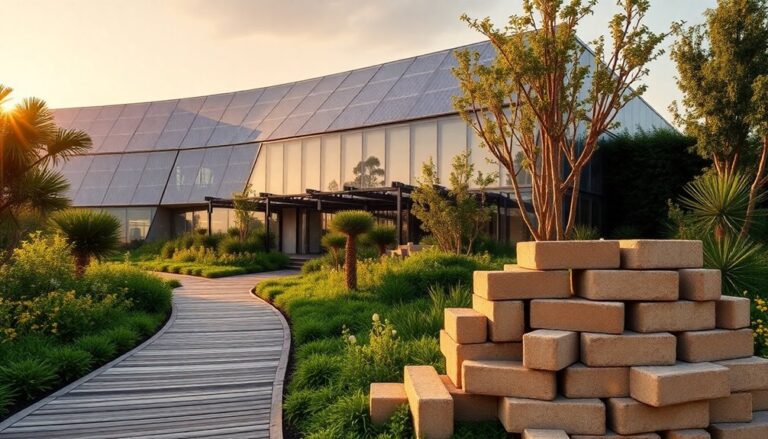
Deep beneath our feet lies a hidden world of ancient subterranean cities, luxury bunkers, and secret chambers, where architects and engineers have pushed the boundaries of human innovation. They've uncovered sophisticated ancient cities, built luxury bunkers for the elite, and repurposed urban caverns. Urban explorers have discovered hidden relics and sparked new possibilities. Designers now balance psychological and physiological factors to create functional underground spaces. From ancient ruins to sustainable innovation, the intrigue of underground architecture has captivated our imagination, and there's still more to uncover as we venture further into the unknown.
Ancient Subterranean Cities Revealed
During the 20th century, archaeologists uncovered a plethora of ancient subterranean cities that had been hidden beneath our feet for millennia. These ancient ruins, hidden from the prying eyes of conquerors and treasure hunters, held secrets of mysterious origins that had been lost to the sands of time. The discovery of these subterranean cities sparked a frenzy of interest, as scholars and enthusiasts alike sought to unravel the enigmas that shrouded these underground metropolises.
As excavations progressed, it became clear that these ancient civilizations had possessed a sophisticated understanding of architecture and engineering. The intricate tunnel systems, ornate chambers, and impressive structures that lay hidden beneath the earth's surface were a reflection of the ingenuity and craftsmanship of our ancestors. The mysterious origins of these cities, however, remained a subject of debate among scholars. Were they built as refuges from invading armies, or as sacred spaces for mystical rituals?
The ancient subterranean cities revealed a glimpse into the lives of our forebears, showcasing their resourcefulness, creativity, and determination to thrive in the face of adversity. As we continue to uncover the secrets of these ancient ruins, we are reminded of the power and resilience of human ingenuity, and the enduring legacy of our collective past.
The Rise of Modern Bunker Culture
As the Cold War era dawned, a new wave of underground architecture emerged, driven by the fear of nuclear annihilation and the desire for survival. This era marked the beginning of modern bunker culture, where survival wasn't just about hiding beneath the surface but about living in style and luxury. Bunker luxury became the new standard, with high-end amenities and cutting-edge technology integrated into these subterranean structures.
The psychology behind this phenomenon is fascinating. Survival psychology plays an important role in bunker design, as it's not just about physical protection but also mental well-being. The fear of the unknown, the anxiety of being trapped, and the pressure of isolation are all factors that architects and designers must consider. They create spaces that are not only safe but also comfortable, calming, and even indulgent.
Luxury bunkers now cater to the elite, providing a safe haven from the chaos above. They're equipped with everything from private cinemas to swimming pools, and even artificial intelligence-powered assistants. These underground oases are designed to sustain life for extended periods, offering a sense of control and power in the face of uncertainty. As the world above continues to evolve, modern bunker culture is redefining the concept of survival, making it a luxurious and exclusive experience for those who can afford it.
Hidden Worlds Beneath the Surface
As they explore the hidden territories beneath urban landscapes, architects and urban enthusiasts are exposing secret chambers and forgotten spaces. These subterranean discoveries are rewriting the history of urban development, revealing unexpected stories of human ingenuity and resilience. From abandoned subway tunnels to hidden crypts, the Points of Secret Chambers Revealed and Urban Caverns Explored offer a fascinating glimpse into the unseen world beneath our feet.
Secret Chambers Unveiled
Excavations of ancient structures have uncovered hidden chambers, revealing mysterious worlds beneath the surface that have lain undisturbed for centuries. These secret spaces, often concealed behind intricate stone carvings or hidden behind false walls, hold the keys to revealing the secrets of the past. Archaeologists have discovered cryptic relics, such as ancient texts and mysterious artifacts, which whisper hidden narratives of long-forgotten civilizations. These relics, shrouded in mystery, have sparked intense curiosity and speculation among scholars and historians.
As researchers explore further into these hidden chambers, they are met with an eerie silence, punctuated only by the faint whispers of the past. The air is thick with the weight of history, and the walls seem to reverberate with the echoes of forgotten stories. It is as if the chambers themselves are guardians of ancient knowledge, waiting to be deciphered and understood. As the secrets of these hidden worlds begin to unravel, they reveal a complex tapestry of human ingenuity, creativity, and perseverance, leaving us in awe of the architectural prowess of our ancestors.
Urban Caverns Explored
Beyond the bustling streets of modern metropolises, urban explorers have begun to uncover hidden caverns, revealing a labyrinthine network of tunnels and chambers that have been concealed beneath the city's surface for decades. These subterranean spaces, often shrouded in mystery, have sparked urban legends and fueled the imagination of those fascinated by the unknown. As adventurers explore further, they're discovering remnants of ancient cave dwellings, abandoned infrastructure, and forgotten histories.
Urban caverns, once the domain of myth and rumor, are now being systematically mapped and investigated. The allure of these hidden worlds lies not only in their historical significance but also in their potential for adaptive reuse. Abandoned tunnels and chambers are being repurposed as underground event spaces, art galleries, and even private residences. This new wave of urban exploration is not only revealing the secrets of the past but also paving the way for innovative and sustainable urban development. As the boundaries between above and below continue to blur, the mysteries of urban caverns will certainly continue to captivate and inspire those who dare to venture into the unknown.
Designing for Life Underground
Designers must carefully balance psychological and physiological considerations when creating underground spaces that promote occupant well-being and productivity. This delicate balance is essential, as the confined environment can lead to feelings of claustrophobia and isolation. By incorporating natural elements, such as green walls and LED lighting that mimics daylight, designers can mitigate these negative effects.
| Design Consideration | Psychological Impact | Physiological Impact |
|---|---|---|
| Natural Light Simulation | Reduces stress and anxiety | Regulates circadian rhythms |
| Air Quality Monitoring | Improves mood and focus | Maintains healthy oxygen levels |
| Earthquake Resilience | Enhances sense of safety | Protects against physical harm |
| Ventilation Systems | Reduces fatigue and drowsiness | Removes airborne toxins |
| Acoustic Comfort | Fosters collaboration and creativity | Reduces noise-induced stress |
To guarantee the well-being of occupants, designers must also consider the physical demands of underground living. This includes providing adequate ventilation systems to remove stale air and introducing natural elements to maintain a connection to the outdoors. Additionally, earthquake resilience must be a top priority, as the structural integrity of the underground space is paramount to occupant safety. By incorporating these design considerations, underground spaces can become thriving environments that support the health and productivity of their occupants.
The Allure of Abandoned Tunnels
As they explore the urban landscape, enthusiasts of underground architecture are drawn to abandoned tunnels, uncovering hidden passageways that reveal the city's forgotten history. These forgotten city passages, once bustling with activity, now lay dormant, waiting to be rediscovered. In these hidden urban landscapes, the allure of the unknown beckons, sparking the imagination and inspiring new possibilities.
Forgotten City Passages
Frequently, urban explorers and curious adventurers find themselves drawn to the allure of abandoned tunnels, where crumbling infrastructure and forgotten histories whisper secrets to those brave enough to listen. These forgotten city passages hold a certain mystique, a sense of Urban Mystique that beckons the brave and the curious. As they explore deeper into the depths of these tunnels, they uncover remnants of a bygone era, hidden from the prying eyes of the modern world. Among the shadows and debris, explorers often encounter intricate details that speak to the tunnel’s original grandeur, featuring gothic architecture design elements that evoke a sense of nostalgia and wonder. Stalactites hang like elegant chandeliers from the ceilings, and arches rise majestically, hinting at the skilled craftsmanship of another time. As their flashlights flicker across the damp walls, these adventurers can almost hear the echoes of footsteps and laughter, as if the past still lingers within the cold, stone confines.
The Historic Revival of these abandoned tunnels is a confirmation of the power of human ingenuity and perseverance. Despite being left to decay, these tunnels continue to captivate and inspire, their rugged beauty a confirmation of the indomitable human spirit.
Some of the most fascinating aspects of forgotten city passages include:
- Hidden Infrastructure: Abandoned tunnels often reveal concealed infrastructure, such as old utility lines, hidden rooms, and secret passages.
- Urban Legends: Forgotten city passages are often shrouded in mystery, giving rise to Urban Legends and whispers of the unknown.
- Architectural Marvels: Abandoned tunnels showcase remarkable feats of engineering and architecture, a confirmation to the ingenuity of past generations.
- Cultural Significance: These tunnels hold significant cultural value, providing a glimpse into the lives of those who came before us.
Hidden Urban Landscapes
Deep within the recesses of forgotten city passages, a hidden world of urban landscapes awaits exploration, shrouded in mystery and intrigue. These abandoned tunnels and hidden spaces have given rise to urban legends, fueling the imagination of those who dare to venture into the unknown. Forgotten infrastructure, once the lifeblood of thriving metropolises, now lies dormant, waiting to be uncovered.
As one explores deeper into these hidden urban landscapes, the allure of the unknown becomes almost palpable. Crumbling brickwork, rusty pipes, and flickering fluorescent lights create an atmosphere that is both haunting and mesmerizing. It's here that the city's secrets whisper through the walls, echoing the stories of those who once called these spaces home. For those who crave power and control, the thrill of discovery is intoxicating, and the temptation to uncover the truth is irresistible. In these hidden urban landscapes, the boundaries between reality and myth blur, and the urban explorer is left to decipher the truth from the shadows.
Subterranean Spaces of the Future
Architects and engineers are now designing subterranean spaces that will not only sustain life but also provide sustainable solutions for the future. These underground structures are being crafted to withstand the challenges of climate change, providing a safe haven for communities in the face of rising sea levels, intense storms, and droughts. The focus is on creating Climate Resilience in these subterranean spaces, where people can live, work, and thrive without worrying about the uncertainties of the surface world.
In addition to climate resilience, underground architecture is also being explored for Space Colonization. As humans look to expand their presence in space, subterranean habitats on other planets are being considered as a viable option. These habitats would provide a controlled environment, protected from the harsh conditions of the planet's surface.
Some key features of these subterranean spaces of the future include:
- Renewable Energy Systems: Harnessing geothermal energy to power these underground structures, reducing reliance on fossil fuels and minimizing carbon footprint.
- Advanced Hydroponics: Implementing sustainable farming practices to provide a stable food supply, utilizing LED lighting and recycled water.
- Innovative Waste Management: Implementing cutting-edge recycling technologies to minimize waste and maximize resource efficiency.
- Enhanced Air Quality: Creating a healthy indoor environment through advanced air filtration systems and natural ventilation.
These subterranean spaces are not only a response to the challenges of the present but also a beacon of hope for a sustainable future. As architects and engineers continue to push the boundaries of underground design, they are creating a new frontier for human habitation and exploration.
Frequently Asked Questions
Can Underground Structures Withstand Natural Disasters Like Earthquakes?
She explores the resilience of underground structures in the face of natural disasters like earthquakes. Can they withstand the fury of seismic waves? It all boils down to foundation design. A well-engineered foundation can distribute the forces of seismic activity, ensuring the structure remains intact. By incorporating seismic design principles, underground structures can ride out earthquakes, providing a safe haven for those inside.
How Do Underground Buildings Maintain Air Quality and Circulation?
She prioritizes air quality and circulation in underground buildings by implementing cutting-edge Fresh Air Systems. These innovative systems effectively exchange stale air for fresh air, ensuring a healthy indoor environment. Additionally, she employs Ventilation Strategies that optimize airflow, reducing the risk of air stagnation. By combining these approaches, she creates underground spaces that are not only safe but also comfortable and breathable.
Are There Any Health Risks Associated With Living Underground?
The joys of living underground – who wouldn't want to trade in fresh air and sunshine for the thrill of possibly glowing in the dark? On a more serious note, she's concerned about radiation exposure, a real risk when you're surrounded by earth and rock. And let's not forget isolation anxiety, a condition that'll have you clawing at the dirt ceiling. It's a small price to pay, she supposes, for the privilege of living like a mole.
Can Underground Spaces Be Designed for People With Disabilities?
Designers prioritize accessibility when creating underground spaces for people with disabilities. They incorporate accessible ramps and inclusive layouts to guarantee equal access. By doing so, they empower individuals with disabilities to navigate these spaces with confidence. With thoughtful design, underground areas can become hubs of inclusivity, fostering a sense of community and independence among all users.
How Do Architects Overcome Psychological Effects of Underground Living?
Dark, damp dens can drive dwellers daft. Architects acknowledge that cave dwellers often crave connection, combating the crippling effects of social isolation. To counter claustrophobia, they craft caverns with curved lines, cleverly concealing columns, and clever lighting that mimics daylight. By incorporating communal spaces, they foster a sense of community, helping inhabitants feel more connected, and less like they're living in a subterranean silo.