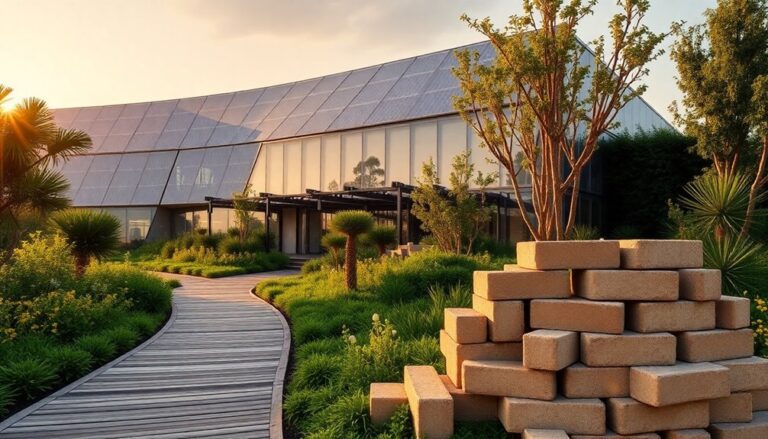
Light transforms architectural masterpieces by enhancing their aesthetics and functionality. Natural light boosts energy efficiency and improves emotional well-being, creating inviting spaces that nurture creativity. Meanwhile, innovative artificial lighting techniques, like LEDs, offer precise control over brightness and color temperature, elevating the architectural experience. Historical uses of light, such as stained glass in cathedrals, enrich cultural narratives and evoke spiritual connections. As cities embrace smart lighting solutions, they define identity and improve urban environments. The interplay of light and shadow continues to play an essential role in design, revealing the depth of architecture and inviting deeper exploration of its magic.
The Role of Natural Light
Natural light plays a transformative role in architecture, shaping both the aesthetic and functional aspects of a space. Architects utilize this natural resource to improve the energy and presence of their designs. By prioritizing daylight integration, they create environments that both invigorate and inspire. This strategic approach allows for a harmonious blend of comfort and productivity, elevating the user experience.
Light orientation is essential in maximizing the benefits of natural light. Architects analyze the sun's path and local climate conditions, ensuring that spaces receive ideal illumination throughout the day. They position windows and openings to capture the sun's rays, minimizing reliance on artificial sources while maximizing energy efficiency. This foresight not only reduces operational costs but also aligns with sustainable practices, presenting a significant declaration about environmental stewardship.
Moreover, the interplay of light and shadow adds depth and dimension to architectural forms. As sunlight filters through carefully designed elements, it creates dynamic patterns that transform interiors throughout the day. This fluidity improves the emotional impact of a space, nurturing creativity and innovation.
In competitive environments, the ability to integrate natural light effectively can set a project apart. Forward-thinking architects recognize that by utilizing daylight, they're not just illuminating spaces; they're crafting experiences that resonate on a deeper level. In the end, the role of natural light in architecture is a demonstration of the profound influence it can exert over human perception and interaction within built environments.
Artificial Lighting Techniques
Although natural light undeniably enhances architectural spaces, artificial lighting techniques play an important role in creating a well-rounded environment. These techniques empower architects and designers to shape the perception of their structures and improve their functionality. Among the most significant advancements in this field are LED technologies, which have transformed the way spaces are illuminated.
LED advancements offer unparalleled flexibility and efficiency, allowing for dynamic lighting solutions that adapt to various situations. Unlike traditional lighting, LEDs provide precise control over brightness and color temperature, enabling designers to craft the perfect ambiance for any occasion. This adaptability guarantees that each architectural masterpiece can evoke the desired emotional response, whether it's a serene atmosphere for relaxation or a lively setting for social gatherings.
Ambient lighting is another key component that complements the overall design. It serves as the foundation of any lighting scheme, filling spaces with a soft, inviting glow that highlights architectural features while minimizing harsh shadows. By integrating ambient lighting with accent and task lighting, designers create layered environments that enhance both aesthetics and functionality.
Effective artificial lighting techniques not just accentuate the beauty of architectural forms but also guarantee that spaces are usable and inviting. As architects utilize the capabilities of LED advancements and ambient lighting, they raise their designs to new heights, transforming ordinary spaces into extraordinary experiences. In this way, artificial lighting techniques become significant tools in the pursuit of architectural excellence. Moreover, the strategic application of architectural lighting design techniques allows for the seamless integration of light and shadow, adding depth and dimension to a structure’s aesthetic. By considering factors such as color temperature and light distribution, architects can create atmospheres that not only enhance functionality but also evoke emotional responses from occupants. This harmonious interplay between light and form ultimately elevates the entire architectural narrative, making each space resonate with its intended purpose and character.
Historical Use of Light
Throughout history, the interplay of light and architecture has shaped cultural expressions and functional spaces. Ancient civilizations understood that light wasn't merely a physical phenomenon; it held profound symbolic significance. From the grand temples of Egypt to the majestic cathedrals of Europe, the strategic use of light has always been fundamental to architectural design, reflecting societal values and aspirations.
Various historical perspectives reveal how different cultures utilized light to improve their architectural masterpieces:
- Egyptian Temples: Designed to align with the sun's path, these structures created awe-inspiring light effects during equinoxes, symbolizing divine connection.
- Greek Columns: The use of light and shadow accentuated the grandeur of columns, embodying harmony and proportion in their temples.
- Roman Pantheon: Its oculus allowed natural light to flood the interior, representing the heavens and connecting worshippers with the divine.
- Gothic Cathedrals: Evolving architectural techniques enabled vast stained glass windows, which transformed light into a kaleidoscope of color, improving spiritual experiences.
- Islamic Architecture: Intricate geometric patterns and reflective surfaces directed light in ways that created an ethereal atmosphere, inviting contemplation.
These examples underscore how, through the ages, light has served not just as illumination but as a transformative agent within architectural spaces, influencing human emotion and experience. As we explore the historical use of light, it becomes evident that its mastery is a crucial component of architectural influence, resonating with the legacies of those who came before us.
Stained Glass and Color
Transforming light into vivid color, stained glass has long been a hallmark of architectural beauty and spiritual expression. Its intricate designs and rich hues captivate, drawing the eye and invoking deep emotional responses. Skilled artisans employ various stained glass techniques, bending light to their will and allowing it to dance within sacred spaces. Each piece tells a story, a demonstration of human creativity and the divine.
In churches and cathedrals, stained glass windows serve not just as decorative elements but also as potent conduits of color symbolism. Different shades convey distinct meanings; for instance, blue often represents heaven and tranquility, whereas red symbolizes sacrifice and passion. This intentional use of color allows architects to create an atmosphere that uplifts the spiritual experience, encouraging reflection and connection.
The interplay of light and color transforms interiors, bathing spaces in ethereal light that shifts throughout the day. As the sun traverses the sky, stained glass windows cast ever-changing patterns, reminding viewers of the passage of time and the eternal. The harmony between architecture and stained glass reflects a mastery of design that resonates with the human spirit.
Ultimately, stained glass is more than mere decoration; it's a potent medium that improves architectural masterpieces. Its ability to utilize light and color not only beautifies spaces but also deepens the spiritual resonance of the environments they inhabit. In this way, stained glass continues to inspire awe, embodying the enduring legacy of artistic and architectural excellence.
Modern Innovations in Lighting
Modern architectural lighting has transformed how spaces are experienced, merging functionality with artistry. Today's innovations enhance architectural mastery, utilizing strength through technology. With LED advancements leading the charge, designers now create dynamic installations that fascinate and inspire. Energy optimization isn't merely a trend; it's a necessity, ensuring that these striking visual aesthetics are sustainable and efficient.
Lighting automation and smart technology have transformed control over environments, allowing for seamless integration of lighting systems. Professionals can now manipulate light intensity and color temperature to achieve precise effects, improving both the utility and allure of a space. This capability extends to interactive displays that engage occupants, turning passive observers into active participants in the architectural narrative.
Key innovations include:
- LED advancements for energy-efficient, lively lighting.
- Lighting automation that adjusts according to time and occupancy.
- Smart technology that integrates with IoT for improved control.
- Dynamic installations that shift and change to create immersive experiences.
- Architectural projections that transform surfaces into mesmerizing displays.
These elements, when combined, create a strong atmosphere that illuminates as well as enhances the essence of space. By utilizing modern innovations, architects and designers can craft environments that resonate on multiple levels, ensuring that every detail contributes to a grander narrative. This fusion of technology and artistry is reshaping how we perceive and interact with our built environment, marking a new era in architectural lighting.
Light's Impact on Mood
Light greatly influences human emotions and perceptions in architectural spaces. Natural light can uplift spirits, whereas the color temperature of artificial light can create cozy or energizing atmospheres. Furthermore, the dynamics of shadow play add depth and intrigue, shaping how people feel in a given environment.
Natural Light Effects
Amid the interplay of shadows and sunshine, natural light profoundly influences human emotions and well-being. Architects utilize the strength of daylight harvesting and solar orientation to create spaces that enhance moods and inspire action. By controlling how light enters a building, they can evoke feelings of tranquility or dynamism, depending on the desired effect.
Consider the following impacts of natural light:
- Enhanced Productivity: Well-lit environments boost focus and efficiency.
- Increased Happiness: Access to sunlight raises serotonin levels, combating stress and anxiety.
- Improved Health: Natural light supports circadian rhythms, promoting better sleep patterns.
- Social Connectivity: Bright, inviting spaces encourage interaction and collaboration among occupants.
- Aesthetic Appeal: The play of light and shadow on architectural features creates visual intrigue.
Incorporating these elements into design enriches the architectural experience while empowering individuals to thrive within those spaces. By prioritizing natural light, architects wield a transformative tool, crafting environments that resonate on a deeper emotional level, and define the quality of life within their creations.
Color Temperature Influence
The warmth or coolness of a space can dramatically shape the emotions of its occupants. Architects and designers wield this influence by manipulating color temperature to create specific atmospheres that resonate deeply with individuals. Warmer lights—those with a lower color temperature—instill feelings of comfort, intimacy, and relaxation. They beckon occupants to linger, nurturing connections and enhancing collaboration in spaces designed for interaction.
Conversely, cooler lights, characterized by higher color temperatures, evoke clarity and focus. They stimulate alertness and productivity, making them ideal for environments like offices and learning centers. This strategic use of light not merely influences color perception but additionally establishes a mood that can drive performance and creativity.
Understanding the nuances of color temperature allows architects to utilize light's emotional resonance, crafting spaces that inspire confidence and ambition. By thoughtfully integrating these principles, they create environments that don't just meet functional needs but also improve the human experience. In the area of architectural design, mastery over color temperature is not merely an aesthetic choice; it's a significant tool for shaping behavior and encouraging desired outcomes.
Shadow Play Dynamics
Shadows dance across surfaces, creating dynamic interactions that greatly influence mood and perception in architectural spaces. Through strategic use of shadow manipulation techniques, architects wield shadows as influential tools to evoke emotion and shape experiences. The interplay between light and shadow can enhance an environment from mundane to extraordinary, nurturing a sense of grandeur and intimacy.
Consider these key aspects of shadow play dynamics:
- Contrast Effects: Sharp shadows can create a dramatic tension, enhancing a space's energy.
- Mood Setting: Soft shadows evoke calmness, whereas harsher shadows can instill a sense of urgency.
- Spatial Perception: Shadows can alter how one perceives size and depth, broadening or compressing a space.
- Focus Areas: By guiding the eye with shadows, architects can highlight focal points, drawing attention where it matters.
- Temporal Changes: As the sun moves, shadows shift, providing a dynamic aspect that changes the atmosphere throughout the day.
Ultimately, comprehending shadow play dynamics allows architects to craft environments that serve well but resonate deeply with their occupants, transforming mere spaces into impactful experiences.
Case Studies of Iconic Structures
In exploring the interplay of light and architecture, several iconic structures stand out for their innovative illumination. The Louvre Pyramid, Sydney Opera House, and the Colosseum each showcase how strategic lighting transforms their appearance and amplifies their significance. These case studies illustrate the profound impact of light in shaping architectural experiences.
Louvre Pyramid Illumination
Illuminating the Louvre Pyramid offers a stunning example of how light can transform architecture into a dynamic visual experience. This iconic structure, designed by I. M. Pei, stands as a beacon of modernity amid the historical Louvre Museum. Its architectural illumination is nothing short of revolutionary, elevating the pyramid's glass and metal façade into a fascinating spectacle at night.
Key aspects of the Louvre Pyramid's illumination include:
- Strategic Lighting: Employing LED technology to highlight geometric lines and angles.
- Mood Creation: Utilizing varying intensities to evoke different emotional responses.
- Sustainable Design: Incorporating energy-efficient solutions that respect the environment.
- Cultural Significance: Reflecting the fusion of contemporary and classical design principles.
- Visitor Attraction: Improving the nighttime allure, drawing crowds and driving tourism.
This mastery of light not just improves the Louvre Pyramid's architectural beauty but additionally reinforces its status as a global icon. The interplay of illumination and structure exemplifies how influential design can redefine a space, making it a formidable subject of study in architectural illumination.
Sydney Opera House Lighting
The Sydney Opera House stands as another remarkable example of how lighting can improve architectural beauty and create an unforgettable visual experience. Its innovative lighting design not just accentuates the structure's iconic silhouette but additionally enriches performance, drawing audiences into a world of cultural symbolism and artistic expression.
The interplay of light and shadow at night transforms the Sydney Opera House into a beacon of architectural harmony, amplifying its visual impact against the backdrop of the harbor. The strategic use of lighting creates a dynamic ambiance that captivates visitors, making it a true cultural landmark.
| Aspect | Description | Impact |
|---|---|---|
| Lighting Design | Integrates with the building's curves | Enriches architectural beauty |
| Performance Enhancement | Illuminates the stage and audience | Raises artistic presentations |
| Nighttime Aesthetics | Projects colors and patterns on the sails | Creates a stunning visual spectacle |
| Cultural Symbolism | Represents Australia's identity | Unifies communities through art |
Through its iconic illumination, the Sydney Opera House not just showcases exceptional design but furthermore enhances the nighttime aesthetics of its surroundings, ensuring its legacy as a significant symbol of creativity and innovation.
Colosseum Nighttime Transformation
How does the Colosseum transform at night to fascinate its audience? With a masterful application of Colosseum illumination techniques, this ancient marvel emerges as a symbol of strength and grandeur against the night sky. The strategic lighting highlights its imposing arches and intricate details, creating an enchanting spectacle that draws viewers in.
To utilize its nighttime allure, one can consider these key aspects:
- Spotlighting: Focused beams accentuate the Colosseum's architectural features.
- Ambient Lighting: Soft illumination around the structure amplifies its majestic presence.
- Color Variations: Subtle color shifts evoke different moods, showcasing the Colosseum's versatility.
- Reflections: Utilizing nearby water sources creates mesmerizing mirror effects.
- Nighttime Photography Tips: Adjusting exposure settings and using a tripod captures the magic in stunning detail.
The interplay of light and shadow transforms the Colosseum into a breathtaking masterpiece, commanding attention and respect. As visitors stand in awe, they witness not just a structure, but a formidable narrative of history illuminated by the brilliance of modern techniques. This nightly transformation is a reflection of the enduring legacy of architecture and artistry.
The Dance of Shadows
Shadowplay evokes a sense of mystery and intrigue in architectural design, transforming static structures into dynamic canvases. The interplay of shadows and light contrast creates a visual narrative that captivates and engages. Architects utilize this dance of shadows to improve their creations, breathing life into cold materials. By manipulating shadow aesthetics, they craft environments that provoke thought and evoke emotion.
Consider a grand cathedral, where towering columns cast elongated shadows that stretch across the floor. As sunlight filters through stained glass, it ignites a spectrum of colors, further enriching the shadowed areas. This dramatic contrast doesn't merely illuminate; it narrates a story of faith and grandeur, inviting all who enter to experience its majesty.
In urban environments, shadows can redefine the skyline. A sleek skyscraper, adorned with glass and steel, generates sharp, angular shadows that dance across the pavement. This bold play improves the structure's dominance, asserting its presence in the midst of competing edifices. Such strategic design not only emphasizes influence but invites admiration and respect.
The strength of shadowplay lies in its ability to engage the senses. It draws people in, urging them to explore the hidden intricacies of a space. When architects master the art of shadows and light, they uplift their designs beyond mere functionality, creating immersive environments that resonate deeply. Through this dance of shadows, architectural masterpieces become more than structures; they transform into stories waiting to be discovered.
Sustainable Lighting Solutions
Sustainable lighting solutions are becoming crucial in modern architecture, as they focus on energy efficiency and environmental responsibility. Architects are increasingly incorporating energy-efficient lighting technologies, maximizing natural light, and implementing smart lighting systems to reduce energy consumption. These innovations not just improve aesthetic appeal but in addition contribute to a more sustainable future.
Energy-Efficient Lighting Technologies
The rise of energy-efficient lighting technologies has transformed the way architects and designers approach illumination in their projects. With advancements in LED technology, professionals can now create stunning visuals whilst achieving remarkable energy savings. Incorporating these innovative solutions not solely improves architectural beauty but additionally boosts energy efficiency.
Key aspects of energy-efficient lighting technologies include:
- LED technology advancements: Offering longer lifespans and reduced energy consumption.
- Solar powered fixtures: Utilizing renewable energy for outdoor and remote applications.
- Adaptive lighting solutions: Adjusting brightness based on occupancy and natural light availability.
- Smart grid applications: Integrating lighting systems with smart grids for optimized energy management.
- Lighting design integration: Merging aesthetics with function to minimize light pollution and improve user experience.
These eco-friendly innovations represent a commitment to sustainable materials selection and architectural energy efficiency. As architects utilize these technologies, they not solely improve their projects but contribute to a broader movement in the direction of environmental stewardship. By prioritizing energy-efficient lighting, they illuminate the path to a brighter, more sustainable future.
Natural Light Utilization
Utilizing the strength of natural light can greatly improve both the aesthetics and functionality of architectural spaces. By embracing daylight harvesting techniques, architects utilize the sun's energy to illuminate interiors, creating lively environments that inspire creativity and productivity. Maximizing the use of windows, skylights, and light tubes allows for ideal light diffusion, reducing reliance on artificial lighting and minimizing energy costs.
Natural light not only improves visual appeal but also influences mood and well-being. Spaces flooded with sunlight cultivate a sense of openness and connection to the outdoors, creating a strong atmosphere that captivates inhabitants. Thoughtful design choices, such as strategically placed overhangs and reflective surfaces, can guide and soften sunlight, ensuring it penetrates deeper into buildings while avoiding glare.
Moreover, sustainable practices like using high-performance glazing can greatly improve energy efficiency, allowing structures to thrive in harmony with their environment. By championing natural light utilization, architects position themselves as leaders in sustainable design, crafting spaces that resonate with both purpose and beauty. The transformative energy of light maximizes architectural potential, ensuring that every space serves its function while embodying a commitment to environmental stewardship.
Smart Lighting Systems
Smart lighting systems transform how we interact with and manage illumination in architectural spaces. These advanced solutions leverage smart technology to improve both aesthetics and functionality. By utilizing automated controls, these systems respond intuitively to the environment, optimizing energy usage as they elevate the architectural experience.
Key benefits of smart lighting systems include:
- Energy Efficiency: Noticeably reduces energy consumption through adaptive brightness.
- Improved Ambiance: Adjusts lighting dynamically to suit various events or moods.
- Remote Management: Allows users to control lighting via smartphones or tablets, providing unparalleled convenience.
- Integration with Other Systems: Seamlessly connects with HVAC and security systems for thorough building management.
- Data Analytics: Gathers insights on usage patterns, enabling informed decisions on energy saving.
Cultural Significance of Light
Light holds profound cultural significance across various societies, often symbolizing life, hope, and divinity. From ancient civilizations to modern cultures, light has played an essential role in shaping beliefs and practices. It acts as a catalyst for cultural rituals, illuminating sacred spaces and enhancing the sense of reverence. In temples, churches, and other spiritual edifices, light is deliberately orchestrated to invoke a connection between the divine and the earthly.
For many, light embodies spiritual symbolism, representing enlightenment and the quest for knowledge. The interplay of light and shadow within architectural masterpieces often serves to evoke emotional responses, guiding the observer toward deeper introspection. This dynamic relationship highlights not just the aesthetic qualities of light, but its capacity to raise the human experience.
Architects and designers understand this cultural significance and strategically incorporate natural and artificial light into their creations. The lively hues of stained glass in cathedrals or the warm glow of lanterns during festivals are examples of how light can transform architectural spaces. These elements nurture a sense of community and belonging, reinforcing shared values and traditions.
Moreover, light's role in cultural narratives extends to celebrations and memorials, where it symbolizes remembrance and hope for the future. Whether through flickering candles or dazzling fireworks, light captures the essence of human emotion and connection. Therefore, the cultural significance of light is not merely an aesthetic consideration; it's an influential force that shapes human experience and societal values.
Lighting in Urban Spaces
In urban environments, the strategic use of lighting transforms not just architecture but the overall experience of public spaces. Urban lightscapes play an essential role in defining city identity and nurturing community engagement. By integrating light into the fabric of urban design, cities can improve architectural contrasts and create lively installations that captivate residents and visitors alike.
Lighting serves as a potent tool for urban renewal, revitalizing neglected areas and turning them into animated destinations. Nighttime aesthetics raise the mundane, inviting people to explore their surroundings after dark. This transformation is often showcased during light festivals, where cities celebrate creativity and innovation through stunning displays.
Key aspects of effective lighting in urban spaces include:
- Improving safety: Well-lit areas deter crime and encourage nighttime activity.
- Nurturing community engagement: Interactive installations invite participation and connection.
- Creating iconic landmarks: Strategic lighting highlights architectural features, making structures unforgettable.
- Balancing design integration: Cohesive lighting blends seamlessly with the environment, avoiding light pollution.
- Encouraging economic growth: Lively public spaces attract businesses and increase foot traffic.
As urban planners and architects embrace these principles, they contribute to the creation of dynamic urban environments that resonate with the community. The magic of light in urban spaces doesn't just illuminate; it empowers cities to thrive and evolve, ensuring that they remain lively and engaging for all who inhabit them.
Future Trends in Architectural Lighting
Embracing innovative technologies is set to transform architectural lighting in the coming years. The integration of biophilic design principles will improve human connection to nature, creating environments that promote well-being and productivity. Designers will utilize dynamic lighting systems that adapt to natural light patterns, promoting a seamless interaction between indoor and outdoor spaces.
As this evolution unfolds, several key trends are emerging in architectural lighting:
| Trend | Description | Impact on Architecture |
|---|---|---|
| Smart Lighting | Integration of IoT for personalized control | Improves user experience |
| Energy Efficiency | Use of LED and solar technologies | Reduces operational costs |
| Dynamic Lighting | Lighting that changes color and intensity | Raises mood and ambiance |
| Biophilic Design | Incorporating natural elements into lighting design | Fortifies emotional connections |
| Sustainability | Focus on eco-friendly materials and practices | Promotes environmental responsibility |
With the rise of smart cities, architectural lighting will increasingly rely on data analytics to optimize energy consumption and user comfort. Dynamic lighting not only influences aesthetics but also plays a vital role in improving safety and security. As architects and designers embrace these advancements, they'll create spaces that are not only visually stunning but also resonate deeply with occupants.
In this era of transformation, the strength of light will redefine architectural settings, forging a path toward more sustainable, engaging, and intelligent built environments.
Frequently Asked Questions
How Does Lighting Influence Architectural Styles Across Different Cultures?
Lighting shapes architectural styles by reflecting cultural perceptions and historical significance. In various cultures, the use of light can symbolize spiritual beliefs or societal values. For instance, in ancient Greece, sunlight accentuated the grandeur of temples, whereas in Japan, soft lighting creates harmony within traditional structures. These elements not just improve aesthetic appeal but furthermore evoke emotional connections, demonstrating how light influences design choices and embodies the essence of a culture's identity and heritage.
What Are Some Common Misconceptions About Architectural Lighting?
Many people believe architectural lighting's only purpose is to provide visibility. In reality, it's much more nuanced; it improves natural light and creates compelling shadow play. Some think artificial lighting can replace natural light's beauty, but it can't replicate its warmth and dynamic quality. Others assume all lighting is the same, ignoring how different techniques can dramatically alter a space's ambiance. Comprehending these misconceptions empowers designers to create more impactful environments.
How Can Lighting Enhance Outdoor Architectural Features?
Lighting can greatly improve outdoor architectural features by highlighting textures and creating shadows that draw attention. It transforms surfaces into dynamic elements, revealing intricate details that might otherwise go unnoticed. By strategically positioning lights, designers can manipulate the perception of space, adding depth and dimension. This influential technique not just accentuates the beauty of structures but additionally evokes emotion, leaving a lasting impression on those who experience the illuminated environment.
Are There Famous Architects Known for Their Innovative Use of Light?
In the domain of architecture, certain visionaries wield light design like a painter's brush, creating stunning visual narratives. Renowned architects like Louis Kahn and Tadao Ando masterfully utilize light to evoke architectural symbolism, transforming mere structures into profound experiences. Their innovative use of natural light not just improves spatial dynamics but additionally raises the emotional resonance of their designs, compelling viewers to engage with the built environment in a potent, transformative way.
What Role Does Technology Play in the Evolution of Architectural Lighting?
Technology plays an essential role in the evolution of architectural lighting. It's transformed spaces with smart lighting systems that adapt to users' needs, enhancing both functionality and aesthetics. Architects leverage these advancements to create dynamic environments that prioritize energy efficiency. By integrating automated controls and energy-saving solutions, they guarantee buildings respond intelligently to natural light and occupancy, in the end shaping a more sustainable and potent architectural vision that captivates and inspires.