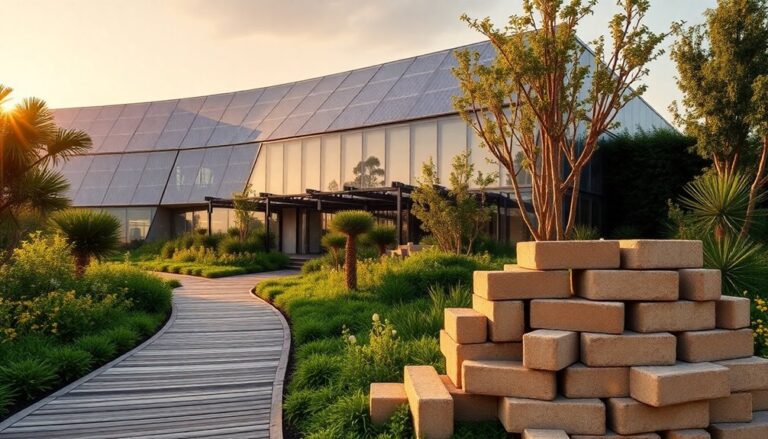
The magic of motion in dynamic structures captivates through its innovative design and adaptability. These architectural marvels respond to environmental factors, using advanced materials and technologies for real-time transformation. From kinetic sculptures to movable facades, they engage users during enhancing space functionality. Historical foundations reveal how past innovations influenced modern dynamic architecture. By integrating aesthetics with motion, these structures evoke emotional responses and create compelling narratives. As urban living evolves, the significance of dynamic design increases, presenting exciting possibilities. To uncover the full spectrum of impact and innovation in this field, one might explore further.
Defining Dynamic Structures
Defining dynamic structures involves grasping their adaptability and responsiveness to changing conditions. These creations, often referred to as dynamic architecture, embody the principles of motion that allow them to transform in real-time. They're not mere static edifices; they're living entities that engage with their environment, responding to factors such as wind, temperature, and human interaction.
Dynamic structures utilize state-of-the-art engineering and design, employing sophisticated materials and technology. This adaptability isn't merely a feature; it's a necessity in a world where environmental challenges are ever-increasing. By integrating motion principles into their design, architects and engineers create spaces that both withstand the test of time and improve user experience and engagement.
These structures often employ kinetic elements that can shift and change, creating unique interactions. For instance, a building may open its facade to allow for natural ventilation or retract components for improved sunlight exposure. This fluidity isn't simply a design choice; it empowers occupants by providing environments that can evolve to meet their needs.
In this pursuit of excellence and influence, dynamic structures represent a significant advancement in architectural innovation. They redefine the limits of what a building can achieve, marrying aesthetics with efficiency and functionality. As society leans into the future, awareness and utilizing the influence of dynamic architecture will be essential to thriving in an ever-changing environment.
Historical Context of Motion
The historical context of motion reveals how ancient architectural innovations laid the groundwork for future advancements. During the Renaissance, engineers pushed boundaries with breakthroughs that transformed design and function. In modern times, kinetic artistry has emerged, blending aesthetics with movement in dynamic structures.
Ancient Architectural Innovations
In ancient civilizations, architects pushed the boundaries of design by integrating innovative techniques that allowed structures to adapt and respond to their environments. Their mastery of ancient techniques not merely showcased their ingenuity but additionally laid the groundwork for future advancements in architectural design. They comprehended the vital role of structural flexibility in ensuring longevity and stability in the face of natural forces.
Key innovations that exemplified their prowess included:
- Earthquake-resistant structures: Buildings were designed with flexible materials and joints, enabling them to sway without collapsing during seismic events.
- Cantilevered designs: This technique allowed for overhanging structures, creating dynamic forms that challenged gravity and expanded usable space.
- Ventilation systems: Architects employed strategic openings and airflow principles, promoting comfort and adaptability in varying climates.
These ancient innovations not merely exemplified the architects' ambition but additionally demonstrated a profound comprehension of dynamic forces. By utilizing structural flexibility, they created enduring monuments that still inspire modern architects, reminding us that the strength of motion in design has roots deep in history.
Renaissance Engineering Breakthroughs
Renaissance engineering breakthroughs marked a pivotal shift in architectural design, as engineers and architects began to embrace the principles of motion and balance. This era ignited a passion for innovation, leading to the development of sophisticated Renaissance machinery that transformed static structures into dynamic works of art. Architects like Brunelleschi and Michelangelo utilized mechanical principles, pushing the boundaries of what was possible and creating buildings that exuded strength and elegance.
Amidst this wave of creativity, architectural fluidity emerged as a defining characteristic. Structures no longer merely stood; they danced in harmony with their surroundings, reflecting the natural world's rhythm and grace. The ingenious use of pulleys, levers, and gears allowed for greater adaptability in design, enabling the seamless integration of form and function.
These breakthroughs didn't just improve aesthetics; they empowered society, signaling a new era of human capability. The marriage of art and engineering during the Renaissance laid the groundwork for future advancements, proving that the fusion of motion and architecture could create structures that inspired awe and commanded respect. This legacy of innovation continues to influence the architectural environment today, reminding us of the strength of dynamic design.
Modern Kinetic Artistry
Kinetic sculptures, often crafted from metal, wood, or plastic, have become a hallmark of modern artistry, reflecting a deep-rooted fascination with motion. This dynamic expression of creativity enables artists to challenge traditional boundaries and engage spectators in impactful ways. As the art form evolves, it manifests in various forms, including striking interactive installations that beckon viewer participation.
The allure of modern kinetic artistry lies in three crucial elements:
- Transformation: Kinetic sculptures often change shape or movement, enchanting observers and creating an ever-shifting narrative.
- Engagement: Interactive installations invite audiences to become part of the artwork, forging a compelling connection and enhancing personal experience.
- Technology: The integration of advanced technologies—like motors, sensors, and programming—revolutionizes how motion is perceived and experienced.
This fusion of art and technology demonstrates the ingenuity of the artists while reflecting society's relentless pursuit of innovation. As kinetic art continues to flourish, it serves as an impactful reminder of motion's potential to inspire, provoke thought, and ignite passion in those who dare to engage with it.
Types of Dynamic Structures
Dynamic structures can be categorized into several distinct types, each serving unique purposes and functionalities. Kinetic sculptures exemplify art that utilizes motion, enchanting viewers as they demonstrate the strength of kinetic energy. These stunning forms transform spaces, creating immersive experiences that leave a lasting impact.
Movable facades represent another type of dynamic structure, where building exteriors adapt to environmental changes. These facades improve energy efficiency and aesthetic appeal, showcasing the versatility of responsive architecture. As climates shift, these structures proactively respond, embodying resilience and innovation.
Responsive architecture takes this concept further, incorporating technology that allows buildings to react to human presence or external stimuli. This adaptability not merely optimizes comfort but additionally raises the user experience, making the architecture itself a participant in the environment.
Adaptive reuse breathes new life into old structures, transforming them into lively spaces that serve modern needs. By integrating dynamic elements, these revitalized buildings illustrate the potential of fluid dynamics, merging the old with the new as they honor historical significance.
Oscillating structures, often seen in bridges or pavilions, are designed to absorb and dissipate forces, improving stability and safety. Their movement not only serves a functional purpose but furthermore adds an element of spectacle.
Finally, interactive installations invite engagement, allowing users to influence their surroundings. These dynamic works cultivate a sense of connection, inviting audiences to explore the interplay between art, architecture, and human interaction. Each type of dynamic structure embodies a significant statement about the possibilities of movement.
Mechanisms of Movement
The various types of dynamic structures rely on sophisticated mechanisms of movement to execute their designed functions. Comprehending these mechanisms is essential for utilizing their full potential, as they transform kinetic energy into purposeful motion. The interplay of motion mechanics guarantees that each dynamic structure performs with precision and efficiency.
Three key mechanisms underpin the movement of dynamic structures:
- Actuation Systems: These systems convert various forms of energy—such as electrical or hydraulic—into mechanical motion. By utilizing potent actuators, dynamic structures can achieve remarkable fluidity in their movements.
- Structural Flexibility: The inherent flexibility of materials plays a significant role in motion mechanics. Dynamic structures often incorporate adaptable components that respond to external forces, allowing for graceful motion without compromising stability.
- Control Algorithms: Advanced control systems govern the choreography of motion. By analyzing real-time data, these algorithms optimize movement, guaranteeing that kinetic energy is used efficiently, leading to improved performance.
Together, these mechanisms create a symphony of movement that captivates and empowers. The mastery of motion mechanics not only enhances the functionality of dynamic structures but also opens avenues for innovation and exploration. Those who grasp the intricacies of these mechanisms will find themselves at the forefront of technological advancement, wielding the capability of motion in ways previously thought impossible.
Environmental Interaction
In examining environmental interaction, one must consider how wind and weather effects influence structural performance. Dynamic structures must demonstrate adaptability and resilience to withstand these changing conditions. Comprehending these factors is essential for designing buildings that respond effectively to their surroundings.
Wind and Weather Effects
Wind and weather play a crucial role in shaping dynamic structures, influencing their design and performance. Engineers must account for wind pressure and weather resistance to guarantee these structures can withstand nature's forces. Ignoring these elements could lead to catastrophic failures, undermining the very essence of dynamic architecture.
To comprehend the significance of wind and weather effects, consider these critical factors:
- Wind Load Analysis: Calculating wind pressure is fundamental. It determines how a structure will respond to varying wind speeds, assuring stability and safety.
- Material Durability: Weather resistance relies on selecting materials that can endure harsh environmental conditions. This choice directly affects the longevity and maintenance needs of the structure.
- Aerodynamic Design: The shape of a dynamic structure can mitigate wind pressure. Streamlined forms reduce drag and improve stability, allowing the structure to thrive in turbulent conditions.
Incorporating these principles empowers architects and engineers, allowing them to create resilient structures that not only withstand the elements but also utilize the beauty of movement. By embracing wind and weather, dynamic structures become more than mere buildings; they transform into living entities, resilient and potent in their environment.
Structural Adaptability and Resilience
Designing dynamic structures involves more than just addressing wind and weather; it furthermore requires a focus on structural adaptability and resilience in response to environmental interactions. Architects and engineers must embrace adaptive reuse and resilient design principles to guarantee that structures can withstand and adapt to shifting conditions. These strategies not only improve longevity but also empower communities by cultivating environments that thrive amid change.
| Aspect | Adaptive Reuse | Resilient Design |
|---|---|---|
| Definition | Repurposing existing structures | Creating systems that endure |
| Benefits | Sustainability, cost-effectiveness | Disaster mitigation, safety |
| Examples | Converting warehouses into apartments | Flood-resistant infrastructures |
The integration of adaptive reuse and resilient design principles transforms how structures interact with their environments. By prioritizing these elements, architects craft spaces that are not just functional but also dynamic, capable of evolving with the needs of their occupants. This influential approach guarantees that buildings contribute to the community's strength, offering both aesthetic value and solid solutions to environmental challenges. In this way, dynamic structures become more than mere edifices; they transform into resilient lifelines for future generations.
Aesthetic Appeal in Design
Aesthetic appeal plays a crucial role in shaping the perception of dynamic structures, influencing how individuals interact with and experience their environments. In a world where competition for attention is fierce, the integration of aesthetic harmony and visual dynamism becomes critical. Designers must master the art of engaging their audience through forms that resonate deeply and evoke strong emotional responses.
To achieve this, they often focus on three key elements:
- Proportional Balance: Striking the right proportions guarantees that every component of a dynamic structure contributes to its overall appeal, improving visual harmony and inviting engagement.
- Fluid Motion: The seamless integration of movement not only adds excitement but also underscores the structure's purpose, creating a sense of liveliness that draws people in.
- Material Selection: Choosing the right materials can greatly impact the aesthetic experience. Textures and colors that reflect light and shadow dynamically can transform the perception of space, making it feel alive.
When these elements come together, they create a strong narrative that raises the structure beyond mere functionality. The result is an environment where individuals feel compelled to engage, interact, and immerse themselves. Such allure isn't just about beauty; it's about establishing a presence that commands respect and admiration. In the domain of dynamic structures, aesthetic appeal is not merely an accessory; it's a strategic advantage that improves one's vision and impact on the world.
Case Studies of Innovation
Dynamic structures have long served as a canvas for innovation, showcasing how creativity can transform functional spaces into engaging environments. In recent years, urban revitalization projects have illustrated this transformation with remarkable success. These initiatives not merely breathe life back into neglected areas but likewise redefine community interactions through the integration of dynamic architectural elements.
One notable case is the *High Line* in New York City, a repurposed raised railway that now serves as a linear park, seamlessly blending nature and urban life. This project won numerous architectural competitions, proving that innovative design can reclaim urban spaces for the public good.
To further emphasize the impact of dynamic structures, consider the following table outlining key case studies:
| Project Name | Location |
|---|---|
| High Line | New York City, USA |
| National Gallery of Canada | Ottawa, Canada |
| The Shed | New York City, USA |
| Bosco Verticale | Milan, Italy |
These examples reveal how dynamic architecture not solely augments aesthetic appeal but also serves as a catalyst for economic growth and community engagement. As cities evolve, the emphasis on innovative design through architectural competitions continues to flourish, encouraging forward-thinking solutions that challenge the status quo. Consequently, dynamic structures become crucial in shaping resilient urban environments, allowing cities to adapt and thrive amidst the intricacies of modern life.
Future Trends in Architecture
As cities face increasing challenges from climate change and population growth, innovative architectural trends are emerging to address these pressing issues. Architects and urban planners are utilizing the strength of sustainable design and technological advancements to create dynamic structures that resonate with the demands of the modern world. These trends not only promise resilience but also serve as a blueprint for future urban environments.
- Smart Materials: Utilizing adaptive materials that respond to environmental stimuli, architects can design buildings that adjust to varying conditions, enhancing energy efficiency and comfort.
- Biophilic Design: Integrating natural elements into urban settings cultivates a connection with nature, promoting mental well-being and environmental harmony. This trend emphasizes the importance of greenery in urban architecture.
- Modular Construction: By employing prefabricated units, architects streamline the building process, reducing waste and construction time as well as maintaining high standards of quality. This approach additionally supports sustainable design principles by minimizing the carbon footprint.
These trends signify a paradigm shift in architecture, where the focus lies in creating structures that are not only visually striking but also functional, sustainable, and resilient. As the industry embraces these advancements, the future of architecture appears promising, poised to meet the demands of a swiftly changing environment while strengthening communities through innovative design. The integration of technology and sustainability will define the next era of urban living, ensuring that cities thrive amidst challenges.
Challenges and Considerations
Steering through the intricacies of modern architecture involves addressing numerous challenges and considerations that impact both design and implementation. As architects push the boundaries of dynamic structures, they encounter significant motion challenges that require innovative solutions. The ability to integrate movement into a building's design isn't merely about aesthetics; it's about guaranteeing that such designs are functional, safe, and sustainable.
Structural considerations play a pivotal role in overcoming these motion challenges. Engineers must evaluate the implications of dynamic elements on stability and load distribution. They need to confirm that these structures can withstand environmental forces like wind and earthquakes as they maintain their intended motion. This balance between beauty and engineering is no small feat; it requires careful calculations and advanced materials that can endure the stress of movement.
Moreover, the integration of technology adds another layer of complexity. Architects must select materials and systems that not only facilitate motion but additionally harmonize with the overall design vision. They're tasked with predicting how these elements will interact over time, necessitating ongoing assessments and adaptations.
In essence, the pursuit of dynamic architecture demands a strategic approach to both design and engineering. Forward-thinking professionals must embrace these challenges, leveraging innovation and collaboration to create structures that embody both artistic flair and structural integrity. By addressing these motion challenges and structural considerations head-on, they can redefine the future of architecture, setting new standards for what's possible in the field of dynamic structures.
Frequently Asked Questions
How Do Dynamic Structures Impact Energy Efficiency in Buildings?
Dynamic structures considerably improve energy efficiency in buildings. They adapt to environmental conditions, optimizing energy consumption and maximizing energy savings. By incorporating sustainability measures, these structures reduce reliance on traditional energy sources, leading to lower operational costs. As they respond to changing weather patterns and occupancy levels, they guarantee that energy use remains efficient. In the end, dynamic structures empower architects and developers to create more sustainable, cost-effective buildings that align with modern energy demands.
What Materials Are Best Suited for Dynamic Architecture?
In a world where innovation meets ambition, the choice of materials can transform visions into reality. For dynamic architecture, smart materials and lightweight composites reign supreme. These materials adapt to environmental changes, enhancing energy efficiency as they provide structural resilience. Their versatility empowers architects to push boundaries, creating spaces that breathe and respond. With smart technologies embedded in lightweight designs, they forge a future where buildings are not just structures, but dynamic entities that inspire awe.
Can Dynamic Structures Withstand Extreme Weather Conditions?
Dynamic structures can certainly withstand extreme weather conditions when designed with storm resilience in mind. Engineers prioritize structural integrity, utilizing advanced materials and innovative designs that flex and adapt during harsh events. They integrate features like aerodynamic shapes and flexible connections, allowing buildings to absorb and dissipate energy. By focusing on these elements, dynamic structures not just survive severe storms but also maintain their aesthetic appeal and functionality, showcasing the strength of modern architecture.
How Is Motion Controlled in Dynamic Building Designs?
In dynamic building designs, controlling motion relies on advanced technology and innovative concepts. Designers integrate motion sensors to detect environmental changes and respond accordingly. These sensors trigger kinetic design elements, enabling structures to adapt to shifting conditions. By utilizing real-time data, they optimize performance, ensuring stability and efficiency. This potent combination of automation and responsive architecture enhances dynamic structures, allowing them to seamlessly navigate challenges as they showcase their state-of-the-art capabilities.
What Are the Maintenance Requirements for Dynamic Structures?
Dynamic structures demand careful maintenance to guarantee peak performance. Regular preventive maintenance is essential, as it helps identify potential issues before they escalate. Routine inspections allow engineers to assess the systems' functionality and structural integrity, guaranteeing safety and efficiency. These proactive measures not merely improve the longevity of the structure but additionally empower those who manage it, guaranteeing they maintain control over its innovative capabilities and dynamic features.