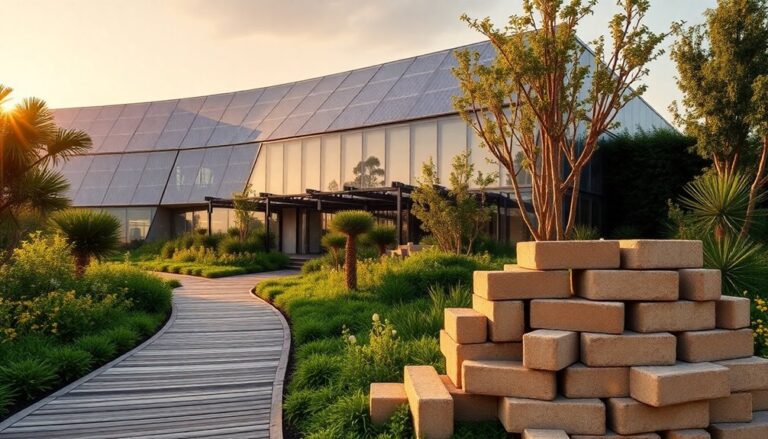
Feng Shui, an ancient practice, is being reimagined in modern homes to cultivate harmony, balance, and well-being. By understanding and balancing chi, individuals can transform their living spaces. Strategic furniture placement, decluttering, and harmonizing yin and yang energies create a peaceful atmosphere. Feng Shui design essentials, such as selecting colors and textiles aligned with the five elements, enhance room energy. Incorporating water, wood, fire, earth, and metal elements create balance. By applying these principles, individuals can create a sanctuary that nurtures their mind, body, and spirit. As they explore further, they'll discover the profound impact of Feng Shui on their modern home design.
Unlocking the Power of Chi
By understanding how to access and balance chi, the life-force energy that flows through a space, homeowners can create a harmonious and supportive environment that enhances their overall well-being. This ancient Chinese philosophy, known as Feng Shui, is rooted in the concept of chi awareness, recognizing the subtle yet powerful energy that permeates every aspect of our lives. By cultivating a deeper connection with this cosmic force, individuals can tap into its transformative potential, fostering a more balanced and fulfilling existence.
To tap into the full potential of chi, one must first develop a heightened sense of awareness, tuning into the subtle vibrations that flow through a space. This can be achieved through meditation, mindfulness, and a willingness to listen to the whispers of the universe. As chi awareness grows, so too does the ability to access and balance its flow, allowing homeowners to create an environment that resonates with their deepest desires and aspirations.
Harmonizing Your Living Space
When harmonizing a living space, she focuses on balancing energy flows to create a sense of calm and serenity. By strategically placing furniture and decor, she can redirect the flow of chi to foster a peaceful atmosphere. This thoughtful approach helps to eliminate stagnant energy, allowing occupants to feel more relaxed and centered in their surroundings.
Balancing Energy Flows
She carefully assesses the layout of her living room, ensuring that the energy flows smoothly around the furniture and decor. This is the art of balancing energy flows, an essential aspect of feng shui in modern homes. By creating an energy map of her space, she can identify areas where energy may be stagnating or flowing too quickly. This allows her to make adjustments, such as rearranging furniture or adding plants, to create a harmonious flow of energy.
Understanding space dynamics is key to balancing energy flows. She considers the bagua areas of her living room, ensuring that each area is aligned with its corresponding aspect of her life, such as wealth, relationships, or career. By doing so, she can create an environment that supports her goals and aspirations. By balancing energy flows, she can harness the power of feng shui to improve her overall well-being, increase productivity, and enhance her quality of life. With a harmonious flow of energy, she can leverage the full potential of her living space and live a more fulfilling life.
Creating Peaceful Atmosphere
Harmony in a living space is achieved when every element, from furniture to decor, works together to create a sense of calm and serenity. By thoughtfully curating each aspect of the space, one can craft an atmosphere that promotes relaxation and tranquility. To create a peaceful atmosphere, consider the following essential elements:
- Soothing Colors: Muted hues such as beige, blue, and green can calm the mind and reduce stress. Use them on walls, furniture, and accessories to create a sense of serenity.
- Calming Textures: Incorporate soft, plush textures like velvet, linen, and cotton to add depth and visual interest while promoting relaxation.
- Minimal Clutter: A clutter-free space allows the mind to focus on the present moment, reducing feelings of anxiety and overwhelm.
- Nature-Inspired Accents: Bring the outdoors in by incorporating natural elements like plants, wood, and stone to create a sense of connection to the environment.
Balancing Yin and Yang Energies
She understands that balancing yin and yang energies is essential in creating a harmonious living space. To achieve this, she focuses on harmonizing opposite forces, identifying energy flow patterns, and designing a balanced room layout. By doing so, she can create an environment where opposing energies work together in perfect harmony.
Harmonizing Opposite Forces
In a balanced Feng Shui environment, opposing forces of yin and yang energies come together in harmony, reflecting the dynamic interplay of masculine and feminine, light and dark, and active and passive elements. This delicate balance is essential in creating a space that exudes power and energy. Harmonizing opposite forces is an art that requires a deep understanding of force dynamics and opposite attractions.
To achieve this balance, one must consider the following key elements:
- Masculine and Feminine Energies: Yin represents receptivity, coldness, and darkness, while yang embodies creativity, warmth, and light. A harmonious blend of both energies is vital for a balanced space.
- Active and Passive Elements: The interplay between active elements like wood and fire, and passive elements like metal and water, creates a dynamic balance that fosters growth and energy.
- Light and Dark: Balancing light and dark areas in a space creates visual harmony and stimulates the senses.
- Open and Closed Spaces: A mix of open and closed areas encourages movement and relaxation, promoting a sense of freedom and control.
Energy Flow Patterns
By intentionally arranging furniture and decor, homeowners can create energy flow patterns that balance yin and yang energies, allowing the space to resonate with liveliness and serenity. This harmonious flow is important in Feng Shui, as it amplifies the positive effects of the space on its occupants. Energy pathways, also known as 'chi,' must be carefully considered to avoid stagnation or blockages. By creating a smooth flow of energy, homeowners can enhance the spatial dynamics of their space, promoting a sense of calm and vitality.
To achieve this balance, homeowners should avoid cluttered areas and sharp corners, which can disrupt the energy flow. Instead, they should use curved lines and rounded shapes to guide the energy pathways. Additionally, the strategic placement of plants, water features, and other decorative elements can help to stimulate or calm the energy, depending on the desired effect. By mastering the art of energy flow patterns, homeowners can tap into the full potential of their space, cultivating an environment that supports their well-being and success.
Balanced Room Layout
Achieving a balanced room layout requires careful consideration of yin and yang energies, as a harmonious blend of these opposing forces can create a space that feels both calming and energizing. A well-balanced room layout is essential in feng shui, as it allows individuals to harness the positive energies in the space and maximize their potential. To achieve this balance, one must strategically place furniture and decor to create a visual hierarchy that guides the eye through the room.
Here are some key considerations for creating a balanced room layout:
- Define Focal Points: Identify areas of the room that will draw attention, such as a fireplace or stunning view, and balance them with complementary elements.
- Create a Visual Hierarchy: Use size, color, and texture to create a visual flow that leads the eye through the room.
- Balance Yin and Yang Energies: Combine calming, yin elements (e.g., soft lighting, plush furniture) with energizing, yang elements (e.g., bold colors, statement pieces) to create a harmonious atmosphere.
- Leave Space to Breathe: Avoid clutter and leave sufficient space between furniture to allow energy to flow freely.
Decluttering for Positive Energy
Clutter, the silent energy drain, slowly suffocates the modern home, making decluttering an essential step towards harnessing positive energy. By adopting a minimalist lifestyle, homeowners can break free from the suffocating grip of clutter and create a space that exudes vitality and positivity. Space psychology plays an important role in this process, as it helps individuals understand how their surroundings influence their thoughts, emotions, and behaviors.
| Clutter Consequences | Decluttering Benefits |
|---|---|
| Weighs heavily on mental health | Reduces stress and anxiety |
| Hampers productivity and focus | Improves concentration and efficiency |
| Creates a sense of chaos and disorder | Fosters a sense of calm and serenity |
| Conceals valuable possessions and memories | Uncovers hidden treasures and nostalgic keepsakes |
| Attracts negative energy and stagnation | Invites positive energy and growth |
Feng Shui Design Essentials
Five essential elements – water, wood, fire, earth, and metal – form the foundation of a harmonious Feng Shui design, each playing an important role in balancing the home's energy. These elements work in harmony to create a sense of calm and serenity, allowing homeowners to tap into the power of Feng Shui.
To incorporate these elements into modern homes, homeowners can focus on the following design essentials: To incorporate these elements into modern homes, homeowners can focus on the following design essentials: maximizing natural light with large windows, utilizing multifunctional furniture, and emphasizing open floor plans that promote space and flow. By integrating these concepts, individuals can create inviting environments that prioritize both comfort and functionality. Additionally, for those seeking innovative solutions within limited square footage, exploring tiny home design inspiration can spark creativity and provide valuable ideas for efficient living.
- Color Schemes: Choose colors that align with the five elements, such as calming blues for water or earthy tones for earth. Avoid bold colors that can disrupt the energy flow.
- Textile Choices: Select textiles that resonate with the elements, like wooden furniture for a natural, earthy feel or metal accents for a modern, sleek look.
- Lighting: Use lighting to enhance the energy of each room. For example, warm lighting can create a cozy, fire-inspired atmosphere, while soft, natural light can bring a sense of calm.
- Space Planning: Arrange furniture and decor to create a sense of flow and balance, allowing energy to move freely throughout the space.
Creating a Peaceful Sanctuary
Serene spaces that foster relaxation and rejuvenation can be cultivated by intentionally designing a peaceful sanctuary within the home. This haven serves as a refuge from the chaos of everyday life, providing a sense of calm and tranquility. By incorporating specific design elements, individuals can create an atmosphere that promotes relaxation and rejuvenation.
To begin, it's essential to select Soothing Colors that promote feelings of serenity. Shades of blue, green, and neutral tones can help calm the mind and body. These hues can be incorporated through wall colors, furniture, and accessories. Additionally, Calming Textures such as plush carpets, soft blankets, and natural fibers can add depth and warmth to the space.
Furthermore, the strategic placement of furniture and decor can also contribute to a peaceful ambiance. Consider positioning furniture in a way that promotes flow and circulation, avoiding clutter and congestion. Add decorative elements that bring a sense of calm, such as plants, water features, or calming artwork. By thoughtfully designing a peaceful sanctuary, individuals can create a space that nurtures their mind, body, and spirit, allowing them to recharge and refocus. This intentional design approach can have a profound impact on overall well-being, making it an essential component of modern home design.
Frequently Asked Questions
Can I Practice Feng Shui if I Rent My Home?
She can still harness the power of feng shui even if she rents her home. Since she can't make major changes, she focuses on temporary decor that can be easily removed when her lease ends. She works within rental restrictions, using clever workarounds to enhance the energy flow. By doing so, she creates a harmonious space that boosts her mood and productivity, all without violating her rental agreement.
How Do I Feng Shui a Small or Studio Apartment?
She tackles the challenge of feng shui in a small or studio apartment by focusing on space planning. She prioritizes decor to maximize energy flow, creating a harmonious environment. By cleverly arranging furniture and selecting a few statement pieces, she optimizes the limited space. This intentional approach allows her to harness the apartment's full potential, fostering a sense of calm and productivity.
Are Feng Shui Consultants Worth Hiring for a Consultation?
When seeking to balance their living space, individuals often ponder the value of enlisting a guiding hand. In this pursuit of harmony, hiring a feng shui consultant can prove a wise investment. They bring a personalized approach, tailoring advice to one's unique needs and energy. With professional expertise, they identify and address areas of stagnation, revealing the full potential of a space. By doing so, they empower individuals to reclaim control over their environment and, ultimately, their lives.
Can Feng Shui Help With Relationship or Marriage Issues?
She wonders if feng shui can salvage her struggling relationship. The answer is yes. By manipulating love energies, a feng shui expert can enhance harmony in a couple's living space. This ancient practice identifies and balances energies that affect relationships, promoting emotional connection and intimacy. Harmony enhancement techniques can even help rekindle romance, fostering a deeper, more loving connection between partners.
Does Feng Shui Work for People With Disabilities or Mobility Issues?
As the world awakens to the beauty of inclusivity, a pressing question arises: can ancient practices like feng shui cater to the diverse needs of people with disabilities or mobility issues? The answer lies in embracing accessible design and creating inclusive spaces that harmonize with individual needs. By doing so, feng shui practitioners can empower individuals to harness the energy that surrounds them, fostering a sense of independence and control over their environment.