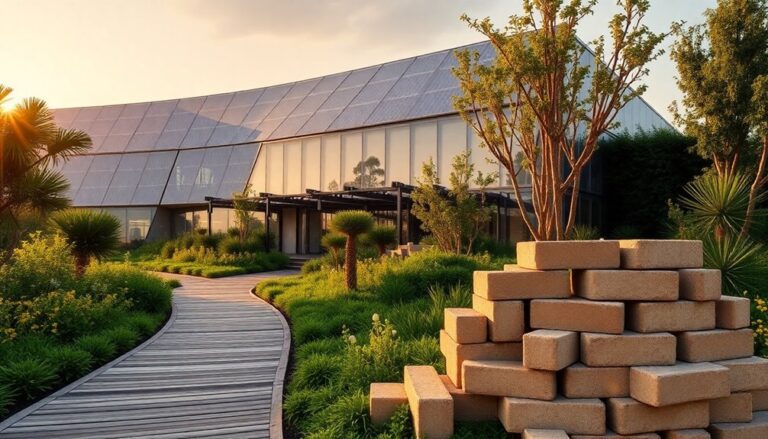
Transforming spaces through adaptive reuse breathes new life into existing structures, merging historical significance with modern design. This approach not only preserves cultural heritage but additionally improves sustainability by reducing construction waste by up to 95%. Developers and architects prioritize eco-friendly materials and innovative techniques, creating user-centric environments that cultivate community engagement. The revitalization of neglected areas stimulates local economies and boosts property values as well as encouraging inclusivity and creativity. As each project tells a unique story, the evolving practices in adaptive reuse promise to shape urban environments for the future. There's much more to explore about its impact and principles.
Understanding Adaptive Reuse
In the sphere of modern design, grasp of adaptive reuse is essential for architects and urban planners alike. This concept, which involves repurposing existing buildings for new uses, serves as an influential tool in the arsenal of architectural innovation. By embracing adaptive reuse, professionals can transform underutilized structures into lively spaces that meet contemporary demands as they preserve their unique character.
Adaptive reuse isn’t merely a trend; it’s a strategic approach that addresses urban challenges such as sustainability, resource scarcity, and the need for affordable housing. Architects who master this practice can wield considerable influence over urban environments, breathing new life into forgotten neighborhoods and enhancing the cultural relevance of their projects. Their ability to integrate modern functionality with historical elements sets them apart in a competitive field. By prioritizing adaptive reuse in architectural design, architects not only conserve resources but also honor the historical narratives embedded within existing structures. This synthesis of past and present fosters a sense of identity and continuity in communities, attracting both residents and visitors alike. Ultimately, the practice serves as a blueprint for future development, showcasing how innovation and preservation can coexist harmoniously.
Moreover, this architectural innovation encourages community engagement and economic revitalization. When professionals advocate for adaptive reuse, they champion a model that minimizes waste and reduces the carbon footprint associated with new construction. It enables cities to honor their past while boldly stepping into the future.
In essence, grasping adaptive reuse equips architects and planners with the insight needed to navigate the intricacies of modern design. It's a call to action, urging them to innovate, inspire, and create environments that resonate with both history and progress. Those who comprehend its significance can lead the charge toward a more sustainable and aesthetically enriching urban experience, positioning themselves as influential figures in the sphere of contemporary architecture.
Historical Significance of Structures
Historical importance shapes our grasp of structures and their role in urban environments. The narrative interwoven through each building reflects a society's values, aspirations, and innovations. As cities evolve, these structures become more than mere bricks and mortar; they embody cultural heritage and serve as tangible links to the past. Recognizing this significance is essential for those who wield influence in design and urban planning.
When examining the architectural legacy of a city, one must appreciate how historical structures contribute to its identity. These buildings often house stories of triumph and adversity, encapsulating the spirit of the communities they serve. Their preservation nurtures a sense of pride and belonging, reinforcing the social fabric that binds residents together. By respecting this legacy, decision-makers can guarantee that future generations inherit a rich mosaic of history.
Furthermore, comprehending the historical importance of structures empowers leaders to make informed choices about urban development. It compels them to weigh the value of modernity against the intrinsic worth of existing buildings. The challenge lies not just in recognizing the past but in integrating it into contemporary design. This integration can transform cities into dynamic spaces that honor their roots as they embrace innovation.
Ultimately, the historical importance of structures acts as a guiding principle for those who wish to shape urban environments with purpose. By valuing cultural heritage and architectural legacy, they can create spaces that resonate with the past as they pave the way for a lively future.
Benefits of Adaptive Reuse
Adaptive reuse offers a range of benefits that extend beyond mere aesthetic appeal. By repurposing existing structures, communities can cultivate a sense of identity and pride. This approach not only preserves the historical essence of a place but likewise promotes community engagement. Residents often feel more connected to spaces that reflect their heritage, leading to increased local participation in cultural and social activities.
Moreover, adaptive reuse can greatly improve the economic impact on neighborhoods. Transforming old buildings into modern spaces attracts new businesses, stimulates local economies, and boosts property values. As revitalized areas draw both residents and tourists, they create job opportunities and encourage entrepreneurship. This financial uplift can be particularly transformative in underdeveloped regions, turning previously neglected spaces into thriving hubs of activity.
In addition to economic benefits, adaptive reuse supports sustainability. By reducing the need for new materials and minimizing waste, it aligns with eco-conscious values that influential stakeholders increasingly prioritize. This environmentally responsible approach resonates well with today's discerning consumers, making it a lucrative strategy for developers and investors.
Design Principles for Transformation
In the domain of adaptive reuse, several design principles guide the transformation of existing structures. Sustainability and resource efficiency play vital roles, as do the efforts to preserve historical context during ensuring spaces remain flexible for modern needs. By integrating these principles, designers can create environments that honor the past as well as embracing the future.
Sustainability and Resource Efficiency
Sustainability and resource efficiency stand as cornerstones of modern design principles for transforming existing structures. By embracing these ideals, architects and designers not merely uplift their projects but additionally contribute to a more sustainable future. This approach incorporates key strategies that resonate with the values of influence and progress:
- Green architecture: Prioritizing eco-friendly materials and energy efficiency guarantees that buildings are not merely functional but also harmonious with their environment.
- Resource conservation: Maximizing existing resources minimizes waste and aligns with the principles of a circular economy, nurturing a culture of waste reduction.
- Community engagement: Involving local stakeholders in the design process improves urban revitalization efforts and guarantees that developments meet the needs of the community.
Through design innovation and sustainable practices, modern transformation seeks to redefine spaces as it champions eco-consciousness. By integrating these principles, designers create not just structures but thriving ecosystems that serve as models for future developments. Ultimately, a commitment to sustainability and resource efficiency signifies a bold step towards a resilient urban environment, where buildings contribute positively to their surroundings and empower communities.
Historical Context Preservation
Preserving historical context is essential when transforming existing structures, as it honors the stories and cultural significance embedded within them. This approach not merely safeguards architectural integrity but additionally enriches the modern design narrative. By intertwining historical narratives with contemporary needs, designers create spaces that resonate with both the past and the present.
Successful adaptive reuse demands a careful assessment of existing elements. Designers must identify features that encapsulate the building's essence—be it grand facades, intricate moldings, or unique layouts. Retaining these elements encourages a connection to the original context, enabling the new design to speak with authenticity.
Moreover, the process invites collaboration between architects, historians, and community stakeholders. This partnership guarantees that the transformation reflects the collective memory and aspirations of those who inhabit the space.
In this way, adaptive reuse becomes a significant tool for revitalizing communities while maintaining their historical significance. By prioritizing historical context preservation, architects and designers don't just transform buildings; they honor legacies, creating spaces that inspire and uplift future generations.
Flexible Space Utilization
Adaptive reuse not just respects historical context but also embraces the need for flexible space utilization in modern design. As urban environments evolve, the demand for spaces that adapt to varying needs becomes paramount. Designers can create impactful experiences by incorporating principles that promote multifunctional areas and dynamic layouts.
Here are three key strategies for achieving flexible space utilization:
- Modular Design: Implementing modular elements allows for easy reconfiguration, enabling spaces to shift from offices to community areas or event venues seamlessly.
- Open Floor Plans: Utilizing open layouts encourages collaboration and interaction, transforming areas based on the specific needs of users at any given time.
- Mobile Furnishings: Incorporating movable furniture and partitions provides the versatility necessary for spaces to evolve, catering to diverse activities without compromising aesthetic appeal.
Case Studies of Successful Projects
Innovation often thrives in the realm of adaptive reuse, where old structures are transformed into lively spaces that meet contemporary needs. These adaptive reuse projects showcase remarkable architectural transformations that redefine urban environments while honoring their historical significance. One prominent example is the High Line in New York City, a once-abandoned raised railway that now serves as a lively public park. This innovative design not only improves space functionality but also stimulates urban revitalization, drawing millions of visitors each year.
Another notable case is the Tate Modern in London, which converted a former energy station into a leading contemporary art museum. This historical renovation exemplifies creative repurposing, allowing for an expansive gallery space that preserves the building's industrial character while serving as a cultural hub. Such projects illustrate the strength of design innovation in improving community engagement and nurturing a sense of place.
In Australia, the repurposing of the Carriageworks in Sydney reflects a commitment to cultural preservation. Once a railway workshop, this venue now hosts diverse artistic events and markets, breathing new life into the neighborhood. By prioritizing adaptive reuse, these projects not only respect the past but also develop dynamic environments that resonate with today's demands.
Ultimately, successful case studies of adaptive reuse demonstrate how visionary thinking and strategic design can transform forgotten spaces into thriving centers of activity, proving that with creativity, the past can seamlessly integrate into the future.
Challenges in Adaptive Reuse
Though adaptive reuse projects showcase remarkable potential, they likewise face a variety of challenges that can complicate their execution. These obstacles require strategic maneuvering to guarantee successful outcomes. Here are three critical challenges often encountered:
- Budget Constraints: Funding opportunities are often limited, and projects may exceed initial financial estimates because of unforeseen conditions or necessary renovations.
- Regulatory Hurdles: Maneuvering local regulations can prove intimidating. Zoning laws and historic preservation guidelines often impose strict limitations, complicating the process of adapting a structure.
- Community Resistance: Residents and stakeholders may resist changes, fearing that alterations could disrupt the neighborhood's character or lead to increased traffic and noise.
Additionally, structural limitations of existing buildings can restrict design flexibility, requiring innovative solutions to meet modern needs as well as preserving historical elements. Aesthetic challenges abound, as designers must balance the old with the new, guaranteeing that the final product resonates with contemporary standards while honoring the original architecture.
Moreover, stakeholders must consider the environmental impact of their decisions. Adaptive reuse has the potential to minimize waste and reduce the carbon footprint, but failing to address these concerns can lead to backlash from an increasingly eco-conscious public.
Future of Adaptive Reuse Design
As adaptive reuse continues to evolve, designers are increasingly focusing on sustainable practices that minimize environmental impact. Innovative materials and techniques are becoming crucial tools for transforming existing structures, as community-centric approaches guarantee that developments meet local needs. This shift not merely revitalizes spaces but additionally nurtures a sense of belonging among residents.
Sustainable Design Practices
Sustainable design practices are shaping the future of adaptive reuse, ensuring that old structures not merely retain their historical significance but further contribute positively to the environment. As the demand for eco-friendly solutions rises, architects and developers are embracing strategies that align with the principles of a circular economy. They're transforming outdated buildings into lively spaces whilst minimizing waste and resource depletion.
Key sustainable practices include:
- Utilizing Eco-Friendly Materials: By selecting sustainable materials, designers reduce the carbon footprint and promote healthier living environments.
- Incorporating Energy Efficiency: Upgrading insulation and installing renewable energy sources, like solar panels, considerably lowers energy consumption.
- Enhancing Community Engagement: Revitalizing spaces encourages a sense of community, as residents connect with their surroundings and the heritage of their environment.
Incorporating these sustainable practices not merely preserves history but empowers communities and contributes to a resilient future. As adaptive reuse continues to evolve, it champions a balanced approach, intertwining modern functionality with environmental responsibility, demonstrating that progress and sustainability can truly coexist.
Innovative Materials and Techniques
The future of adaptive reuse design is increasingly shaped by innovative materials and techniques that improve both functionality and aesthetics. Architects and designers are utilizing the strength of biomimetic materials, which mimic nature's efficiency and resilience, providing sustainable solutions. Upcycled furnishings play a critical role, transforming discarded items into striking design features that tell a story of renewal.
Moreover, modular components enable flexible layouts, allowing spaces to adapt to varying needs as they minimize waste. Smart technology integrates seamlessly, enhancing user experience and operational efficiency, from energy management to security systems. Lightweight structures are revolutionizing how spaces are conceived, reducing the load on existing buildings and maximizing design potential. Bio-based finishes not merely promote health and sustainability but likewise offer rich, textured aesthetics that resonate with modern sensibilities.
| Material/Technique | Benefits | Examples |
|---|---|---|
| Biomimetic Materials | Eco-friendly, durable | Self-cleaning surfaces |
| Upcycled Furnishings | Unique, sustainable | Vintage furniture |
| Modular Components | Flexibility, adaptability | Prefabricated walls |
| Smart Technology | Efficiency, convenience | Automated lighting |
| Lightweight Structures | Reduced load, innovative design | Airy, open floor plans |
Community-Centric Development Approaches
Community-centric development approaches are redefining adaptive reuse design by prioritizing social engagement and local needs. These strategies empower communities, cultivating a sense of ownership and belonging as they transform underutilized spaces into lively hubs.
Key elements of community-centric development include:
- Community Engagement: Actively involving residents in the decision-making process guarantees that design reflects their aspirations and needs. This engagement builds trust and strengthens community ties.
- Participatory Planning: Utilizing participatory planning techniques allows stakeholders to collaborate, share ideas, and co-create solutions. This collective intelligence leads to more innovative and relevant outcomes that resonate with local culture.
- Sustainable Practices: Incorporating sustainable practices not solely addresses environmental concerns but additionally promotes economic vitality. By maximizing existing resources, communities can thrive without compromising their heritage.
In this new paradigm, adaptive reuse becomes more than just an architectural trend; it transforms into a potent tool for social change. By leveraging the strengths of community engagement and participatory planning, developers and designers can create spaces that not just serve functional purposes but also enrich the social fabric of neighborhoods. This approach champions inclusivity, sustainability, and resilience—crucial components for the future of adaptive reuse design.
Frequently Asked Questions
How Does Adaptive Reuse Impact Local Economies and Job Creation?
Adaptive reuse can be a game-changer for local economies, sparking job growth like wildfire. By revitalizing underutilized spaces, it breathes new life into neighborhoods and attracts businesses, fueling economic revitalization. Communities witness a surge in employment opportunities as skilled workers are needed for renovation and operation of these transformed sites. As these projects flourish, they create a ripple effect, nurturing a lively economic environment that empowers residents and stimulates long-term prosperity.
What Materials Are Commonly Used in Adaptive Reuse Projects?
In adaptive reuse projects, architects and designers often utilize salvaged materials to create innovative designs that reflect both history and modernity. They might repurpose reclaimed wood, bricks, and metal, seamlessly integrating these elements into new structures. This approach not just reduces waste but additionally adds character and uniqueness to each project. By prioritizing sustainability, they improve the building's aesthetic as they nurture connections to the past, in the end enriching the community's cultural fabric.
How Does Adaptive Reuse Address Sustainability Concerns?
Adaptive reuse strongly tackles sustainability concerns by promoting a circular economy. It reclaims existing structures, reducing the demand for new materials, which lessens environmental impact. By breathing new life into old buildings, designers not just preserve history but likewise greatly cut energy consumption and waste. This approach embodies a bold commitment to environmental stewardship, showing that innovation and responsibility can go hand-in-hand, enabling communities to thrive sustainably without sacrificing their heritage.
Are There Financial Incentives for Adaptive Reuse Projects?
Many developers find financial incentives for adaptive reuse projects appealing. Tax credits considerably reduce renovation costs, in addition, various grant programs provide additional funding. Zoning incentives can streamline the approval process, making it easier to navigate regulations. Moreover, preservation funds often support efforts to maintain historical integrity, ensuring projects align with community values. These financial tools empower developers to transform spaces efficiently, maximizing both profit and sustainability in their ventures.
What Role Do Community Stakeholders Play in Adaptive Reuse?
In the domain of adaptive reuse, the role of community stakeholders can't be underestimated. Their engagement often shapes projects, guiding decisions that resonate with local needs. As they collaborate, tensions may rise, but that's where the magic happens. Stakeholder collaboration ignites innovative solutions, transforming visions into reality. With each meeting, they build trust, ensuring that the community's voice isn't just heard but woven into the very fabric of the project, creating lasting impact.