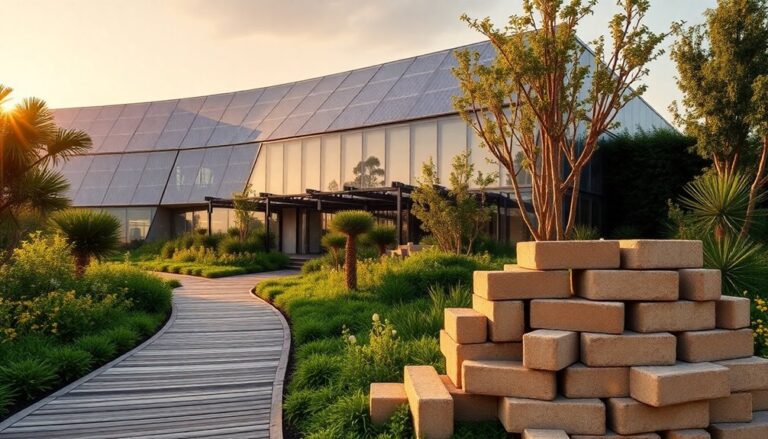
Vertical gardens are transforming urban architecture by integrating greenery into building exteriors, turning dull façades into lush, lively environments. These living walls improve air quality, reduce noise pollution, and promote biodiversity in cities. With their innovative use of space, vertical gardens optimize areas where traditional gardening isn't feasible. They likewise lower urban heat and improve aesthetics, nurturing community pride. As technologies advance, modular systems and hydroponics make maintenance easier and more efficient. This change in urban planning philosophy reflects a growing recognition of nature's importance. There's so much more to discover about their impact on the urban scenery.
Definition of Vertical Gardens
Defining vertical gardens, architects and landscapers emphasize their innovative approach to incorporating greenery into urban settings. These structures, often referred to as living walls or green walls, integrate plants directly onto building facades, providing a striking contrast to concrete jungles. They aren't merely decorative; they serve as a demonstration of sustainable design and environmental stewardship in modern architecture.
Vertical gardens improve urban environments by enhancing air quality, reducing noise pollution, and promoting biodiversity. Their aesthetics captivate onlookers, transforming dull spaces into lively, lush surroundings. By utilizing diverse flora, architects create stunning visual compositions that raise a building's profile and attract attention. This fusion of nature and architecture beautifies the urban environment and signifies a commitment to sustainability.
Moreover, vertical gardens optimize space by allowing vegetation to flourish in areas where traditional gardening isn't feasible. They capitalize on verticality, making it possible to cultivate greenery in otherwise barren urban areas. This innovative design approach offers practical benefits, such as thermal insulation and energy efficiency, which appeal to developers and city planners focused on long-term viability.
In this era of rapid urbanization, the integration of vertical gardens represents a significant movement towards greener cities. Their ability to blend vertical garden aesthetics with sustainable design principles positions them as an essential component of contemporary architecture, reshaping how urban environments can coexist harmoniously with nature. With each new installation, the vision of a greener urban future becomes increasingly attainable.
Historical Background
Vertical gardens have roots in ancient greenery practices, where civilizations integrated plants into their living spaces for both beauty and utility. Over time, modern innovations have transformed these concepts, leading to the rise of vertical gardens in urban settings. This evolution not only reflects aesthetic trends but additionally highlights the growing awareness of environmental impacts in architecture.
Ancient Greenery Practices
Rooted in ancient civilizations, greenery practices have long played a crucial role in urban architecture. These ancient techniques not only improved aesthetic appeal but additionally provided practical benefits, shaping environments that thrived on harmony between nature and human ingenuity. The historical significance of these practices is profound, as they laid the groundwork for today's vertical gardens.
Consider these key elements of ancient greenery practices:
- Hanging Gardens of Babylon: An iconic example, showcasing the ingenuity of incorporating greenery in high places.
- Roman Villa Gardens: These spaces blended beauty and functionality, offering serene retreats in urban settings.
- Chinese Bamboo Gardens: These gardens emphasized balance, utilizing bamboo's strength to create vertical structures that thrived.
- Mesoamerican Terracing: Ancient civilizations used terracing to maximize space and utilize vertical gardening techniques for agriculture.
These practices reflect a deep comprehension of environmental dynamics and socio-cultural values. They demonstrate that the integration of nature into architecture isn't a modern phenomenon but a timeless pursuit that influential civilizations embraced. As we seek to redefine urban environments today, the wisdom of the past remains a critical guide.
Modern Vertical Innovations
Throughout history, societies have continuously sought innovative ways to integrate greenery into their urban environments, leading to the development of modern vertical gardens. These innovative approaches reflect not just aesthetic desires but also a significant shift in urban planning philosophy. As cities expand and green spaces diminish, architects and designers have turned to vertical gardens as an essential solution.
The advent of modular systems has transformed the way greenery is incorporated into buildings. These systems allow for efficient installation and maintenance, maximizing green space in even the most constrained urban settings. With the flexibility to adapt to various architectural styles, modular systems enable developers to create stunning living walls that improve both beauty and property value.
Additionally, hydroponic techniques have emerged as a game-changer in urban agriculture. By eliminating the need for soil, these methods allow plants to thrive in vertical arrangements, producing food and oxygen in environments once deemed unsuitable. This fusion of technology and nature not only captivates the eye but also champions sustainability, giving cities a competitive edge in the pursuit of a greener future. Modern vertical innovations therefore stand as a reflection of human ingenuity in transforming urban architecture.
Environmental Impact History
In the quest for sustainable urban living, the historical impact of greenery on the environment has been profound. As cities continue to expand, the need to counteract detrimental effects like increased carbon footprints and urban heat has never been more critical. Vertical gardens emerge as an influential solution, offering a range of benefits that reinforce their significance in modern architecture.
Consider these key environmental impacts:
- Reduction in Carbon Footprint: Vertical gardens absorb CO2, contributing to cleaner air and combating climate change.
- Mitigation of Urban Heat: Green walls cool surrounding areas, lowering temperatures and reducing reliance on air conditioning.
- Enhanced Biodiversity: These living structures create habitats for various species, promoting ecological balance.
- Stormwater Management: Vertical gardens help absorb rainwater, reducing runoff and minimizing urban flooding.
Benefits of Vertical Gardens
Vertical gardens offer numerous benefits that improve urban environments. They improve aesthetic appeal, transforming mundane facades into lively living walls that capture attention and inspire admiration. This visual impact not just raises the look of a city but additionally nurtures a sense of pride among its residents and businesses.
Furthermore, vertical gardens greatly contribute to air purification. By absorbing pollutants and releasing oxygen, they create healthier urban atmospheres. Their capacity to strengthen urban biodiversity can't be overstated either; these gardens provide crucial habitats for various species, enriching the ecosystem within city limits.
In addition to environmental advantages, vertical gardens excel at noise reduction. They act as natural sound barriers, diminishing the cacophony of urban life, which contributes to a more tranquil living environment. Their role in temperature regulation is equally important; through the cooling effect of plants, they reduce the urban heat island phenomenon, promoting energy efficiency in surrounding buildings.
Moreover, the psychological benefits of vertical gardens should not be ignored. They offer stress relief by providing green spaces that encourage relaxation and mindfulness, critical in fast-paced urban settings.
Vertical gardens additionally support community beautification and can even improve food production. By integrating edible plants into these structures, cities can promote local food sources and encourage sustainable practices among residents. Collectively, these benefits illustrate the transformative influence of vertical gardens in urban architecture, making them a crucial consideration for any modern city focused on growth and sustainability.
Key Design Principles
In designing vertical gardens, space optimization techniques play an essential role in maximizing limited urban areas. Furthermore, selecting the right plants guarantees that these gardens thrive during meeting aesthetic and environmental goals. Together, these principles create functional and visually appealing green spaces in urban settings.
Space Optimization Techniques
Effective space optimization techniques play a crucial role in the design of vertical gardens within urban architecture. These techniques not only maximize limited space but also improve aesthetic appeal and environmental benefits. Urban designers can employ several influential strategies to achieve impactful results:
- Modular Systems: Utilizing modular planters allows for flexible configurations, adapting to various wall sizes and layouts.
- Vertical Layering: By creating layers of greenery, designers can effectively utilize vertical space, guaranteeing a lush appearance without consuming additional ground area.
- Hydroponic Integration: Incorporating hydroponic systems can streamline water use and reduce the weight of soil, allowing for more extensive plantings in urban environments.
- Smart Irrigation: Implementing automated irrigation systems conserves water and guarantees efficient nutrient delivery, optimizing plant health in confined spaces.
These space-saving techniques empower urban design, transforming underutilized areas into lively green spaces. By leveraging these strategies, architects and planners can create dynamic vertical gardens that not only beautify cities but also improve air quality and promote biodiversity, making a significant impact on urban living.
Plant Selection Strategies
Selecting the right plants is vital for the success of vertical gardens, as the right choices can improve both visual appeal and ecological benefits. Designers must prioritize native plant selection, which not only thrives in local climates but additionally supports local wildlife. By choosing plants that have co-evolved with their environment, urban architects can promote biodiversity and create resilient ecosystems.
In addition, incorporating drought-resistant varieties is important in today's climate. These plants require less maintenance, reducing water consumption and maintenance costs. Drought-resistant species can withstand fluctuations in weather, ensuring that vertical gardens remain lively even during dry spells. This strategic approach not only boosts sustainability but also strengthens urban spaces to adapt to changing environmental conditions.
Moreover, a well-thought-out plant selection can create stunning visual contrasts and textures, commanding attention in urban settings. By focusing on a diverse palette that includes a mix of heights, colors, and forms, vertical gardens can transform otherwise monotonous walls into dynamic living art pieces. In the end, effective plant selection strategies are key in revealing the full potential of vertical gardens, making them a significant asset in modern architecture.
Popular Plants for Vertical Gardens
In the domain of vertical gardens, choosing the right plants can make all the difference in creating a thriving green space. A strategic selection improves not just the aesthetic appeal but additionally the functionality of these living walls. Urban dwellers seeking to tap into the strength of nature can opt for a variety of plant types that cater to their specific needs.
Here are four popular categories of plants for vertical gardens:
- Sun Loving Plants: Succulents and certain herbs like basil thrive in direct sunlight, making them perfect for sunny walls.
- Shade Tolerant Species: Ferns and certain ivy varieties flourish in low light, ideal for shaded areas that still desire greenery.
- Climbing Vines: Plants like jasmine or climbing hydrangea add vertical height and create a lush, green façade, while additionally providing privacy.
- Air Purifying Varieties: Snake plants and peace lilies not just beautify the space but also improve air quality, making them crucial for urban environments.
Incorporating a mix of drought-resistant options, flowering plants, and edible herbs can create unique textures and seasonal selections that uplift the garden's visual impact. Utilizing native species can additionally boost biodiversity, ensuring a resilient and low-maintenance environment. By carefully selecting these plants, urban architects and garden enthusiasts can transform vertical spaces into lively, influential green sanctuaries that inspire and rejuvenate.
Case Studies of Urban Integration
Urban installations of vertical gardens have emerged as innovative solutions for enhancing cityscapes and improving air quality. Case studies reveal the tangible benefits these green structures offer, showcasing their potential for environmental impact. Comprehending these successful examples can guide future urban integration efforts.
Successful Urban Installations
Successful urban installations of vertical gardens showcase how green architecture can transform city views. These projects not merely improve urban aesthetics but likewise embody groundbreaking design innovations. Cities around the globe have embraced this movement, demonstrating the potential of vertical gardens to redefine urban environments.
Here are four exemplary installations that illustrate this trend:
- The Bosco Verticale, Milan: This iconic residential complex integrates over 9,000 trees, creating a living façade that purifies the air and reduces energy consumption.
- The CaixaForum, Madrid: An art center featuring a stunning vertical garden designed by Patrick Blanc, which brings biodiversity to an urban setting and captivates visitors with its lush greenery.
- One Central Park, Sydney: This mixed-use development incorporates vertical gardens that not only improve its architectural appeal but also enhance the microclimate, promoting sustainability.
- The Green Wall, Paris: A remarkable installation that transforms a once-bare wall into a lively mosaic of plants, revitalizing the surrounding neighborhood and elevating urban living.
These successful urban installations prove that vertical gardens can be an influential tool in reshaping city life, marrying functionality with beauty.
Environmental Impact Assessment
Vertical gardens' environmental impact is becoming increasingly evident as cities integrate these green solutions into their surroundings. Urban planners and architects recognize the influence of vertical gardens in enhancing city environments during promoting sustainability metrics that measure their effectiveness. Case studies reveal that these installations provide significant ecological benefits, including improved air quality and increased biodiversity.
Cities like Paris and Singapore have led the charge, showcasing the transformative effects of vertical gardens. In Paris, the iconic green walls of the Musée du quai Branly have not only beautified the urban environment but likewise contributed to reducing urban heat, showcasing their role in climate adaptation strategies. Singapore's extensive use of vertical greenery exemplifies how integrating nature into urban settings can encourage resilience against climate challenges.
Moreover, sustainability metrics used in these assessments highlight the potential for significant reductions in energy consumption, as vertical gardens offer natural insulation. The results are compelling: cities that embrace vertical gardens can enhance their environmental status, attracting investment and improving residents' quality of life. As urban integration continues to evolve, the ecological benefits of vertical gardens will become a cornerstone of sustainable urban architecture.
Challenges in Implementation
Implementing vertical gardens in city environments presents several challenges that can complicate their integration into existing architecture. While the benefits of these green spaces are undeniable, the hurdles can deter even the most ambitious projects. Addressing these challenges requires a strategic approach and a deep comprehension of the intricacies involved.
- Cost Barriers: High initial investment often discourages property owners and developers. The financial implications of installing and maintaining vertical gardens can be intimidating, especially in economically constrained areas.
- Technical Expertise: Vertical gardens demand specialized knowledge in horticulture and engineering. Many contractors lack the necessary skills, leading to poorly executed installations that fail to thrive.
- Structural Limitations: Existing buildings may not support the added weight and moisture of vertical gardens. Engineers must assess the structural integrity, which can complicate and prolong the project timeline.
- Regulatory Hurdles: Local regulations and zoning laws can impose additional constraints. Maneuvering through these bureaucratic obstacles often requires significant time and resources, which can frustrate stakeholders.
These challenges highlight the need for collaboration among architects, urban planners, and horticulturists. By leveraging their combined expertise, they can overcome barriers and demonstrate the transformative potential of vertical gardens. In a world increasingly driven by innovation and sustainable practices, addressing these implementation challenges is not just beneficial—it's crucial for the future of urban environments.
Maintenance and Care Tips
Maintaining a flourishing vertical garden requires consistent care and attention, with regular watering, pruning, and monitoring for pests being fundamental tasks. Gardeners should establish efficient watering schedules customized to the specific plants and environmental conditions. Automated drip irrigation systems can dramatically simplify this process, ensuring plants receive the right amount of moisture without over-saturation. An effective schedule keeps plants lively and reduces water waste.
Pruning is another significant aspect of vertical garden maintenance. It promotes healthy growth and prevents overcrowding, which can stunt development and hinder airflow. Regularly trimming back overgrown foliage allows light to reach all areas of the garden, maximizing photosynthesis and overall plant health. Staying proactive with pruning not just improves aesthetics but also empowers gardeners to control the growth and shape of their vertical environments.
Pest management is fundamental in preserving the integrity of these living walls. Gardeners should routinely inspect plants for signs of pests or diseases. Integrating natural pest deterrents, such as beneficial insects or organic sprays, can help maintain a strong defense against infestations. Educating oneself about common pests and their behaviors encourages a more strategic approach to management.
Future Trends in Vertical Gardening
How might the future of urban gardening evolve with advancements in technology and design? As cities grow denser, vertical gardens could become a significant tool for sustainable urban development. With a enthusiastic focus on integrating nature into concrete jungles, designers and architects are poised to utilize innovative solutions that improve both aesthetics and functionality. Here are some trends shaping the future of vertical gardening:
- Smart Irrigation Systems: Utilizing sensors and IoT technology, these systems can monitor plant health and regulate water usage, ensuring ideal growth as well as conserving resources.
- Sustainable Materials: The shift in the direction of eco-friendly materials in construction will enable the creation of vertical gardens that not only look good but contribute positively to the environment.
- Modular Green Walls: These systems allow for easy installation and customization, empowering urban dwellers to create personalized green spaces that adapt to their needs.
- Vertical Farming Integration: Combining vertical gardens with urban farming initiatives can lead to increased food production in metropolitan areas, transforming rooftops and walls into efficient agricultural spaces.
As technological advancements continue to reshape urban environments, the potential for vertical gardening will expand. By utilizing these innovations, cities can reclaim their connection to nature, improve air quality, and promote sustainability. The future of vertical gardening isn't solely about aesthetics; it's about empowering communities to take charge of their urban environments.
Vertical Gardens and Urban Wildlife
Vertical gardens play a crucial role in improving urban biodiversity, offering a habitat for various species of birds, insects, and small mammals. These innovative structures not just beautify cityscapes but also act as important wildlife habitats, creating a network of green spaces that promotes ecological balance. As urban areas expand, the need for biodiversity improvement becomes critical. Vertical gardens serve as green corridors, allowing wildlife to thrive amidst concrete jungles.
| Wildlife Species | Benefits of Vertical Gardens | Key Features of Vertical Gardens |
|---|---|---|
| Birds | Nesting sites and food sources | Diverse plant selection |
| Bees | Pollination support | Flowering plants for nectar |
| Butterflies | Migration pathways | Seasonal blooms |
| Small Mammals | Safe foraging areas | Layered plant structures |
| Insects | Natural pest control | Native plant integration |
By integrating vertical gardens into urban architecture, cities can mitigate the adverse effects of habitat fragmentation. These gardens attract pollinators, which are fundamental for food production and ecosystem health. In addition, they absorb carbon dioxide and improve air quality, increasing the livability of urban environments.
As urban planners and architects recognize the importance of biodiversity, vertical gardens emerge as influential tools for ecological restoration. They not only provide crucial wildlife habitats but also demonstrate a commitment to sustainable urban living. By prioritizing these green solutions, cities can empower communities to coexist with nature, promoting a more resilient urban ecosystem.
Community Engagement and Education
Integrating vertical gardens into urban areas promotes not just biodiversity but also community involvement and education. These living structures serve as catalysts for engagement, nurturing a sense of ownership and authority among residents. By participating in vertical garden initiatives, community members discover the transformative influence of green spaces, which improves their environment and strengthens social ties.
To maximize impact, urban planners and organizations can implement targeted strategies, including:
- Community Workshops: Hands-on sessions that teach residents how to create and maintain vertical gardens, cultivating practical skills and a sense of achievement.
- Educational Programs: Curriculum-based initiatives in schools that highlight the importance of sustainability, biodiversity, and environmental stewardship through the lens of vertical gardens.
- Volunteer Opportunities: Platforms for community members to contribute their time and effort, encouraging collaboration and investment in local green projects.
- Public Events: Festivals or exhibitions showcasing vertical gardens, where residents can share their experiences and connect with experts, inspiring further engagement.
These initiatives don't just beautify urban environments; they empower individuals and communities, making them active participants in ecological stewardship. Through these educational frameworks, cities can cultivate a knowledgeable and passionate citizenry ready to champion sustainable practices. In doing so, urban areas can transform into lively ecosystems that reflect the values and aspirations of their inhabitants, reinforcing the notion that when people engage with their environment, they can reshape their world for the better.
Frequently Asked Questions
How Do Vertical Gardens Impact Local Property Values?
Vertical gardens greatly improve local property values by enhancing property aesthetics and creating a desirable living environment. Homebuyers increasingly seek properties with green features, recognizing their investment potential. These gardens not just beautify buildings but likewise promote sustainability, making them attractive to environmentally conscious buyers. As more developments incorporate vertical gardens, properties in these areas often see increased demand and, as a result, higher prices, marking them as smart investments in the real estate market.
Are There Specific Building Codes for Vertical Gardens?
Visualize transforming a concrete jungle into a lush oasis. As vertical gardens captivate, specific building codes often govern their installation. These regulations can dictate structural integrity, weight limits, and garden maintenance requirements. Property owners must navigate these rules to harmonize aesthetics with safety. Compliance not only guarantees durability but furthermore enhances the property's value. So, as they envision their green transformation, they must likewise respect the legal frameworks that support their ambitions.
What Is the Cost of Installing a Vertical Garden?
When considering the cost of installing a vertical garden, one must factor in installation expenses and ongoing maintenance costs. Typically, installation expenses can range from a few thousand to tens of thousands of dollars, depending on the size and complexity of the design. Maintenance costs, including irrigation and plant care, can additionally add up. Ultimately, investing in a vertical garden can yield significant aesthetic and environmental benefits, making it a potent choice for urban environments.
Can Vertical Gardens Help Reduce Urban Heat Island Effect?
Some skeptics argue that vertical gardens might not greatly impact urban heat. Nevertheless, they do play an essential role in temperature regulation. By absorbing heat through their foliage, these gardens effectively lower surrounding temperatures. They provide natural insulation, combatting the heat absorption of concrete and asphalt. As cities face rising temperatures, implementing vertical gardens becomes an influential strategy for urban planners, enhancing livability and sustainability during the reduction of the heat island effect dramatically.
How Do Vertical Gardens Affect Air Quality in Cities?
Vertical gardens greatly improve air quality in cities. They boost air purification by absorbing pollutants and releasing oxygen, creating healthier urban environments. Furthermore, these green structures encourage biodiversity improvement, attracting various species that contribute to ecological balance. By integrating vertical gardens into urban settings, cities can raise their environmental standards, combat pollution, and promote sustainable living. This influential approach not only beautifies urban spaces but likewise transforms them into thriving ecosystems.