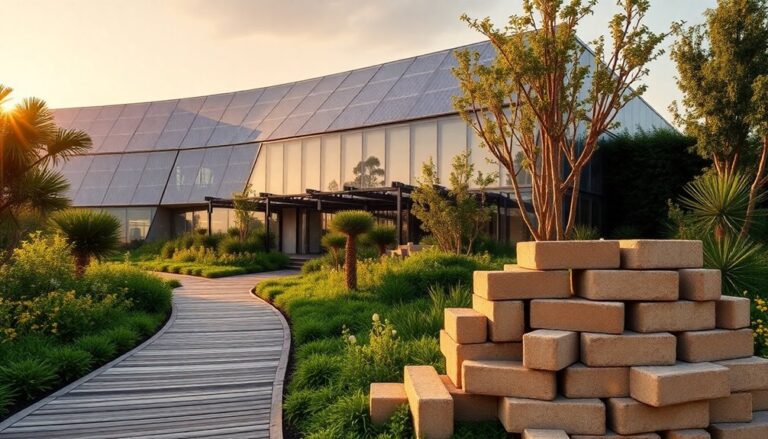
Weightlessness in structures that defy gravity reflects the intriguing integration of state-of-the-art engineering and architecture. Designers manipulate perceptions of weight by utilizing cantilevered sections and innovative materials that boast impressive strength-to-weight ratios. Techniques such as magnetic levitation allow some structures to hover, eliminating traditional foundations. Floating architecture likewise transforms urban spaces, enhancing aesthetic appeal and sustainability. To guarantee their safety and performance, engineers account for dynamic factors, like wind and seismic activity. This blend of creativity and technology paves the way for future designs that push boundaries, inviting exploration of more exciting developments in this enthralling field.
The Concept of Weightlessness
Though weightlessness is often associated with space travel, the concept has significant implications in structural design and engineering. Architects and engineers are increasingly recognizing that manipulating perceptions of weight can create impactful, awe-inspiring structures. This perception shift allows for innovative designs that challenge traditional notions of stability and support. By comprehending the principles of weightlessness, professionals can craft spaces that evoke feelings of freedom and fluidity.
Visual illusions play an essential role in achieving this effect. By utilizing carefully designed materials and forms, architects can create the impression that structures float or defy gravity. This captures the observer's attention and transforms the way individuals interact with their environment. For instance, a building might feature cantilevered sections that appear to hover in mid-air, creating a striking visual dynamic. Such designs push the boundaries of what's feasible, encouraging a rethinking of structural limits.
Moreover, the concept of weightlessness extends beyond aesthetics. It promotes a deeper insight into material properties and load distribution. Engineers can explore lightweight alternatives that still offer strength and durability, encouraging sustainability in construction. As the industry embraces this paradigm, the potential for groundbreaking innovations becomes limitless. The allure of weightlessness in structures captivates the eye and raises the aspirations of those who dare to dream beyond the conventional. In the end, the expedition into this domain of design is about channeling influence—both in the structures created and in the minds of those who envision them.
Floating Architecture Innovations
Floating architecture innovations are transforming the way cities interact with water and air. By utilizing buoyant building materials and anti-gravity design techniques, architects are creating structures that float above their environments. These advancements not just improve aesthetic appeal but in addition inspire the development of floating urban environments.
Buoyant Building Materials
In recent years, architects and engineers have increasingly explored buoyant building materials to transform floating architecture. These materials push the boundaries of conventional design, offering innovative solutions that leverage the principles of buoyancy. Among the most promising advancements are buoyant composites, which integrate advanced polymers with innovative structures to create lightweight yet robust forms. These composites not only defy gravity but likewise improve energy efficiency through their exceptional properties.
Key advantages of buoyant building materials include:
- Increased durability: Designed to withstand harsh marine environments.
- Improved energy efficiency: Utilizing lightweight insulation to minimize energy loss.
- Sustainable solutions: Incorporating eco-friendly materials that reduce the carbon footprint.
- Design versatility: Allowing architects to create stunning, futuristic designs.
Anti-Gravity Design Techniques
Innovative buoyant building materials have paved the way for advanced anti-gravity design techniques that redefine architectural possibilities. Architects and engineers now utilize the forces of magnetic levitation to create structures that not just challenge gravity but additionally inspire awe. These techniques allow buildings to hover above the ground, eliminating the need for traditional foundations and fundamentally transforming urban environments.
Kinetic architecture plays an essential role in this evolution. By integrating responsive materials, structures can adapt to environmental changes, optimizing energy use during their ethereal presence. These designs are not mere fantasies; they represent a significant shift in how we perceive and interact with space.
The fusion of technology and artistry empowers creators to craft floating edifices that captivate and engage. By utilizing anti-gravity principles, designers can explore new heights—both literally and figuratively. The result is a bold reimagining of urban living that embodies innovation, sustainability, and functionality.
As cities evolve, anti-gravity design techniques promise a future where architecture defies conventional limits, ushering in an era of limitless creativity and pioneering visions that truly enhance the human experience.
Floating Urban Landscapes
Urban environments are undergoing a remarkable transformation as architects and designers embrace floating architecture innovations. These visionary concepts redefine urban mobility, elevating spaces into the air and creating dynamic urban environments that challenge traditional notions of living and working. Floating structures not just improve aesthetics but likewise optimize land use, enabling cities to expand vertically rather than horizontally.
Key features of these floating urban environments include:
- Aerial Gardens: Lush green spaces suspended above ground, promoting biodiversity and improving air quality.
- Modular Design: Flexibly constructed units that can adapt to various needs, encouraging innovative community interactions.
- Waterfront Living: Structures designed to float on water bodies, providing unique living experiences as well as preserving valuable land.
- Eco-Friendly Technologies: Integration of renewable energy sources that strengthen self-sufficiency and sustainability.
As cities evolve, the rise of floating architecture ushers in a new era of urban environments, blending nature and innovation. By prioritizing aerial gardens and improving urban mobility, these structures promise to reshape the future of urban living, forging strong connections among communities and the environment.
Lightweight Materials Revolution
The Lightweight Materials Revolution is transforming how structures are designed and built. Advanced composite technologies are enabling engineers to create durable yet lightweight frameworks, during sustainable material innovations are promoting eco-friendly practices. Together, these advancements are reshaping the future of architecture and construction.
Advanced Composite Technologies
Advanced composite technologies are transforming the environment of lightweight materials, enabling engineers to push the boundaries of design and functionality. By utilizing the strength of carbon fiber and employing composite layering techniques, these innovations are revolutionizing structural capabilities across various industries. The result is a new era where strength doesn't come at the cost of weight.
Engineers are leveraging these advanced materials to create structures that are not just lighter but also stronger and more resilient. This shift allows for impressive applications that redefine what's possible. Here are some key benefits of these technologies:
- Enhanced Strength-to-Weight Ratio: Carbon fiber composites provide exceptional durability without the bulk.
- Design Flexibility: Composite layering allows for intricate designs that traditional materials can't achieve.
- Corrosion Resistance: Advanced composites stand up to harsh environments, ensuring longevity.
- Improved Energy Efficiency: Lightweight structures reduce energy consumption in transportation and construction.
As the engineering environment evolves, advanced composite technologies will continue to enable designers, forging a path toward groundbreaking advancements in weightless structures that defy gravity. The future is here, and it's lightweight.
Sustainable Material Innovations
As industries seek to minimize their environmental impact, sustainable material innovations are emerging as key players in the lightweight materials revolution. These advancements not just improve structural performance but additionally promote the use of eco-friendly alternatives and renewable resources. Companies are increasingly prioritizing materials that reduce carbon footprints during maintaining superior strength and durability.
| Material Type | Environmental Benefit |
|---|---|
| Biodegradable Plastics | Reduces landfill waste |
| Hemp Composites | Utilizes renewable resources |
| Recycled Aluminum | Lowers energy consumption |
Innovations like biodegradable plastics and hemp composites exemplify how forward-thinking manufacturers are reimagining material science. By embracing renewable resources, they're not just driving performance but furthermore aligning with global sustainability goals. The shift in the direction of these materials enables industries to construct lightweight structures without sacrificing environmental responsibility. As the lightweight materials revolution continues to gain momentum, the integration of sustainable practices will redefine the standards for structural integrity and environmental stewardship, paving the way for a future where energy and responsibility coexist harmoniously.
Iconic Structures That Inspire
Architectural marvels like the Eiffel Tower and Sydney Opera House evoke a sense of wonder and inspiration, showcasing the creativity and innovation of their designers. These iconic landmarks not solely define their cities but likewise push the boundaries of engineering and design. They challenge perceptions of weight, gravity, and structure, making the impossible seem possible. The allure of these masterpieces lies in their ability to transform the skyline and captivate the imagination of millions.
Consider the following iconic structures that inspire awe and ambition:
- Burj Khalifa: Standing as the tallest building in the world, it redefines urban architecture and exemplifies human ingenuity.
- The Guggenheim Museum: This spiraling structure in Bilbao, Spain, illustrates how art and architecture can harmoniously coexist.
- The Leaning Tower of Pisa: A representation of resilience, this structure defies gravity and invites visitors to marvel at its unique charm.
- The Great Wall of China: An enduring symbol of strength and determination, it showcases the might of human endeavor over time.
Each of these architectural marvels serves as a reminder of what can be achieved when creativity meets ambition. They inspire architects, engineers, and visionaries to dream bigger and think beyond traditional constraints. As society continues to evolve, these landmarks will remain as beacons of innovation, encouraging future generations to defy gravity and reach new heights in design and construction.
Engineering Challenges and Solutions
The awe-inspiring designs of iconic structures often come with considerable engineering challenges that must be carefully addressed. Achieving a sense of weightlessness requires an intimate comprehension of weight distribution and structural integrity. Engineers face the intimidating task of ensuring that these gravity-defying forms not merely captivate the eye but additionally withstand the forces of nature and human use.
One of the primary challenges lies in the innovative use of materials. Traditional materials may not provide the necessary strength-to-weight ratio. Engineers often turn to advanced composites and high-strength steel, which offer both durability and reduced mass. This strategic choice considerably improves weight distribution, allowing for more ambitious designs.
Another critical aspect involves the integration of state-of-the-art technology such as computer simulations and modeling. By predicting how structures will respond to various stresses, engineers can pinpoint potential failure areas and reinforce them as they maintain the desired aesthetic. This proactive approach strengthens structural integrity, ensuring the longevity of the design.
Moreover, engineers must additionally consider dynamic factors, such as wind loads and seismic activity. They employ techniques like tuned mass dampers to mitigate vibrations, preserving both comfort and safety.
Future of Gravity-Defying Design
Innovation in gravity-defying design is poised to transform our skylines and redefine what's structurally possible. As architects and engineers utilize the strength of gravity manipulation, they're not just pushing boundaries; they're shattering them. This forward momentum promises buildings that rise higher, bend more elegantly, and capture the imagination in ways previously thought unattainable.
The future of architecture hinges on four key advancements that will empower designers and captivate onlookers:
- Smart Materials: These materials will respond dynamically to environmental conditions, offering flexibility and resilience.
- Advanced Computational Design: Improved algorithms will enable the creation of complex forms that seamlessly blend function and beauty.
- Sustainable Practices: Gravity-defying structures will integrate green technologies, ensuring a minimal ecological footprint during maximizing aesthetic appeal.
- Human-Centric Spaces: Designs will prioritize user experience, creating environments that inspire, energize, and uplift.
Frequently Asked Questions
How Do Gravity-Defying Designs Impact Energy Efficiency?
When designers consider gravity-defying structures, they often focus on energy efficiency. By utilizing innovative structural materials, they reduce overall energy consumption. These materials can improve thermal insulation and minimize the need for additional energy sources. As a result, buildings not just achieve stunning aesthetics but likewise lower operational costs. This combination of form and function empowers architects to create spaces that resonate with both beauty and sustainability, eventually benefiting the environment and society.
Are There Health Risks Associated With Living in Weightless Structures?
Living in weightless structures might seem like a dream, but it can come with hidden shadows. Health effects could include muscle atrophy and bone density loss, as the body adapts to a lack of gravitational pull. Furthermore, the psychological impact can't be ignored; isolation and disorientation may arise, leading to anxiety or depression. As humanity pushes boundaries, comprehending these risks becomes essential for those daring to embrace the extraordinary.
What Is the Cost Comparison for Traditional vs. Weightless Architecture?
When analyzing the costs of traditional versus weightless architecture, one must consider both the cost analysis and material selection. Traditional structures often utilize common materials, leading to lower initial expenses. Nevertheless, weightless architecture demands advanced materials and innovative designs, which can escalate costs dramatically. Yet, these investments might yield long-term savings through energy efficiency and reduced maintenance. Ultimately, the decision hinges on a balance between upfront costs and future benefits.
How Do Weather Conditions Affect Floating Structures?
In a domain where ships dance on waves like feathered dancers, weather conditions wield immense influence over floating structures. Wind resistance can transform gentle breezes into fierce storms, challenging their stability. Skilled architects employ buoyancy control to counteract nature's whims, ensuring these marvels remain steadfast. When tempestuous winds howl, the structures must adapt, bending but not breaking, embodying resilience in the face of nature's fury, a true reflection of human ingenuity and ambition.
Can Weightless Designs Be Applied to Residential Homes?
The idea of weightless designs in residential homes sparks interest among architects and homeowners alike. By utilizing innovative materials, these designs can create living spaces that feel airy and expansive. Architectural inspirations drawn from nature and futuristic concepts allow for structures that blend seamlessly with their surroundings. As this trend gains momentum, it's clear that the future of home design could redefine comfort and aesthetics, offering a bold new vision for modern living.