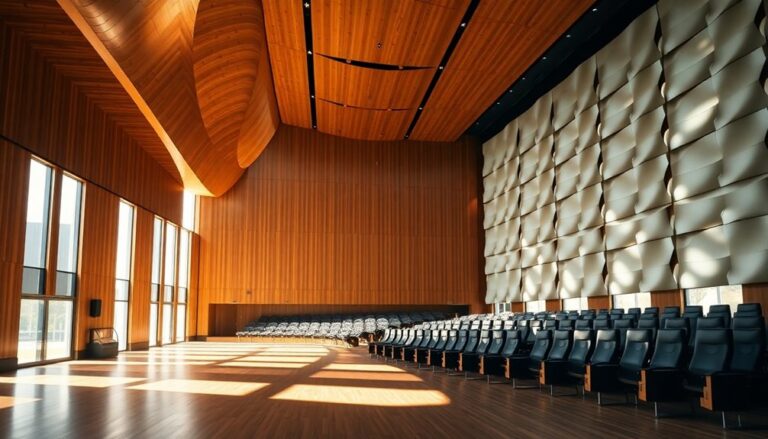
The strategic use of texture in visual media has a profound impact on the emotional engagement of audiences, influencing how they respond to stories, characters, and environments, and ultimately shaping their emotional connections with the narratives. From the nostalgic feel of film grain to the emotional distance of CGI, texture plays a vital role in evoking emotions and creating immersive experiences. Whether it's the tactile horror of rough surfaces, the intimacy of fabric in character development, or the symbolic weight of dust and decay, texture is a significant tool in visual storytelling. As we explore the nuances of texture, we uncover the multifaceted ways it shapes our emotional responses.
Film Grain and Nostalgic Feelings
The tactile quality of film grain evokes a distinct sense of nostalgia in many viewers, transporting them back to a bygone era of cinematic storytelling. This phenomenon is deeply rooted in the psychological connection audiences form with the visual textures that define their favorite films. The grainy aesthetics of older movies, with their soft focus and warm tones, have become synonymous with a bygone era of cinematic storytelling. As a result, the distinctive texture of film grain has become a fundamental part of film nostalgia, evoking feelings of warmth, comfort, and familiarity.
The use of film grain in modern productions is often a deliberate creative choice, aimed at capturing the core of classic cinema. Filmmakers employ digital tools to mimic the grainy look of old film stock, thereby creating a sense of continuity with the past. This nostalgic appeal is not limited to the visuals alone; the tactile quality of film grain likewise influences the audience's emotional response to the narrative. The grainy texture adds a layer of authenticity, making the viewing experience feel more intimate and immersive.
In essence, the emotional impact of film grain lies in its ability to evoke a sense of nostalgia, transporting viewers back to a bygone era of cinematic storytelling. By incorporating grainy aesthetics into their work, filmmakers can tap into this nostalgia, creating a deeper emotional connection with their audience. As a result, the use of film grain has become a crucial element in the visual language of contemporary cinema.
CGI's Emotional Distance Effect
Seventy years of cinematic evolution have brought us to a point where computer-generated imagery (CGI) dominates the visual scenery of modern films. Although CGI has transformed the film industry, it has introduced an unintended consequence: emotional distance. The over-reliance on digital aesthetics has led to a sense of animated detachment, making it challenging for audiences to form a genuine connection with the narrative.
This phenomenon can be attributed to the following factors:
- Synthetic textures: CGI often lacks the organic, tactile quality of real-world textures, creating a sense of artificiality that distances the audience from the story.
- Virtual realism: The pursuit of photorealism can result in a sterile, overly polished visual environment that feels more like a simulation than a lived-in world.
- Immersive experiences: Paradoxically, the immersive nature of CGI can contribute to emotional distance, as the audience becomes more focused on the spectacle than the emotional resonance of the story.
- CGI emotionality: The use of CGI to convey emotional depth can come across as insincere or manipulative, undermining the audience's emotional investment in the visual narrative.
As filmmakers continue to push the boundaries of CGI, it is crucial to acknowledge the emotional distance effect and aim for a balance between digital wizardry and authentic, audience-driven storytelling. By doing so, we can create immersive experiences that captivate the eyes and touch the heart.
Tactile Textures in Horror Movies
The tactile nature of horror movies enables filmmakers to tap into the audience's deep-seated fears, creating a sense of unease and discomfort. By incorporating tactile elements, horror movies can transcend the screen and physically affect the viewer. The use of tactile textures in horror movies serves as a potent tool for evoking visceral reactions, making the viewing experience more intense and unforgettable. As a result, horror movies that effectively utilize tactile textures can leave a lasting impact on audiences, haunting their memories long after the credits roll. By exploring the emotional impact of tactile textures in horror movies, we can gain a deeper insight into how filmmakers craft fear and anxiety, and how audiences respond to these terrifying experiences.
Fabric and Character Development
Costume fabric, a nuanced storytelling device, plays a pivotal role in character development, as it subtly conveys a character's personality, social status, and emotional state. Through fabric, audiences can infer a character's background, values, and motivations, making them more relatable and engaging. For instance, a character donning luxurious silk may exude confidence and wealth, whereas one clad in worn denim may convey a sense of ruggedness and practicality.
Fabric symbolism is particularly effective in evoking emotions and creating tactile connections with the audience. Here are some ways fabric contributes to character development:
- Social hierarchy: Fabric choice can indicate a character's social standing, such as opulent fabrics for royalty or worn fabrics for the working class.
- Personality traits: Fabrics can reflect a character's personality, like bold prints for an outgoing personality or muted tones for a more reserved one.
- Emotional state: Fabric textures and colors can convey a character's emotional state, such as soft fabrics for comfort or rough fabrics for unease.
- Cultural identity: Fabrics can represent a character's cultural background, like traditional African prints or Japanese kimonos.
Environmental Storytelling Through Decay
Environmental decay in visual media serves as a potent storytelling tool, conveying the passage of time and neglect through crumbling structures and faded grandeur. The vestiges of once-great civilizations or abandoned settlements evoke a sense of melancholy, inviting the audience to ponder the events that led to their downfall. Through the careful use of decaying textures, creators can craft immersive narratives that explore the consequences of time, neglect, and the fleeting nature of human achievement.
Faded Glory Remains
Through crumbling facades and overgrown gardens, a narrative of forgotten grandeur whispers secrets to those who dare to listen. Within the domain of environmental storytelling, decay serves as a poignant reminder of the transience of human achievement. Faded glory remains, a reflection of the inevitability of decline and the passage of time.
The emotional impact of texture in visual media is particularly pronounced in scenes of decay, where the tactile quality of crumbling stone, rusting metal, and overgrown vegetation evokes a sense of nostalgia and melancholy. This is due to decay tapping into our collective consciousness, conjuring faded memories and visual nostalgia for a bygone era.
Some key aspects of environmental storytelling through decay include:
- Atmosphere of abandonment: The air thick with the scent of decay, abandoned spaces evoke a sense of foreboding and unease.
- Visual metaphor: Decaying structures serve as a metaphor for the fragility of human existence and the impermanence of achievement.
- Tactile storytelling: The rough, weathered texture of decaying materials invites the viewer to engage with the narrative on a deeper level.
- Emotional resonance: Decay taps into our collective sense of loss and nostalgia, evoking a powerful emotional response.
Crumbling World Narratives
As the camera pans over the ravaged terrain, the traces of a once-thriving world come into focus, telling a tale of devastation and neglect. Crumbling world narratives, a form of environmental storytelling, convey the emotional impact of decay and neglect through texture. The crumbling civilizations, once proud and majestic, now lay in ruins, overgrown with vines and moss. The rough, weathered stone, the rusted metal, and the peeling paint all bear witness to the passage of time and the forces of nature reclaiming their territory.
The emotional decay of these crumbling world narratives evokes a sense of melancholy and nostalgia, a longing for a time long past. The textures of decay, carefully crafted by filmmakers and game developers, transport the viewer into a world of desolation and abandonment. The tactile quality of these textures invites the viewer to touch, to feel, and to experience the weight of history. By exploring the emotional impact of texture in visual media, we gain a deeper comprehension of the influence of environmental storytelling to evoke emotions and convey complex narratives.
The Power of Rust and Patina
Rust and patina hold a peculiar allure, one that resonates deeply with our emotional psyche. These textures evoke a sense of aged wisdom, as if the passage of time has imbued them with a narrative that whispers secrets to those who dare to listen. The rusty nostalgia that permeates these textures is a potent trigger for emotional resonance, transporting us to bygone eras and forgotten memories.
The patina symbolism embedded in these textures speaks to the beauty of decay, where the wear and tear of time reveals hidden stories and historical layers. Weathered stories unfold like a fabric, woven from the threads of experience and memory. The texture significance of rust and patina lies in their ability to evoke an emotional response, tapping into our collective psyche and conjuring feelings of melancholy, nostalgia, and wonder.
- Aging aesthetics are not just about visual appeal; they hold a deeper significance, speaking to the human experience of growth, decay, and transformation.
- The emotional resonance of rust and patina lies in their ability to evoke a sense of shared human experience, bridging the gap between past and present.
- Decay beauty is not an oxymoron; rather, it's an affirmation of the transformative influence of time, which can turn the mundane into the sublime.
- The stories hidden within rust and patina are not just about the physical world; they're about the emotional terrains we've traversed, and the memories we've accumulated along the way.
Smooth Surfaces and Futurism
Smooth surfaces in visual media evoke a sense of futurism, often manifesting in glassy cityscapes that convey a utopian or dystopian atmosphere. Metallic skins, whether on vehicles or architecture, add to this futuristic aesthetic, imbuing scenes with a sense of sophistication and innovation. Seamless shifts between smooth surfaces further improve this effect, creating an immersive experience that transports viewers to a world of advanced technology and sleek design.
Glassy Cityscapes
Glassy cityscapes, often characterized by sleek skyscrapers and futuristic architecture, evoke a sense of modernity and sophistication. These urban environments are defined by their smooth, reflective surfaces, which create a sense of sterility and detachment. The abundance of glass and steel in these cityscapes can make them feel impersonal and uninviting, contributing to a sense of urban isolation.
The emotional impact of glassy cityscapes can be multifaceted:
- Futuristic appeal: Glassy cityscapes can evoke a sense of excitement and wonder, as they represent the pinnacle of human innovation and progress.
- Urban isolation: The abundance of reflective surfaces can create a sense of disconnection, as individuals become isolated in their own reflections.
- Sleek modernity: Glassy cityscapes can symbolize modernity and sophistication, evoking feelings of luxury and refinement.
- Cold detachment: The lack of texture and warmth in these urban environments can create a sense of emotional numbness, as if the city itself is devoid of human emotion.
Metallic Skins
In visual media, metallic skins can be used to convey a sense of high-tech advancement and sleek design. Filmmakers and video game developers often employ metallic textures to create futuristic environments that transport audiences to a world of advanced technology and limitless possibility. By leveraging the emotional impact of metallic skins, creators can craft immersive experiences that capture the imagination and inspire a sense of wonder. By exploring the emotional resonance of metallic textures, we can gain a deeper insight into how visual media shapes our perceptions of the world around us.
Seamless Transitions
How do filmmakers and video game designers create an atmosphere of futurism, where the boundaries between technology and human experience blur? One key element is the use of seamless connections, which create a sense of visual coherence and emotional flow. Smooth surfaces and futuristic settings rely on the absence of rough edges, jagged lines, and visible joints, allowing the viewer to immerse themselves in the world.
To achieve this, designers employ various techniques, including:
- Gradual material connections: Blending materials seamlessly, such as metal to glass, to create a cohesive visual language.
- Sleek, curved lines: Using smooth, aerodynamic shapes to suggest advanced technology and futuristic design.
- Subtle texture variations: Employing subtle texture changes to convey a sense of depth and dimensionality without disrupting the visual flow.
- Dynamic lighting: Utilizing lighting effects to create a sense of movement and energy, further enhancing the futuristic atmosphere.
The Emotional Weight of Dust
In visual media, the depiction of dust can likewise serve as a metaphor for the human experience. Just as dust settles on surfaces, our memories and experiences accumulate, shaping our identities and influencing our perceptions. The emotional weight of dust lies in its ability to tap into our collective consciousness, evoking feelings of nostalgia, loss, and introspection. By incorporating dust symbolism into their work, creators can craft narratives that resonate on a deeper, more emotional level, leaving a lasting impact on their audience.
Rough Edges and Emotional Turmoil
- Rough textures as turmoil representation: Rough textures can be used to visually represent emotional turmoil, creating a sense of discomfort and unease in the viewer.
- Jagged lines and emotional chaos: Jagged lines and abrasive aesthetics can be used to create a sense of emotional chaos, mirroring the turmoil that occurs within.
- Gritty textures and psychological struggle: Gritty textures can be used to represent psychological struggle, creating a sense of tension and unease in the viewer.
- Rough surfaces and inner conflict: Rough surfaces can be used to visually represent inner conflict, creating a sense of emotional turmoil and discomfort in the viewer.
The Soothing Quality of Nature
By incorporating these natural textures into visual media, creators can craft immersive experiences that promote relaxation and reduce stress. The soothing quality of nature has a profound impact on our emotional well-being, providing a much-needed respite from the chaos of modern life. As we engage with these calming visuals, we are reminded of the importance of harmony with nature, and the profound benefits it brings to our mental and emotional health.
Video Games' Textural Immersion
In video games, texture plays an essential role in crafting immersive experiences by engaging players on a tactile level. Through the strategic use of tactile world-building techniques, game developers can evoke emotions and convey narrative meaning, whereas environmental storytelling through touch enables players to interact with virtual worlds in a more intuitive and sensory way. By incorporating sensory details that appeal to the sense of touch, game designers can create rich, memorable, and emotionally resonant experiences.
Tactile World-Building Techniques
As gamers navigate virtual domains, the tactile quality of textures plays a crucial role in crafting an immersive experience, drawing players deeper into the world and cultivating a profound emotional connection. By incorporating tactile sensations, game developers can create environments that feel tangible and authentic, encouraging a sense of presence and engagement.
To achieve this, game developers employ various tactile world-building techniques, including:
- Physicality representation: Incorporating realistic physical properties, such as weight, density, and friction, to create a sense of material authenticity.
- Touchable environments: Designing environments that invite sensory engagement, such as rustling leaves or creaking wooden floors, to create a sense of immersion.
- Emotional textures: Using textures to evoke emotions, such as the roughness of a rocky terrain or the smoothness of a polished surface, to create a deeper emotional connection.
- Sensory storytelling: Using textures to convey narrative information, such as the worn stone walls of an ancient castle or the sleek surfaces of a futuristic city, to create a rich and immersive experience.
Environmental Storytelling Through Touch
Frequently, video games rely on visual and auditory cues to convey narrative information, but environmental storytelling through touch offers a unique opportunity to immerse players in the game world. By incorporating tactile elements, game developers can create a more engaging and memorable experience. Textural symbolism plays an essential role in this process, as it allows players to infer meaning from the tactile feedback they receive.
| Environmental Element | Textural Implication |
|---|---|
| Rusty metal door | Aged, worn, and potentially hazardous |
| Soft, velvety carpet | Luxurious, opulent, and inviting |
| Rough, rocky terrain | Harsh, unforgiving, and treacherous |
| Smooth, polished wood | Refined, sophisticated, and elegant |
Through environmental storytelling, game developers can convey the history, atmosphere, and emotional tone of a scene, drawing players into the world and encouraging them to explore and interact with their surroundings. By leveraging textural symbolism and tactile immersion, games can create a richer, more immersive experience that resonates with players on a deeper level.
Sensory Details Matter
Sensory details have a profound impact on the player's emotional connection to a game world, and texture plays a significant role in this process. The incorporation of tactile elements can evoke feelings of sensory nostalgia, transporting players back to a particular time and place. This emotional resonance is rooted in the brain's tendency to associate certain textures with memories, making the experience feel more immersive and engaging.
The following ways in which texture contributes to sensory details in video games:
- Environmental authenticity: Texture can make or break the believability of a game's environment. Realistic textures can create a sense of presence, drawing players into the world.
- Tactile memories: Games that incorporate familiar textures, such as the feel of worn wood or the roughness of stone, can evoke strong tactile memories in players.
- Sensory feedback: The use of haptic feedback and controller vibrations can simulate the sensation of touch, further enhancing the sense of immersion.
- Atmospheric tension: Texture can similarly be used to create a sense of unease or tension, such as the feeling of walking through a creepy, dimly lit environment with an unsettling texture.
The Memory of Touch in Media
Many visual media creators intuitively understand the significance of texture in evoking emotional responses from their audiences, yet the intricacies of this phenomenon remain largely unexplored. One essential aspect of texture's emotional impact is its ability to tap into our tactile memories, transporting us back to a specific time and place.
When we encounter a familiar texture in a film, video game, or advertisement, it can evoke a potent sense of sensory nostalgia. This phenomenon is rooted in the brain's tendency to associate certain textures with memories and emotions, often formed during childhood or significant life events. For instance, the roughness of tree bark may remind us of a childhood adventure, whereas the softness of a blanket may evoke feelings of comfort and security.
Frequently Asked Questions
Can Texture Be Used to Evoke Emotions in Animation?
Ironically, the intangible domain of animation can evoke potent emotional responses through the clever use of texture, bridging the gap between the virtual and our tactile experiences. By incorporating textures that resonate with our senses, animators can create a sense of visual harmony, evoking emotions that linger long after the credits roll. Texture's emotional potency lies in its ability to tap into our subconscious, conjuring feelings and memories that transcend the screen, making the virtual, visceral.
How Do Cultural Associations Influence Texture's Emotional Impact?
Cultural associations greatly influence the emotional impact of texture by leveraging cultural symbolism. Texture perception is deeply rooted in cultural conditioning, where certain textures evoke specific emotions based on learned associations. For instance, the rough texture of wood may evoke a sense of ruggedness in Western cultures, whereas in Eastern cultures, it may symbolize harmony with nature. Grasping these cultural nuances is essential in visual media, as it enables creators to effectively convey emotions and resonance with their target audience.
Can Texture Overpower Other Visual Storytelling Elements?
Like a velvet-wrapped secret, texture can quietly dominate the visual scenery, upstaging its storytelling companions. When texture takes center stage, it can create a visual hierarchy that eclipses other elements, risking sensory overload. If not balanced, the tactile nuances can overwhelm the narrative, rendering it lost in a sea of sensory stimulation. As a result, the carefully crafted visual language is reduced to mere background noise, leaving the audience disoriented and disconnected from the intended message.
Do Certain Textures Evoke Universal Emotional Responses?
Research suggests that certain textures can truly evoke universal emotional responses, transcending individual experiences. This phenomenon is rooted in the domain of sensory perception, where textures tap into our primal connections, evoking emotional resonance. For instance, the tactile sensation of rough wood can evoke a sense of ruggedness, whereas smooth glass can convey a feeling of serenity. These innate associations are deeply ingrained, allowing textures to convey complex emotions and moods in a universal language.
Can Texture Be Used to Create Emotional Ambiguity?
Like a delicate dance, texture can weave a complex emotional fabric, leaving audiences suspended in a state of ambiguity. By masterfully orchestrating texture interplay, creators can craft a sense of emotional resonance that defies clear-cut interpretation. This deliberate ambiguity allows viewers to inject their own experiences and emotions, nurturing a deeper connection with the visual narrative. As a result, texture becomes a potent tool for evoking nuanced, open-to-interpretation emotional responses that linger long after the credits roll.