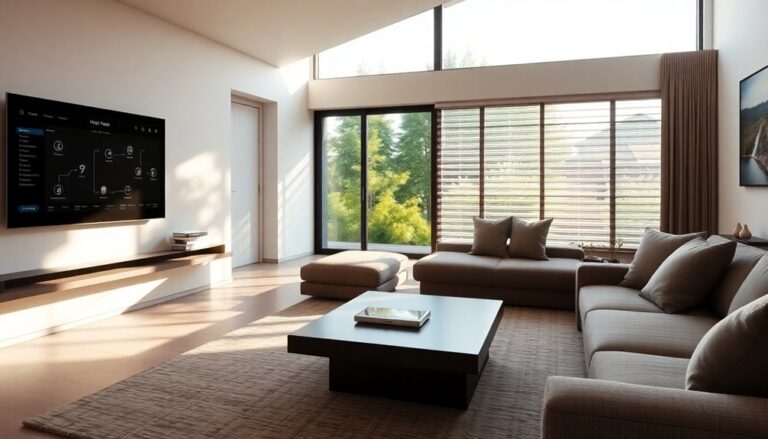
The evolution of design trends over time is a rich fabric of cultural, social, and technological advancements. From the ornate intricacies of Art Nouveau to the sleek minimalism of modern digital design, each era has contributed its unique aesthetic and principles. Mid-Century Modern emphasized functionality and simplicity, whereas the 1960s psychedelic movement exploded with bold colors and abstract shapes. The digital revolution of the 1980s introduced pixel art and retro futurism, followed by the Grunge era's anti-design philosophy and the 2000s minimalist aesthetic. Today, contemporary design prioritizes user experience and adaptability, incorporating state-of-the-art technologies like VR and AI. As design continues to evolve, its story is only just beginning to unfold.
Art Nouveau and the Early 20th
In spite of its popularity, Art Nouveau's reign was relatively short-lived, giving way to newer design movements such as Cubism and Futurism. Nevertheless, its influence can still be seen in many aspects of modern design, from the flowing curves of modern architecture to the intricate patterns used in graphic design. As a proof of its enduring appeal, Art Nouveau remains a beloved and iconic design style, continuing to inspire designers and artists to this day.
The Rise of Mid-Century Modern
The mid-century modern design movement, which emerged in the 1940s and 1950s, is characterized by clean lines, minimal ornamentation, and an emphasis on functionality. Organic shapes, inspired by nature, as well became a hallmark of this style, adding a sense of elegance and sophistication. As designers began to prioritize functionality alongside aesthetics, mid-century modern design brought a new level of sophistication and refinement to the realm of interior design.
Clean Lines Emerge
Mid-century modern's understated elegance, characterized by clean lines, minimal ornamentation, and an emphasis on function, emerged in the post-war era as a revitalizing departure from the ornate, curvilinear styles that dominated the early 20th century.
This shift in the direction of simplicity and functionality was driven by a desire for efficiency and practicality. The focus on clean lines and minimal ornamentation resulted in designs that were both aesthetically pleasing and functional. Key characteristics of this era include:
- Geometric simplicity: The use of simple shapes and clean lines created a sense of calm and serenity in design.
- Balanced proportions: Careful attention was paid to the relationship between different elements, resulting in harmonious and well-balanced compositions.
- Emphasis on function: Designers prioritized the purpose of an object or space, ensuring that form followed function.
The clean lines and minimal ornamentation of mid-century modern design created a sense of sophistication and elegance, marking a significant departure from the ornate styles that came before.
Organic Shapes Prevail
As functionality and simplicity reached new heights, a subtle yet profound shift occurred, paving the way for organic shapes to prevail. This marked the rise of Mid-Century Modern design, a style characterized by its emphasis on natural forms and fluid structures. The clean lines and minimalism of the previous era gave way to more sinuous and curvaceous shapes, evoking a sense of warmth and humanity. Designers began to draw inspiration from the natural world, incorporating elements like wood and wicker into their work. The result was a aesthetic that was both modern and organic, a perfect blend of form and function. The iconic Eames Lounge Chair, with its curved plywood shell and cushioned upholstery, is a prime example of this design philosophy. As organic shapes continued to prevail, designers pushed the boundaries of what was possible, creating innovative and beautiful pieces that continue to influence design today.
Functionality Meets Aesthetics
As functionality had long been a primary concern in design, a growing emphasis on aesthetics began to emerge, signaling a pivotal shift in the design terrain. This convergence of functionality and aesthetics marked the rise of Mid-Century Modern design, a style that would come to define the era.
Mid-Century Modern designers sought to strike a delicate balance between functionality and aesthetic appeal. They achieved this by:
- Streamlining forms: Simplifying shapes and lines to create a sense of elegance and sophistication.
- Integrating natural materials: Incorporating organic materials, such as wood and leather, to add warmth and texture to spaces.
- Emphasizing negative space: Using empty space to create a sense of breathability and visual calm.
This newfound emphasis on aesthetics did not come at the expense of functionality. Instead, designers worked to create spaces that were both beautiful and functional, achieving a harmonious balance between the two. The result was a design movement that continues to influence design trends to this day.
Psychedelic Expressions of the 60s
During the 1960s, a transformative decade marked by social upheaval and cultural revolution, design underwent a radical shift, giving rise to the lively and unconventional phenomenon of psychedelic expressions. This era saw a departure from the clean lines and minimalism of the previous decade, as designers began to experiment with bold, vivid colors and abstract shapes. Psychedelic art, characterized by its use of bright, clashing hues and distorted forms, became a hallmark of the period.
The psychedelic movement was deeply rooted in the counterculture of the 1960s, reflecting the era's emphasis on free expression and rebellion against traditional norms. Designers, influenced by the likes of Andy Warhol and Peter Max, began to push the boundaries of visual storytelling, creating works that were both visually striking and intellectually stimulating. The use of vivid colors, swirling patterns, and abstract shapes created a sense of dynamism and energy, capturing the spirit of a generation that was enthusiastic to challenge the status quo.
As the psychedelic movement gained momentum, it began to influence various aspects of design, from graphic design and illustration to fashion and architecture. The era's iconic posters, featuring bright, Day-Glo colors and distorted typography, have become synonymous with the psychedelic aesthetic. The psychedelic expressions of the 1960s continue to inspire designers today, serving as a reminder of the potency of design to reflect and shape cultural attitudes.
The Digital Revolution of the 80s
The 1980s ushered in a seismic shift in the design terrain, catapulting the industry into the digital age with the advent of personal computers and graphic design software. This transformation enabled designers to explore new creative avenues, giving birth to innovative styles and aesthetics that continue to influence contemporary design.
The digital revolution of the 80s was characterized by:
- Pixel art and computer graphics: The early days of computer graphics led to the development of pixel art, a style that celebrated the low-resolution, blocky aesthetic of early digital images. This style was prominently featured in video games and software interfaces of the time.
- Neon colors and retro futurism: The 80s were marked by a fascination with futuristic themes, often accompanied by a palette of neon colors that evoked a sense of excitement and optimism. This retro-futuristic aesthetic can still be seen in synthwave design and music today.
- Digital typography and video game design: The advent of digital typography allowed designers to experiment with new font styles and layouts, whereas video game design emerged as a distinct discipline, influencing the development of interactive design and user experience.
The digital revolution of the 80s paved the way for the design industry's rapid evolution, laying the groundwork for future trends and innovations. Its influence can still be seen in contemporary design, from graphic novels to software interfaces, and continues to inspire designers to push the boundaries of creativity and innovation.
Grunge and the Anti-Design Era
Riding the coattails of the digital revolution, the 1990s ushered in a radical paradigm shift in design, marked by a deliberate rejection of the sleek, high-tech aesthetic that had defined the previous decade. This shift was largely influenced by the grunge movement, which emerged in the music scene and trickled down to the design world. Grunge's DIY ethos and anti-establishment sentiment resonated with designers who sought to disrupt the status quo.
The grunge influence led to the rise of the anti-design philosophy, which challenged the prevailing notions of beauty, elegance, and sophistication. Designers began to embrace imperfection, rawness, and a general sense of dishevelment. This aesthetic was characterized by the use of distressed textures, ripped paper, and intentionally rough-around-the-edges visuals. The anti-design philosophy was a reactionary response to the perceived superficiality of the 1980s, and it paved the way for a more authentic, raw, and emotional approach to design.
The grunge and anti-design era was marked by a sense of rebellion and nonconformity. Designers rejected the slick, polished look of the previous decade, opting instead for a more raw and unbridled aesthetic. This shift had a profound impact on the design environment, as it opened up new possibilities for creative expression and paved the way for future design movements.
The Minimalist Aesthetic of the 2000s
As the rebellious spirit of the grunge and anti-design era began to wane, a new aesthetic emerged, one that sought to strip away the excess and revel in simplicity. This marked the rise of the minimalist aesthetic in the 2000s, a design philosophy that celebrated the beauty of simplicity and restraint.
At its core, the minimalist philosophy is about stripping away unnecessary elements to reveal the essence of a design. This approach resonated with designers and consumers alike, who were growing tired of the loud and busy visuals of the previous era. The minimalist aesthetic was characterized by:
- Clean lines and simple shapes: A focus on geometric forms and minimal ornamentation created a sense of calm and serenity.
- Monochromatic color schemes: A limited palette of neutral tones and subtle contrasts added to the overall sense of simplicity and cohesion.
- Negative space: The strategic use of empty space created a sense of breathability and visual flow.
The minimalist aesthetic permeated various design disciplines, from graphic design and fashion to architecture and product design. It was an era that celebrated design simplicity, where less was truly more. By stripping away the extraneous, designers were able to create works that were not just visually striking but also highly effective in communicating their message.
Contemporary Design in the Digital Age
Several decades into the digital revolution, design has undergone a seismic shift, transforming the way we create, consume, and interact with visual content. Contemporary design in the digital age prioritizes user experience, placing the individual at the forefront of the design process. This user-centered approach has led to a surge in design accessibility, ensuring that digital interfaces are inclusive and usable for all.
The rise of creative coding has enabled the development of interactive media, responsive layouts, and immersive experiences. Virtual reality (VR) and augmented experiences (AR) have become increasingly prevalent, blurring the lines between the physical and digital worlds. These innovations have pushed the boundaries of aesthetic innovation, allowing designers to experiment with new forms and mediums.
Digital interfaces have become increasingly sophisticated, incorporating AI-powered tools and machine learning algorithms to improve the user experience. Meanwhile, the proliferation of mobile devices has made responsive design a necessity, ensuring that digital content is optimized for various screen sizes and devices.
As technology continues to evolve, contemporary design in the digital age remains focused on creating seamless, intuitive, and engaging experiences that prioritize the user. By embracing the latest innovations and trends, designers can craft innovative solutions that meet the diverse needs of modern audiences.
Frequently Asked Questions
How Do Cultural Movements Influence Design Trends?
Cultural movements greatly impact design trends by introducing new cultural aesthetics that reflect the values and attitudes of a particular era. These movements often emerge as a response to the prevailing historical context, driving designers to create works that resonate with the contemporary spirit. As a result, design trends become imbued with the cultural nuances of their time, providing a visual representation of the collective consciousness.
What Role Does Technology Play in Shaping Design?
Envision a domain where designers are mere puppets, with technology pulling the strings. In reality, tech plays a significant role in shaping design, particularly in the field of user interface innovations. The rise of virtual reality design has opened doors to immersive experiences, revolutionizing the way we interact with products. As technology advances, designers must adapt, incorporating these innovations to create seamless user experiences that balance aesthetics with functionality.
Can Design Trends Be Predicted or Are They Organic?
Predicting design trends is a complex task, as they often emerge organically from cultural and social shifts. Nevertheless, market forecasting and analysis of cyclical patterns can provide valuable insights. By examining historical design movements and identifying recurring themes, designers and industry experts can make informed predictions about future trends. Although not foolproof, this approach can help anticipate and prepare for emerging design directions, allowing businesses to stay ahead of the curve.
How Do Design Trends Impact Consumer Behavior?
"When in Rome, do as the Romans do" – design trends have a profound impact on consumer behavior, influencing purchasing decisions and loyalty. Effective branding strategies tap into consumer psychology, leveraging trends to create emotional connections with customers. By aligning with prevailing aesthetics, companies can increase brand recognition, credibility, and desirability. Conversely, failing to adapt can lead to stagnation and disconnection. By comprehending the psychological underpinnings of design trends, businesses can craft strategies that resonate with their target audience and drive growth.
What Is the Relationship Between Design Trends and Art Movements?
The relationship between design trends and art movements is deeply rooted in shared design philosophy and aesthetic principles. As art movements emerge, they often inform and influence design trends, and vice versa. For instance, the minimalist aesthetic of the Bauhaus movement paved the way for modernist design principles, whereas the ornate patterns of Art Nouveau inspired decorative design elements. This symbiotic relationship enables designers to tap into the cultural zeitgeist, creating visually striking and culturally relevant designs that resonate with their audience.