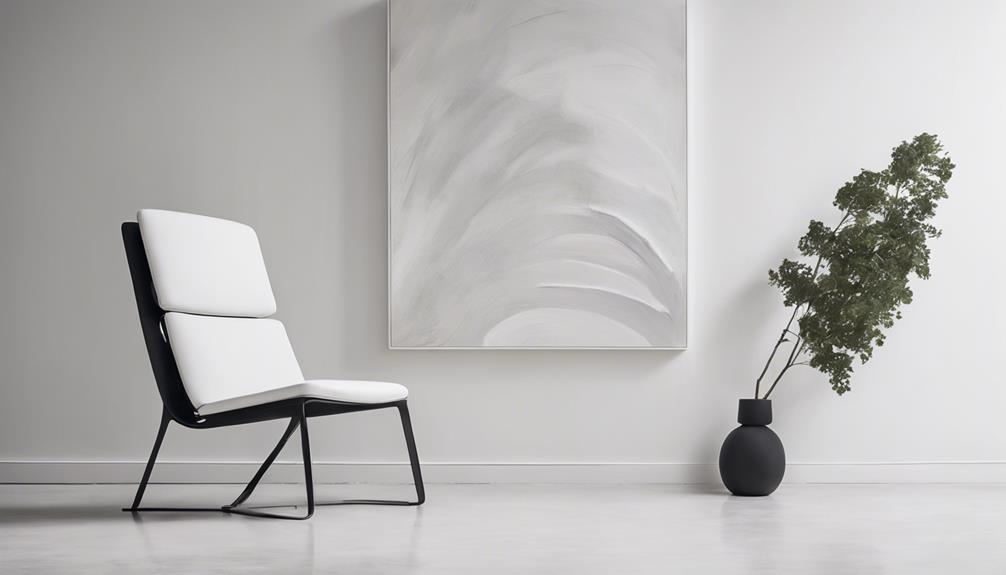

As you explore modern design, you'll discover how minimalist principles have reshaped the industry. From simplifying user experience to streamlining digital interfaces, minimalism has become a cornerstone of contemporary design. By embracing simplicity, designers create a sense of calm, reduce clutter, and promote mindfulness. This aesthetic evolution has also influenced brand identity, emphasizing clarity and emotional connection. As you continue, you'll uncover the profound impact of minimalism on modern design, and how it's revolutionizing the way we interact with the world around us – and there's more to uncover.
The Rise of Minimalist Aesthetic
As you flip through design magazines or scroll through social media, you've likely noticed a proliferation of sleek, uncluttered spaces that embody the essence of minimalist chic. The rise of minimalist aesthetic has become a defining feature of modern design, permeating everything from interior spaces to product design. But what's behind this cultural phenomenon? To comprehend the significance of minimalism, it's crucial to delve into its historical context.
In the post-war era, minimalist design emerged as a reaction against the ornate, opulent styles that dominated the pre-war period. The Bauhaus movement, led by designers like Le Corbusier and Ludwig Mies van der Rohe, championed the idea of functional simplicity. This aesthetic resonated with the austerity of the post-war era, where resources were scarce and functionality was paramount.
Today, minimalism has evolved to encompass a broader cultural significance. It's no longer just about functional simplicity but about creating spaces that promote clarity, calmness, and contemplation. In an era of information overload, minimalism offers a respite from the visual noise, allowing us to focus on what truly matters. As you navigate the design landscape, you'll notice how minimalist principles are being applied to create harmony, balance, and elegance in various aspects of modern design. The cultural significance of minimalism lies in its ability to strip away the unnecessary, revealing the essence of beauty in simplicity.
Simplifying User Experience Design
By applying minimalist principles to user experience design, you can streamline interfaces, eliminate distractions, and guide users' attention to what matters most. This approach helps you create a seamless and intuitive experience, making it easier for users to achieve their goals. A key aspect of simplifying user experience design is implementing Streamlined Navigation. By reducing the number of options and creating a clear information architecture, you can help users find what they need quickly and efficiently. This, in turn, reduces frustration and increases user satisfaction.
Another essential aspect of minimalist user experience design is Intuitive Onboarding. When you provide a clear and concise introduction to your product or service, users can quickly understand its value and start using it effectively. This is particularly important for complex products or services, where a well-designed onboarding process can make all the difference. By breaking down the onboarding process into simple, manageable steps, you can reduce the cognitive load on users and make them more likely to succeed. By applying minimalist principles to user experience design, you can create products that are both visually appealing and highly usable, leading to increased user engagement and loyalty.
Decluttering Digital Interfaces
You'll be surprised at how much visual noise you can eliminate from your digital interfaces by ruthlessly editing out unnecessary elements. This process is vital for maintaining good digital hygiene, which is essential in today's digital age. When designing digital interfaces, it's easy to get caught up in the excitement of adding more features and functionalities. However, this can lead to virtual clutter, making it difficult for users to navigate and find what they need.
By decluttering your digital interfaces, you can create a more streamlined and intuitive user experience. This means removing any unnecessary buttons, icons, or other elements that don't serve a clear purpose. It's not about removing functionality, but about making it easier for users to access the features they need.
To achieve this, take a step back and assess your digital interfaces with a critical eye. Ask yourself, 'Is this element truly necessary?' or 'Can I simplify this process?' By being ruthless in your editing, you can create a more minimalist design that puts the user's needs first. Remember, good digital hygiene is about creating a clean and organized digital environment that promotes efficiency and productivity. By decluttering your digital interfaces, you can improve the overall user experience and create a more seamless interaction between humans and technology.
Embracing Negative Space
Negative space, the unsung hero of minimalist design, transforms cluttered digital interfaces into sleek, user-friendly environments. You might be thinking, 'Isn't empty space just, well, empty?' But that couldn't be further from the truth. Negative space is a deliberate design choice that creates Visual Silence, allowing your eyes to focus on what's truly important. It's the empty composition that lets your brain process information more efficiently.
When you strip away the noise, you're left with a design that's clean, intuitive, and easy to navigate. Think of it like a refreshing break – your users will appreciate the respite from the visual clutter that plagues so many digital interfaces. By embracing negative space, you're creating an environment that encourages exploration and engagement.
Influence on Brand Identity
As you strip away visual clutter, your brand's personality begins to shine through, and a minimalist approach helps establish a strong, recognizable brand identity that resonates with your target audience. By embracing simplicity, you can create a more authentic and relatable brand that speaks to your audience on a deeper level.
Minimalism in design allows for Brand Humanization, where your brand's personality, values, and mission are showcased through subtle yet impactful design elements. This approach helps create a more emotional connection with your audience, making your brand more memorable and likable.
Here are some key benefits of minimalist design on brand identity:
- Simplified messaging: Minimalist design helps to strip away unnecessary elements, allowing your brand's message to shine through.
- Increased recognition: A consistent, minimalist design language makes your brand more recognizable across different platforms.
- Emotional connection: By using negative space and simple typography, you can create a more intimate and emotional connection with your audience.
- Versatility: Minimalist design elements can be easily adapted to different mediums, from social media to print materials.
The Future of Design Trends
As you look to the future of design trends, you’ll notice a shift towards evolving aesthetics that prioritize clean lines, simplicity, and functionality. You’ll also see a growing emphasis on sustainable design elements that reduce waste and promote eco-friendliness. By embracing these changes, you’ll be well-positioned to create designs that are both visually stunning and environmentally conscious. Additionally, the integration of the golden ratio in design today is becoming increasingly prevalent, guiding the creation of harmonious and balanced compositions. This mathematical principle not only enhances the visual appeal but also resonates with viewers on a deeper level, fostering a sense of natural order. As designers continue to explore these innovative approaches, the fusion of aesthetics and sustainability will redefine the future of design, ensuring that every piece not only captivates but also contributes positively to our world.
Evolution of Aesthetics
You're witnessing a significant shift in design trends, where clean lines, minimal ornamentation, and an emphasis on functionality are redefining the aesthetic landscape. This evolution of aesthetics is a direct result of minimalism's influence on modern design. As a result, designers are now focusing on creating spaces that exude simplicity, sophistication, and a sense of calm.
Some key aspects of this shift include:
- A focus on Artistic Expression, where designers are using minimalism as a means to convey their unique perspective and style.
- An emphasis on Cultural Identity, where design becomes a reflection of a community's values, traditions, and history.
- The use of natural materials and earthy tones to create a sense of warmth and coziness.
- A blending of modern technology with traditional craftsmanship to create unique, functional pieces.
This new aesthetic is not only visually appealing but also reflects a deeper understanding of the human experience. By stripping away unnecessary elements, designers are able to create spaces that are truly functional, beautiful, and meaningful.
Sustainable Design Elements
By incorporating sustainable design elements, you're not only reducing your carbon footprint but also creating a healthier, more environmentally conscious living space that benefits both you and the planet. As you adopt a minimalist approach, you'll find that eco-friendly materials become an essential aspect of your design. From reclaimed wood to recycled glass, these materials not only reduce waste but also add a unique touch to your space. Energy efficiency is another key aspect to contemplate, as it greatly decreases your energy consumption and lowers your utility bills. By incorporating energy-efficient appliances, LED lighting, and smart home systems, you'll be doing your part for the environment while saving money in the long run. By making these conscious design choices, you'll be contributing to a more sustainable future, and that's a trend that's here to stay. As you continue to evolve your design aesthetic, remember that sustainability is not just a trend, but a necessity for a healthier planet.
Frequently Asked Questions
Can Minimalism Be Applied to Complex Data Visualization?
When tackling complex data visualization, you might wonder if minimalism can help. The answer is yes! By embracing data simplicity, you can strip away clutter and focus on essential insights. Create a visual hierarchy to guide the viewer's attention. This approach helps you prioritize information, making it easier to digest and understand. By applying minimalist principles, you'll uncover meaningful patterns and trends, making your data visualization more effective and engaging.
How Does Minimalism Impact Accessibility in Design?
'Less is more' rings true when it comes to accessibility in design. You'll find that minimalism plays an important role in making your designs more accessible. Clear navigation and simple icons help users with disabilities easily understand and interact with your design. By stripping away clutter, you're creating a more inclusive experience. Minimalism guarantees that your design is intuitive, making it easier for everyone to use, regardless of abilities.
Is Minimalism a Passing Trend or a Long-Term Shift?
As you ponder the staying power of minimalism, ask yourself: does it possess cultural relevance that'll stand the test of time, or is it a fleeting fascination? You'll likely find that minimalism's clean aesthetic has become deeply ingrained in our visual culture, making it more than just a passing trend. Plus, design nostalgia often romanticizes past styles, but minimalism's simplicity has allowed it to evolve, ensuring its long-term relevance.
Can Minimalism Be Used in Combination With Other Design Styles?
You're wondering if minimalism can blend with other styles. Absolutely! You can merge minimalism with other design aesthetics to create a unique look. Try Eclectic Fusion, where minimalist elements meet bold, contrasting pieces. Or, combine minimalism with Modern Heritage, blending clean lines with ornate, vintage accents. The result is a space that's both sleek and rich in character. By mixing styles, you'll create a look that's all your own, and that's what makes design so exciting!
Does Minimalism Work for All Types of Products or Services?
You might be wondering if minimalism is a one-size-fits-all solution for every product or service. The truth is, it's not a magic bullet. While minimalism can elevate lifestyle products, it might not be the best fit for luxury brands that thrive on opulence and extravagance. You see, sometimes, less isn't always more. In fact, some products require a certain level of complexity and embellishment to justify their premium price tag.