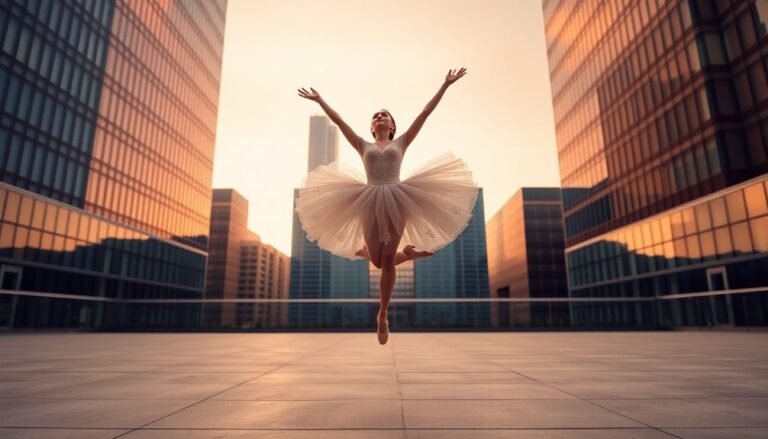
Movement guides the viewer's eye through a composition by creating visual flow and dynamic interaction. It directs attention, establishes a visual hierarchy, and influences perception. Strategic placement of elements and balance between static and dynamic components improve visual communication. By comprehending how movement impacts the viewer's experience, artists can craft engaging and dynamic visual stories. As we explore the nuances of movement and visual flow, the intricacies of guiding the viewer's eye become increasingly clear, revealing the details of a well-crafted composition.
Movement and Visual Flow
The dynamic interplay between movement and visual flow is an essential aspect of guiding the viewer's eye through a composition. This interplay is rooted in the principles of spatial dynamics, which refer to the way visual elements are arranged and interact within a given space. By manipulating these elements, artists and designers can create a kinetic composition that engages the viewer and directs their attention. Movement, in this scenario, can be actual or implied, and can take many forms, from the sweeping lines of a dynamic shape to the subtle suggestions of motion in a static image.
The effective use of movement and visual flow can add depth, energy, and emotion to a composition, drawing the viewer in and creating a sense of tension or harmony. By balancing static and dynamic elements, artists can create a sense of spatial dynamics that guides the viewer's eye through the composition. A kinetic composition can be achieved through the use of lines, shapes, and colors that suggest movement or energy, creating a sense of visual flow that directs the viewer's attention. In the end, the successful integration of movement and visual flow is essential in creating a compelling and engaging visual experience, and is a key aspect of effective visual communication.
Guiding the Viewer
Guiding viewers through a composition requires careful consideration of various visual elements, as our gaze is naturally drawn to areas of high contrast, lively colors, and dynamic movement. To effectively guide the viewer, it is vital to comprehend how these elements interact and influence viewer engagement. By strategically placing visual elements, creators can direct the viewer's attention and control the narrative, in the end enhancing visual storytelling.
The use of movement in guiding the viewer is a significant aspect of visual storytelling. Dynamic movement can be used to create a sense of energy and tension, drawing the viewer's eye to specific areas of the composition. This, in turn, can increase viewer engagement, as the viewer is more likely to be invested in the narrative. By carefully balancing movement and static elements, creators can craft a compelling visual story that captivates the viewer's attention.
Effective guiding of the viewer requires a deep awareness of visual elements and their impact on viewer engagement. By considering the interplay between movement, contrast, and color, creators can design compositions that engage and captivate the viewer. Through the strategic use of visual elements, creators can guide the viewer's eye, enhancing the overall visual storytelling experience and nurturing a deeper connection with the viewer. This deliberate approach to composition enables creators to convey their message with clarity and precision.
Eye Movement Patterns
Eye movement patterns play an vital role in comprehending how viewers engage with visual compositions, as research has shown that human eyes tend to follow predictable trajectories when scanning a scene. This knowledge is important for artists, designers, and filmmakers who aim to guide the viewer's eye through their work. By grasping eye movement patterns, creators can intentionally design compositions that capture and hold the viewer's attention. Eye tracking studies have shed light on the common paths that human eyes take when exploring visual content, revealing that viewers often follow a zigzag or circular pattern.
The analysis of eye movement patterns has considerable implications for viewer engagement. By strategically placing key elements along the predicted trajectory of the viewer's eye, artists can create a more immersive experience. For instance, placing a focal point at the intersection of two lines or at the center of a circular composition can maximize viewer engagement. Additionally, eye tracking data can inform the placement of text, color, and other visual elements to optimize the flow of information and maintain the viewer's interest. By utilizing the influence of eye movement patterns, creators can craft compositions that effectively communicate their message and captivate their audience. Effective use of eye tracking insights can greatly improve viewer engagement and overall visual experience.
Creating Dynamic Scenes
Creating dynamic scenes is vital in guiding the viewer's eye, as it enables artists and designers to direct attention and engage the audience. The principles of visual flow and scene balance are fundamental in achieving this, as they determine how the viewer's eye navigates the composition. By carefully considering visual flow and scene balance, creators can craft dynamic scenes that effectively capture and hold the viewer's attention, conveying the intended message or emotion.
Visual Flow
Through the strategic use of visual elements, artists and designers can establish a sense of movement within a scene, drawing the viewer's attention through a carefully composed visual flow. This visual flow is achieved by creating a visual rhythm that guides the viewer's eye through the scene, often using lines, shapes, and forms to create a sense of kinetic harmony. By balancing visual elements, artists can create a dynamic visual flow that engages the viewer and encourages them to explore the scene further.
The effective use of visual flow can greatly improve the overall impact of a scene, creating a sense of energy and movement that captivates the viewer. By incorporating visual rhythm and kinetic harmony, artists can create a sense of fluid motion, drawing the viewer's eye through the scene in a logical and intuitive way. This careful composition of visual elements enables artists to create dynamic scenes that engage and interact with the viewer.
Scene Balance
Effective composition of visual elements is fundamental to establishing a sense of movement within a scene, and achieving balance is vital to creating dynamic scenes that engage the viewer. Scene balance is an important aspect of scene composition, as it guarantees that the visual elements are arranged in a way that creates visual harmony. This balance can be achieved by considering the placement of objects, the use of color and texture, and the overall flow of the scene.
To create a balanced scene, consider the following:
- Symmetry: Use symmetry to create a sense of order and stability.
- Asymmetry: Use asymmetry to create a sense of tension and movement.
- Negative space: Use negative space to create a sense of simplicity and focus. By applying these principles, you can create a scene that is visually appealing and engaging, with a sense of movement that guides the viewer's eye through the scene composition, finally achieving visual harmony.
Directing the Gaze
The strategic use of movement in visual compositions plays an essential role in directing the gaze, influencing how the viewer’s eye navigates the scene. Eye flow and visual path are key considerations in this process, as they determine the order in which elements are perceived and the overall rhythm of the composition. By carefully managing eye flow and visual path, creators can guide the viewer’s attention and create a more engaging, dynamic experience. One effective way to control eye flow is through the strategic placement of lines, shapes, and directional elements that naturally lead the viewer’s gaze. Additionally, the role of contrast in focus is critical, as differences in color, brightness, and texture can emphasize key elements and establish a clear hierarchy within the composition. By balancing movement and contrast, creators can ensure that the viewer’s attention is drawn to the most important aspects of the visual arrangement.
Eye Flow
Movement within a composition serves as a crucial element in guiding the viewer's eye, fundamentally directing their gaze across the visual space. This concept is closely related to eye flow, which refers to the way the viewer's eye moves through the composition. Eye flow is influenced by various visual cues, including lines, shapes, and colors, which work together to create an eye rhythm that guides the viewer's gaze.
To create effective eye flow, consider the following elements:
- Leading lines: Lines that lead the viewer's eye to the subject or point of interest
- Visual weight: The distribution of visual elements to balance the composition
- Focal points: Areas of high contrast or interest that draw the viewer's eye
Visual Path
Guiding the viewer's gaze through a composition involves creating a visual path that directs their attention to specific points of interest. This visual path is essential in establishing a clear visual hierarchy, where the most important elements are emphasized and the viewer's eye is drawn to them. By controlling the movement rhythm within the composition, artists and designers can create a sense of flow that leads the viewer's gaze through the visual path.
The visual path can be created using various elements, such as lines, shapes, and colors, which work together to guide the viewer's eye. A well-designed visual path takes into account the movement rhythm of the composition, ensuring that the viewer's gaze moves smoothly and effortlessly through the image. By balancing visual elements and movement rhythm, artists and designers can create a clear visual hierarchy, effectively directing the viewer's attention and engaging them with the composition. This deliberate guidance improves the overall visual experience.
Movement and Emphasis
As artists and designers deliberately compose visual elements, they often rely on movement to draw the viewer's eye to specific parts of the composition, thereby creating emphasis. This movement impact can be achieved through various emphasis techniques, guiding the viewer's attention to key aspects of the artwork. By utilizing movement, designers can create a visual flow that directs the viewer's eye, emphasizing specific elements and conveying the intended message.
The movement impact on the viewer's perception is significant, as it influences how the composition is interpreted. To create effective movement and emphasis, consider the following:
- Directional lines: Using lines that direct the viewer's eye to a specific point or area.
- Contrasting elements: Incorporating contrasting colors, shapes, or textures to draw attention to particular elements.
- Repetition and rhythm: Repeating elements to create a sense of rhythm, guiding the viewer's eye through the composition.
Visual Energy Techniques
Effective composition relies on the strategic manipulation of visual elements to engage the viewer and convey the intended message. Visual energy techniques play an essential role in this process, as they enable artists and designers to create dynamic and engaging compositions. One key technique is the creation of visual rhythm, which refers to the repetition of visual elements to create a sense of movement or energy. This can be achieved through the use of lines, shapes, or colors that repeat or vary in a consistent pattern, guiding the viewer's eye through the composition.
The use of kinetic energy is another significant visual energy technique. Kinetic energy refers to the sense of movement or tension that is created within a composition. This can be achieved through the use of diagonal lines, converging lines, or other visual elements that create a sense of dynamism. By incorporating kinetic energy into a composition, artists and designers can create a sense of visual tension that engages the viewer and draws them into the image.
Frequently Asked Questions
What Is Movement in Visual Art?
Movement in visual art refers to the dynamic composition that creates visual rhythm. It guides the viewer's attention through the artwork, evoking emotion and energy. This movement can be achieved through lines, shapes, and forms, generating a sense of tension and harmony, ultimately enhancing the overall visual experience. It adds depth and complexity to the artwork.
How Fast Is Eye Movement?
What determines the speed of eye movement? Eye movement is remarkably fast, with eye tracking revealing rapid shifts in visual perception. Typically, eye movements occur at speeds of up to 900 degrees per second, influencing how we process visual information and perceive our surroundings through efficient visual perception mechanisms.
Is Movement Always Intentional?
Is movement always intentional? Not necessarily. Although intentional design can guide movement, subconscious influence likewise plays a role. Unconscious habits and environmental factors can trigger movement, often outside of deliberate control, highlighting the complexity of human motion and the interplay between conscious and subconscious forces that shape our actions.
Can Movement Be Distracting?
Can movement be distracting? Yes, excessive or poorly executed movement can detract from the message. Distraction factors, such as abrupt shifts, can negatively impact viewer engagement. Effective movement should improve the visual experience, rather than overwhelm it, to maintain viewer interest and facilitate clear communication. Balance is key to avoiding distraction.
Does Movement Affect Emotions?
Like a gentle breeze on a summer's day, movement can evoke a profound emotional response. It influences the viewer's emotional state, crafting a visual narrative that resonates deeply. As the eye follows motion, it stirs feelings, creating an intimate connection with the scene, and finally, shaping the audience's emotional experience.