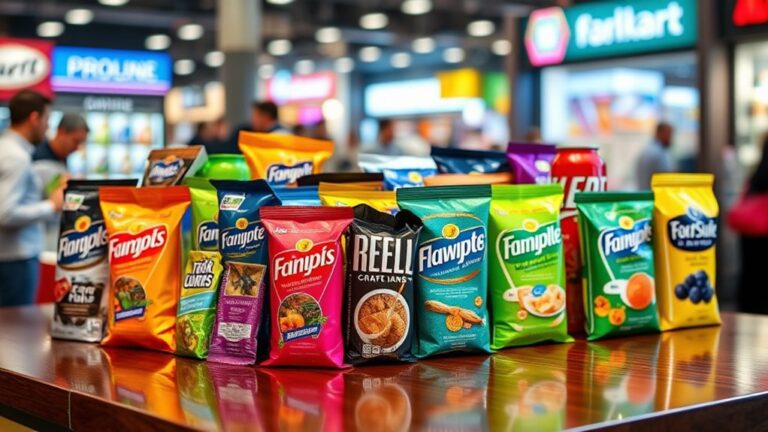
By thoughtfully selecting and combining texture and finish, you can enhance your packaging design to evoke emotions, convey values, and leave a lasting impression. Rough textures can suggest organic, eco-friendly values, whereas smooth, glossy finishes convey luxury and sophistication. Effective texture use can differentiate your product in a competitive market, enhancing the user experience through tactile engagement. By balancing rough and smooth textures, you can create an engaging experience that nurtures emotional connections and customer loyalty. As you explore the realm of texture and finish, you'll uncover the secrets to crafting a cohesive brand narrative that resonates with your target audience.
Texture Types and Options
You’ll encounter various texture types in packaging design, from smooth glass and glossy plastics to rough cardboard and tactile fabrics. As you explore these options, you’ll discover that texture plays a significant role in creating a unique user experience. Texture examples include embossed patterns, debossed designs, and unique material combinations that can add an extra layer of depth to your packaging. By incorporating different textures, you can create a tactile experience that engages the senses and leaves a lasting impression. Moreover, the magic of texture in packaging not only enhances visual appeal but also influences consumer perceptions and emotional responses. A well-chosen texture can evoke feelings of luxury, comfort, or adventure, effectively aligning the product’s packaging with its branding narrative. By strategically utilizing texture, designers can craft an immersive experience that fosters connections and encourages customers to engage with the product on a deeper level.
The texture benefits are numerous, and you can leverage them to enhance your brand and product. For instance, a soft-touch finish can convey a sense of luxury, whereas a rough texture can suggest a more rustic or natural product. You can likewise use texture to draw attention to specific design elements or to create a sense of hierarchy. By combining different texture examples, you can create a visually appealing and engaging packaging design that stands out on store shelves. As you consider your packaging design options, keep in mind that texture is a critical element that can make or break the user experience. By selecting the right texture, you can create a lasting connection with your target audience and set your product apart from the competition. Effective use of texture can be a key differentiator in a crowded market.
Finish Techniques Matter
Finish techniques play an essential role in improving the overall look and feel of your packaging design. You can choose from a variety of print finishes, including embossing techniques, to add depth and dimension to your packaging. Matte coatings and gloss effects can additionally be used to create visual interest and tactile contrasts. When selecting a finish, consider the eco-friendly options available, such as sustainable materials and UV coatings that are free from harmful chemicals.
To take your packaging design to the next level, you can incorporate high touch elements, such as metallic foils, to create a premium feel. Here are three ways to improve your packaging design with finish techniques:
- Combine textures: Pair different textures, such as smooth and rough, to create a unique visual effect.
- Add metallic accents: Use metallic foils to add a touch of luxury and sophistication to your packaging.
- Experiment with coatings: Try out different coatings, such as matte or gloss, to find the perfect finish for your design.
Tactile Experience Design
You're designing a packaging experience that's not just visual, but likewise tactile, and you're considering the touch points that'll interact with consumers' hands. As you think about the surface feel of your packaging, you're looking for ways to create a lasting impression through texture and finish. You'll want to balance the tactile elements, making sure they're not too rough or too smooth, to create an engaging experience that draws consumers in and keeps them interested.
Touch Points
As you pick up a product, your fingers wrap around its packaging, and the texture instantly conveys a message about the brand and what's inside. This initial touch point sets the tone for your user experience and can greatly impact your perception of the product. You consider factors like design psychology and branding consistency, as they influence your emotional connection to the brand.
You evaluate the packaging based on the following factors:
- Sustainable materials: Are they eco-friendly and responsible?
- Market differentiation: Does the packaging stand out from competitors?
- User interaction: How does the packaging facilitate customer feedback and interaction?
You expect a cohesive brand image, and packaging plays a significant role in creating that. Effective packaging design can encourage an emotional connection, driving user interaction and customer loyalty. By incorporating tactile elements, brands can differentiate themselves in a crowded market, eventually enhancing the overall user experience.
Surface Feel
Designers create a tactile experience by carefully considering the surface feel of packaging, which can evoke emotions and convey a brand's personality. You're looking to craft an innovative design that engages consumers on a deeper level. Surface aesthetics play a significant role in this process, as they can influence the way people perceive and interact with your product.
| Material | Texture | Tactile Feedback |
|---|---|---|
| Paper | Rough | Earthy, natural feel |
| Plastic | Smooth | Sleek, modern sensation |
| Wood | Grained | Organic, premium texture |
Visual Hierarchy Creation
By virtue of its role in drawing attention to key elements, visual hierarchy creation plays a fundamental part in effective packaging design, enabling you to guide consumers' eyes through a product's features and benefits. You can achieve this by creating a design hierarchy that establishes a clear order of importance, making it easy for consumers to navigate the packaging. Visual balance is vital in creating a design hierarchy, as it guarantees that the packaging design is aesthetically pleasing and easy to read.
To create an effective visual hierarchy, you should consider the following elements:
- Size and scale: use varying sizes to draw attention to key elements
- Color and contrast: use contrasting colors to create visual interest and guide the consumer's eye
- Typography and font: use different font sizes and styles to create a clear hierarchy of information
Packaging Material Selection
How do you want your product to feel in the consumer's hands? The material you choose can evoke emotions, create associations, and even influence purchasing decisions. When selecting a packaging material, consider the sensory experience you want to create.
| Material | Sensory Experience |
|---|---|
| Glass | Luxurious, premium, and smooth |
| Recycled Paper | Earthy, natural, and rough |
| Bioplastic | Modern, sustainable, and slightly tacky |
Sustainable materials are a great option, as they appeal to the growing demographic of eco-conscious consumers. Innovative textures can additionally add an extra layer of sophistication to your packaging. For example, a textured paper can create a tactile experience that draws the consumer in.
When choosing a material, consider the product's purpose, target audience, and brand values. For instance, a high-end skincare product might benefit from luxurious glass packaging, whereas an eco-friendly cleaning product might opt for recycled paper. Don't forget to balance aesthetics with functionality – the material should likewise protect the product during transportation and storage. By thoughtfully selecting your packaging material, you can create a multisensory experience that resonates with your target audience and sets your product apart from the competition.
Brand Identity Development
As your packaging takes shape, it is essential to infuse it with your brand's personality, creating an emotional connection with your target audience. This is where brand identity development comes into play. You want your packaging to scream your brand's name, even when it's not explicitly stated.
To achieve this, you need to focus on brand consistency. This means ensuring that every element of your packaging, from the texture to the finish, aligns with your brand's visual identity. Here are three ways to do this:
- Visual storytelling: Use your packaging to tell a story about your brand. This can be achieved through imagery, color schemes, and even typography.
- Consistent texture: Choose a texture that resonates with your brand's personality and use it consistently across all your packaging. This will create a sense of familiarity and cohesion.
- Finish that fits: Select a finish that complements your brand's tone and personality. For example, a luxury brand might opt for a high-gloss finish, whereas a more eco-friendly brand might choose a matte finish.
Sensory Marketing Strategies
With your brand identity firmly established, you're ready to tap into the sphere of sensory marketing strategies, where the tactile and visual cues of your packaging converge to create a multisensory experience that leaves a lasting impression on your audience. By incorporating texture psychology into your packaging design, you can evoke emotions, create associations, and even influence consumer behavior. For instance, a rough, natural texture can convey a sense of organic, eco-friendly values, whereas a smooth, glossy finish can suggest luxury and sophistication.
To maximize sensory engagement, consider the interplay between texture, color, and shape. A harmonious balance of these elements can create a cohesive brand language that resonates with your target audience. Additionally, don't underestimate the influence of tactile surprise. By incorporating unexpected textures or finishes, you can create a memorable unboxing experience that sets your brand apart from the competition.
As you explore the domain of sensory marketing strategies, keep in mind that the goal is to create a multisensory experience that lingers long after the initial interaction. By thoughtfully designing your packaging to engage both the senses and the emotions, you can build brand loyalty, drive sales, and establish a lasting connection with your audience. By utilizing the influence of texture psychology and sensory engagement, you can enhance your packaging design and leave a lasting impression on the market.
Design Trend Forecasting
As staying ahead of the curve is crucial in the fast-paced world of packaging design, anticipating and adapting to emerging trends can be a formidable task. You need to stay informed about the latest design evolution, market analysis, and consumer preferences to stay competitive.
To forecast design trends effectively, you should:
- Monitor industry innovations: Keep an eye on breakthroughs in materials, printing techniques, and manufacturing processes that can improve your packaging design.
- Analyze aesthetic trends: Identify emerging color psychology, typography, and visual styles that can influence your branding strategies.
- Assess the competitive environment: Study your competitors' design approaches, strengths, and weaknesses to differentiate your brand and stay ahead.
Frequently Asked Questions
Can You Trademark a Unique Packaging Texture or Finish?
Wow, you really want to trademark the feel of your packaging? That's some next-level thinking! But seriously, can you trademark a unique packaging texture or finish? Yes, you can! In fact, companies are already doing it. Think texture patents, like ridges on a bottle or the soft-touch finish on a luxury box. These packaging innovations can be protected, giving you a competitive edge. So, go ahead and get tactile – your brand's uniqueness is just a patent away!
How Do You Ensure Packaging Texture Consistency Across Production Batches?
You're on a mission to guarantee your packaging texture remains consistent across production batches. To achieve this, you'll need to implement rigorous texture testing to establish a baseline standard. Then, develop and document production standards that outline the acceptable texture range for each batch. By doing so, you'll ensure a uniform tactile experience for your customers, building trust and loyalty with every touch.
What Is the Ideal Ratio of Texture to Finish in Packaging Design?
When crafting a packaging design, you're always looking for that perfect balance. The ideal ratio of texture to finish is essential, as it can make or break the overall aesthetic. You want to strike a texture balance that complements the finish, creating a harmonious visual experience. Too much texture can overwhelm, whereas too much finish can feel cheap. You need to find that sweet spot where the two elements work together in harmony, elevating your packaging design to the next level.
Can You Use Sustainable Materials to Achieve Luxury Packaging Textures?
You're wondering if sustainable materials can help you achieve luxury packaging textures. The answer is yes! Eco-friendly options like recycled paper, bamboo, and sugarcane can create high-end textures that exude sophistication. You can in addition experiment with natural finishes like beeswax or plant-based coatings to add an extra layer of luxury. By incorporating sustainable materials, you'll not just reduce your environmental footprint but likewise appeal to consumers who crave eco-friendly, high-end products.
Do Consumers Prefer Matte or Glossy Finishes for E-Commerce Packaging?
As for e-commerce packaging, you might wonder what finish consumers prefer. Do they go for the subtle, understated look of matte, or the eye-catching shine of glossy? Curiously, you'll find that matte preferences are on the rise, as they evoke a sense of sophistication and luxury. Nevertheless, glossy appeal still has its place, particularly for products that benefit from a touch of glamour and drama. In the end, the choice between matte and glossy depends on your brand's unique personality and the message you want to convey.