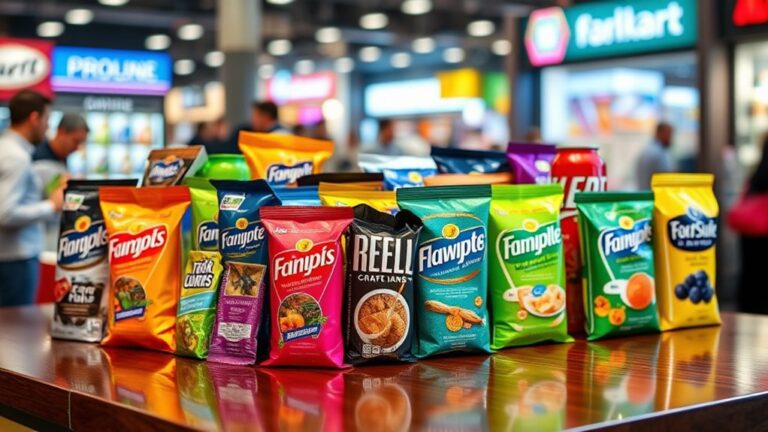
When it comes to packaging design, texture plays a magical role, evoking emotions and creating connections with consumers on a subconscious level. Tactile experiences spark feelings of nostalgia, luxury, or playfulness, speaking to a brand’s message and values. By carefully selecting materials, designers can create immersive experiences that leave lasting impressions and drive brand loyalty. As brands look to differentiate themselves, texture trends shift towards multisensory experiences, incorporating seasonal textures, sustainable materials, and tactile contrasts. The power of texture in packaging design is undeniable – and there’s more to uncover about how it can elevate a brand’s image and emotional connection with consumers. Incorporating patterns in design principles can further enhance the tactile experience, adding depth and complexity to packaging that draws in consumers. Brands that successfully integrate these visual and sensory elements not only engage the senses but also tell a cohesive story that resonates with their target audience. Ultimately, by embracing the intricate relationship between texture and design patterns, companies can craft packaging that not only stands out on shelves but also fosters a deeper emotional connection with consumers, solidifying their brand presence in a competitive market.
The Power of Tactile Experience
By engaging consumers on a tactile level, packaging design can create an emotional connection that resonates long after the initial touch. This connection is rooted in the brain's ability to associate sensations with memories and emotions. When packaging incorporates tactile elements, it speaks directly to the consumer's subconscious, fostering an authentic connection that transcends visual appeal.
Effective packaging design leverages sensory language to communicate a brand's message and values. By incorporating textures, weights, and materials that evoke emotions, designers can craft an immersive experience that leaves a lasting impression. For instance, a luxurious product might feature premium materials and subtle textures, conveying sophistication and exclusivity. Conversely, an eco-friendly brand might opt for recycled materials and organic textures, evoking feelings of sustainability and responsibility.
The power of tactile experience lies in its ability to create an emotional resonance that drives brand loyalty and advocacy. When consumers develop an emotional connection with a product, they're more likely to become repeat customers and recommend the brand to others. By investing in thoughtful packaging design, brands can tap into this emotional connection, distinguishing themselves in a crowded market and cementing their position as industry leaders. By doing so, they can harness the full potential of texture to drive business results and leave a lasting impact on their target audience.
Texture as Emotional Trigger
They know that texture can evoke emotions, and smart brands capitalize on this by incorporating it into their packaging design. By doing so, they create a tactile brand connection that resonates with consumers on a deeper level. This sensory experience delivered through texture can spark feelings of nostalgia, luxury, or playfulness, making it a powerful tool in shaping brand identity.
Tactile Brand Connection
Through tactile experiences, brands can tap into consumers' emotional responses, creating a lasting connection that transcends visual and auditory cues. This tactile brand connection is a powerful way to foster brand loyalty, as it humanizes the brand and creates a sense of familiarity. By incorporating texture into their packaging design, brands can evoke feelings of comfort, luxury, or playfulness, depending on the desired emotional response.
Here are four ways texture can be used to create a tactile brand connection:
- Luxury feels: High-end brands use premium textures like velvety softness or metallic finishes to convey exclusivity and sophistication.
- Rustic charm: Earthy textures like kraft paper or burlap can evoke feelings of nostalgia and authenticity.
- Playful vibes: Bright colors and tactile patterns like ridges or bumps can create a fun and youthful brand personality.
- Sustainable appeal: Eco-friendly textures like recycled paper or natural fibers can appeal to environmentally conscious consumers.
Sensory Experience Delivered
As consumers interact with packaging, the texture of the material can trigger a specific emotional response, transporting them to a particular time and place, and evoking feelings that linger long after the initial touch. This sensory experience is rooted in cultural associations and personal preferences, which are deeply ingrained in our collective psyche. For instance, the rough texture of recycled paper may evoke a sense of eco-friendliness, while the smooth finish of luxury packaging may convey sophistication.
Material Selection Matters
Selecting the appropriate material for packaging is essential, as it directly impacts the tactile experience and perceived quality of the product. The material chosen can elevate or detract from the overall brand image, making it a critical decision for packaging designers. When it comes to material selection, designers must consider various factors, including sustainability, cost, and functionality.
- Sustainable Materials: Eco-friendly materials are gaining popularity, and for good reason. Consumers are becoming increasingly environmentally conscious, and brands that prioritize sustainability are seen as responsible and forward-thinking.
- Supply Chain Efficiency: A well-optimized supply chain can greatly reduce costs and lead times. Designers should work closely with suppliers to ensure a seamless and efficient process.
- Material Innovation: New and innovative materials are being developed continuously, offering exciting opportunities for packaging designers. From bioplastics to nanomaterials, the possibilities are endless.
- Cost-Effective Options: While luxurious materials can be tempting, they may not always be feasible. Designers must balance aesthetics with budget constraints, finding cost-effective solutions that still deliver on the brand's promise.
The Psychology of Touch
They explore how texture in packaging design can create an emotional connection with consumers through touch, which is a powerful sense that evokes feelings and memories. Research has shown that tactile experiences can trigger strong emotional responses, making them more memorable and influential in purchasing decisions. By incorporating texture into packaging, designers can tap into this emotional connection, making their products more appealing and memorable.
Emotional Connection Through Touch
Research has consistently shown that human touch triggers the release of oxytocin, a hormone closely linked to feelings of trust, relaxation, and joy, making it a powerful tool for packaging designers to create an emotional connection with consumers. By incorporating texture into packaging design, designers can tap into this emotional response, fostering a deeper connection between the consumer and the product. This connection is rooted in personal resonance, where the tactile experience evokes a sense of familiarity and comfort.
Packaging designers can leverage this emotional connection by:
- Using natural materials that evoke feelings of warmth and comfort, such as wood or cotton.
- Incorporating subtle texture variations to create a sense of depth and visual interest.
- Designing packaging that invites exploration, encouraging consumers to touch and interact with the product.
- Creating a sense of human empathy through the use of imperfections or organic shapes, which can convey a sense of authenticity and approachability.
Tactile Memory Triggers
As consumers interact with packaging, their tactile experiences can reveal powerful memories and emotions, which are rooted in the brain's remarkable ability to store and recall tactile sensations. This phenomenon is known as tactile memory triggers, where the sensation of touch can instantly reveal to us a specific moment in time. These triggers are incredibly potent, as they tap into our sensory nostalgia, evoking feelings of comfort, joy, and familiarity.
Childhood associations play a significant role in shaping these tactile memories. Remember the rough texture of a favorite childhood toy or the smooth feel of a grandmother's worn wooden spoon? These sensory experiences are deeply ingrained in our psyche, making them a powerful tool for brands to utilize in their packaging design. By incorporating textures that evoke a sense of nostalgia, companies can create an emotional connection with their customers, fostering brand loyalty and advocacy. By understanding the psychology of touch, brands can uncover the secrets of tactile memory triggers, crafting packaging that resonates with consumers on a deeper level.
Texture Trends in Packaging
From luxurious velvets to rugged cardboard, texture trends in packaging are shifting towards multisensory experiences that captivate consumers and set brands apart. As consumers become increasingly desensitized to visual stimuli, brands are turning to texture to create memorable and engaging experiences. This shift is driven by the need to stand out in a crowded market and create an emotional connection with consumers.
To stay ahead of the curve, brands are incorporating seasonal textures and sustainable materials into their packaging designs. Here are four key texture trends in packaging:
- Seasonal textures: Brands are incorporating seasonal elements, such as winter's soft faux fur or summer's rough canvas, to create limited-edition packaging that resonates with consumers.
- Sustainable materials: Eco-friendly materials like recycled paper, bamboo, and bioplastics are becoming increasingly popular as consumers demand more environmentally responsible packaging.
- Tactile contrasts: Brands are combining smooth and rough textures, or soft and hard materials, to create visually striking and engaging packaging.
- Embossing and debossing: These techniques add an extra layer of tactility to packaging, creating a sense of luxury and sophistication.
Elevating Brands Through Texture
Moreover, by thoughtfully incorporating texture into their packaging design, brands can create a tangible connection with consumers, fostering brand loyalty and differentiation in a crowded market. A well-executed texture strategy can elevate a brand's image, making it more relatable, memorable, and desirable. This is particularly important for brands looking to experience a brand revival, as texture can help reinvigorate a stale image and captivate a new audience.
Luxury brands, in particular, can leverage texture to create a premium, high-end feel that justifies their premium pricing. A soft-touch finish or embossed design can convey sophistication and opulence, making the product feel more exclusive and coveted. Moreover, texture can be used to create an emotional connection with consumers, evoking feelings of nostalgia, comfort, or excitement. For instance, a brand might use a rough, natural texture to evoke a sense of earthiness or sustainability.
Frequently Asked Questions
Can Texture Be Used for Packaging of Fragile or Sensitive Products?
When handling fragile or sensitive products, texture plays a critical role in ensuring their safety. She carefully considers the packaging design, incorporating delicate handling and protective wraps to prevent damage. By adding tactile elements, she creates a secure and stable environment, guaranteeing the product's integrity during transportation and storage. This thoughtful approach allows her to confidently deliver high-value items, solidifying her reputation for exceptional care.
How Do I Balance Texture With Other Design Elements Like Color and Shape?
She balances texture with other design elements like color and shape by creating a visual hierarchy, ensuring each element serves a purpose. By introducing tactile contrast, she adds depth and interest, guiding the consumer's eye through the design. She expertly juggles these components, making each one work in harmony to create a cohesive, attention-grabbing package that exudes power and sophistication.
Are There Any Sustainable Texture Options for Eco-Friendly Packaging?
Some may think sustainable texture options are limited, but that's far from the truth. When it comes to eco-friendly packaging, designers aren't sacrificing style for substance. They're turning to recycled materials that offer a unique tactile experience, like recycled paper or cardboard. Additionally, biodegradable finishes, such as natural waxes or plant-based coatings, provide an earthy feel. These innovative textures not only appeal to consumers' sense of touch but also align with their values, making for a powerful brand statement.
Can Texture Be Used to Create an Accessible Packaging Experience?
She believes that texture plays a crucial role in creating an accessible packaging experience. By incorporating tactile cues, brands can communicate with consumers in a more inclusive way, transcending language barriers. Texture also fosters emotional connections, evoking feelings of comfort, trust, or luxury. By thoughtfully designing texture into packaging, companies can craft a more empathetic and engaging experience, ultimately driving brand loyalty and advocacy.
How Do I Measure the Effectiveness of Texture in Packaging Design?
Like a master chef seasoning a dish, she knows that measuring the effectiveness of texture in packaging design requires the right ingredients. A pinch of cost analysis helps her calculate the ROI of tactile elements, while a dash of user feedback adds flavor to her understanding of consumer preferences. By balancing these ingredients, she can whip up a recipe for success, serving up packaging that's both accessible and appealing.