Cultural trends have a substantial impact on industrial design, driving the creation of products that are both aesthetically pleasing and emotionally resonant. Designers must stay ahead of cultural trends to guarantee business success and brand loyalty. The influence of cultural trends is evident in the emphasis on sustainable materials, circular design, and luxury branding. Additionally, social media's visual hierarchy and the psychology of consumer desire also play a vital role in shaping industrial design. As cultural trends continue to evolve, designers must adapt and innovate to meet emerging consumer needs, ultimately leading to a future of industrial design that is both sustainable and emotionally engaging, with more to be explored.
Cultural Trends Shaping Design
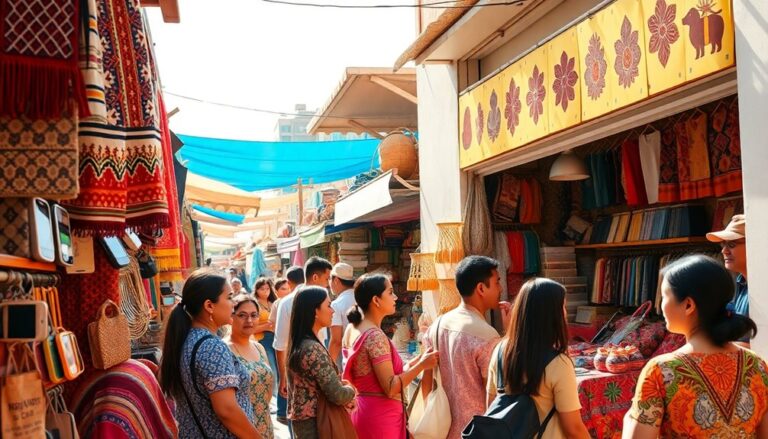
Amidst the ever-changing landscape of consumer preferences and technological advancements, cultural trends have emerged as a pivotal factor shaping the trajectory of industrial design. As designers aim to create innovative products that resonate with diverse audiences, they must tap into the cultural zeitgeist to remain relevant. This has given rise to a Cultural Revival, where designers are revisiting traditional craftsmanship, materials, and aesthetics to infuse products with a sense of heritage and authenticity. This resurgence in appreciation for cultural roots not only enhances the narrative behind products but also enriches the consumer experience. By weaving stories of tradition into modern functionality, products become more than mere commodities; they transform into meaningful artifacts that reflect our shared heritage. Such a movement can be traced through the iconic industrial designs timeline, showcasing how the integration of cultural elements has continuously influenced design movements over the decades.
Design Anthropology, a discipline that studies the relationship between humans and objects, plays an important role in understanding cultural trends. By employing ethnographic research methods, designers can gain valuable insights into consumer behaviors, values, and beliefs, enabling them to create products that cater to the evolving needs and desires of their target audience. This empathetic approach to design ensures that products are not only functional but also culturally relevant, thereby fostering a deeper emotional connection with users.
As cultural trends continue to influence industrial design, designers must remain attuned to the shifting sands of consumer preferences. By embracing a Cultural Revival and incorporating Design Anthropology into their practice, designers can create innovative products that not only meet but anticipate the needs of their audience, ultimately driving business success and brand loyalty. By staying ahead of the cultural curve, designers can craft products that leave a lasting impact on the market and in people's lives.
The Aesthetic of Social Media
The aesthetic of social media has greatly influenced industrial design, particularly in the domain of visual communication. The proliferation of social media platforms has led to the emergence of distinct visual storytelling strategies, which prioritize concise and attention-grabbing content. As designers adapt to this landscape, they must consider the visual hierarchy of social media, designing for virality and maximizing engagement.
Visual Storytelling Strategies
As social media platforms have become integral to daily life, the aesthetic of curated visuals has emerged as a dominant force in shaping consumer perceptions and influencing industrial design. Visual storytelling strategies have become an essential aspect of branding, allowing companies to convey their message and values through carefully crafted visuals.
Some key elements of visual storytelling strategies include:
- Mood boards: a visual representation of a brand's aesthetic, used to evoke a specific mood or atmosphere
- Brand anthems: short, catchy videos that capture the essence of a brand's personality
- High-quality product photography that showcases a product's features and design
- Consistent color palettes and typography to create a cohesive brand identity
- Immersive experiences, such as 360-degree videos and augmented reality, to engage consumers
Social Media's Visual Hierarchy
Social media platforms have unwittingly spawned a visual hierarchy, where curated aesthetics and attention-grabbing visuals have become essential in capturing users' fleeting attention. This visual hierarchy is orchestrated by cleverly designed visual cues that guide users through the feed, leveraging the attention economy to maximize engagement. The dynamics of the feed are vital, as scrollability metrics dictate the success of a post. However, the proliferation of visually stunning content has led to aesthetic fatigue, making it increasingly challenging to stand out in a crowded digital landscape.
To combat this, designers must master the art of visual flow, carefully balancing bold visuals with whitespace to create a seamless user experience. By doing so, they can increase the likelihood of capturing users' attention and encouraging meaningful interactions. As the visual hierarchy continues to evolve, it's essential for designers to stay attuned to the nuances of social media's aesthetic, adapting their strategies to accommodate the ever-changing landscape. By doing so, they can harness the power of visual storytelling to drive engagement and inspire innovation.
Designing for Virality
In the pursuit of capturing users' attention, designers are increasingly focused on crafting visually striking content that not only resonates with audiences but also amplifies its reach through shares, likes, and comments. This phenomenon has given rise to the concept of "designing for virality," where designers deliberately create content that is optimized for social media platforms.
Some key considerations for designing for virality include:
- Meme engineering: crafting content that is intentionally humorous, relatable, or provocative to encourage sharing and engagement
- Trend forecasting: staying ahead of the curve by identifying emerging trends and incorporating them into design strategies
- Visual storytelling: using compelling visuals to convey complex ideas and emotions
- Interactive experiences: designing immersive experiences that invite user participation and encourage sharing
- Cross-platform optimization: ensuring that content is optimized for various social media platforms to maximize reach and engagement
Sustainability in Product Design
Efficiency in resource allocation has become a pivotal consideration in modern product design, as consumers increasingly expect manufacturers to prioritize environmental stewardship alongside functionality and aesthetics. This shift in consumer expectations has led to a significant emphasis on sustainable design practices, driving innovation in eco-friendly materials and closed-loop systems.
One key strategy in sustainable product design is the incorporation of eco-friendly materials. This can include the use of recycled materials, bioplastics, and sustainably sourced wood. Additionally, designers are exploring the use of circular design principles, which prioritize the reuse and recycling of materials.
| Sustainable Design Strategy | Description | Benefits |
|---|---|---|
| Eco-Friendly Materials | Use of recycled materials, bioplastics, and sustainably sourced wood | Reduced waste, lower carbon footprint |
| Closed-Loop Systems | Design for recyclability, reuse, and biodegradability | Minimized waste, reduced resource consumption |
| Circular Design | Design products for the circular economy, promoting reuse and recycling | Reduced waste, new business opportunities |
| Sustainable Manufacturing | Implement sustainable manufacturing processes, reducing energy consumption and waste | Reduced carbon footprint, cost savings |
| Biodegradable Materials | Use of materials that can easily decompose, reducing waste and pollution | Reduced waste, minimized environmental impact |
The Psychology of Consumer Desire
The psychology of consumer desire plays a pivotal role in shaping industrial design, as it influences the creation of products that resonate with consumers on an emotional level. Effective design taps into desire triggers, fostering emotional connection points that create a lasting bond between the consumer and the product. By understanding the psychological cues that drive consumer desire, designers can craft products that serve as social status symbols, ultimately driving market success.
Desire Triggers
Behind the allure of a product lies a complex psychological dance, where cultural narratives and personal values converge to ignite consumer desire. This intricate interplay of factors is what drives consumers to covet certain products, and understanding these desire triggers is essential for industrial designers seeking to create innovative and enthralling products.
Desire triggers can be broken down into several key elements, including:
- Luxury aspiration: The desire for high-end, premium products that evoke feelings of exclusivity and sophistication.
- Sensory crave: The craving for products that stimulate the senses, such as sleek designs, vibrant colors, or enticing aromas.
- Social status: The need to showcase one's social standing through the products they own or use.
- Nostalgia: The sentimental appeal of products that evoke memories or emotions from the past.
- Innovation: The allure of cutting-edge technology, novel materials, or pioneering designs that push the boundaries of what is possible.
Emotional Connection Points
As designers endeavor to create products that resonate with consumers on a deeper level, understanding the emotional connection points that drive desire becomes a critical component of the design process. By tapping into the psychological aspects of consumer desire, designers can craft products that forge a profound emotional bond between the consumer and the brand, ultimately fostering brand loyalty.
Emotional connection points are rooted in the human experience, where products evoke feelings, memories, and associations that transcend mere functionality. A product that resonates emotionally can become an integral part of a consumer's identity, leading to a lasting affinity with the brand. Effective design should aim to create an emotional resonance that aligns with the consumer's values, aspirations, and sense of self. By doing so, designers can craft products that not only meet but exceed consumer expectations, yielding a deeper level of brand loyalty and advocacy.
Social Status Symbols
Luxury brands have long capitalized on the human desire for social status, crafting products that convey prestige, sophistication, and refinement, thereby fueling consumer desire. By creating exclusive ownership experiences, these brands have mastered the art of cultivating an aura of exclusivity, making their products coveted symbols of success. This phenomenon is rooted in the psychology of consumer desire, where the pursuit of social status is a fundamental driver of purchasing decisions.
- Luxury branding is not just about the product itself, but the prestige and respect it commands
- Exclusive ownership experiences are carefully crafted to create a sense of belonging to an elite group
- The allure of luxury products lies in their ability to convey success, sophistication, and refinement
- The desire for social status is a fundamental driver of consumer purchasing decisions
- Luxury brands have mastered the art of creating an aura of exclusivity, making their products coveted symbols of success
Designing for Emerging Lifestyles
Today's industrial designers face the challenging task of creating products that cater to a diverse range of emerging lifestyles, many of which are shaped by shifting societal values and technological advancements. As a result, designers must adapt to these changes and develop innovative solutions that cater to the evolving needs of consumers.
One such emerging lifestyle is urban nomadism, where individuals prioritize flexibility and freedom, often living in temporary or shared spaces. Designers must respond to this trend by creating products that are portable, adaptable, and minimalist, allowing urban nomads to move freely without being weighed down by bulky possessions. For instance, modular furniture and multi-functional products can provide the perfect solution for this lifestyle.
Another emerging trend is intergenerational living, where multiple generations live together under one roof. Designers must consider the diverse needs of different age groups, creating products that cater to varying abilities and preferences. For example, designing accessible and adaptable home appliances can facilitate independent living for older adults, while also accommodating the needs of younger family members.
The Future of Industrial Design
The intersection of technological advancements, shifting societal values, and evolving consumer needs will reshape the industrial design landscape, prompting a future where products are not only functional and aesthetically pleasing but also increasingly sustainable, intelligent, and emotionally resonant.
As we look to the future, industrial design will be characterized by:
- Sustainable Materials: The use of eco-friendly materials, recycled components, and minimal waste production will become the norm, driven by consumer demand for environmentally conscious products.
- Bio-Inspired Design: Nature-inspired solutions will continue to influence industrial design, leading to innovative, adaptive, and resilient products that mimic the natural world.
- Augmented Reality Integration: The fusion of physical and digital experiences will blur the lines between the physical and virtual worlds, revolutionizing the way we interact with products and services.
- Emotional Storytelling: Products will be designed to evoke emotions, create connections, and tell stories, fostering a deeper sense of attachment and loyalty between users and brands.
- Intelligent Systems: The integration of artificial intelligence, machine learning, and IoT will enable products to learn, adapt, and respond to user needs, creating a new era of intelligent, responsive design.
As the industrial design landscape continues to evolve, designers will need to stay ahead of the curve, incorporating these emerging trends and technologies to create products that not only meet but exceed the expectations of the modern consumer.
Frequently Asked Questions
How Do Designers Balance Cultural Trends With Timeless Product Design?
When crafting products that transcend fleeting trends, designers must strike a delicate balance. Consider the iconic Dieter Rams-designed Braun ET 66 calculator, which blended modernity with timelessness. To achieve aesthetic consistency, designers can fuse cultural relevance with timeless fusion, creating products that remain relevant yet endure beyond seasonal trends. This harmonious blend allows designers to future-proof their creations, ensuring they remain innovative and appealing in the years to come.
Can Cultural Trends Be Predicted, or Are They Unpredictable by Nature?
Predicting cultural trends is a complex task, given that they often emerge from the intersection of social, economic, and technological factors. While forecasting models can identify patterns and trend cycles, they are limited in their ability to capture the nuances of human behavior and societal shifts. Consequently, cultural trends can be partially predicted, but their unpredictable nature means that designers must remain adaptable and responsive to changing cultural landscapes.
Do Cultural Trends Vary Significantly Across Different Geographic Regions?
Did you know that 70% of consumers prefer products tailored to their local culture? This statistic highlights the importance of regional identity in shaping cultural trends. Across different geographic regions, cultural trends indeed vary considerably. Cultural fusion, the blending of diverse cultural influences, is a key driver of this variation. For instance, Japanese trends often blend traditional aesthetics with modern technology, whereas Indian trends may fuse vibrant colors with eclectic patterns.
What Role Do Influencers Play in Shaping Cultural Trends and Design?
Influencers play a pivotal role in shaping cultural trends, leveraging social media platforms to disseminate their opinions and values to massive followings. Celebrity endorsements, in particular, possess immense sway, as their association with a brand or product instantly confers credibility and desirability. By championing specific aesthetics, lifestyles, or products, influencers inspire followers to emulate their preferences, thereby driving cultural trends and influencing consumer behavior.
Can Cultural Trends Be Used to Create Products With Emotional Appeal?
Can cultural trends be leveraged to craft products that evoke an emotional response? Indeed, they can. By tapping into the zeitgeist, designers can create products that resonate with consumers on a deeper level, fostering an emotional connection. This is achieved by incorporating cultural nuances that speak to the human experience, ultimately crafting products that transcend mere functionality, becoming an extension of the user's identity.