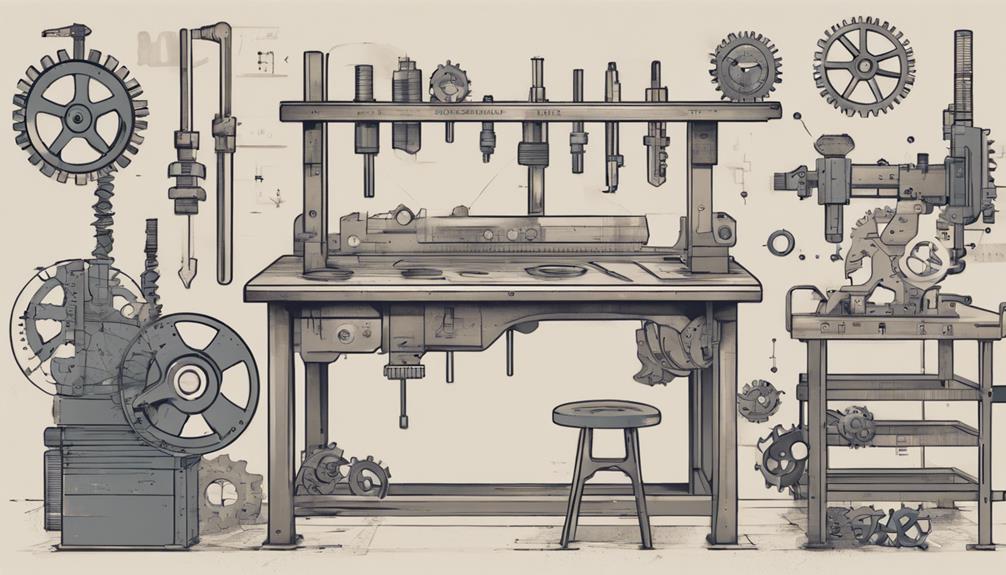

Industrial design is rooted in a set of core principles that harmonize aesthetics, functionality, and usability to create products that are both desirable and effective. A human-centered design approach prioritizes user needs and desires, while balancing form and function enhances user experience. Achieving balance and proportion is essential, with visual hierarchy guiding user attention and interaction. Additionally, material selection and manufacturing processes impact product quality, cost, and environmental sustainability. By understanding these principles, designers can create innovative, functional, and sustainable products. As we explore these principles further, the nuances of industrial design will come into sharper focus, revealing the intricacies of creating exceptional products.
Aesthetics and User Experience
Effective industrial design seamlessly integrates aesthetics and user experience to create products that not only appeal to the senses but also facilitate intuitive and efficient interaction. A well-designed product should evoke an emotional connection with its user, fostering a deep sense of attachment and loyalty. This connection is rooted in the visual hierarchy of the product, which guides the user's attention and interaction. A thoughtful visual hierarchy guarantees that the most critical elements stand out, while secondary features recede into the background, creating a seamless user experience.
A successful industrial design should also consider the emotional connection between the user and the product. This connection is built on the principles of empathy, trust, and delight. A product that resonates with its user on an emotional level is more likely to be adopted, used, and recommended. To achieve this, designers must carefully balance form and function, creating a harmonious union of aesthetics and usability. By doing so, they can craft products that not only meet but exceed user expectations, forging a lasting bond between the user and the product. Ultimately, the synergy of aesthetics and user experience is the hallmark of exceptional industrial design, resulting in products that inspire, delight, and empower their users.
Functionality and Performance Metrics
As industrial designers aim to create products that inspire, delight, and empower their users, they must also guarantee that these products perform flawlessly, meeting specific functionality and performance metrics that justify their existence in the market. In today's competitive landscape, functionality and performance are critical aspects of product design, as they directly impact user satisfaction, brand reputation, and ultimately, business success.
To guarantee products meet the required standards, industrial designers must establish clear performance indicators that quantify efficiency, reliability, and overall system performance. These metrics serve as a benchmark to evaluate product functionality, identifying areas for improvement and optimization. Efficiency standards, for instance, can be used to assess energy consumption, material usage, and waste reduction, enabling designers to create more sustainable products. By setting specific performance targets, designers can optimize product design to achieve desired outcomes, such as increased productivity, reduced maintenance, or enhanced user experience.
In addition, industrial designers must consider the interplay between multiple performance indicators, as optimizing one metric may compromise another. For example, increasing product durability may compromise portability, or enhancing energy efficiency may impact product cost. By balancing competing demands, designers can create products that not only meet but exceed user expectations, driving business growth and brand loyalty. By integrating functionality and performance metrics into the design process, industrial designers can create innovative, high-performing products that deliver tangible value to users and drive business success.
Human-Centered Design Approach
The human-centered design approach prioritizes understanding the needs and desires of users, recognizing that effective design solutions emerge from a deep appreciation of human experiences and behaviors. By empathizing with users, designers can identify unmet needs and craft solutions that are both functional and meaningful. This approach requires designers to adopt a user-centric mindset, focusing on the nuances of human interactions to create products that are intuitive, accessible, and enjoyable.
Empathize With Users
Designers who adopt a human-centered approach prioritize understanding the needs, desires, and limitations of their end-users, recognizing that empathy is an essential foundation for creating effective and user-friendly products. By putting themselves in the shoes of their users, designers can develop a deeper understanding of their pain points, behaviors, and motivations. This empathetic mindset enables designers to craft solutions that resonate with their target audience.
To achieve this, designers employ various techniques, such as creating user personas to represent their ideal users. These personas are built upon extensive research, encompassing demographics, goals, and behaviors. Designers also engage in cultural immersion, immersing themselves in the lives of their users to gain firsthand experience of their challenges and opportunities. By doing so, designers can develop a rich understanding of their users' needs, allowing them to design products that are intuitive, accessible, and desirable. By empathizing with users, designers can create innovative solutions that meet the needs of their target audience, ultimately driving business success.
Design for Needs
With a deep understanding of user needs and motivations, the next step in the human-centered design approach is to design solutions that directly address these needs, resulting in products that are intuitive, accessible, and desirable. This phase, dubbed 'Design for Needs,' is where innovative solutions are born. By empathizing with users, designers can identify key pain points and areas of opportunity, which inform the development of user personas. These personas serve as guiding forces, guaranteeing that design decisions align with user needs. Design constraints, such as technical limitations or budget restrictions, are also taken into account to ensure feasibility. By balancing user needs with design constraints, designers can create products that are both functional and appealing. Effective design for needs leads to products that are not only functional but also emotionally resonant, fostering strong user connections and driving business success. By prioritizing user-centered design, companies can open up new opportunities, drive innovation, and stay ahead of the competition.
Balance and Proportion in Design
In industrial design, achieving balance and proportion is essential, as it enables the creation of aesthetically pleasing and functional products that resonate with users on an emotional and cognitive level. A well-balanced design is critical to creating a sense of harmony and stability, making the product more appealing and usable.
When it comes to balance, designers employ various techniques to create a visual hierarchy, guiding the user's attention through the product. This is achieved by using size, color, and placement to create a clear order of importance. Symmetry principles also play a vital role in achieving balance, as they create a sense of order and stability. Designers use symmetry to create a sense of unity and coherence, making the product more visually appealing.
Proportion is equally important, as it enables designers to create products that are both functional and aesthetically pleasing. By carefully considering the proportions of various elements, designers can create a sense of harmony and balance, making the product more engaging and user-friendly. When balance and proportion are achieved, the product becomes more intuitive and enjoyable to use, leading to a more satisfying user experience. By mastering the principles of balance and proportion, designers can create innovative products that resonate with users on a deeper level, driving business success and customer loyalty.
Materials and Manufacturing Processes
The selection and application of materials, as well as the manufacturing processes employed, have a profound impact on the functionality, aesthetics, and sustainability of industrial design outcomes. Effective material selection is vital, as it directly influences the product's performance, durability, and environmental footprint. Industrial designers must consider factors such as material properties, cost, and availability to make informed decisions. For instance, the use of sustainable materials like recycled plastics or sustainably sourced wood can greatly reduce a product's ecological footprint.
In addition to material selection, process optimization is essential in industrial design. The manufacturing process can greatly impact the final product's quality, cost, and environmental impact. Designers must consider the manufacturing process when designing a product, taking into account factors such as production volume, lead time, and production costs. By optimizing the manufacturing process, designers can reduce waste, energy consumption, and emissions, ultimately leading to more sustainable and efficient production.
Through careful material selection and process optimization, industrial designers can create products that not only meet functional and aesthetic requirements but also minimize their environmental impact. By embracing innovative materials and manufacturing techniques, designers can push the boundaries of what is possible, creating products that are both functional and sustainable. By considering the entire product lifecycle, from material sourcing to end-of-life disposal, designers can create products that are truly sustainable and environmentally responsible.
Usability and Accessibility Principles
Effective industrial design must also prioritize usability and accessibility principles, guaranteeing that products are intuitive, easy to use, and accessible to the widest possible range of users. This involves adopting an inclusive design approach that considers the diverse needs and abilities of users, from people with disabilities to older adults and individuals from varying cultural backgrounds. By doing so, designers can create products that are more usable, accessible, and beneficial to a broader range of users.
Inclusive design principles involve designing products that are adaptable, flexible, and accommodating to different user needs. This includes designing products with intuitive interfaces, clear instructions, and minimal complexity. Universal standards, such as the Web Content Accessibility Guidelines (WCAG), provide a framework for designers to create accessible products that cater to users with disabilities. By adhering to these standards, designers can guarantee that their products are accessible to users with visual, auditory, motor, or cognitive disabilities.
Designers should also consider the social and cultural contexts in which products will be used. For instance, products designed for use in public spaces should be accessible to users with mobility impairments, while products designed for use in homes should be adaptable to users with varying cognitive abilities. By prioritizing usability and accessibility principles, designers can create products that are not only functional but also empowering, enabling users to fully engage with and benefit from them.
Frequently Asked Questions
What Is the Role of Sustainability in Industrial Design?
In the pursuit of innovation, the role of sustainability in industrial design is paramount. By incorporating eco-friendly materials and adopting a circular economy approach, designers can greatly reduce environmental impact. This shift in perspective enables the creation of products that not only minimize waste but also promote recyclability and reuse, ultimately driving a more sustainable future.
How Do I Protect My Design With Patents and Copyrights?
To safeguard your innovative designs, it's vital to understand the importance of legal protection. Patent strategies and design registration are essential in securing intellectual property rights. By registering your design, you can prevent unauthorized use and guarantee creative rights are protected. A thorough approach to legal protection will safeguard your innovations, giving you a competitive edge in the market.
Can Industrial Design Be Used in Non-Physical Products?
Beyond physical products, industrial design principles can be applied to digital products and service design. Digital products, such as mobile apps and websites, can benefit from industrial design's user-centric approach to create intuitive interfaces. Service design also leverages industrial design principles to craft seamless user experiences across touchpoints. By applying industrial design thinking, innovators can create cohesive, user-friendly experiences that transcend physical boundaries.
What Is the Difference Between Industrial Design and Engineering?
Distinct from engineering, industrial design focuses on the creative problem-solving aspect of product development. It encompasses the entire design evolution, from conceptualization to prototyping, with a human-centered approach. While engineering primarily concentrates on the technical feasibility and functionality of a product, industrial design prioritizes user experience, aesthetics, and usability, ensuring a harmonious blend of form and function. Moreover, industrial design often incorporates design strategies across industries, drawing inspiration from various fields to enhance innovation and creativity. This interdisciplinary approach allows designers to understand diverse perspectives and apply unique solutions to common challenges. As a result, products are not only functional but also resonate with users on an emotional level, ultimately driving market success.
How Do I Become a Certified Industrial Designer?
As the Renaissance master, Michelangelo, once chiseled his way to perfection, so too must aspiring industrial designers hone their craft. To become a certified industrial designer, start by building a robust portfolio showcasing innovative designs. Supplement your skills with online courses focused on design thinking, human-centered design, and sustainability. Next, pursue certification from organizations like the Industrial Designers Society of America (IDSA) or the Chartered Society of Designers (CSD).