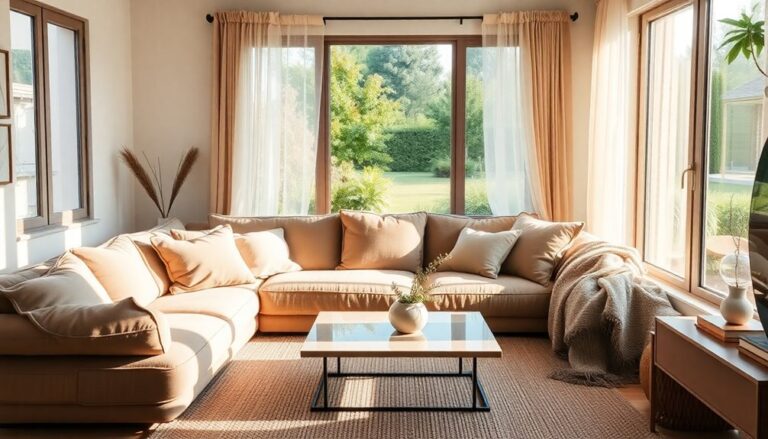
You're not alone in struggling to balance style and function in your home. You want a space that's both beautiful and functional for your daily needs. To achieve this, define your priorities by reflecting on your personal values and identifying what matters most. Assess your lifestyle needs by evaluating daily habits and comfort levels. Choose multifunctional pieces that maximize space, and consider traffic flow to create a welcoming atmosphere. Finally, harmonize form and function by balancing aesthetics and practicality. By following these steps, you'll be on your way to creating a home that perfectly blends style and function – and there's more to discover as you continue on this journey.
Defining Your Priorities
As you begin on the journey of balancing style and function in your home, take a moment to reflect on what matters most to you and your lifestyle, because defining your priorities is vital to creating a space that truly serves your needs. Your personal values, such as comfort, sustainability, or luxury, will greatly influence your design decisions. It's essential to identify what matters most to you, as this will help you make intentional choices that align with your values.
When it comes to design principles, consider what aesthetic appeals to you. Do you lean towards modern minimalism or cozy traditionalism? Are there specific architectural elements, like natural light or high ceilings, that make you feel at home? Perhaps you prioritize functionality, and features like ample storage or smart home technology are must-haves. Whatever your design principles may be, they should reflect your personal values and enhance your daily life.
Assessing Your Lifestyle Needs
You'll need to think about how your daily habits, routines, and activities impact your space when evaluating your lifestyle needs. This self-reflection will help you identify what you need from your space to live comfortably and happily. Take a closer look at your daily habits, from the moment you wake up to the moment you go to bed. Do you start your day with a quiet cup of coffee, or do you hit the gym first thing? Do you work from home, or do you commute to an office? These habits will influence the type of furniture and layout you need in your home.
Your personal values also play a significant role in shaping your lifestyle needs. What's most important to you? Is it sustainability, minimalism, or family bonding time? Do you prioritize entertainment, relaxation, or productivity? Understanding your values will help you make intentional design decisions that align with your lifestyle. For instance, if you value family time, you may want to create a cozy living room with plenty of seating and a large TV for movie nights. By considering your daily habits and personal values, you'll be able to create a space that truly reflects your lifestyle and meets your unique needs.
Choosing Multifunctional Pieces
Two key elements to take into account when selecting furniture are its functionality and versatility, particularly in smaller spaces where every piece counts. By choosing multifunctional pieces, you'll create a space that's both stylish and practical. These space savers will help you maximize your square footage, making the most of every inch.
When shopping for furniture, look for pieces that serve double duties. For instance, a storage ottoman can provide a place to sit while also storing linens, out-of-season clothing, or other essentials. A desk with built-in shelving can help keep your workspace organized and clutter-free. Even a coffee table with storage can help keep living room essentials, like remotes and coasters, within reach.
Considering Traffic Flow
When arranging your furniture, think about the path you want people to take through the room, considering the natural flow of traffic to create a sense of harmony and functionality. You want to make sure that your space feels welcoming and easy to navigate, rather than cramped and confusing. To achieve this, consider the corridor width and how it affects room circulation.
Aim for a minimum corridor width of about 3-4 feet to allow people to move comfortably through the space. This will also help to prevent bottlenecks and create a sense of flow. As you arrange your furniture, think about the routes people will take through the room. Consider the 'traffic lanes' that will form between pieces of furniture and make sure they're wide enough for comfortable passage.
Harmonizing Form and Function
When balancing style and function, it’s important to contemplate the dialogue between aesthetics and practicality, as the pieces you choose can either harmonize or clash. You want to create a space that’s both beautiful and functional, where every element serves a purpose. To achieve this harmony, focus on creating an aesthetic balance that resonates with your personal style. In doing so, consider how different textures, colors, and shapes can interplay to enhance the overall ambiance. For instance, a modern and traditional design blend can deliver a unique visual narrative that tells your story. By thoughtfully selecting furniture and decor that complements both styles, you can cultivate an inviting environment that feels cohesive and lived-in.
Visual hierarchy plays a significant role in harmonizing form and function. It's essential to guide the viewer's eye through the space, creating a sense of flow and continuity. By grouping similar elements together, you can create a cohesive look that ties the room together. For instance, you can group decorative accessories, like vases or sculptures, to create a visual anchor that draws the eye.
As you're selecting pieces, remember that function should inform form. For example, a stylish sofa might be beautiful, but if it's uncomfortable, it won't get used. On the other hand, a functional piece, like a storage ottoman, can be both practical and stylish. By considering both aspects, you can create a space that's both beautiful and functional.
Frequently Asked Questions
How Do I Incorporate Personal Style Into a Functional Space?
When it comes to incorporating personal style into a functional space, you're faced with common design dilemmas. But don't worry, it's all about finding your unique style signatures! You do this by identifying what makes you, you – from the colors that evoke emotions to the textures that bring comfort. By infusing these elements into your space, you'll create a sanctuary that not only functions beautifully but also reflects your personality.
Can I Really Make a Small Room Look and Feel Larger?
Did you know that 70% of Americans feel cramped in their homes? You're not alone! To make a small room look and feel larger, you can create optical illusions. Use visual tricks like mirrors, light colors, and minimal decor to expand the space. Illusive walls and expanding views can make the room seem bigger. By incorporating these space creators, you'll feel like you're living large, even in a small room.
Are There Any Eco-Friendly Options for Stylish Home Decor?
You're on a mission to deck out your space with style and a clear conscience! Luckily, eco-friendly options abound. You can opt for sustainable textiles, like organic cotton or recycled polyester, to upholster your furniture. Or, go for eco-chic furniture made from reclaimed wood or bamboo. These choices not only reduce waste but also add a touch of sophistication to your home. You'll feel good about your impact on the planet, and your space will look fabulous too!
How Can I Hide Necessary but Unsightly Functional Items?
You're torn between showcasing your stylish decor and hiding the not-so-pretty necessities. Imagine a clutter-free oasis, where unsightly functional items disappear from view. You can achieve this harmony by incorporating decorative screens that conceal, yet complement, your space. Consider hidden compartments, cleverly disguised as stylish furniture or decorative accents, to stash away items like routers, cables, or even laundry machines. You'll revel in your newly curated sanctuary, where form and function blend seamlessly.
Can I Achieve a Cohesive Look With Mismatched Hand-Me-Downs?
You've got a mix of inherited pieces and family heirlooms, but you're worried they won't mesh. Don't worry, you can create a cohesive look! Start by identifying the common thread – is it a color, material, or era? Then, use that thread to tie everything together. You might add a unifying rug, upholstery, or decorative accents. With a little creativity, you'll create a space that feels like you, and honors your family's history.