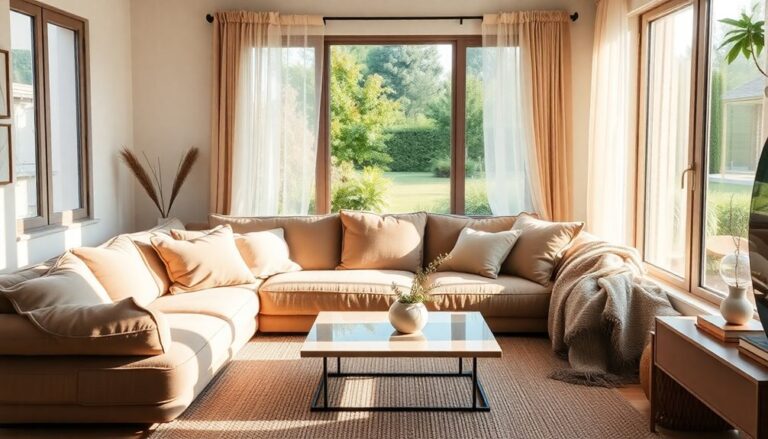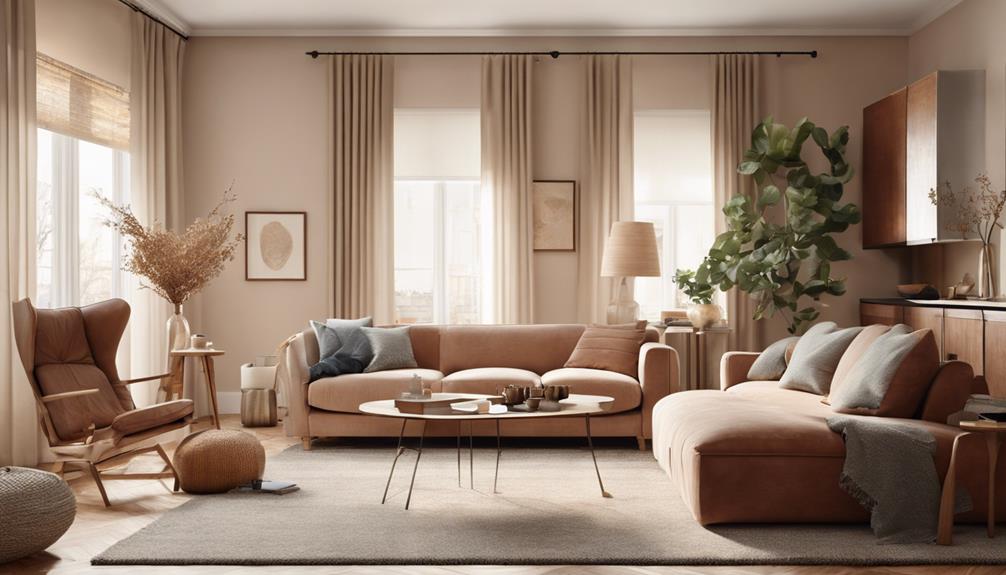

You’re excited to turn your new place into a home, and decorating is a great place to start. Begin with a neutral base, choosing calming colors that provide a clean canvas for your design. Measure your space carefully to create a harmonious layout. Invest in multi-functional pieces that maximize space without sacrificing style. Don’t forget about strategic lighting design, adding texture with rugs and throws, and bringing in plants and greenery. As you start to make it your own, remember to create a gallery wall and make it personal with decor. Now, take the first step in turning your house into a home, and discover the secrets to making it truly yours. Consider adding personal touches such as family photos and artwork that resonate with you, as these elements can evoke warmth and nostalgia. When you’re ready to welcome friends and family, think about how to create a cozy guest room that makes your visitors feel comfortable and at home. With soft bedding, inviting decor, and thoughtful amenities, your guest room can become a delightful retreat that reflects your unique style.
Start With a Neutral Base
When you start decorating your first home, begin with a neutral base by choosing a calm, serene color palette for your walls, as this will provide a clean canvas for adding your personal touches later. A neutral color palette offers design flexibility, allowing you to experiment with different styles and themes without committing to a specific look. This approach also guarantees that your space won't feel overwhelming or busy, creating a sense of calm and serenity.
Measure Your Space Carefully
Now that you've established a calming neutral base, it's time to get out your tape measure and carefully calculate the dimensions of each room to make sure your furniture and decor fit comfortably and proportionally. This important step in space planning will help you create a harmonious and functional living space that truly feels like home. Take your time, and measure each room from top to bottom, noting the dimensions of doorways, windows, and any architectural features that may affect your furniture arrangement.
As you measure, consider the flow of traffic in each room and think about the activities you'll be doing in each space. This will help you determine the best placement of furniture and decor. Don't forget to measure doorways and hallways to make sure that your furniture can fit through them easily. A well-planned space is not only aesthetically pleasing, but it's also functional and efficient.
Invest in Multi-Functional Pieces
You'll likely find that investing in multi-functional pieces is a smart move, especially in smaller spaces, as they can serve multiple purposes without taking up too much space. These space savers will become your new best friends as you navigate the world of decorating your first home. By choosing furniture that serves multiple purposes, you'll create a more efficient and functional living space that feels larger than it actually is.
For example, consider a storage ottoman that doubles as a coffee table or a desk with built-in shelving. These furniture hacks will help you maximize your space without sacrificing style or functionality. Multi-functional pieces also help to reduce clutter, making your space feel more organized and peaceful. Plus, they're perfect for small apartments or condos where every inch counts.
When shopping for multi-functional pieces, look for items that serve at least two purposes. A murphy bed with a built-in desk or a storage bench with a hidden compartment are great examples. By incorporating these space-saving solutions into your decor, you'll be able to create a beautiful and functional home that truly feels like your own. So, don't be afraid to get creative and think outside the box (or in this case, the furniture). With a little bit of imagination, you can turn even the smallest of spaces into a cozy and inviting oasis.
Don't Forget About Lighting
As you're decorating your new home, keep in mind that lighting is more than just flipping a switch. You'll want to contemplate how different lighting options can set the tone and functionality of each room. By thinking strategically about your lighting, you'll be able to create a space that's both beautiful and functional.
Layered Lighting Options
Proper lighting sets the tone and functionality of a room, and a well-layered lighting plan can elevate your space from ordinary to extraordinary. A layered lighting approach involves combining different light sources to create a visually appealing and functional space. This is achieved by creating a Lighting Hierarchy, which consists of three main layers: ambient, task, and accent lighting.
| Layer | Purpose | Examples |
|---|---|---|
| Ambient | General illumination | Overhead lighting, table lamps |
| Task | Focused lighting for tasks | Desk lamps, under-cabinet lighting |
| Accent | Highlighting specific features | Track lighting, picture lights |
Task-Oriented Lighting Needs
Task-oriented lighting helps you tackle specific tasks, such as reading, cooking, or working, by providing focused illumination exactly where you need it. This type of lighting is essential in creating a functional and comfortable living space. When it comes to task-oriented lighting, placement is key. Consider the following tips to get it right:
- Task Lamp Placement: Position lamps in areas where you'll be performing tasks, such as reading nooks or home offices. This will guarantee you have sufficient light exactly where you need it.
- Layered Lighting: Combine task lighting with ambient lighting to create a warm and inviting atmosphere.
- Flexibility: Choose lamps or light fixtures that can be adjusted or moved to accommodate different tasks or activities.
Ambient Lighting Effects
You'll want to balance task-oriented lighting with ambient lighting effects to create a cohesive and inviting atmosphere in your home. Ambient lighting sets the tone for a cozy atmosphere, making your space feel warm and welcoming. Think of it as mood enhancement – it's all about creating a sense of comfort and relaxation. To achieve this, consider using table lamps, floor lamps, or string lights to create pools of warm light. This type of lighting is perfect for living rooms, bedrooms, and dining rooms, where you want to unwind and socialize. By incorporating ambient lighting, you'll create a sense of belonging and make your home feel like a haven. For a cozy atmosphere, try using warm-toned light bulbs or LED candles to create a soft, golden glow. Remember, ambient lighting is all about setting the mood, so don't be afraid to experiment and find the perfect balance for your space.
Add Texture With Rugs and Throws
Rugs and throws can instantly add warmth and depth to a room, and strategically placing them can create a cozy atmosphere that invites relaxation. As a first-time homeowner, you may not know where to start when it comes to incorporating these elements, but don't worry – it's easier than you think!
When choosing rugs, consider the fiber choices that will work best for your lifestyle. If you have pets or allergies, opt for low-pile or synthetic fibers that are easy to clean. For high-traffic areas, natural fibers like wool or jute can add warmth and durability. And don't be afraid to mix and match patterns – a Moroccan-inspired rug paired with a chunky knit throw can add visual interest and texture to a room.
Here are three tips to keep in mind when adding texture with rugs and throws:
- Start with a neutral base: Begin with a neutral-colored rug and build upon it with throws and pillows in complementary hues.
- Experiment with pattern mixing: Combine different patterns, like stripes with florals, to add depth and visual interest.
- Don't forget about texture: Incorporate different textures, like velvet, linen, or cable knit, to create a cozy and inviting atmosphere.
Bring in Plants and Greenery
As you start decorating your new home, don't forget to bring in some green friends to enhance the ambiance. You'll want to choose low-maintenance plants that fit your lifestyle, and you'll be surprised at how they can purify the air and add a natural touch to your space. With the right plants, you'll be creating a cozy and inviting atmosphere in no time.
Types of Low-Maintenance Plants
After moving into your new home, incorporating plants and greenery can instantly elevate the ambiance and air quality, and the good news is that you don't need a green thumb to get started. You can bring in a touch of nature without worrying about constant upkeep. If you're new to plant parenthood, start with low-maintenance plants that are hard to kill.
Here are three types of plants that are perfect for beginners:
- Succulent varieties: These plants are designed to thrive in indoor conditions and can survive with infrequent watering. Plus, they come in a variety of shapes, sizes, and colors to fit your decor.
- Airy ferns: With their delicate fronds and soft textures, ferns add a touch of elegance to any room. They prefer bright, indirect light and consistent moisture, making them a great choice for beginners.
- ZZ Plant: This low-maintenance plant is known for its ability to purify the air and thrive in low-light conditions, making it perfect for rooms with limited natural light.
With these plants, you can enjoy the benefits of indoor greenery without the stress of frequent watering and pruning.
Purifying the Air Quality
You'll be amazed at how effectively plants can purify the air quality in your new home, making it a healthier space for you and your loved ones. By bringing in plants and greenery, you're not only adding a touch of nature to your space, but also creating a healthier environment. Air purifiers can also be helpful, but they can't replace the natural benefits of plants. Plus, plants are a cost-effective and low-maintenance way to improve indoor air quality.
Here's a comparison of different methods to purify the air:
| Method | Effectiveness | Cost |
|---|---|---|
| Plants | High | Low |
| Air Purifiers | Medium | Medium |
| Natural Ventilation | High | Free |
Natural ventilation is also an effective way to purify the air, but it can be limited by weather and location. By combining plants and natural ventilation, you can create a healthy and comfortable living space that's perfect for you and your loved ones. So, go ahead and bring in those plants – your health (and your home) will thank you!
Adding Natural Touches
Your new space can instantly feel cozier and more inviting when you bring in natural elements, such as potted plants, vases with fresh flowers, or even a simple bowl of river rocks. This addition of greenery will not only purify the air but also create a sense of calm and serenity. As you start to decorate, remember that natural fabrics and organic accents can greatly enhance the ambiance of your space.
Here are three ways to incorporate natural touches into your decor:
- Bring in plants: Choose low-maintenance plants like succulents or air plants that fit your lifestyle.
- Add natural fabrics: Incorporate natural fabrics like linen, jute, or cotton into your upholstery, curtains, or throw blankets.
- Incorporate organic accents: Use natural elements like woven baskets, reclaimed wood, or river rocks to add texture and depth to your space.
Create a Gallery Wall
With a mix of frame styles, shapes, and sizes, you can curate a visually appealing gallery wall that tells a story about your personal style. To get started, gather a collection of frames in various styles, from modern and sleek to vintage and ornate. You can also experiment with different shapes, such as circular, rectangular, or oval frames, to add visual interest.
When it comes to arranging your photos and art pieces, don't be afraid to mix and match different styles and sizes. Create a cohesive look by grouping similar frames together or by choosing a unifying color scheme. Consider creating a focal point, such as a large or bold piece, to draw the eye to a specific area of the wall.
To add some personality to your gallery wall, try mixing art pieces with photographs. This will create a visually appealing contrast and add depth to your display. Another tip is to choose a unifying theme for your wall, whether it's a specific color palette, a particular era, or a common subject matter. This will help tie everything together and create a sense of cohesion. By following these tips, you'll be able to create a unique and engaging gallery wall that reflects your personal style and adds a touch of personality to your space.
Make It Personal With Decor
Incorporating personal touches into your decor is a great way to make your space truly feel like home. You've worked hard to create a space that's all yours, and now it's time to make it feel truly personal. One of the best ways to do this is by incorporating personal symbols and family heirlooms into your decor.
Here are a few ways to make it happen:
- Display family photos: Print out your favorite memories and display them in frames or on a gallery wall. This will add a personal touch to your space and make it feel more like home.
- Incorporate heirlooms: That antique vase from your grandmother or your grandfather's old watch can add a touch of nostalgia and personality to your space.
- Showcase personal symbols: Whether it's a favorite quote, a piece of artwork, or a sentimental object, make sure it's displayed prominently in your home. This will make your space feel truly unique to you.
Frequently Asked Questions
How Do I Mix High and Low-End Furniture Pieces Successfully?
When mixing high and low-end furniture pieces, you're aiming for budget balance. Start by creating a design harmony by grouping similar styles together. Establish a furniture hierarchy, placing statement pieces front and center. Then, focus on style synergy by combining contrasting elements. Don't be afraid to pair pricey items with affordable ones – the result is often priceless pairings. By blending high and low, you'll achieve a unique look that reflects your personality, making your space truly yours.
Can I Use Bold Colors in a Small Room Without Overwhelming It?
You're wondering if bold colors will overwhelm your small room. The key is achieving color balance. You can use bold colors, but balance them with neutral shades. Consider an accent wall to add a pop of color without overwhelming the space. Paint the remaining walls a lighter shade to create harmony. This balance will make your room feel cozy, not cramped. You'll be thrilled with the result, and your space will feel truly yours.
Are There Any Specific Decorating Rules for a Studio Apartment?
As you step into your cozy studio apartment, imagine a seamless blend of function and style. To create the illusion of more space, you'll want to master the art of optical illusions. Use multi-functional furniture, like a storage ottoman or a desk with built-in shelving, to maximize every inch. By cleverly selecting pieces that serve multiple purposes, you'll create a sense of flow and openness, making your studio feel like a tranquil oasis that's all your own.
How Often Should I Redecorate to Keep My Space Feeling Fresh?
You're wondering how often to redecorate to keep your space feeling fresh. The answer lies in embracing a seasonal refresh, where you swap out a few pieces to reflect the changing seasons. As you grow and evolve, your space should too, reflecting your personal evolution. Update your decor every 6-12 months to keep your space feeling refreshed and reflective of the best version of you.
Can I Decorate With Vintage or Second-Hand Items and Still Look Stylish?
"You can absolutely decorate with vintage or second-hand items and still look stylish! Embracing Vintage Chic is all about mixing old with new. Thrift stores are treasure troves for unique finds that reflect your personality. Don't be afraid to get creative and repurpose items. By incorporating one-of-a-kind pieces, you'll create a space that's truly yours, filled with character and stories to tell."