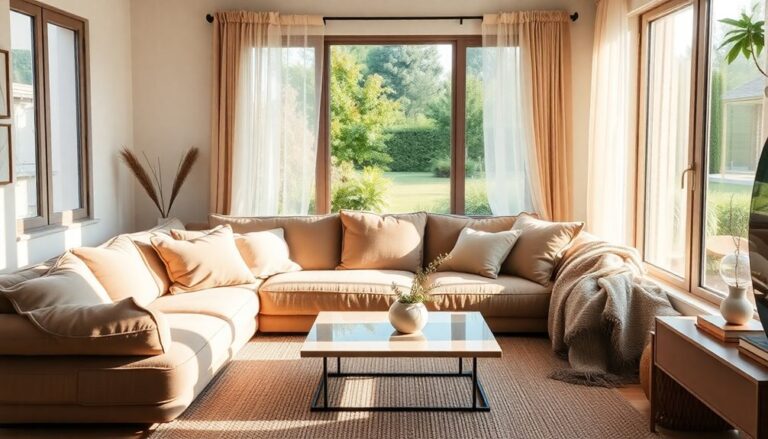
You’re looking to breathe some life into your space with indoor plants – and for good reason! With the right plants, you can create a warm and inviting atmosphere. Start by choosing low-maintenance plants like Snake Plants or ZZ Plants, or opt for air-purifying Spider Plants and Dracaena. Consider your personal style and seasonal themes when selecting plants, and don’t be afraid to mix and match textures for visual appeal. By incorporating plants into your decor and shelves, you’ll create a lush, layered look. Now, get ready to discover the secrets to making your indoor oasis truly thrive. To enhance the overall ambiance, think about placing your plants in stylish pots that complement your decor. Additionally, exploring outdoor living space ideas can inspire you to bring the freshness of nature indoors, incorporating elements that blend both environments seamlessly. Remember, a well-curated arrangement can elevate your indoor garden, making it not only a feast for the eyes but also a serene retreat for you to enjoy.
Choosing the Right Plants
When selecting plants for indoor decorating, you'll typically find that certain species thrive in low-light conditions, while others require more sunlight. As you explore the world of indoor plants, you'll discover that each species has its unique personality, needs, and benefits. Some plants are perfect for beginners, while others require more attention and care.
To create a harmonious space, it's essential to understand the plant personalities and their needs. For instance, low-maintenance plants like Snake Plants and ZZ Plants are perfect for busy people or those new to indoor gardening. On the other hand, plants like Ferns and Peace Lilies require more attention and care.
Beyond aesthetics, indoor plants also offer an important benefit: air purification. Plants like Spider Plants and Dracaena are known to remove pollutants and toxins from the air, creating a healthier environment for you and your loved ones. When choosing plants, consider not only their visual appeal but also their air-purifying abilities.
Creating a Plant Palette
Now that you've selected the perfect plants for your space, it's time to think about how they'll work together to create a visually appealing atmosphere. This is where creating a plant palette comes in – a cohesive look that reflects your personal style and brings harmony to your indoor oasis.
To curate a stunning plant palette, consider the following:
- Personal Style: Think about the overall aesthetic you want to achieve. Do you prefer modern and sleek or bohemian and eclectic? Choose plants that fit your style to create a cohesive look.
- Seasonal Themes: Update your plant palette to reflect the changing seasons. For example, opt for warm-toned plants in autumn and pastel-hued plants in spring.
- Color Blocking: Group plants by color to create a visually appealing palette. Monochromatic, complementary, or analogous color schemes can add depth and interest to your space.
- Nature Inspiration: Take cues from nature to create a cohesive look. For instance, pair plants with similar textures and colors to mimic a natural environment.
Mixing and Matching Textures
By combining plants with varying textures, you can add depth and visual interest to your indoor oasis, much like a rich tapestry woven from diverse threads. This mix of textures creates a visually appealing contrast that draws the eye and invites exploration. To achieve this, try pairing plants with smooth, waxy leaves like succulents with those that have soft, fuzzy leaves like velvet plants. The juxtaposition of these textures will create an engaging display that adds depth to your space.
Incorporating Contrasting Fabrics can further enhance the textural experience. Consider adding throw pillows or blankets in natural materials like linen, cotton, or wool to complement your plant collection. These earthy fabrics will blend seamlessly with the organic beauty of your plants, creating a cozy and inviting atmosphere.
To take your space to the next level, incorporate Nature Inspired Accents that echo the natural world. Add decorative elements like woven baskets, natural stone, or reclaimed wood to bring the outdoors in. These elements will not only add texture but also create a sense of harmony and connection to nature. By thoughtfully combining textures, fabrics, and accents, you'll create a warm and welcoming space that feels like a serene oasis, perfect for relaxation and rejuvenation.
Bringing in a Focal Point
Your indoor oasis deserves a showstopper, and that's where a focal point comes in – a statement piece that draws the eye and anchors the space. A well-chosen focal point can elevate your entire indoor plant arrangement, creating a sense of harmony and visual balance. By incorporating a statement piece, you'll create a visual anchor that ties the room together.
To create a stunning focal point, consider the following:
- Show-stopping plants: Choose a rare or unusual plant species that demands attention, like a Prayer Plant or a Prayer Plant.
- Unique planters: Select a planter that's a work of art in itself, featuring intricate designs, bold colors, or unusual shapes.
- Lighting: Use spotlights or string lights to highlight your focal point, creating a sense of drama and emphasis.
- Grouping: Create a visually appealing arrangement by grouping plants of varying textures, sizes, and shapes around your statement piece.
Adding Plants to Shelves
Shelves offer a prime opportunity to display a curated collection of plants, allowing you to create a lush, layered look that adds depth and visual interest to your indoor oasis. By incorporating plants onto shelves, you can create a visually appealing display that showcases your favorite plants. To get started, consider the shelf styling options available to you. You can opt for a single, statement-making plant on a decorative shelf or create a layered look by grouping multiple plants on a multi-tiered shelf.
When choosing plants for your shelves, consider the lighting conditions in the area. If your shelves are near a sunny window, choose plants that thrive in bright light, such as succulents or cacti. If your shelves are in a shadier spot, opt for plants that prefer low-light conditions, like Chinese Evergreen or Pothos.
Plant ledges are another great option for adding plants to your shelves. These narrow ledges provide a perfect spot for small pots or planters, allowing you to add a touch of greenery to even the smallest of spaces. By incorporating plants onto your shelves, you'll not only add visual interest to your space but also create a sense of calm and serenity. So, get creative and start styling your shelves with plants – your indoor oasis awaits!
Incorporating Plants Into Decor
As you incorporate plants into your decor, consider how they can enhance the overall aesthetic of your space, from adding a pop of color to creating a sense of cohesion with your existing furniture and accessories. By thoughtfully placing plants throughout your home, you can create a sense of harmony and balance that makes you feel more connected to your living space.
Here are some ways to incorporate plants into your decor:
- Use plants as room dividers: Place a tall plant or a grouping of plants in a corner to create a natural room divider that adds visual interest and creates a sense of separation between spaces.
- Add plants to shelves: Place smaller plants on shelves or bookcases to add a touch of greenery to your decor and create a sense of depth and visual interest.
- Create a plant corner: Designate a corner of a room as a plant sanctuary, where you can group plants together to create a lush and inviting atmosphere.
- Use plants as corner accents: Place a small plant or a group of plants in a corner to add a pop of color and create a sense of visual interest in an often-overlooked area.
Common Plant Care Mistakes
As you start to care for your indoor plants, it's essential to be aware of the common mistakes that can hinder their growth. You'll want to avoid common pitfalls that can lead to plant stress or even death, such as overwatering, neglecting humidity needs, and inconsistent light exposure. By recognizing these mistakes, you can take proactive steps to create a thriving environment for your plants.
Overwatering Pitfalls
You're more likely to kill your plants with too much water than with too little, and overwatering is a common mistake that can lead to root rot and other problems. It's easy to get carried away with watering, especially when you're excited to see your plants thrive. However, waterlogged soil can be detrimental to your plants' health. Here are some signs you might be overwatering your plants:
- Yellowing leaves: If your plant's leaves start to turn yellow, it could be a sign that the roots are rotting due to excess water.
- Soft and mushy stems: Healthy stems should be firm and sturdy. If they're soft and mushy, it's likely a sign of overwatering.
- Water pooling around the base: If you notice water collecting around the base of your plant, it's a clear indication that the soil is waterlogged.
- Fungal growth: Keep an eye out for white, cotton-like growth on the soil or stems, which can indicate the presence of fungi that thrive in waterlogged conditions.
Neglecting Humidity Needs
Most indoor spaces have dry air, and your plants may be suffering from a lack of humidity, especially if they're native to tropical or subtropical regions. You might not realize that your plants are craving a humid climate, similar to their natural habitats. Neglecting humidity needs can lead to brown tips, crispy leaves, and stunted growth.
| Plant Type | Humidity Needs |
|---|---|
| Ferns | High (60-80%) |
| Succulents | Low (40-50%) |
| Peace Lilies | Medium (50-60%) |
| Boston Ferns | High (60-80%) |
If you're not providing the right humidity levels, you might be inadvertently turning your home into a desert dry environment for your plants. To combat this, you can place plants on a tray filled with water and pebbles, use a humidifier, or group plants together to create a microclimate. By acknowledging and addressing your plants' humidity needs, you can create a nurturing environment that fosters growth and thrives.
Inconsistent Light Exposure
Inconsistent light exposure can be just as detrimental to your plants' health as neglecting their humidity needs, and it's likely you're unintentionally subjecting them to a rollercoaster of light conditions. You might be moving your plants around to get the perfect Instagram shot or adjusting their positions as the seasons change, but this inconsistency can cause stress and discomfort for your plants.
Here are a few common mistakes to avoid:
- Moving plants from East windows to South corners: This drastic change in light intensity can cause scorched leaves or discoloration.
- Not considering the time of year: As the seasons change, the direction and intensity of sunlight changes, affecting your plants.
- Not providing filtered light: Direct sunlight can be too intense for some plants, so make sure to provide a gentle, filtered light.
- Ignoring the plant's natural habits: Some plants naturally thrive in low-light conditions, while others require bright, direct light.
Frequently Asked Questions
Can Indoor Plants Improve Air Quality and Reduce Pollutants?
You're wondering if indoor plants can really improve air quality and reduce pollutants. The answer is yes! They're natural air purifiers, absorbing toxic chemicals like formaldehyde and benzene from the air. Through a process called toxic absorption, plants like spider plants and peace lilies remove pollutants, leaving you with cleaner air to breathe. By bringing plants into your space, you're taking a huge step towards creating a healthier environment that promotes well-being and a sense of belonging.
How Often Should I Rotate My Plants for Even Growth?
Imagine your plants stretching towards the sun like outstretched arms, craving more light. You're wondering how often to rotate them for even growth. Rotate your plants every 1-2 weeks to guarantee balanced light exposure. By doing so, you'll encourage symmetrical growth and prevent lopsidedness. Strategic plant placement also plays a role, so experiment with different spots to find the perfect balance.
Are There Any Pet-Friendly Indoor Plants I Can Use?
You're worried about your fur babies, and rightly so! When bringing plants into your home, it's important to take into account pet allergies and plant toxicity. Luckily, there are pet-friendly options. Opt for non-toxic plants like Spider Plants, Parlor Palms, or Peperomia. These gentle greens won't harm your pets if they take a curious nibble. You can breathe easy, knowing your home is safe and stylish for all members of the family, two-legged and four-legged alike!
Can Indoor Plants Help Reduce Stress and Anxiety?
Did you know that 77% of people experience stress daily? You're not alone! Indoor plants can be a game-changer for you. By incorporating them into your space, you'll reap mindfulness benefits and create a calming ambiance that'll help reduce stress and anxiety. As you care for your plants, you'll cultivate a sense of responsibility and connection, making you feel more grounded and at peace. You deserve to feel calm and centered – let indoor plants be your new stress-relief buddies!
Do Indoor Plants Attract Pests or Create Infestations?
You're probably wondering if bringing plants into your space will attract unwanted critters. Rest assured, with proper care, indoor plants are unlikely to attract pests or create infestations. However, it's essential to be vigilant for signs of infestation, such as tiny eggs, webs, or actual pests. Implementing simple pest control methods, like isolating new plants and inspecting them regularly, will help you enjoy the benefits of indoor plants while keeping pests at bay.