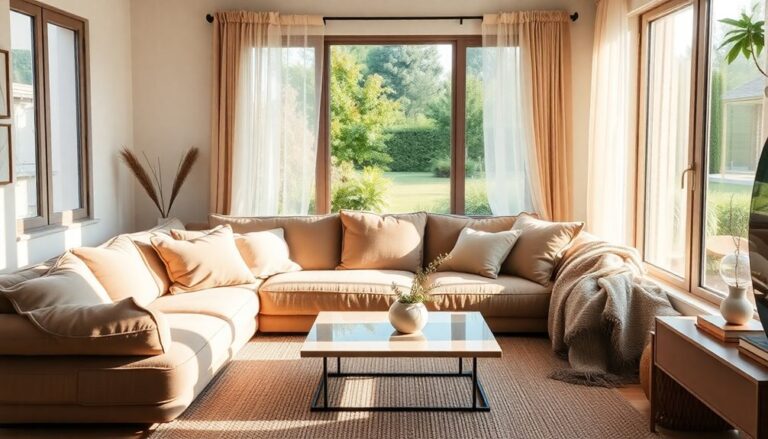
Exploring the elegance of monochromatic interior design offers an enchanting way to create harmony in your space. By using various shades of a single color, you can evoke feelings and improve your environment's atmosphere. This approach not only reduces visual clutter but additionally promotes well-being and focus. Consider mixing textures and materials to add depth, like pairing velvets with silks. Thoughtfully chosen accessories can inject personality and intrigue. With the right lighting, you can elevate the beauty of your selected palette, making your design truly stand out. There's much more to discover that can transform your space into a refuge of style and comfort.
Understanding Monochromatic Design
Monochromatic design captivates with its simplicity and elegance, focusing on a single color during the exploration of its various shades, tones, and tints. You'll find that this approach not only showcases the beauty of color but also demonstrates a profound comprehension of color theory and design principles. When you embrace monochromatic design, you reveal the potential to create striking spaces that communicate a cohesive vision.
The essence of monochromatic design lies in its ability to evoke emotions through color. By selecting one dominant hue, you can manipulate its intensity and saturation to craft a dynamic yet harmonious environment. This method encourages you to experiment with patterns and textures, enriching the visual experience without overwhelming the senses. Think of how different shades of blue can create calm, whereas a spectrum of reds can ignite energy.
Incorporating design principles like balance and contrast is vital when working with monochromatic schemes. You'll want to reflect on how various elements interact, ensuring that your space remains visually engaging. Use lighter tints to open up areas and darker shades to create depth and interest. Layering these variations invites curiosity and keeps the eye moving.
Ultimately, monochromatic design is about exploring the full spectrum of a single color, allowing you to innovate whilst adhering to fundamental design principles. By perfecting this technique, you'll create spaces that resonate with your audience, leaving a lasting impression that goes beyond mere aesthetics.
Benefits of Monochromatic Spaces
Why should you consider a monochromatic space for your home or office? The benefits are abundant, starting with the undeniable aesthetic appeal. A well-executed monochromatic design creates a harmonious atmosphere that feels both modern and timeless. By using varying shades of a single color, you can achieve depth and texture, transforming a simple room into a sophisticated sanctuary.
Furthermore, the psychological impact of monochromatic spaces should be disregarded. Colors influence your mood and energy levels, and choosing a monochromatic palette can encourage a sense of calm and focus. This is especially beneficial in workspaces where productivity is key.
Here's a table summarizing the key benefits:
| Benefit | Description | Impact |
|---|---|---|
| Aesthetic Appeal | Creates a cohesive and stylish environment | Visually pleasing |
| Improved Focus | Reduces visual clutter, allowing for concentration | Boosts productivity |
| Emotional Well-being | Colors can evoke feelings of tranquility or energy | Influences mood |
Incorporating a monochromatic scheme allows you to play with textures and patterns without overwhelming the senses. The result is an innovative space that feels both expansive and intimate. So, if you're looking to enhance your environment, consider the profound benefits of embracing a monochromatic design. You'll create a space that not only looks great but also promotes your well-being and productivity.
Choosing Your Color Palette
When selecting a color palette for your monochromatic space, it's essential to contemplate how different shades will interact with each other. A well-thought-out selection can transform your room into a harmonious sanctuary. Start by exploring color psychology; grasping how colors evoke emotions helps you create the atmosphere you desire. For instance, calming blues can inspire tranquility, whereas lively reds may energize the space.
Seek palette inspiration from nature, art, or even photographs that resonate with you. Look at varying shades, from deep hues to soft pastels, and consider how light affects these shades throughout the day. Remember, the key to a successful monochromatic design lies in the subtle variations in tone and saturation. You might find that layering lighter and darker shades of the same color can create depth and interest, making your space feel dynamic rather than flat.
Incorporate bold accent pieces or artwork that aligns with your chosen palette to break up the uniformity and add visual intrigue. Don't shy away from experimenting; sometimes, the most innovative designs come from unexpected combinations. Keep in mind that a monochromatic scheme doesn't mean a lack of diversity—it's about finding a balance that feels cohesive and inviting.
Ultimately, your color choices should reflect your personality and lifestyle. Trust your instincts, and let your passion for innovation guide you as you curate a palette that resonates deeply with your vision.
Textures and Materials to Enhance Design
Textures and materials play a crucial role in elevating your monochromatic design, adding depth and complexity to the visual experience. By carefully selecting fabric choices and employing innovative layering techniques, you can create a space that feels dynamic and inviting.
Start by considering various fabric choices that complement your chosen color palette. Think beyond simple cottons; explore luxurious velvets, sleek silks, or textured linens. Each fabric brings a unique tactile quality that improves the visual richness of your design. For instance, pairing a soft, sandy linen with a smooth, light-colored silk can create a stunning interplay of textures that captivates the eye.
Layering techniques are equally important in achieving a sophisticated look. Begin with your larger elements, like sofas or rugs, and build upon them with smaller accents. Incorporate throw pillows in different textures—perhaps a chunky knit alongside a sleek satin—to create a visually engaging arrangement. Don't shy away from mixing materials, either; a wooden coffee table can ground your space while a metallic lamp introduces a touch of elegance.
You can likewise play with architectural elements. Consider using a matte finish on your walls to contrast with glossy furniture, or incorporate woven wall hangings to add dimension. By thoughtfully integrating these textures and materials into your monochromatic design, you'll guarantee that your space remains both cohesive and invigoratingly innovative, inviting all who enter to experience its layered beauty.
Incorporating Accessories and Decor
When you incorporate accessories and decor into your monochromatic space, think about how different textures can add depth. Selecting the right accent pieces will improve your overall design as you maintain a cohesive look. It's all about balancing the elements to create a harmonious environment.
Textures and Materials
Incorporating a variety of textures and materials can improve the monochromatic design, allowing it to feel dynamic and inviting. By playing with fabric combinations, you can create layers that add depth and interest to your space. Think plush velvet cushions against sleek leather sofas or a soft wool throw draped over a cotton chair. These contrasts will make your monochromatic palette pop.
Surface finishes are just as vital. You might consider mixing matte and glossy elements, like a matte-finished coffee table paired with shiny metallic accents. This interplay not just creates visual intrigue but also encourages touch and interaction. Consider introducing natural materials like wood or stone for a grounding effect. A reclaimed wood shelf can beautifully complement a smooth, painted wall, tying together the color scheme while adding warmth.
Don't shy away from unique materials either. Incorporate glass, ceramics, or even unconventional choices like concrete for a bold statement. By thoughtfully combining these textures and materials, you'll raise your monochromatic interior, creating a space that feels both cohesive and uniquely yours. Embrace innovation, and let your creativity shine through these elements.
Accent Pieces Selection
Accent pieces play a crucial role in improving your monochromatic interior design. They inject personality and flair into a space that might otherwise feel too uniform or bland. To achieve a striking look, consider incorporating statement furniture that stands out during your color palette. For example, a bold, lively chair can create an exciting color contrast against softer hues, drawing the eye and becoming a conversation starter.
When selecting accessories, think beyond conventional decor. Opt for unique art pieces, sculptural vases, or textured cushions that not just complement your theme but additionally add depth. Layering different materials can raise the overall aesthetic; think metal, glass, or wood to create visual intrigue.
Don't shy away from experimenting with shapes and sizes. A large, abstract wall art piece can redefine a room, whereas smaller accent items, like candles or books, can provide subtle touches of character. Remember, it's about finding the right balance—each piece should improve the monochromatic scheme rather than overpower it. With thoughtful selection, your accent pieces will transform your space into a harmonious, innovative sanctuary.
Tips for Creating a Cohesive Look
Achieving a cohesive look in monochromatic interior design requires a sharp eye for detail and a thoughtful approach to color and texture. To start, embrace layering techniques that add depth and interest to your space. Mix various materials in the same color family—like soft wool throws, sleek leather furniture, and textured rugs. This variety will create visual intrigue without straying from your chosen palette.
Next, consider lighting considerations carefully. The way light interacts with your monochromatic scheme can dramatically affect the mood and perception of your space. Use a mix of ambient, task, and accent lighting to create layers of illumination. For instance, strategically placed floor lamps can highlight a textured wall, as pendant lights above a dining area can draw attention to your carefully chosen color palette.
Don't forget to incorporate different shades and tones of your chosen color. This adds richness without overwhelming the senses. For example, if you're working with a blue scheme, consider navy, sky blue, and even a hint of teal. These variations keep the design dynamic and engaging.
Finally, accessorize mindfully. Incorporate artwork, plants, or decorative objects that resonate with your color scheme. When these elements are thoughtfully selected, they can serve as punctuation marks in your design narrative, enhancing the cohesive look you're aiming for. With these strategies, you'll create an innovative and harmonious monochromatic space that feels both intentional and inviting.
Frequently Asked Questions
Can Monochromatic Design Work in Small Spaces?
Can monochromatic design work in small spaces? Absolutely! You can improve space perception, create a cohesive look, and add intrigue through color variation. By choosing different shades of a single color, you'll make the room feel larger and more inviting. Use textures and patterns to maintain visual interest without overwhelming the space. With thoughtful design, you'll turn your small area into a stylish sanctuary that feels open and innovative.
How Do I Maintain Interest in a Monochromatic Room?
To maintain interest in a monochromatic room, focus on texture variety and accent pieces. Mix materials like velvet, wood, and metal to create depth and intrigue. Layering different textures keeps the eye engaged, whereas thoughtfully chosen accent pieces—like bold artwork or unique decor—can add a pop of personality. Don't shy away from experimenting; innovative combinations can transform a simple palette into a dynamic, inviting space that feels fresh and enchanting.
What Are Common Mistakes in Monochromatic Design?
Did you know that 70% of people find monochromatic designs to be calming? Nevertheless, common mistakes can undermine this effect. One major error is poor color selection; choosing shades that are too similar can make a space feel flat. Instead, focus on texture layering to create depth and interest. Incorporating varied materials and finishes can enhance your design, turning a simple palette into an innovative and enthralling environment. Embrace the balance for stunning results!
Is Monochromatic Design Suitable for All Styles?
Monochromatic design isn't suitable for every style, but it can adapt beautifully with modern aesthetics and cultural influences. You can create a sleek, contemporary look, or infuse warmth and character by integrating elements from various cultures. Experimenting with textures and patterns within a single color can keep it innovative and engaging. Although it may not fit every traditional style, it certainly offers a fresh perspective for those open to creative possibilities.
How Do Lighting Choices Impact Monochromatic Interiors?
Lighting choices considerably impact monochromatic interiors by influencing color temperature and creating ambient effects. You can improve the depth of your space by using warm lighting to soften stark tones or cool lighting to give a modern edge. Experiment with different fixtures and dimmers to adjust the mood, allowing your chosen palette to come alive in various ways. Innovative lighting not just highlights your design but likewise transforms the atmosphere, making it feel dynamic and inviting.