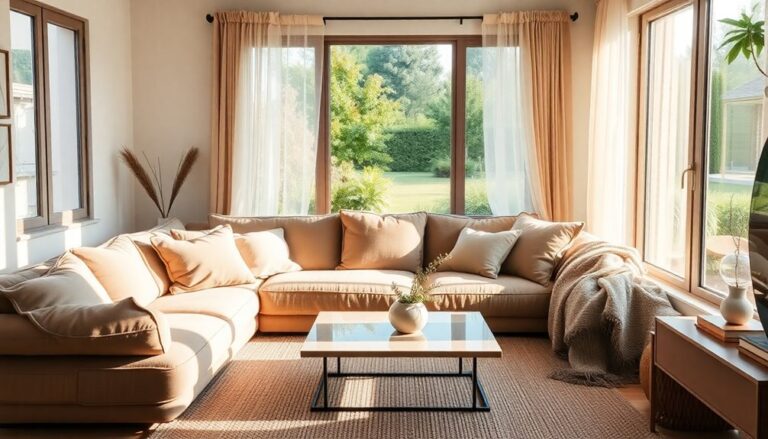
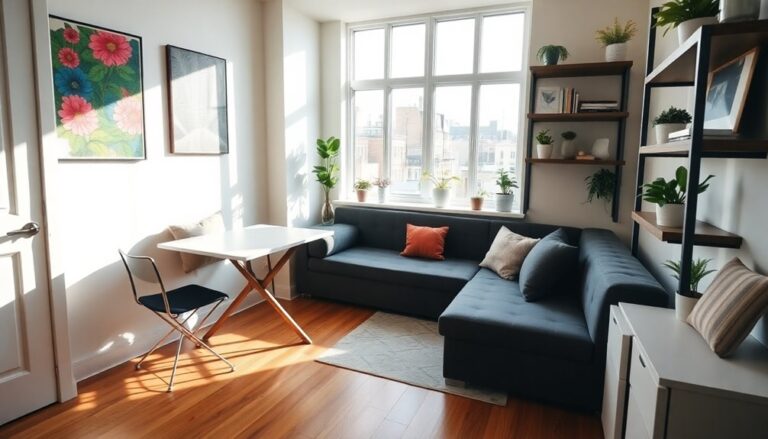
Texture and tactility play an essential role in modern interiors, turning ordinary spaces into engaging environments. You can create visual interest and depth by incorporating various textures, from smooth metals to rough wood. These elements not only set a mood—soft textiles inviting relaxation and sleek surfaces suggesting sophistication—but also improve the sensory experience. Mixing and layering textures promotes dynamism, guiding your eye and creating focal points. By thoughtfully combining different materials, you'll make your space feel cohesive yet unique. There's so much more to discover on how these elements can enhance your interior design.
Importance of Texture in Design
In modern interiors, texture plays a crucial role in creating a dynamic and inviting space. When you incorporate various textures, you boost your design, adding depth and interest that draws the eye. This isn't just about aesthetics; it's about establishing a visual hierarchy that guides how people perceive and experience a room. By layering different materials—smooth, rough, soft, or hard—you create a dialogue between elements that improves the overall narrative of your space.
Think about the emotional impact textures have on you. A plush velvet couch invites relaxation, whereas a sleek metal accent can evoke a sense of modernity and sophistication. By thoughtfully selecting textures, you're not merely shaping the visual environment but influencing the feelings your space elicits. When you walk into a room that harmoniously blends textures, it feels alive and welcoming, encouraging connections and interactions.
You can similarly utilize texture to define areas within an open floor plan or to draw attention to focal points. For instance, a textured feature wall can serve both as a backdrop and a statement piece, guiding visitors' eyes toward it. It's all about creating a layered experience that's both visually appealing and emotionally resonant.
Incorporating texture into your design isn't just a trend; it's an influential tool that transforms spaces into immersive environments. So, embrace the potential of texture and watch how it enriches your interiors.
Types of Textures in Interiors
Texture's diversity in interiors can greatly influence a room's ambiance and functionality. By grasping the various types of textures available, you can create innovative spaces that reflect your unique style and improve your living experience.
You might start with smooth textures, which often evoke a sense of sleekness and modernity. Think glass surfaces, polished metals, or high-gloss finishes that catch the light beautifully. These fabric choices lend a contemporary edge to your interiors, making them feel fresh and airy.
On the other hand, rough textures—like exposed brick, reclaimed wood, or stone—bring warmth and character. These surface materials can create a rustic or industrial vibe, adding depth and intrigue to your design scheme. Pair them thoughtfully with softer fabrics to strike a balance between the hard and soft.
Don't overlook the strength of soft textures, either. Plush textiles like velvet, chenille, or bouclé invite comfort and luxury into your space. Layer these fabric choices on furniture or as wall treatments to cultivate a cozy atmosphere that beckons you to unwind.
Lastly, consider incorporating varied textures. Mixing smooth, rough, and soft elements can spark visual interest and create harmonious contrasts. By thoughtfully combining different surface materials, you'll transform your interiors into dynamic environments that resonate with innovation and style. Embrace the diversity of textures and raise your design to new heights!
Tactility and Sensory Experience
Often overlooked, tactility plays a crucial role in shaping your sensory experience within a space. When you enter a room, your senses immediately engage with the textures around you. From the smoothness of a polished surface to the roughness of a reclaimed wood accent wall, each element contributes to your overall perception of the environment. This sensory engagement goes beyond mere aesthetics; it influences how you feel and interact within the space.
Imagine running your fingers across a textured fabric or the coolness of a concrete countertop. These experiences provide tactile feedback that transforms your interaction with the interior. You're not merely observing; you're engaging, creating a dialogue between yourself and your surroundings. This is where innovative design comes into play. By thoughtfully incorporating a variety of materials, designers can improve the emotional resonance of a place, making it more inviting and dynamic.
Incorporating tactile elements into your space encourages exploration and comfort. Surfaces that invite touch can inspire curiosity and promote a deeper connection with the environment. Think about how you can introduce different materials that not only look good but as well feel good. The right balance of textures can raise your sensory experience, making your space not just functional but a sanctuary for the senses. By prioritizing tactility in your design choices, you'll create an atmosphere that resonates with innovation and leaves a lasting impression on those who enter.
Combining Different Textures
When you think about enhancing your space, combining different textures can create a lively and engaging atmosphere. By thoughtfully layering textiles and integrating contrasting materials, you can transform a simple room into a dynamic environment that invites exploration and interaction. Envision the interplay of a soft velvet sofa against a rugged reclaimed wood coffee table. This combination not just adds visual interest but additionally evokes a tactile experience that keeps the space feeling fresh and innovative.
To achieve this, start by selecting a base texture that resonates with your style—perhaps a luxurious wool or a smooth linen. Then, layer in additional textiles like throw pillows, blankets, or area rugs that complement but also contrast the base. Consider mixing bold patterns with subtle hues to maintain harmony while still making a statement.
Incorporating contrasting materials can enhance this concept further. Pairing sleek metals with organic elements like stone or natural fibers can create a striking balance that highlights the unique characteristics of each texture. Think of a sleek glass lamp sitting on a rough-hewn wooden side table—this juxtaposition not only draws the eye but also tells a story of modernity meeting nature.
As you experiment with different combinations, keep in mind that the goal is to create a cohesive look that feels intentional. By embracing the beauty of layered textiles and contrasting materials, you'll cultivate an interior space that's not just stylish but also rich in depth and personality.
Practical Tips for Incorporation
To seamlessly incorporate varied textures into your space, start by identifying key areas where you want to make a statement. Think about focal points like a living room seating arrangement, a cozy reading nook, or an inviting bedroom. Once you have these areas defined, it's time to play with fabric choices. Opt for a mix of materials—soft velvets, rough linens, and sleek leathers can work wonders together. This variety adds depth and interest, inviting touch and interaction.
Next, utilize layering techniques to improve the tactile experience. For instance, layer rugs of different textures over a hardwood floor. A jute rug topped with a plush shag can create a stunning visual and tactile contrast. Don't forget about your walls. Consider textured wall treatments like plaster or wood paneling to add dimension.
In furniture selection, combine pieces with varying textures. A smooth glass table paired with a chunky knit throw on your sofa can create a fascinating balance. Furthermore, cushions are your best friends—experiment with different fabric choices and sizes for an eclectic look that still feels cohesive.
Lastly, bring in natural elements like plants or stone accents. Their organic textures can beautifully complement your chosen fabrics and improve the overall aesthetic. By thoughtfully layering textures and mixing fabric choices, you'll create a modern interior that feels innovative and inviting, capturing the essence of tactile design.
Frequently Asked Questions
How Do Textures Influence Mood in Interior Spaces?
How could the feel of a space affect your emotions? Textures play an essential role in shaping your mood and sensory experience. For instance, soft fabrics can evoke comfort, whereas rough surfaces might inspire creativity. Coupled with color psychology, the right texture can transform a room into a haven or a stimulating workspace. By thoughtfully combining textures, you create environments that resonate with your feelings and needs, nurturing innovation and enhancing overall well-being.
Can Texture Improve Acoustics in a Room?
Absolutely, texture can improve acoustics in a room! By incorporating materials with sound absorption properties, like acoustic panels, you can greatly reduce noise levels and enhance overall sound quality. When you choose textured surfaces, such as fabric-covered walls or plush furnishings, you're not just adding visual interest; you're furthermore creating a more inviting and quieter environment. So, embrace innovative textured elements and transform your space into an acoustic haven!
What Textures Suit Specific Design Styles Best?
What textures suit specific design styles best? If you're aiming for a minimalist look, consider using sleek, smooth surfaces that create a sense of calm. Conversely, if you're drawn to rustic aesthetics, incorporate raw, natural materials like reclaimed wood or stone for warmth and character. Each texture you choose can dramatically influence the overall vibe of your space, so don't hesitate to experiment and find your unique style!
How Often Should I Change Textures in My Decor?
You should consider texture rotation every season to keep your decor fresh and innovative. Seasonal updates allow you to play with different materials, making your space feel dynamic. For instance, swap out lightweight fabrics in summer for cozier textures in winter. This approach not only improves visual appeal but additionally creates a tactile experience that evolves with the seasons. Don't hesitate to experiment and find what resonates best with your personal style!
Are There Eco-Friendly Texture Options Available for Interiors?
Picture wrapping your space in a warm, eco-friendly hug. You can find plenty of sustainable materials and natural fibers to enhance your interiors as you care for the planet. Think bamboo, reclaimed wood, or organic cotton—each option whispers innovation and style. By choosing these textures, you're not just decorating; you're making a statement. So, embrace the beauty of eco-friendly choices and watch your home transform into a sanctuary of sustainability and chic design.