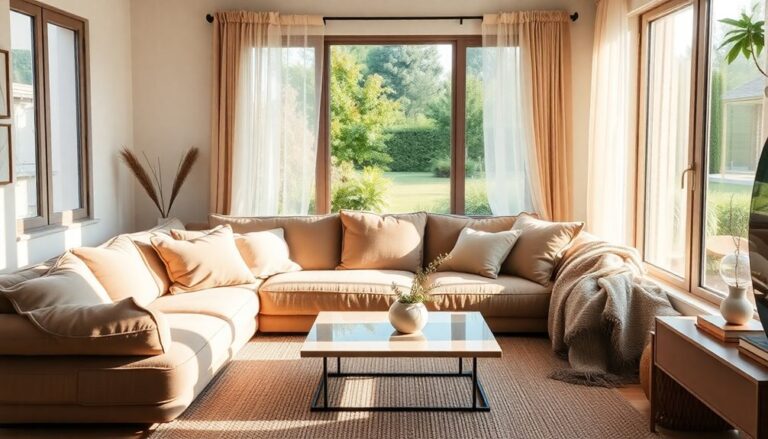
To blend vintage and modern styles seamlessly, start by selecting a primary aesthetic, then incorporate key pieces from the other style. Choose a cohesive color palette with complementary shades from both styles to tie everything together. Mix textures by pairing vintage fabrics with sleek modern surfaces. Don't forget about focal points; use standout vintage elements to draw attention amid clean, modern lines. Improve your space with unique art and accessories that reflect your personality, ensuring they harmonize rather than clash. With a few thoughtful choices and a bit of creativity, you'll create an enthralling environment. There's more to explore!
Understanding Vintage and Modern Aesthetics
In the domain of interior design, grasping vintage and modern aesthetics can transform your space into a harmonious blend of the old and the new. You'll find that vintage charm brings character and history, whereas modern minimalism introduces clean lines and functionality. Comprehending these two styles is vital for creating an innovative environment that resonates with your personal taste.
Vintage charm often evokes nostalgia, drawing inspiration from past decades. Think about ornate furniture, intricate patterns, and rich textures that weave stories into your home. This aesthetic invites warmth and personality, allowing you to showcase unique pieces that often become conversation starters. By incorporating vintage elements, you can create a sense of depth and interest that adds layers to your design narrative.
On the other hand, modern minimalism emphasizes simplicity and practicality. This style strips away excess, focusing instead on fundamental forms and neutral color palettes. It champions open spaces and uncluttered surfaces, making your environment feel fresh and airy. When you embrace modern minimalism, you're not merely opting for a trend; you're choosing a lifestyle that values functionality and ease.
To seamlessly blend these two aesthetics, consider using vintage items as statement pieces against a backdrop of modern furniture. This juxtaposition allows each element to shine while maintaining a cohesive look. By appreciating and valuing both vintage charm and modern minimalism, you can curate a space that's not merely visually stunning but fundamentally reflects your innovative spirit.
Finding the Right Balance
Achieving the right balance between vintage and modern styles can feel like a delicate dance, but it's essential for creating a cohesive space. To blend these aesthetics successfully, you need to reflect on how vintage inspirations can improve your modern interpretations. Begin by identifying key elements from both styles that resonate with you. Vintage pieces can add character and warmth, whereas modern elements provide that sleek, fresh feel.
Start by selecting a primary style—either vintage or modern—to set the tone for your space. Once you have your foundation, incorporate accents from the other style. For example, if you choose a modern base, think about introducing vintage furniture or artwork. A mid-century chair can serve as a striking focal point in a contemporary room, bridging the gap between eras.
To maintain harmony, be mindful of color palettes and textures. Use a cohesive color scheme that allows vintage elements to shine without overwhelming your modern pieces. Mixing textures is equally important; reflect on pairing a smooth, modern coffee table with a textured vintage rug to add depth and interest.
Finally, keep in mind that balance doesn't mean equal representation. It's about creating a dialogue between old and new. Aim for a thoughtful integration of both styles, allowing each piece to complement the other. By thoughtfully curating your environment, you'll craft a unique narrative that reflects your personality while skillfully blending vintage inspirations with modern interpretations.
Selecting Key Pieces
Finding the right pieces to blend vintage and modern styles can transform your space into a cohesive reflection of your taste. Start by identifying key vintage furniture that resonates with you. Look for unique items, like a mid-century modern chair or a rustic farmhouse table, that serve as conversation starters. These pieces should capture the essence of the past as they provide a solid foundation for your design.
Once you've selected your vintage gems, it's time to introduce modern accessories that enhance the overall aesthetic. Think sleek lighting fixtures, contemporary art, or minimalist décor that contrasts beautifully with the warmth of vintage furniture. These modern elements add a fresh twist, making the space feel innovative rather than anachronistic.
Balance is essential when selecting these key pieces. For instance, if you choose a bold, colorful vintage sofa, pair it with neutral-toned modern accessories to prevent visual clutter. Conversely, if you opt for understated vintage furniture, don't hesitate to bring in standout modern pieces that add flair and excitement.
Color Palette Coordination
Coordinating a color palette can make or break your vintage-modern blend. To achieve that perfect harmony, start by consulting the color wheel. This handy tool helps you identify complementary shades that can enhance both your vintage and modern pieces. Think about how a soft, muted vintage hue can juxtapose a bold contemporary color, creating a fascinating dialogue between the two styles.
When selecting colors, consider the mood you want to evoke. Warm tones can create an inviting atmosphere, whereas cool shades can bring a sense of calm. Aim for a balanced mix by picking three to four primary colors that resonate with both eras. For instance, a deep emerald green can harmonize beautifully with a soft blush pink, giving a nod to the past while remaining fresh and modern.
Don't shy away from experimenting with different shades. Layering various tones can add depth and interest to your space. For instance, if you're using a vintage-inspired floral pattern, pull out the colors from that design to create a cohesive palette. This technique guarantees that every element feels intentional and connected.
Lastly, keep in mind that neutrals play an essential role. Incorporating whites, grays, or beiges can help ground your lively choices, allowing your vintage and modern elements to shine together. With a well-coordinated color palette, you'll seamlessly blend styles and create an innovative space that reflects your unique taste.
Mixing Textures and Materials
When you mix textures and materials, you create a dynamic interplay that can amplify your vintage-modern style. This isn't merely about throwing random pieces together; it's about intentionally crafting an environment where textural contrasts sing. Start by evaluating your existing pieces. Do you have a sleek, modern sofa? Pair it with a chunky knit throw or a vintage velvet pillow. The combination of smooth and tactile creates a mesmerizing focal point.
Next, consider material combinations that evoke both eras. Think about incorporating elements like reclaimed wood, metal, glass, or ceramic. A mid-century modern coffee table can look stunning when set atop a plush, shaggy rug or surrounded by industrial-style chairs. These contrasts not only add depth to your space but additionally tell a story about the materials and styles you're blending.
Don't shy away from bold choices. A vintage-inspired brass lamp can beautifully complement a contemporary concrete side table. This fusion of old and new encourages an innovative aesthetic that feels fresh and inviting. Layering materials is key—mixing hard surfaces with soft fabrics or shiny finishes with matte textures creates a multi-dimensional look.
Finally, remember to maintain balance. Although you want to play with contrasts, confirm that no single element overwhelms the others. By thoughtfully combining textures and materials, you'll achieve a harmonious blend that reflects your unique style and creativity.
Incorporating Art and Accessories
Incorporating art and accessories is essential for improving your vintage-modern aesthetic. This is where your personal style truly shines and sets your space apart. Start by selecting bold artistic statements that resonate with you. These pieces should reflect your personality as they seamlessly bridge the gap between vintage and modern styles. Think outside the box—consider a contemporary abstract painting hung alongside a vintage frame, or a sleek sculpture positioned near a retro lamp.
Next, embrace accessory layering. This technique adds depth and interest to your decor. Layering involves stacking different textures, colors, and styles to create a cohesive yet eclectic look. For instance, pair vintage books with modern ceramics on a coffee table, or mix metallic and wooden elements in your shelving. This combination invites creativity as it maintains a balanced atmosphere.
Don't shy away from mixing different eras; it's all about finding harmony in juxtaposition. Use accessories to tell a story—perhaps a vintage globe paired with a modern clock can evoke a sense of adventure and nostalgia. Consider incorporating textiles, like a vintage wall hanging draped over a sleek modern chair, to soften the space and add warmth.
Lastly, keep in mind that less is often more. Choose a few standout pieces that capture attention, rather than cluttering your space with too many items. Focus on quality and meaning, and your art and accessories will improve the overall aesthetic, making your vintage-modern fusion feel intentional and inviting.
Emphasizing Focal Points
Emphasizing focal points is crucial for creating an engaging vintage-modern space that draws the eye and improves the overall design. A focal point, basically, is an element that stands out and attracts attention, serving as a visual anchor in your room. By grasping this focal point definition, you can effectively create dynamic contrasts between vintage and modern pieces.
Start by identifying key accent features within your space. This could be an ornate vintage chandelier that contrasts beautifully with sleek, modern furniture or a bold piece of contemporary art that amplifies a classic fireplace. By strategically placing these elements, you'll create a dialogue between styles that feels both intentional and innovative.
Consider utilizing colors, textures, and shapes to further highlight these focal points. For instance, if you've chosen a vintage rug, let it serve as the centerpiece of a modern seating arrangement. This not just highlights the rug but encourages a harmonious blend of old and new. Moreover, using lighting effectively can transform an accent feature into a stunning focal point. A well-placed spotlight can illuminate a vintage sculpture or a modern installation, creating depth and interest.
Personalizing Your Space
In terms of personalizing your space, unique art pieces can make a bold statement that reflects your personality. Layering textures and patterns adds depth, whereas coordinating your color palette pulls everything together harmoniously. These elements not just improve your style but likewise create an inviting atmosphere that feels distinctly yours.
Unique Art Pieces
Whereas blending vintage and modern styles can create a stunning aesthetic, unique art pieces serve as the perfect way to personalize your space. Incorporating vintage sculptures alongside modern paintings can enhance your interior design, transforming it into a reflection of your individuality.
When selecting art, consider pieces that resonate with you emotionally. A striking modern painting can serve as a bold centerpiece, whereas delicate vintage sculptures can add depth and character to your room. The juxtaposition of these styles not only sparks conversation but also tells a story about your tastes and experiences.
Don't shy away from mixing mediums, either. A contemporary abstract piece can contrast beautifully with a classic bust, creating an engaging visual dialogue. Explore local galleries or online marketplaces for one-of-a-kind finds that speak to your aesthetic.
Layered Textures and Patterns
Combining unique art pieces with layered textures and patterns can improve the personalization of your space even further. By thoughtfully integrating layered textiles and contrasting patterns, you can create an innovative atmosphere that reflects your style. Here's how to do it:
- Mix Fabrics: Use a variety of textiles such as velvet, linen, and cotton to add depth. A velvet throw on a linen sofa can create a chic contrast.
- Play with Patterns: Don't shy away from bold prints. Pair a patterned rug with solid-colored cushions, or vice versa, to keep the eye engaged.
- Incorporate Vintage Finds: Look for vintage quilts or embroidered textiles that tell a story. These pieces can add character and a touch of nostalgia to modern furnishings.
- Layer Wisely: Arrange textures in a way that feels intentional. For example, place a textured throw over a sleek chair, or mix a geometric print with florals to create visual interest.
Color Palette Coordination
Your color palette plays a crucial role in personalizing your space and setting the mood. When you're blending vintage and modern styles, grasping color psychology can make all the difference. Each hue evokes different emotions, so think about how you want your space to feel. For a calm and inviting atmosphere, soft blues and greens can work wonders. If you're aiming for an energetic vibe, lively yellows or reds could be your go-to.
Incorporating vintage pieces doesn't mean you have to stick to muted tones. Use hue selection strategically to find a balance. For instance, pair a bold modern accent wall with classic furniture in complementary shades. This creates a dialogue between the old and the new, allowing each element to shine.
Don't be afraid to experiment. Create a mood board with various color swatches that resonate with your vision. By mixing contemporary colors with timeless vintage hues, you'll develop a unique palette that reflects your personality. Remember, it's all about harmony—let your choices reflect a seamless blend of both worlds as you ensure your space feels authentically you.
Styling Tips for Cohesion
To create a cohesive look when mixing vintage and modern styles, you'll want to focus on a harmonious color palette that ties everything together. Pairing furniture thoughtfully can likewise help blend different eras seamlessly. Finally, balancing your accessories guarantees that no single piece overwhelms the overall aesthetic.
Color Palette Harmony
Achieving color palette harmony is essential when blending vintage and modern styles in your space. To create a cohesive look, you'll want to carefully consider your hue selection, using the color wheel as a guide. Here are four tips to help you achieve that perfect balance:
- Choose a Base Color: Start with a neutral base to anchor your space. Shades like beige, gray, or white work well, allowing other colors to pop.
- Incorporate Vintage Hues: Select a few key vintage colors—think muted pastels or rich jewel tones. These can be used in accent pieces or artwork to bring history into your design.
- Add Modern Pops: Introduce modern colors, such as bold primaries or sleek metallics, to contrast with your vintage hues. This will infuse energy and innovation into your space.
- Create Flow: Guarantee the colors shift smoothly throughout different areas. Use similar shades in adjacent rooms to maintain a sense of harmony.
Furniture Pairing Techniques
When blending vintage and modern styles, thoughtful furniture pairing can make all the difference. By strategically mixing eras, you create a cohesive yet innovative space. Focus on design principles that improve functionality, ensuring each piece has a purpose.
Consider the following furniture pairing techniques:
| Vintage Finds | Modern Upgrades | Pairing Tips |
|---|---|---|
| Antique wooden table | Sleek metal chairs | Balance textures for warmth |
| Mid-century sofa | Contemporary side table | Create visual interest |
| Retro bookshelf | Minimalist decor | Embrace asymmetry for style |
Space optimization is key. Layout considerations should prioritize flow, allowing vintage and modern pieces to complement rather than compete. Use larger vintage furniture as anchors, then arrange modern upgrades around them. This approach not only improves functionality but likewise creates a dynamic aesthetic.
Accessory Balance Strategies
Balancing accessories in a space where vintage meets modern styles can elevate the overall aesthetic and harmony. To create a cohesive look, consider these accessory balance strategies:
- Mix and Match: Combine statement accessories, like a bold contemporary sculpture, with vintage accents such as an ornate vase. This juxtaposition creates visual interest and depth.
- Color Coordination: Use a unified color palette that links your vintage and modern pieces. Select accessories in similar hues to guarantee they complement each other, avoiding any jarring contrasts.
- Layering Textures: Incorporate a variety of textures to amplify the eclectic vibe. Pair sleek modern materials, like metal or glass, with the warmth of vintage textiles or wood.
- Focal Points: Create focal points by grouping accessories together. For instance, display a modern art piece alongside vintage books or framed photographs to draw the eye and establish a dialogue between styles.
Frequently Asked Questions
How Do I Choose a Vintage Piece That Won't Clash With Modern Design?
Choosing a vintage piece that won't clash with modern design can be exciting! Start by focusing on style harmony; look for items with clean lines or minimalistic features that complement contemporary aesthetics. Consider colors that resonate with your modern palette. Vintage selection tips include picking timeless designs rather than overly ornate pieces. Trust your instincts—if it feels right in the space, it likely will create a unique balance that improves your overall decor.
Can I Mix Different Vintage Eras in One Space?
Absolutely, you can mix different vintage eras in one space! Envision a room where bold 70s colors dance alongside delicate 50s florals. By choosing a cohesive vintage color scheme, you create harmony. Layer era-specific patterns, like a Mid-century modern chair paired with a 1920s art deco lamp, to add depth. It's all about finding balance and letting each piece shine as you ensure they complement each other. Embrace creativity, and your space will tell a unique story!
What Are Some Common Mistakes in Blending Styles?
When blending styles, you might make some common mistakes that can throw off your design. One key issue is using clashing colors that compete for attention instead of complementing each other. Another pitfall is incorporating mismatched patterns that clash rather than harmonize. To innovate your space, focus on creating a cohesive palette and choose patterns that share a common element. This way, you’ll achieve a balanced look that feels effortlessly curated and stylish. Additionally, be mindful of the proportions of the elements you choose; oversized pieces can overwhelm a small space, while smaller items may get lost in larger surroundings. When it comes to fashion, the same principle applies—mixing patterns for stylish outfits requires a keen eye for balance and proportion. By thoughtfully combining textures, colors, and shapes, you can create a visually appealing aesthetic that reflects your personal style.
How Do I Maintain Functionality While Mixing Styles?
To maintain functionality during the mixing of styles, focus on achieving a functionality balance that doesn't compromise your aesthetic. Choose furniture that serves dual purposes, like a vintage trunk as a coffee table. Guarantee style cohesion by selecting a color palette that ties both styles together. Incorporate innovative storage solutions that blend seamlessly with your decor. Finally, keep in mind that each piece should contribute to the overall vibe as it remains practical for everyday use.
Are There Specific Furniture Brands Known for Vintage-Modern Designs?
If you're looking for specific furniture brands that excel in vintage-modern designs, check out those specializing in mid-century modern and eclectic furniture. Brands like West Elm and CB2 offer innovative pieces that integrate retro charm with contemporary flair. You'll find unique options that enhance your space as you maintain functionality. Don't forget to explore local artisans, too, as they often create stunning, one-of-a-kind items that perfectly blend the old with the new.