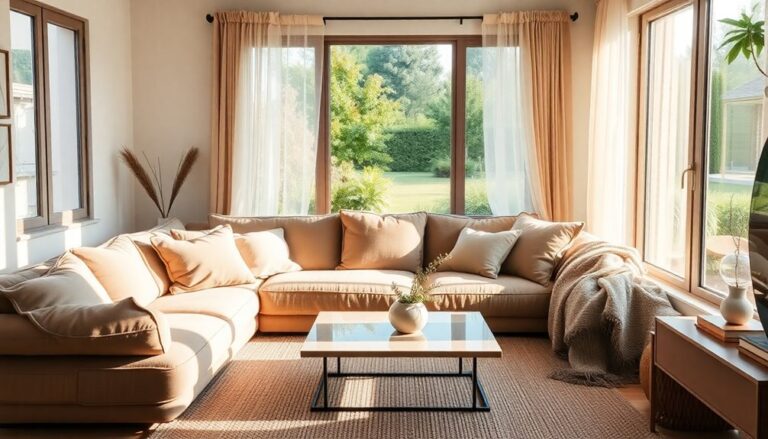
To design a playroom that's both fun and functional, start by evaluating your space and guaranteeing safety. Use bright colors to stimulate creativity, during adding cozy pastels for relaxation. Choose durable, child-sized furniture that serves multiple purposes, like storage ottomans. Smart storage solutions, like clear bins and wall-mounted shelves, help keep things organized. Create distinct activity zones for crafts, reading, and active play, and verify each area has appropriate storage. Finally, sprinkle in personal touches like themed décor to make it special. Keep exploring for more tips on optimizing your playroom for endless fun and practicality.
Assessing Available Space
When designing a playroom, you'll first want to evaluate the available space. Start by taking accurate space measurements; this is essential for creating a functional and enjoyable environment. Measure the length, width, and height of the room, and note any architectural features like windows, doors, or built-in shelving. This data will serve as the foundation for your innovative design.
Next, consider the furniture layout. Think about how you want to optimize the flow of movement within the space. A well-planned layout can make all the difference, guaranteeing that kids can easily navigate their play area without feeling cramped. Experiment with different configurations, keeping in mind the types of activities that will take place. For example, if you're incorporating a reading nook, position furniture to create a cozy corner, while leaving ample open space for active play.
You might additionally want to think about multi-functional furniture. Pieces that can serve dual purposes, like storage ottomans or convertible tables, can maximize both play and organization. Don't forget about safety; confirm that there's enough room for kids to move freely without bumping into sharp edges or other hazards.
Lastly, consider storage solutions that keep toys and supplies organized yet accessible. By effectively evaluating your available space and thoughtfully planning your furniture layout, you'll set the stage for a playroom that's not only fun but also functional.
Choosing the Right Color Scheme
After you've mapped out the space and furniture layout, it's time to think about the color scheme. Choosing the right colors isn't just about aesthetics; it's about leveraging color psychology to improve mood and creativity in your playroom. Colors can greatly influence how children feel and interact, making it crucial to select shades that promote a positive environment.
Here's a quick guide to help you choose the ideal color palette:
- Bright and Bold Colors: Use lively shades like yellows, reds, or blues for stimulating creativity and energy. These colors can keep your little ones engaged and active during playtime.
- Soft Pastels: Consider calming colors like soft pinks, blues, or greens. These hues can encourage relaxation and focus, making them perfect for quieter activities like reading or crafting.
- Accent Colors: Incorporate bold accent colors to create focal points in the room. These could be on an accent wall or through décor items. This approach boosts visual interest without overwhelming the space.
Selecting Durable and Safe Materials
Selecting durable and safe materials is essential for creating a playroom that can withstand the wear and tear of active play. You want to choose elements that not only endure energetic activities but likewise prioritize your child's safety. Start with flooring options like cork or rubber, which provide cushioning and are easy to clean. These materials can take a beating during minimizing the risk of injuries from falls.
When it comes to furniture, opt for pieces made from solid wood or high-quality laminate that feature child safe finishes. Avoid toxic paints and stains; instead, look for options that meet safety standards and guarantee your child's well-being. Some innovative brands now offer eco friendly options that are both stylish and sustainable, contributing to a healthier environment for your little ones.
For soft furnishings, like rugs or cushions, choose materials that are stain-resistant and washable. This will help maintain cleanliness in the face of inevitable spills and messes. Furthermore, consider using water-based adhesives and finishes, which are less harmful than traditional options, further enhancing the safety of your playroom.
Lastly, don't forget about the toys themselves. Opt for those made from non-toxic materials that are particularly designed for durability. By selecting materials that are both durable and safe, you're not merely creating a fun space for your kids; you're likewise providing a nurturing environment that supports their growth and creativity.
Incorporating Smart Storage Solutions
Smart storage solutions can transform a chaotic playroom into an organized haven for creativity and fun. By incorporating innovative storage options, you not just maximize space but additionally inspire your kids to keep things tidy. Here are three smart ideas to improve your playroom's functionality:
- Pull Out Organizers: These are a game-changer for keeping toys, art supplies, and games neatly stored. Pull out organizers make access simple and encourage kids to take responsibility for their belongings. Choose clear bins to make it easy for them to see what's inside, creating a sense of ownership and pride in their space.
- Multi-Functional Furniture: Look for pieces that serve dual purposes. A storage ottoman can provide seating while hiding away books and toys. A bench with built-in storage under the seat is perfect for stowing away larger items without sacrificing style. These versatile options keep the playroom clutter-free and visually appealing.
- Wall-Mounted Solutions: Utilize vertical space by installing shelves, hooks, or pegboards. This not just frees up floor space but additionally allows for creative display of art and crafts. Kids can easily access their favorite items while adding a personal touch to the room.
Designing Flexible Activity Zones
Creating an organized playroom is just the beginning; designing flexible activity zones can improve the space even further. By strategically planning your activity zone layouts, you can create distinct areas for various activities, allowing your kids to engage in different types of play without feeling cramped or cluttered. Think about their interests and how they like to play—whether it's art, building, or reading—and allocate zones accordingly.
Incorporating multi-purpose furniture is key to achieving versatility in your playroom. Opt for items like foldable tables that can double as craft stations or storage benches that provide seating while holding toys. This way, you maximize the functionality of your space without sacrificing style. For instance, a large rug can define a specific zone, making it clear where activities like building blocks or puzzles should happen.
You can likewise use movable partitions or curtains to create temporary spaces for different activities, allowing you to adapt the room as your children's interests change. This fluidity not only encourages creativity but additionally helps keep the playroom organized and tidy.
When designing your flexible activity zones, consider how they can evolve over time. As your children grow, so will their needs, and having a system that can adapt will save you time and effort in the long run. Embrace innovation and flexibility to create a playroom that's not just fun but also functional, accommodating your family's dynamic lifestyle.
Adding Personal Touches and Decor
A playroom feels more inviting and special when you add personal touches and decor that reflect your child's personality and interests. Infusing the space with elements that resonate with your child not merely enriches their playtime but also promotes a sense of ownership and creativity. Here are three innovative ways to achieve this:
- Wall Art: Turn your child's artwork into stunning wall art. Frame their drawings or collaborate on a mural that expresses their imagination. This not only decorates the room but also enhances their confidence and pride in their creations.
- Custom Furniture: Invest in custom furniture that caters to your child's needs and aesthetics. Consider a reading nook with a uniquely shaped bookshelf or a play table designed particularly for their favorite activities. Custom pieces guarantee the room is as functional as it is playful.
- Themed Decor: Choose a theme that excites your child—whether it's space adventures, jungle explorations, or fairy tales. Incorporate themed pillows, rugs, and decorative items to create an immersive environment. This aids in sparking their imagination and makes playtime even more engaging.
Frequently Asked Questions
What Are Some Budget-Friendly Playroom Design Ideas?
If you're looking for budget-friendly playroom design ideas, start with DIY storage solutions. Repurpose old crates or boxes for lively storage that adds personality and keeps toys organized. Next, consider painting colorful wall murals or using removable wall decals to create an engaging atmosphere without breaking the bank. You'll inspire creativity and fun as you ensure the space remains functional. With a little imagination, your playroom can be both vibrant and practical!
How Can I Make a Playroom Suitable for Multiple Age Groups?
To make a playroom suitable for multiple age groups, create multi-age zones that cater to different interests and developmental stages. You can use adaptable furniture, like modular seating and adjustable tables, to guarantee the space grows with the kids. Incorporate varied play areas, such as quiet reading corners and active play zones, so everyone finds something engaging. With thoughtful design, you'll cultivate creativity and collaboration among children of all ages.
What Lighting Options Work Best for Playrooms?
Envision walking into a playroom that sparks joy and creativity. For the best lighting options, you'll want a mix of ambient lighting to create a warm atmosphere and task lighting for focused activities. Think stylish floor lamps and colorful string lights for ambiance, paired with adjustable table lamps for reading or crafts. This innovative blend not just improves the space but likewise caters to the various needs of energetic kids.
How Do I Encourage Creativity in Playroom Design?
To encourage creativity in your playroom design, think about incorporating imaginative zones that spark curiosity. Create spaces for artistic materials like paints, crayons, and crafting supplies, allowing kids to express themselves freely. Use lively colors and varied textures to stimulate their senses. Add cozy nooks for storytelling or quiet reflection. By blending functionality with playful elements, you'll inspire endless creativity and exploration in your child's playtime adventures.
What Safety Features Should I Consider for Playrooms?
When considering safety features for playrooms, think about effective childproofing measures. Secure heavy furniture to the walls and use corner guards to protect against sharp edges. Opt for soft, durable flooring options like foam tiles or rubber mats to cushion falls. Furthermore, make certain all toys are age-appropriate and free from small parts. Implementing these safety features not just protects your child but likewise nurtures an innovative environment where they can explore and play freely.