
Layering your lighting is key to creating the perfect ambiance in any room. Start by maximizing natural light with windows and mirrors, then add ambient lighting for a cozy feel. Incorporate task lighting where focus is needed, like reading or cooking, and use accent lighting to highlight art or architectural features. Experiment with different color temperatures; warmer lights create a welcoming atmosphere, whereas cooler tones boost productivity. Don't forget to use dimmers for control over brightness. For insights on effectively combining these elements, look into how each layer improves both your space and mood.
Understanding Lighting Types
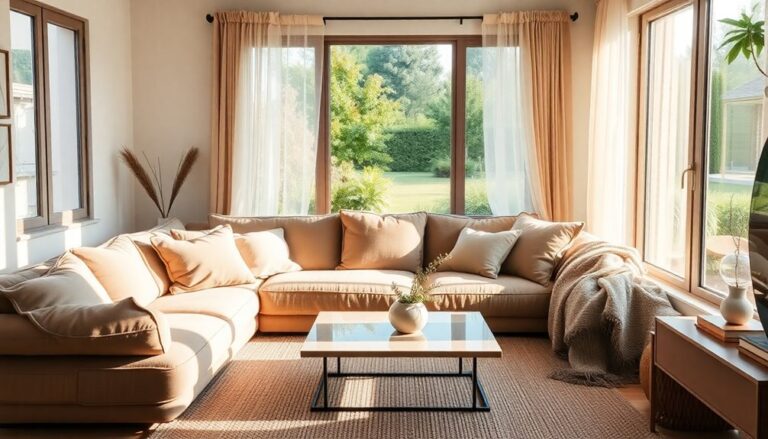
When it pertains to creating the perfect ambiance in your space, grasping lighting types is essential. You've got to know how different lighting can transform a room, making it feel warm, inviting, or even energizing. Start by considering natural lighting. Utilizing sunlight can dramatically change your space, so think about how you can maximize windows or even add mirrors to reflect that light. You want to embrace daylight, letting it flow through your home, improving your mood and productivity.
Next, let's explore decorative lighting. This type is all about aesthetics and personality. Pendant lights, chandeliers, and wall sconces can serve as stunning focal points, elevating your design as well as providing functional illumination. You'll find that decorative lighting isn't just about brightness; it's about creating a visual narrative that complements your style.
When layering these two types, consider balance. Natural lighting sets the base, whereas decorative lighting adds depth and character. You want to create a harmonious blend that feels cohesive rather than chaotic. Think about dimmable fixtures to adjust the ambiance according to your needs. By grasping these lighting types, you can improve your space innovatively, creating environments that inspire and captivate. The key is to experiment and find the perfect mix that speaks to you, making your home uniquely yours. So, roll up your sleeves and start playing with light—it's your canvas!
The Importance of Ambient Lighting
Ambient lighting plays a crucial role in setting the mood of a space, making it feel cozy and inviting. It creates a foundation for your overall lighting scheme, allowing other light sources to shine without overshadowing the atmosphere. By utilizing both ambient light and natural light, you can transform any room into a sanctuary of comfort and creativity.
Here's a quick comparison to help you understand the impact of different ambient lighting options:
| Lighting Type | Impact on Ambiance |
|---|---|
| Soft LED Bulbs | Creates a warm, tranquil atmosphere |
| Floor Lamps | Adds height and dimension, perfect for cozy nooks |
| Recessed Lighting | Offers a sleek, modern feel without harsh glare |
| Natural Light | Invigorates and energizes, improves mood |
| Chandeliers | Raises elegance and provides a focal point |
Integrating ambient light into your design goes beyond mere aesthetics. It influences how you feel in a space. Think about the last time you entered a room bathed in natural light—it likely felt uplifting. Conversely, a poorly lit room can drain your energy.
You don't have to settle for flat or harsh lighting. Experiment with layering your ambient lighting sources to create a dynamic environment that reflects your personality. By paying attention to how these elements interact, you'll craft spaces that not just look good but feel good too. Embrace the art of ambient lighting and let your creativity flourish.
Incorporating Task Lighting
Task lighting is crucial for activities that require focus, like reading or cooking. You'll want to choose the right types of fixtures and place them strategically to guarantee ideal use in your space. Let's explore how to effectively incorporate task lighting to improve both functionality and ambiance.
Purpose of Task Lighting
In today's multifunctional spaces, effective task lighting is essential for productivity and comfort. When you integrate task lighting into your environment, you're not just illuminating a space; you're improving task efficiency. Focused illumination directs light precisely where you need it, minimizing eye strain and allowing you to work more effectively.
To help you understand the impact of task lighting, here's a quick overview:
| Purpose | Benefits | Examples |
|---|---|---|
| Improve Focus | Reduces distractions | Desk lamps, reading lights |
| Increase Productivity | Encourages longer work sessions | Under-cabinet lighting |
| Boost Creativity | Inspires innovative thinking | Adjustable floor lamps |
| Guarantee Safety | Prevents accidents in work areas | Bright task spots |
| Support Comfort | Creates a welcoming atmosphere | Soft, warm LED options |
Types of Task Fixtures
Choosing the right type of task fixture can greatly improve your workspace. When you think about innovative lighting solutions, desk lamps and under cabinet lights emerge as frontrunners. Desk lamps provide focused illumination, making them perfect for your writing, reading, or crafting tasks. Look for modern designs that offer adjustable brightness levels and color temperatures to tailor the light to your needs, creating an environment that inspires productivity.
On the other hand, under cabinet lights are a game-changer for kitchens and workspaces alike. They seamlessly fit beneath cabinets, casting a direct beam onto your countertops or desks without taking up additional space. This not only improves visibility for intricate tasks but likewise adds a sleek, contemporary touch to your décor.
Consider combining these fixtures for a dynamic lighting scheme. For instance, a stylish desk lamp can complement the ambient glow of under cabinet lights, creating a layered effect that nurtures creativity. With thoughtful selection and placement, you can utilize the strength of task lighting to raise your workspace, ensuring that every corner is well-lit and conducive to your innovative endeavors. Embrace these fixtures and transform the way you work!
Placement for Optimal Use
Effective placement of your task lighting is essential for maximizing its benefits. By carefully considering fixture arrangement and light direction, you can create a workspace that boosts productivity and reduces eye strain. Start by positioning your task fixtures at angles that prevent glare on screens or reflective surfaces. A desk lamp, for example, should be directed toward your work area without casting shadows, ensuring that you can see every detail clearly.
Next, think about the height of your fixtures. A pendant light over a kitchen island should hang low enough to illuminate the surface without obstructing conversation. Conversely, wall-mounted sconces can provide even light distribution for reading nooks or study areas, improving both aesthetics and functionality.
Experiment with different placements to find what works best for your space. Don't shy away from mixing and matching styles; an innovative fixture arrangement can transform your environment. Remember, the goal is to create a harmonious balance that complements your overall lighting design while making everyday tasks easier. With thoughtful light direction and strategic positioning, you'll achieve an atmosphere that inspires creativity and efficiency.
Enhancing With Accent Lighting
Though it might seem that general lighting is enough to create a cozy atmosphere, accent lighting plays a crucial role in highlighting specific features and adding depth to your space. By strategically incorporating accent lighting, you can uplift the overall aesthetic and create a more inviting environment. This approach transforms your room from ordinary to extraordinary, allowing you to emphasize unique aspects of your design.
To effectively improve your space with accent lighting, consider the following innovative ideas:
- Highlighting artwork: Use adjustable spotlights or wall-mounted fixtures to draw attention to your favorite pieces, creating a gallery-like feel.
- Creating focal points: Designate areas within the room, such as architectural features or cozy reading nooks, using lighting to guide the eye.
- Layering textures: Combine different light sources, like LED strips or decorative lamps, to introduce warmth and contrast, enriching your space.
- Adding color: Experiment with colored bulbs or filters to create specific moods, improving the ambiance and making your space feel dynamic.
- Utilizing shadows: Create depth by positioning lights to cast intriguing shadows, adding an element of drama that brings your design to life.
Balancing Light Layers
Often, balancing light layers is vital for achieving the perfect ambiance in your space. It's not just about having multiple lighting fixtures; it's about how each layer interacts with the others. You'll want to reflect on the light intensity of each source to create a harmonious blend that improves your environment without overwhelming it.
Start with your ambient lighting, which serves as the foundation. This layer typically includes ceiling lights or wall sconces that provide general illumination. Confirm the light intensity is soft enough to create a welcoming atmosphere but bright enough for functionality. Then, add task lighting in areas where you need focused illumination, like over your kitchen counter or reading nook. Adjusting the intensity of these fixtures can help prevent harsh contrasts.
Next, incorporate accent lighting to highlight artwork or architectural features. Here, you'll want to be mindful of the light intensity to avoid drawing attention away from other layers. For example, a spotlight can create drama, but if it's too bright, it might overpower the room's overall feel.
Experiment with dimmers; they're a game-changer for managing light intensity across different times of the day and activities. As you layer these different types of lighting fixtures, keep an eye on how they work together. Aim for a balance where each layer complements the others, creating an inviting atmosphere that feels both dynamic and cohesive. With thoughtful adjustments, you'll master the art of balancing light layers, raising your space to new heights of innovation and comfort.
Tips for Effective Layering
To achieve a well-layered lighting scheme, start by considering the specific needs of each area in your space. Think about how you use each room and what activities take place there. By integrating various layering techniques, you can create an innovative atmosphere that complements your lifestyle and improves your environment.
Here are some tips for effective layering:
- Identify the Purpose: Determine what each space is primarily used for—dining, relaxing, working—and choose lighting styles that reflect those functions.
- Mix and Match: Combine ambient, task, and accent lighting to create depth and interest. Each layer serves a distinct purpose as well as adding to the overall aesthetic.
- Adjust Brightness: Utilize dimmers to control light intensity. This flexibility allows you to shift the ambiance based on the time of day or occasion.
- Consider Scale: Select fixtures that fit the proportions of your room. Oversized fixtures can create drama, while smaller ones can add subtlety.
- Incorporate Smart Technology: Embrace innovative lighting solutions, like smart bulbs that can change color and intensity via apps, ensuring adaptability for any mood.
Creating Mood With Color Temperature
The right color temperature can dramatically influence the mood of a space, making it vital to choose wisely. When you consider color temperature, you're fundamentally tapping into the principles of color psychology. Different temperatures can evoke distinct emotions and reactions, transforming an environment from lively and energetic to calm and serene.
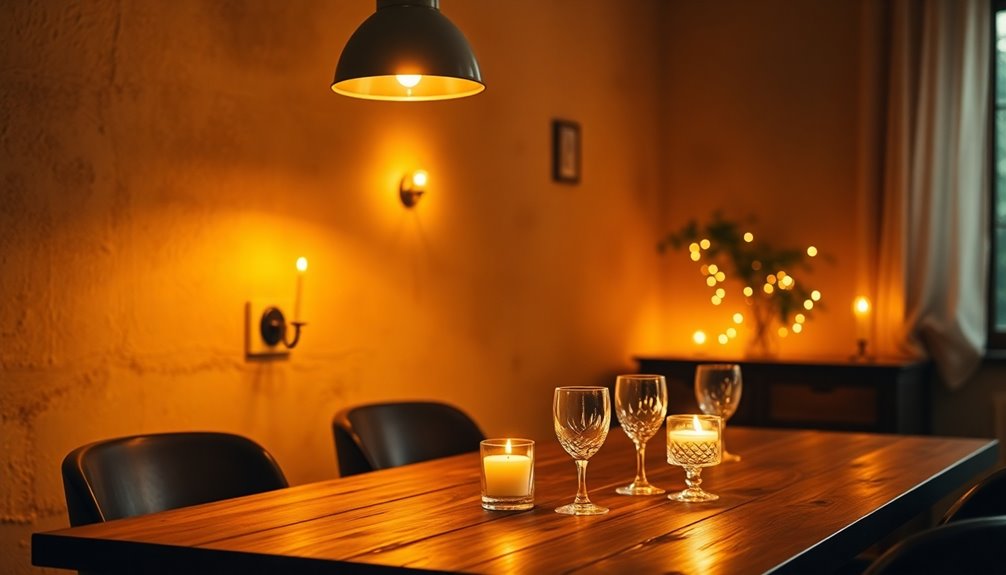
For instance, warmer colors—those ranging from 2700K to 3000K—tend to create a cozy, inviting atmosphere. Think soft yellows and warm whites; they encourage relaxation and promote intimacy, perfect for lounges or bedrooms. Conversely, cooler temperatures, typically around 4000K to 5000K, can improve focus and productivity, making them ideal for workspaces or kitchens. These cooler hues mimic daylight, energizing your space as well as keeping it fresh and dynamic.
It's important to understand temperature effects not just in isolation but in how they interact with your existing decor and furniture. Layering different color temperatures can add depth and interest. For example, combine warm ambient lighting with cooler task lights to create a balanced environment that adapts to various activities and moods throughout the day.
Frequently Asked Questions
How Can I Choose the Right Light Fixtures for My Space?
Choosing the right light fixtures for your space starts with comprehending its functionality. Think about how you'll use each area—whether it's for relaxation, work, or entertaining. Explore various fixture styles like pendant lights for a modern touch or sconces for a classic feel. Don't shy away from innovative designs that can improve your space's aesthetic as you provide the right amount of light. Experiment until you find the perfect balance that suits your needs.
What Are the Best Dimmer Switches for Layered Lighting?
When you're looking to play with the atmosphere in your space, selecting the right dimmer switches can be a significant advantage. Consider versatile dimmer types like leading-edge or trailing-edge for smooth adjustments. Verify you check switch compatibility with your light fixtures, as not all dimmers work with every bulb type. By choosing innovative options, you'll effortlessly improve your environment, making it perfect for any occasion, whether it's a cozy evening or a lively gathering.
How Do I Maintain My Lighting Fixtures?
To maintain your lighting fixtures, start with regular fixture cleaning to keep them looking fresh and lively. Dust and grime can dull their shine, so use a soft cloth and gentle cleaner. Don't forget about bulb replacement; keeping bulbs in top condition guarantees maximum brightness and energy efficiency. Consider innovative LED options for longevity and style. By staying proactive with these tasks, you'll improve both the functionality and aesthetic appeal of your space.
Can I Use Smart Lighting for Layering Effects?
Sure, you could use smart lighting for layering effects, but why not just stick to candles and mood rings, right? Seriously, smart bulbs let you play with color temperature to create a variety of atmospheres. You can customize everything from a cozy warm glow for movie night to a lively hue for your dance party. So, embrace the innovation—turn your space into a lighting wonderland that fits your every mood!
What Are Common Mistakes in Layering Lighting?
When layering lighting, you might overlook layers that create depth and interest. One common mistake is ignoring the impact of color temperature; using mismatched temperatures can disrupt the ambiance you want. Make sure to balance warm and cool lights to improve your space. Moreover, avoid relying solely on overhead lighting. Instead, incorporate floor and table lamps to create a more dynamic and innovative atmosphere that transforms your environment effectively.