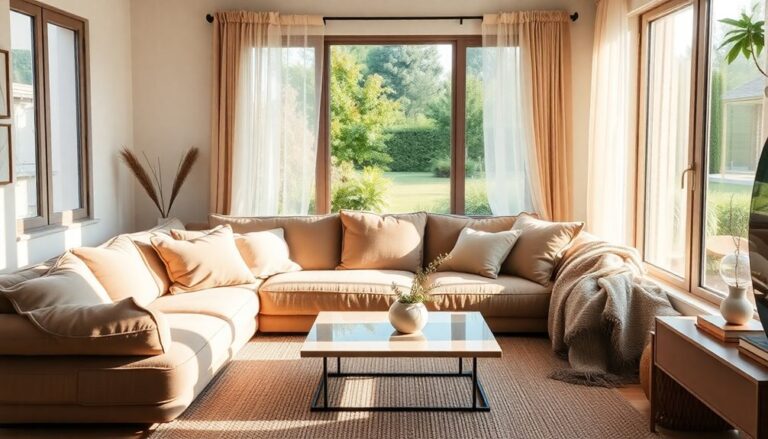
Rugs play an essential role in defining your interior spaces by enhancing both functionality and aesthetics. They create warmth and comfort as well as adding visual interest with colors, patterns, and textures. In open-concept layouts, rugs help delineate areas, guiding the flow of your home. A well-placed rug can anchor furniture and improve spatial organization, making your rooms feel more inviting. Whether you choose area rugs for living spaces or runners for hallways, their impact is significant. Explore how the right rug choice can uplift your design and reflect your personal style in your home.
Importance of Rugs in Design
Rugs play a pivotal role in interior design, serving not just as decorative elements but as functional pieces that can transform a space. When you choose the right rug, you're not merely adding a layer of comfort; you're additionally making a statement. Rugs can symbolize warmth, hospitality, and even creativity, nurturing an inviting atmosphere that encourages connection and interaction.
The materials you select for your rugs can greatly influence the overall vibe of your interior. Natural fibers like wool and cotton bring a sense of authenticity and sustainability, whereas synthetic materials can offer durability and lively patterns. You can experiment with textures, colors, and designs to craft a unique look that resonates with your personal style, making a bold statement or creating a serene retreat.
Incorporating rugs into your design further helps delineate spaces, especially in open-concept layouts. You can use a lively area rug to define a living space or a soft runner in a hallway to guide the flow. This strategic placement not only improves functionality but also adds depth and dimension to your interiors.
Ultimately, the importance of rugs in design goes beyond mere aesthetics. They reflect your values and lifestyle, bridging the gap between comfort and style. So, whether you're aiming for a chic, modern look or a cozy, eclectic feel, utilize the strength of rugs to uplift your space and express your individuality.
Types of Rugs and Their Uses
When choosing the right rug for your space, consider the versatility of area rugs, which can transform any room. If you need to improve your hallway, runner rugs provide a stylish and functional solution. For outdoor areas, durable outdoor rugs can withstand the elements as well as adding comfort and style.
Area Rugs Versatility
Transforming a space often starts with selecting the right area rug, as it can dramatically influence the room's atmosphere. Area rugs offer incredible versatility, allowing you to express your style and adapt to current rug trends. Whether you prefer bold geometric patterns or soft, muted hues, the perfect rug can be a game-changer.
Layering rugs is a popular technique that adds depth and texture to your design. You can mix different materials, sizes, and colors to create a unique and inviting space that reflects your personality. Here's a quick overview of common area rug types and their uses:
| Rug Type | Best Use | Style Impact |
|---|---|---|
| Persian Rugs | Formal settings | Timeless elegance |
| Jute Rugs | Casual, eco-friendly areas | Natural, rustic feel |
| Shag Rugs | Cozy, relaxed spaces | Soft, inviting texture |
Runner Rugs for Hallways
Hallways often serve as the arteries of your home, connecting various rooms and setting the tone for the entire space. To improve this essential area, incorporating runner rugs can make a significant difference. These rugs not just add warmth but additionally inject style and personality into your hallways.
Consider these runner rug styles that can uplift your hallway's aesthetic:
- Geometric Patterns: Bold designs can create visual interest and make a statement.
- Natural Textures: Materials like jute or sisal add an organic feel and are perfect for a rustic vibe.
- Vintage Persian: Timeless elegance, these rugs can bring a touch of sophistication and history.
- Modern Abstract: For a contemporary flair, choose colorful, abstract designs that reflect your unique taste.
When selecting runner rug materials, think about durability and maintenance. Wool offers luxury and resilience, whereas synthetic fibers are easy to clean and maintain. By thoughtfully choosing runner rugs, you'll not just improve your hallway's look but additionally create a welcoming atmosphere that resonates with your entire home.
Outdoor Rugs Durability
Although outdoor rugs can enhance the appearance of your patio or garden, their durability is vital for withstanding the elements. You want a rug that not only improves your outdoor aesthetics but additionally stands up to challenges like rain, sun, and foot traffic. Look for materials designed with weather resistance for peak performance. Rugs made from synthetic fibers like polypropylene offer impressive material longevity and UV protection, minimizing color fading over time.
When selecting an outdoor rug, consider slip resistance as a key feature, especially in high-traffic areas. You'll want to guarantee safety while maintaining style options that complement your space. Many innovative designs allow you to express your personality without sacrificing durability.
Cleaning techniques for outdoor rugs are also important. Opt for options that are easy to clean and maintain, guaranteeing they stay fresh and lively. With the right choice, your outdoor rug can withstand the elements while improving your outdoor living experience. Embrace the blend of function and style, and enjoy a space that's both beautiful and practical!
Creating Zones With Rugs
Using rugs to create zones in your space can clearly define functional areas, making it easier to navigate and enjoy your home. By strategically placing rugs, you can boost visual flow and connect different parts of a room. This simple addition not just adds style but additionally improves how you experience your living environment.
Defining Functional Areas
Regarding defining functional areas in your home, rugs can be your best ally. They offer a stylish means of establishing distinct functional zones, improving spatial delineation without the need for walls. By strategically placing rugs, you can create a sense of organization and flow in your space. Here are four innovative ways to utilize the strength of rugs:
- Living Room Oasis: Anchor your seating arrangement with a large rug that delineates the social area, creating a cozy atmosphere for gatherings.
- Dining Delight: Use a rug under your dining table to define the eating zone, adding warmth and a touch of elegance as well as protecting your floors.
- Home Office Haven: Position a rug beneath your desk to carve out a productive workspace, promoting focus and comfort during work hours.
- Reading Retreat: Place a soft rug in a corner with a chair and lamp to establish a literary nook, perfect for relaxation and escapism.
With these strategies, you'll not only improve functionality but also uplift the aesthetic appeal of your home. Let rugs redefine your space!
Enhancing Visual Flow
Rugs not merely define functional areas but also improve visual flow within your interior spaces. By carefully selecting rugs, you can create zones that encourage movement and interaction as you maintain a sense of visual continuity. Picture stepping from a cozy living area onto a lively rug that leads you seamlessly into the dining space. This not only improves the aesthetic appeal but also cultivates spatial harmony.
To achieve this, consider using rugs that complement each other in color, pattern, or texture. This approach ties different zones together, creating a cohesive look that invites exploration. You might opt for a bold geometric rug in the living area and a softer, more muted pattern in the dining space. The contrast can be striking while still promoting a sense of unity.
Moreover, think about the size and placement of your rugs. A well-placed rug can guide the eye and create a natural flow, making your space feel larger and more inviting. You'll find that by being intentional with your rug choices, you improve both the functionality and beauty of your home, ensuring every step feels connected and purposeful.
Enhancing Comfort and Warmth
A well-placed rug instantly transforms a cold, hard floor into a cozy retreat. It not just adds warmth but additionally improves comfort, creating an inviting space where you can unwind. By incorporating textural variety, rugs provide an important sensory experience that engages your senses and encourages relaxation.
Here are four ways to improve comfort and warmth in your interior spaces with rugs:
- Choose Soft Materials: Opt for plush materials like wool or shag that feel luxurious underfoot. These textures invite you to kick off your shoes and enjoy the tactile pleasure of walking on them.
- Layer Up: Don't hesitate to layer rugs. Combining different textures can create a unique sensory experience, adding depth and dimension as you keep your space warm and inviting.
- Define Areas: Use rugs to define specific areas within a room. For instance, placing a rug under a coffee table creates a cozy nook, making it feel more intimate and comfortable.
- Add Warmth with Colors: Although we won't explore colors just yet, keep in mind that warm-toned rugs can improve the overall warmth of a room, inviting you to linger longer.
Incorporating rugs thoughtfully not only raises the aesthetic of your space but additionally nurtures a sense of comfort. So, whether you're curling up with a book or hosting friends, a well-chosen rug will enrich your experience, making your home feel like a true haven.
Color and Texture Influence
Colors and textures play a significant role in shaping the atmosphere of your space. When you choose a rug, consider how its colors can evoke emotions and influence mood through color psychology. Warm colors like reds and oranges can energize a room, whereas cool hues like blues and greens can create a calming oasis. By comprehending the psychological impact of colors, you can curate an environment that reflects your personal style and improves your well-being.
Texture contrast is equally essential in creating visual interest. A plush, shaggy rug can soften sleek furniture lines, adding depth and dimension to your design. Conversely, a flat-weave rug can offer a minimalist touch that complements a more textured aesthetic. Balancing these elements can lead to a harmonious space that feels both inviting and innovative.
Here's a quick look at how different colors and textures can influence your interior design:
| Color | Emotional Effect | Texture Type |
|---|---|---|
| Red | Passion, Energy | Shag, Plush |
| Blue | Calm, Serenity | Flat-Weave |
| Yellow | Happiness, Cheerfulness | Woven, Natural Fiber |
| Green | Balance, Refreshment | Berber, Loop Pile |
Choosing the Right Size
Selecting the right size for your rug can dramatically change the overall feel of a room. The perfect rug dimensions can create harmony and balance, whereas the wrong size can disrupt the flow. To guarantee you choose wisely, consider these fundamental factors:
- Space Measurement: Before you shop, measure your space carefully. Knowing the length and width of the area will help you visualize how different rug sizes will fit into your design.
- Furniture Placement: Think about how your furniture will interact with the rug. Ideally, the front legs of your furniture should rest on the rug to establish a cohesive look. This can help define the seating area in an open floor plan.
- Room Purpose: Consider the function of the room. In high-traffic areas, you might want a smaller rug that fits snugly within the space to avoid tripping hazards. For a cozy living room, a larger rug can unify the seating arrangement.
- Visual Impact: Don't shy away from experimenting with scale. A big rug can make a bold statement in a smaller room, whereas a small rug can create an intimate feel in a larger space.
Maintenance and Care Tips
Regular maintenance is essential for keeping your rugs looking their best and extending their lifespan. To achieve rug longevity, you'll want to implement innovative cleaning techniques that fit your lifestyle. Start by vacuuming regularly—at least once a week. This simple act removes dirt and dust that can wear down fibers over time. For high-traffic areas, consider investing in a vacuum with a beater bar to lift debris effectively.
When it comes to spills, act quickly. Blot the stain with a clean cloth rather than rubbing it, which can damage the fibers. Use a mixture of water and a mild detergent to treat the area, but always test a small, inconspicuous spot first to avoid discoloration. For deeper cleaning, professional services can provide a thorough wash without compromising the rug's integrity.
Moreover, don't underestimate the strength of rotation. By rotating your rugs every six months, you can guarantee even wear and prevent fading from sunlight exposure. If your rug has fringes, be gentle during vacuuming—using a nozzle attachment can help avoid snagging.
Lastly, consider the environment. Avoid placing your rugs in overly humid areas, as moisture can lead to mold and mildew. By following these maintenance tips, you're not just preserving the beauty of your rugs but additionally enhancing the overall aesthetic of your space. With a little effort, your rugs will continue to be a stunning focal point in your home for years to come.
Rugs in Different Design Styles
Choosing the right rug can improve your interior design and complement various styles in your home. Whether you're aiming for a sleek modern minimalist vibe or a warm bohemian eclectic atmosphere, the right rug can tie the room together seamlessly. Here are four styles to ponder when selecting your rug:
- Modern Minimalist: Opt for rugs with simple geometric patterns or solid colors. A neutral palette works best, allowing the rug to serve as a subtle foundation for your decor without overwhelming the space.
- Bohemian Eclectic: Embrace lively colors and intricate designs. Layering multiple rugs of different textures can create a cozy, inviting feel. Don't shy away from mixing patterns—this style thrives on individuality and artistic expression.
- Scandinavian: Choose rugs with soft textures and muted tones. Natural fibers like wool or jute can bring warmth and comfort, aligning perfectly with the Scandinavian ethos of simplicity and functionality.
- Industrial: Go for a rug that features raw materials or distressed looks. A vintage or worn-out rug can add character and charm, contrasting beautifully with sleek furniture and stark architectural elements.
Sustainable Rug Options
A growing number of homeowners are prioritizing sustainable rug options that align with eco-friendly values. You might be surprised by how many innovative choices are available today. From organic cotton to recycled polyester, eco-friendly materials are no longer an afterthought; they're at the forefront of modern design. Choosing rugs made from such materials not only adds style to your space but also contributes to a healthier planet.
Fair trade production is another crucial aspect to contemplate. By opting for rugs that support fair trade practices, you're ensuring that artisans receive a fair wage and work in safe conditions. This commitment goes beyond just aesthetics; it nurtures a sense of community and responsibility. When you purchase a rug crafted through fair trade, you're investing in people and sustainable practices while enhancing your interior design.
Additionally, you'll find a variety of styles and colors that do not compromise on quality or beauty. Whether you prefer a chic contemporary look or a more traditional vibe, sustainable rugs can meet your aesthetic needs while adhering to your eco-conscious values.
As you explore sustainable rug options, keep in mind that the choices you make can have a profound impact. By selecting eco-friendly materials and supporting fair trade production, you're not just decorating your home; you're participating in a movement aimed at a more sustainable future. So go ahead, uplift your space with a rug that reflects both your style and your commitment to the planet.
Frequently Asked Questions
How Do Rugs Affect Room Acoustics and Sound Absorption?
You might be surprised to learn how rugs can greatly impact room acoustics. By incorporating rugs, you improve sound dampening, reducing echoes and background noise. Their fibers absorb sound waves, making your space feel cozier and more intimate. If you're seeking acoustic improvement, consider layering different textures and materials. This innovative approach not only enhances sound quality but likewise adds a stylish touch to your environment, creating a harmonious blend of form and function.
Can Rugs Be Used Outdoors or in High-Moisture Areas?
Absolutely, you can use rugs outdoors or in high-moisture areas, but you'll want to choose ones with outdoor durability and moisture resistance. Look for materials like polypropylene or treated fibers that stand up to the elements. These innovative options not just improve your outdoor space but likewise resist mold and mildew, keeping your area fresh and stylish. So go ahead, bring that cozy vibe outside without worrying about the weather!
What Are the Best Materials for Pet-Friendly Rugs?
When you're choosing pet-friendly rugs, look for durable fibers like nylon or polyester. These materials not only withstand wear and tear from your furry friends, but they as well offer excellent stain resistance. Some innovative options even feature moisture-wicking properties, making clean-ups easier. By selecting rugs with these qualities, you'll create a stylish yet practical space that accommodates your pets during maintaining a fresh, inviting atmosphere in your home.
How Can I Layer Rugs Effectively in My Decor?
To layer rugs effectively in your decor, explore innovative layering techniques that uplift your space. Start with a large, neutral base rug to anchor the room. Then, experiment with bold patterns or textures as your top rug, creating dynamic rug combinations. Don't shy away from mixing materials, like a jute base with a lively Persian top. Play with different shapes and sizes to improve visual interest as you maintain a cohesive look.
Do Rugs Help With Temperature Regulation in a Room?
Envision stepping into a cozy, vintage café where the plush rugs hug your feet. Rugs do help with temperature regulation in a room by providing temperature insulation, which improves thermal comfort. They trap heat during colder months, keeping your space warm and inviting. In summer, they can absorb excess moisture, preventing a chill. So, layering those stylish rugs isn't just about aesthetics; it's a smart move for a comfortable, innovative living environment!