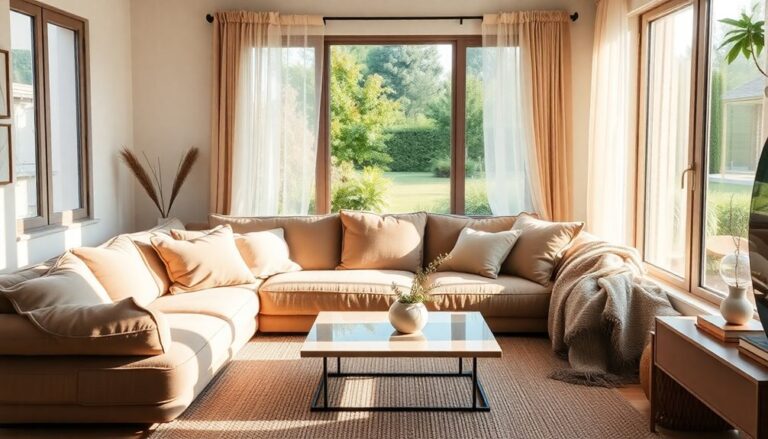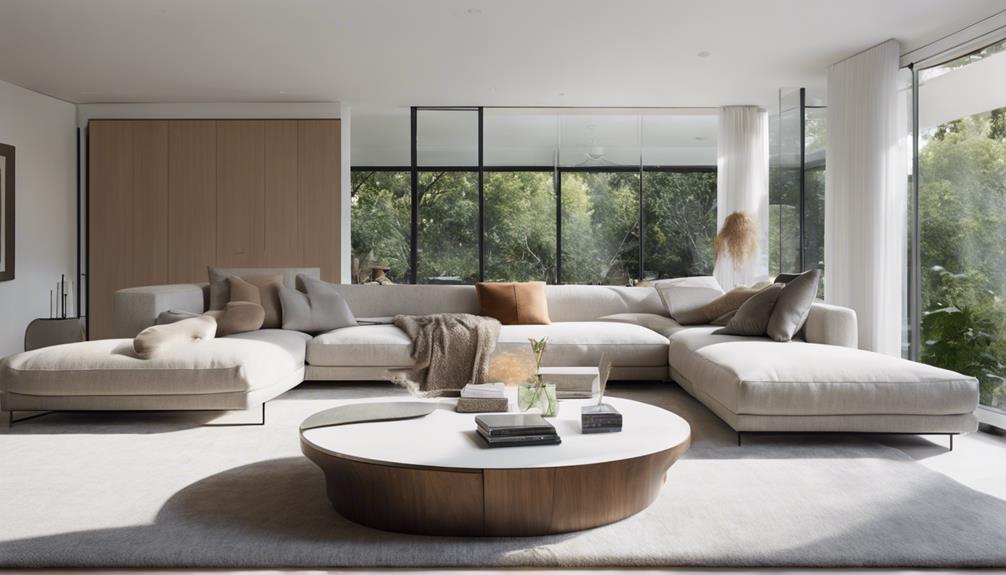

You're about to reveal the full potential of an ordinary space and guarantee an extraordinary transformation! Start by clearing the room and designing from scratch, feeling liberated from clutter and preconceived notions. Take precise measurements of the space, considering its purpose and atmosphere. Create a focal point with a statement piece, balancing visual weight for harmony. Guarantee smooth traffic flow by identifying paths and circulation zones. As you apply these fundamental principles, you'll be amazed at the difference. And, with a solid foundation in place, you're ready to unleash the full potential of your space – there's more to discover ahead!
Start With a Blank Slate
Clear the room of any furniture, decorations, or clutter to create a blank slate, allowing you to visualize the space in its entirety. This essential step gives you the freedom to design your space without any preconceived notions or constraints. You'll be surprised at how liberating it feels to purge clutter and start from scratch.
Measure Your Space Carefully
Take out your tape measure and carefully record the length, width, and any obstructions in the room, as accurate measurements are crucial to creating a functional and aesthetically pleasing space. Don't rely on rough estimates or guesswork, as this can lead to furniture that's too big or too small for the room. Instead, take your time to get precise measurements, including the location of doors, windows, and any other obstacles.
With your measurements in hand, you can start to think about the room's dimensions and how you want to use the space. Consider the room's purpose and how you want to feel when you're in it. Do you want to create a cozy atmosphere or a sense of openness? Accurate calculations will help you achieve your vision.
Remember to measure not just the room itself, but also the doorways, hallways, and any stairs that lead to the room. This will make certain that your furniture can fit comfortably through these spaces. By taking the time to measure your space carefully, you'll be able to create a harmonious and functional layout that makes you feel right at home. So, take your time, and get it right – your space will thank you!
Create a Focal Point
Now that you've got a solid understanding of your space, it's time to create a focal point that draws the eye and anchors the room, giving it a sense of purpose and visual appeal. A focal point can be a statement piece, such as a stunning piece of art, a vibrant rug, or a show-stopping chandelier. This visual anchor helps to ground the room and gives your furniture arrangement direction.
When choosing a focal point, consider what you want to highlight in the room. If you have a beautiful fireplace, make it the star of the show. If you've got a stunning view, position your furniture to take advantage of it. You can also create a focal point by grouping decorative items, like vases or sculptures, together to create a visually appealing vignette.
Balance and Symmetry Matter
When arranging furniture, you'll want to take into account the visual weight of each piece to achieve balance and symmetry in the room. You'll need to distribute that weight effectively, create centered focal points, and use mirrored elements to create a sense of harmony. By paying attention to these details, you'll be able to create a space that feels cohesive and inviting.
Visual Weight Distribution
By strategically placing furniture pieces, you can create a sense of balance and symmetry, which is important in visual weight distribution. This balance is vital in making a space feel harmonious and inviting. When arranging furniture, you want to aim for a visual hierarchy, where the eye is drawn to certain pieces and then moves to others in a natural flow. This creates a sense of spatial tension, which keeps the space engaging and interesting.
To achieve visual weight distribution, consider the following:
- Size and scale: Balance large pieces with smaller ones to avoid overwhelming the space.
- Color and texture: Mix different hues and textures to add depth and visual interest.
- Shape and form: Combine rounded and angular shapes to create a sense of harmony.
- Light and dark: Balance light and dark colors to create a sense of balance.
- Positive and negative space: Balance filled spaces with empty ones to create a sense of flow.
Centered Focal Points
Creating a centered focal point in your space draws the eye directly to it, establishing a sense of balance and symmetry that anchors the entire room. This focal point can be a stunning piece of art, a statement piece of furniture, or even a beautifully arranged vignette. When placed strategically, it creates a sense of cohesion and harmony in the space. To achieve this, consider the rug placement and furniture grouping in your room. Place your rug in a way that creates a sense of symmetry, and then arrange your furniture around it in a way that creates a sense of balance. For example, if you have a large sectional sofa, place it against a wall and balance it with a console table on the opposite side of the room. This will create a sense of equilibrium and make the space feel more inviting. By creating a centered focal point, you'll create a sense of belonging in your space, making it feel cozy and welcoming to you and your guests.
Mirrored Elements
Mirrored elements, such as a pair of identical vases or lamps, can be strategically placed on either side of a centered focal point to amplify the sense of balance and symmetry in your space. This technique creates a sense of harmony and visual appeal, making your space feel more welcoming and inviting.
Here are some ways to incorporate mirrored elements into your space:
- Use identical lamps or vases on either side of a console table or shelf to create a sense of balance.
- Place a pair of mirrors on either side of a fireplace or piece of art to create a sense of symmetry.
- Repeat a pattern, such as a geometric shape or a botanical print, on either side of a room to create a sense of harmony.
- Incorporate reflective accents, such as metallic vases or glass decor, to add depth and visual interest to your space.
- Use mirrored elements to create a sense of continuity between different areas of your space, such as between a living room and dining room.
Consider Traffic Flow Paths
As you map out your furniture arrangement, identifying the traffic flow paths in your space is essential to avoiding cluttered corridors and ensuring a smooth, effortless journey from one area to another. You want to create a sense of flow and continuity, allowing you and your loved ones to move freely and comfortably throughout your home.
To achieve this, start by identifying the circulation zones in your space. These are the areas where people tend to move through, such as hallways, doorways, and corridors. Once you've pinpointed these zones, consider the pathway obstacles that might be hindering the flow. Are there any pieces of furniture that are too large or bulky, blocking the way? Are there any tight corners or narrow passages that make it difficult to navigate?
Don't Forget About Negative Space
You'll want to deliberately leave some breathing room in your layout, because negative space is what prevents your space from feeling cramped and overwhelming. Negative space, also known as "white space," is the empty area between and around furniture pieces. It's essential for creating a sense of visual calm and making your space feel more spacious.
Here are a few tips to help you incorporate negative space into your layout:
- Don't push furniture against the walls: Pulling furniture away from the walls can create a sense of flow and make the room feel larger.
- Leave space between pieces: Aim for at least 30-40 inches of space between furniture pieces to create a comfortable flow.
- Consider the "traffic lane": Leave enough space between furniture for people to move through comfortably, about 3-4 feet.
- Use rugs to define spaces: Rugs can help define different areas within a room and create a sense of negative space.
- Edit, edit, edit: Don't be afraid to remove items that are cluttering up your space and making it feel cramped.
Frequently Asked Questions
How Do I Handle Furniture With Unusual Shapes or Angles?
When dealing with furniture having unusual shapes or angles, you'll want to think creatively. You can use curved layouts to soften angular accents or incorporate geometric patterns to create visual interest. Don't be afraid to try asymmetrical arrangements – they can add a unique touch to your space. By embracing these unconventional pieces, you'll create a space that truly reflects your personality, making you feel right at home.
Can I Use Rugs to Define Different Areas in an Open-Plan Space?
You're wondering if rugs can help define different areas in an open-plan space, right? The answer is yes! By strategically placing rugs, you can create zones and establish a sense of border creation. This will help you segment the space, making it feel cozier and more intimate. Think of it as creating micro-areas within the larger space, making it easier to relax and unwind.
What if I Have a Lot of Heavy, Dark Furniture in a Small Room?
You're worried about a small room feeling cramped with heavy, dark furniture. Don't worry, you can create a lightening effect to make the space feel more airy! Try placing lighter-colored rugs and throws around the room to create space illusions. You can also swap out heavy curtains for sheer ones to let in more natural light. By doing so, you'll create a sense of breathability, making your small room feel more spacious and inviting.
How Do I Balance Furniture Styles in a Room With Mixed Decor?
You’re a master of mixing and matching, and your eclectic mix of furniture styles is a true reflection of your unique taste! But, let’s face it, it’s like trying to tame a thousand wild horses – it can get overwhelming. To balance your furniture styles, look for common threads, like a shared era or material, to create a sense of cohesion. Use style bridges, like a vintage rug or a statement light fixture, to tie everything together. Voilà! Your space will be a beautiful, harmonious mess. Additionally, don’t hesitate to incorporate personal touches, such as art or accessories that resonate with your personality. Upcycling old furniture ideas can provide both charm and practicality, allowing you to inject even more character into your space while being environmentally conscious. By creatively repurposing items from different eras, you can further enhance the eclectic vibe, transforming your home into a curated gallery of your life’s story.
Can I Use Ceiling Height to Create the Illusion of More Space?
You can definitely use ceiling height to create the illusion of more space! To do this, focus on vertical lines that draw the eye upward, like floor lamps or tall vases. Hang floor mirrors to reflect light and make the room feel more spacious. And, opt for light colors on walls and furniture to create a sense of airiness. By incorporating these elements, you'll be amazed at how much larger your space will feel!