The odyssey from script to screen in animation involves several vital steps. First, you develop concepts and characters that resonate with your audience. Then, you write the script, refining dialogue and pacing through multiple drafts. Next, you create storyboards to visually represent your narrative, enhancing it with thoughtful designs and color palettes. During production, you choose the right animation techniques, whether it's 2D, 3D, or stop motion. Finally, post-production brings everything together, adding sound and visual effects. Each stage builds on the last, shaping an enthralling experience that's ready for audiences. There's so much more to explore in this process!
Concept Development
Concept development is the fundamental first step in any animation project, where ideas begin to take shape like clay in an artist’s hands. In this phase, you’ll explore the core concepts that will drive your narrative and visual storytelling. This is where inspiration ignites, allowing you to craft unique character arcs that resonate with your audience. Think about how your characters evolve throughout the story; their growth can mirror the overarching themes you wish to convey. As you delve deeper into character relationships and potential conflicts, consider how these dynamics can enhance the emotional impact of your story. It’s also important to reflect on how animation enhances understanding, as visual elements can convey complex ideas and emotions that words alone may struggle to express. By blending innovative visuals with compelling narratives, you can create a rich tapestry that draws viewers in and encourages them to connect with the story on a deeper level.
As you brainstorm, consider the visual themes that will define your animation's aesthetic. Visual motifs can improve storytelling, creating cohesive imagery that reinforces character emotions and plot progression. You might experiment with color palettes, shapes, and styles that reflect the essence of your characters and their expeditions.
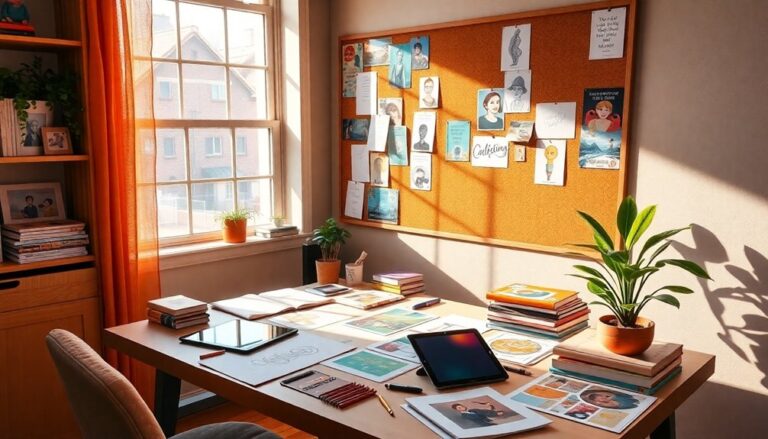
Don't shy away from sketching out your ideas, whether through mood boards or rough character designs. Each visual element should harmonize with the character arcs you've outlined, ensuring a seamless connection between narrative and aesthetics. This is likewise the time to think outside the box, challenging traditional norms and igniting innovation in your approach.
Scriptwriting Process
Crafting a script is where your animation's story truly comes to life. This is the stage where your ideas take shape and your characters begin to breathe. Start by focusing on character development. You want your audience to connect with your characters, so dig deep into their motivations, desires, and flaws. Each character should feel authentic, with distinct voices that resonate throughout the narrative.
Once you've fleshed out your characters, it's time to refine the dialogue. Dialogue refinement is essential; it's not just about what your characters say, but how they say it. Consider their backgrounds and personalities—this will influence their speech patterns and word choices. Aim for a natural flow that improves the story as you keep the audience engaged.
As you write, keep in mind that pacing matters. Keep your scenes dynamic and confirm that the dialogue propels the story forward. Don't shy away from rewriting; great scripts are often born from multiple drafts. Each iteration allows you to polish character arcs and sharpen dialogue, leading to a more cohesive and compelling narrative.
Finally, gather feedback from trusted peers. Fresh perspectives can help you identify areas for improvement that you might have overlooked. Embrace the revisions, and don't forget that this isn't just a script; it's the foundation of an animated world waiting to be explored. So, roll up your sleeves and get ready to transform your imaginative ideas into a script that captivates audiences.
Storyboarding and Design
Storyboarding and design are vital steps that visually translate your script into a dynamic narrative. This is where your characters spring to life, and the world you've envisioned begins to take shape. As you sketch out scenes, you're not just creating visuals; you're crafting the emotional experience of your audience.
In this phase, effective character design is imperative. It defines who your characters are and how they interact with their environment. Each design choice should serve your story, enhancing visual storytelling and driving engagement.
Here's a simple table to illustrate key elements in storyboarding and design:
| Element | Purpose |
|---|---|
| Character Design | Establishes personality and relatability |
| Scene Composition | Guides viewer focus and narrative flow |
| Color Palette | Sets mood and tone |
| Key Frames | Highlights pivotal moments in the story |
| Transitions | Creates seamless movement between scenes |
As you develop your storyboard, think about pacing and how each frame connects. Visual storytelling is all about rhythm; it's the heartbeat of your animation. Consider how the design elements work together to evoke emotion and communicate your message effectively. By approaching storyboarding with innovation, you create a compelling visual narrative that resonates deeply with your audience, setting the stage for the next phase of your animation adventure.
Animation Production Techniques
In the domain of animation production techniques, grasping the various methods available is crucial for bringing your vision to life. Whether you're a seasoned animator or just starting out, comprehending these techniques will improve your storytelling and artistic expression. Here are some key aspects to reflect upon:
- 2D Animation: Traditional hand-drawn or digital methods that bring characters and scenes to life with fluid movement.
- 3D Animation: Utilizing software to create three-dimensional characters and environments, adding depth and realism.
- Stop Motion: Capturing and manipulating physical objects frame by frame to create a unique, tactile aesthetic.
- Motion Graphics: Combining graphic design and animation styles to create visually engaging content, often used in titles and advertisements.
Each of these animation styles offers unique possibilities for character design and narrative delivery. For instance, in 2D animation, you can experiment with different styles ranging from whimsical to realistic, whereas 3D animation allows for intricate details and lifelike movements. Stop motion can evoke nostalgia, improving emotional connections, and motion graphics can simplify complex concepts through visual storytelling.
As you explore these techniques, don't shy away from blending styles or inventing new methods. The animation world thrives on innovation, so embrace experimentation. With a solid grasp of these techniques, you're well on your way to transforming your ideas into enchanting animated stories that resonate with audiences.
Post-Production and Release
How do you guarantee your animated project shines after the final frame is complete? The magic of post-production is where your vision truly comes to life. This stage is essential, as it allows you to refine and improve every aspect of your animation. Start by exploring sound design. It's not just background noise; it's the heartbeat of your project. Carefully chosen sound effects and music can create emotional depth, drawing your audience deeper into the story. Experiment with layering sounds to build an immersive auditory experience that complements your visuals.
Next, don't underestimate the strength of visual effects. These elements can transform a good animation into a stunning visual feast. Whether it's adding subtle lighting effects or creating complex simulations, the right visual effects can boost your project to new heights. Take the time to experiment with different techniques, pushing the boundaries of what your animation can achieve.
Finally, as you polish your project, keep the audience's experience in mind. Test screenings can provide invaluable feedback, allowing you to tweak elements that may not resonate as intended. Once you're satisfied, it's time to reflect on the release strategy. Utilize social media and online platforms to generate buzz, ensuring your animation reaches a broad audience.
Frequently Asked Questions
How Long Does the Entire Animation Production Process Typically Take?
The entire animation production process usually takes several months to a few years, depending on the project's complexity. You'll find that the production timeline involves multiple workflow stages, including pre-production, production, and post-production. Each stage demands creativity and innovation to keep the project on track. By streamlining these stages, you can improve efficiency and potentially shorten the overall timeline, leading to faster, high-quality results in your animated work.
What Software Is Most Commonly Used in Animation Production?
In the lively world of animation, your canvas bursts with possibilities. You'll find that the most common animation software includes potent tools for 3D modeling, like Blender or Maya, which sculpt your visions into reality. For animation, After Effects and Toon Boom shine brightly, as rendering techniques like Arnold or V-Ray bring your creations to life. Don't forget storyboarding tools such as Storyboard Pro to map out your expedition before plunging into the magic!
How Do Animators Stay Inspired Throughout the Project?
To stay inspired throughout the project, you should tap into various creativity sources, like nature, art, or even music. Regularly collaborating with your team can ignite fresh ideas and perspectives, helping you push boundaries. Encourage open discussions and brainstorming sessions; sharing thoughts often leads to innovative breakthroughs. Don't forget to take breaks to recharge your mind—sometimes, inspiration strikes when you least expect it. Keep the momentum going, and your creativity will flourish!
What Are the Biggest Challenges Faced During Animation Production?
They say, "A smooth sea never made a skilled sailor." In animation production, you face challenges like perfecting storyboarding techniques and coordinating voice acting. Balancing artistic vision with deadlines can be tough, and managing communication between teams adds complexity. You'll need to innovate constantly, adapting to feedback as you maintain your creative flow. Embrace these hurdles, and you'll not just improve your skills but additionally raise your final product to new heights.
How Do Animators Ensure Character Consistency Throughout the Film?
To guarantee character consistency throughout a film, you'll want to focus on character design and visual continuity. Animators create detailed reference sheets that establish each character's proportions, colors, and expressions. By sticking to these guidelines, you maintain a unified look across scenes. Regular reviews and feedback loops help catch any inconsistencies early. Embracing innovative techniques, like digital tools for tracking changes, can improve your ability to keep characters true to their design.