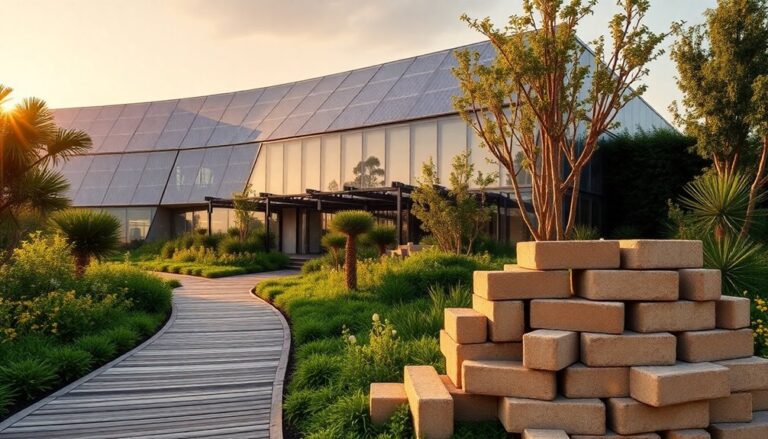
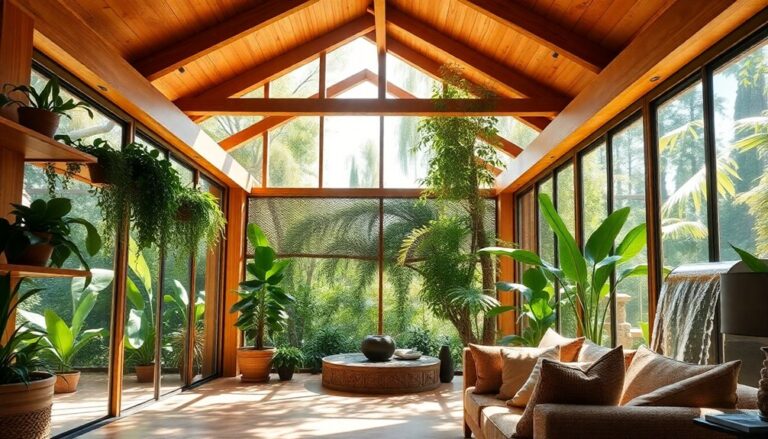
Architectural visions for future cityscapes focus on sustainability, smart technology, and community-friendly designs. Architects increasingly incorporate sustainable materials and biophilic elements, enhancing well-being during reducing environmental impacts. Smart city technologies enable real-time data integration, optimizing urban management and resource allocation. Green spaces emerge as essential for nurturing community interactions and urban biodiversity. Innovative transportation systems, including autonomous vehicles, promise to transform mobility and promote economic growth. Through modular and adaptive architecture, cities can evolve as they preserve their historical essence. Exploring these exciting developments reveals a future where lively city life and sustainability coexist harmoniously.
Sustainable Building Materials
In recent years, an increasing number of architects and builders have turned to sustainable building materials to minimize environmental impact. This shift reflects a growing recognition of the need for eco-friendly innovations that not merely improve aesthetic appeal but also serve functional purposes. By utilizing recycled materials, they're reducing waste and conserving resources during the process of ensuring durability and resilience.
Biophilic design has emerged as an influential approach, integrating natural elements into structures to promote well-being and productivity. Locally sourced materials further amplify this effect, supporting regional economies and reducing transportation emissions. Architects employ passive design strategies to improve energy efficiency, maximizing natural light and air circulation to lower energy consumption.
The application of energy-efficient technologies is essential in modern construction. Builders leverage advanced insulation and smart systems that monitor energy use, driving down the carbon footprint of buildings considerably. Life cycle assessment plays an important role in evaluating the impact of materials from inception to disposal, ensuring that choices made today benefit future generations.
Zero waste architecture is gaining traction, challenging traditional practices to create buildings that generate minimal waste during construction and throughout their lifespan. Sustainable certifications, such as LEED and BREEAM, further validate these efforts, providing a framework for excellence in sustainable design.
As architects embrace these principles, they’re not solely constructing buildings; they’re crafting an influential legacy of sustainability that commands respect and inspires others to follow suit. The future of architecture hinges on these transformative practices, paving the way for resilient, thriving urban environments. By understanding parametric architecture principles, designers can create structures that are not only aesthetically pleasing but also responsive to their surroundings and the specific needs of their inhabitants. This innovative approach allows for greater efficiency in resource use and energy management, ultimately leading to a more harmonious relationship between built environments and nature. As more architects adopt these practices, we can expect to see a paradigm shift that prioritizes not just functionality but also the well-being of communities and the planet.
Smart City Technology
Smart city technology is revolutionizing urban environments through the integration of IoT in infrastructure, enabling real-time data collection and analysis. This shift allows for data-driven urban planning that improves efficiency and sustainability. Furthermore, sustainable energy solutions are becoming crucial components that support both technological advancements and environmental goals.
IoT Integration in Infrastructure
Cities are swiftly evolving into interconnected ecosystems, thanks to the integration of Internet of Things (IoT) technology in infrastructure. This transformation equips urban environments with smart sensors that collect invaluable data, facilitating robust network connectivity. Through advanced data analytics, city planners can achieve infrastructure optimization, ensuring resources are utilized efficiently and effectively.
Real-time monitoring allows municipal leaders to track everything from traffic patterns to energy consumption instantaneously, enabling informed decision-making. Predictive maintenance becomes possible as automated systems identify potential issues before they escalate, saving time and costs as well as improving public safety. These innovations cultivate user engagement, as citizens can access information and services directly, contributing to a more responsive governance model.
The integration of IoT in infrastructure not only improves operational efficiency but furthermore elevates the quality of life for residents. By leveraging the capabilities of technology, cities position themselves as leaders in sustainability and innovation. As urban environments continue to adapt, the potential for smart city technology to redefine the urban experience is limitless, paving the way for a future where connectivity and intelligence shape every facet of city life.
Data-Driven Urban Planning
Data-driven urban planning transforms how cities design and manage their spaces. By leveraging data visualization techniques, urban planners can clearly present complex datasets, enabling stakeholders to grasp the implications of various planning decisions. This clarity promotes informed discussions among city officials, developers, and the public, ensuring that everyone involved understands the potential impacts of their choices.
Predictive analytics plays a vital role in anticipating future urban challenges. By analyzing historical data trends, planners can forecast population growth, traffic patterns, and resource needs, allowing them to allocate resources more effectively. This strategic foresight empowers cities to address issues before they escalate, ensuring sustainable growth and improved quality of life for residents.
Furthermore, data-driven approaches encourage collaboration among various sectors, breaking down silos that often hinder progress. When different departments share insights and data, they can create more cohesive and integrated urban environments. In the end, adopting data-driven urban planning not only improves efficiency but also positions cities as leaders in innovation and sustainability. In a swiftly changing world, embracing such technology is fundamental for any city that aspires to thrive and maintain its competitive edge.
Sustainable Energy Solutions
Innovative energy solutions are reshaping urban environments, making them more sustainable and efficient. Cities are increasingly adopting a blend of solar energy, wind energy, and geothermal heating to energize their infrastructures. This shift not only improves energy efficiency but additionally promotes carbon neutrality, vital for combating climate change.
Eco-friendly innovations like energy storage systems enable cities to utilize renewable energy effectively, ensuring a consistent supply even during peak demand. Moreover, integrating sustainable transport options reduces reliance on fossil fuels, promoting cleaner air quality.
| Energy Source | Advantages | Applications |
|---|---|---|
| Solar Energy | Renewable, abundant | Streetlights, buildings |
| Wind Energy | Low operational cost | Turbines, parks |
| Biomass Energy | Utilizes waste | Heating, electricity generation |
| Hydropower Solutions | Reliable and efficient | Dams, rivers |
Green Spaces and Urban Nature
Numerous studies highlight the crucial role that green spaces and urban nature play in improving city life. As urban areas expand, integrating nature into the urban fabric becomes a necessity, not merely a luxury. Embracing biophilic design can greatly influence public health, promote community bonds, and strengthen urban biodiversity.
Consider the following influential strategies to transform cityscapes:
- Green Roofs: These structures not only provide insulation but additionally create habitats for urban wildlife, contributing to ecological corridors that enrich biodiversity.
- Community Gardens: By inviting residents to engage in cultivating their own food, these gardens reinforce community ties while promoting sustainable practices and improving local food security.
- Public Parks: Thoughtfully designed parks serve as critical green infrastructures, offering respite from urban hustle and bustle, encouraging outdoor activities, and enhancing mental well-being.
Incorporating nature-based solutions within urban planning raises landscape architecture to new heights. By prioritizing green spaces, cities can combat urban heat and air pollution while improving the overall quality of life. The integration of ecological corridors within urban environments not only supports urban wildlife but also allows for a seamless connection between nature and urban dwellers. In the end, advancing green spaces and urban nature can redefine the essence of modern cityscapes, enabling communities to thrive in synergy with their surrounding environment. The future of urban living hinges on these transformative visions, and it's time to act decisively.
Modular and Adaptive Architecture
As cities embrace green spaces, they similarly need to rethink their architectural approaches to accommodate a swiftly changing urban environment. Modular and adaptive architecture offers a potent solution, enabling urban developers to create structures that respond dynamically to the needs of their inhabitants. Modular design allows for the construction of buildings in prefabricated segments, which can be efficiently assembled on-site. This method not only accelerates the construction process but also reduces waste, aligning with sustainability goals.
Adaptive reuse further improves the potential of modular architecture by transforming existing structures into functional spaces that serve modern demands. By repurposing old buildings, cities can preserve their historical essence while integrating contemporary design. This approach minimizes the environmental impact associated with new construction, as it utilizes existing materials and infrastructure.
Furthermore, the flexibility inherent in modular systems means that buildings can evolve over time. As populations grow or shift, modular components can be added or removed, ensuring that urban environments remain relevant and functional. This adaptability empowers city planners and architects to craft spaces that reflect the changing dynamics of urban life.
Ultimately, modular and adaptive architecture not only promotes efficiency and sustainability but also positions cities to thrive in an unpredictable future. By embracing these innovative approaches, urban leaders can assert control over their environments, creating potent, resilient cityscapes that cater to the aspirations of their citizens.
Community-Centric Design
Modern urban development increasingly prioritizes community-centric design, recognizing the fundamental role that public spaces play in enhancing social interactions. This approach amplifies neighborhood engagement, encourages inclusivity, and cultivates a sense of belonging. By placing the community at the heart of urban planning, architects and city planners create lively environments that empower residents and stimulate local economies.
Key elements of community-centric design include:
- Accessible Public Spaces: Parks, plazas, and recreational areas are strategically placed within neighborhoods, inviting residents to gather, socialize, and collaborate. These spaces are vital for nurturing community ties.
- Public Art Initiatives: Integrating public art into urban settings transforms ordinary spaces into extraordinary experiences. Murals, sculptures, and installations not just beautify the environment but additionally reflect the culture and history of the community, promoting pride and ownership.
- Flexible Gathering Spots: Designing multifunctional spaces that can accommodate various activities—markets, performances, and workshops—ensures that all voices are heard and valued. These gathering spots are fundamental for encouraging dialogue and collaboration among diverse community members.
Vertical Living Solutions
As urban populations grow, architects are focusing on sustainable high-rise designs that maximize space and resources. These vertical living solutions not merely aim to reduce environmental impact but additionally incorporate community integration strategies to promote social connections among residents. By blending innovative architecture with communal spaces, cities can improve livability in an increasingly vertical world.
Sustainable High-Rise Designs
In the quest for sustainable urban living, high-rise designs are emerging as a crucial solution for densely populated cities. These towering structures not only maximize limited space but also embody eco-friendly aesthetics that resonate with a forward-thinking society. Architects are pushing boundaries, creating innovative façades that improve energy efficiency and contribute to a greener skyline.
Consider the following elements that define sustainable high-rise designs:
- Vertical Gardens: Integrating greenery into building exteriors not only improves air quality but also provides insulation and natural beauty.
- Solar Panels: Capturing renewable energy through solar technology enables buildings to produce their own electricity, drastically reducing their carbon footprint.
- Water Recycling Systems: Advanced systems capture and repurpose rainwater, ensuring efficient water usage while minimizing waste.
These features represent a paradigm shift in how cities approach development. As urban centers continue to grow, sustainable high-rise designs will serve as influential symbols of progress, marrying modern living with environmental stewardship. The future of vertical living lies in these innovative structures, paving the way for a robust, sustainable urban environment that meets both human and ecological needs.
Community Integration Strategies
As urbanization continues to reshape city terrains, community integration strategies for vertical living solutions are becoming crucial to nurturing social cohesion. By adopting participatory design principles, architects and developers can cultivate environments where residents actively engage in shaping their communities. This approach empowers individuals, creating a sense of ownership and belonging that is fundamental for lively urban living.
The following table outlines key strategies for effective community integration in vertical living:
| Strategy | Description | Benefits |
|---|---|---|
| Mixed-Use Spaces | Incorporating retail and community facilities | Improves social interaction |
| Green Shared Areas | Creating communal gardens and recreational zones | Promotes well-being |
| Flexible Layouts | Designing adaptable living spaces | Accommodates diverse needs |
| Local Art Initiatives | Supporting local artists and cultural events | Celebrates community identity |
| Resident Workshops | Hosting design sessions with residents | Encourages community engagement |
Renewable Energy Integration
Cities of the future will utilize renewable energy to energize their dynamic ecosystems. This shift isn't merely a trend; it's an impactful movement toward sustainability that empowers communities and improves urban living. With state-of-the-art solar panel advancements and wind energy innovations leading the charge, these cities will redefine energy consumption and production.
- Integrated Solar Systems: Urban buildings will feature smart solar panels that adapt to varying sunlight conditions, maximizing energy capture and efficiency. These systems will not just power homes but will also feed energy back into the grid, creating a self-sustaining energy ecosystem.
- Vertical Wind Turbines: Capturing wind energy in urban environments will become commonplace, with innovative vertical turbines seamlessly blending into the architecture. These turbines will generate energy without the noise and space constraints of traditional models, making them ideal for densely populated areas.
- Energy Storage Solutions: Advanced battery technologies will allow cities to store excess energy generated during peak production times. This stored energy will provide a reliable source of electricity during high-demand periods, ensuring that cities remain lively and functional around the clock.
Autonomous Transportation Systems
Autonomous transportation systems will change urban mobility, complementing the renewable energy initiatives already reshaping city environments. These systems promise to transform how people and goods navigate urban spaces, greatly improving efficiency and reducing congestion. With the rise of autonomous vehicles, cities can expect a paradigm shift in both the design and functionality of transportation hubs.
Imagine lively transportation hubs seamlessly integrating autonomous vehicles into their operations. These hubs will serve as centralized points for passengers, providing access to fleets of self-driving cars, buses, and shuttles. They'll eliminate the need for individual car ownership, promoting a culture of shared mobility that maximizes resource use and minimizes environmental impact. As a result, cities can reclaim valuable real estate previously dedicated to parking, allowing for green spaces and community areas.
Furthermore, the data collected from autonomous vehicles will enable city planners to make informed decisions about infrastructure. Real-time analytics will optimize traffic patterns, predict transportation demands, and improve overall safety. By leveraging this technology, urban environments can evolve into dynamic ecosystems that adapt to the needs of their inhabitants.
In this vision of the future, autonomous transportation systems not merely streamline mobility but additionally empower citizens, giving them greater access to opportunities and experiences. As cities embrace these innovations, they position themselves at the forefront of a sustainable and technologically advanced future, ensuring they remain competitive and lively in a swiftly changing world.
Frequently Asked Questions
How Will Future Cityscapes Impact Local Wildlife and Ecosystems?
Future cityscapes will considerably impact local wildlife and ecosystems. As urban biodiversity declines, cities must integrate green infrastructure to create habitats for various species. By incorporating parks, green roofs, and wildlife corridors, urban planners can cultivate a balanced ecosystem amidst concrete jungles. This proactive approach not merely improves the environment but additionally empowers communities to thrive alongside nature, ensuring that both human and wildlife populations flourish in harmony and resilience.
What Role Do Residents Play in Planning Future City Designs?
Studies show that engaged communities see a 40% increase in satisfaction with local designs. Residents play an essential role in planning future city designs by providing valuable feedback that shapes projects. Their active participation in community engagement guarantees that developments align with their needs and preferences. By voicing their opinions, residents empower themselves and influence decision-makers, nurturing a sense of ownership and responsibility for the spaces they inhabit and cherish.
How Can Future Cities Address Social Inequalities?
Future cities must tackle social inequalities head-on. By prioritizing affordable housing, they can guarantee that all residents have access to safe living conditions. Inclusive design plays a vital role in creating spaces that cater to diverse communities, nurturing a sense of belonging. Decision-makers should actively involve marginalized groups in planning processes, making certain their voices are heard. This approach not just promotes equity but additionally empowers all citizens to share in the city's prosperity.
What Are the Costs Associated With Implementing These Architectural Visions?
When a city dreams of transforming its skyline, it must grapple with significant costs. For instance, a budget analysis for a proposed urban renewal project could reveal a staggering shortfall. Without diverse funding sources, like public-private partnerships or grants, those visions might remain just that—dreams. Effective leadership requires maneuvering through these financial terrains to guarantee that every dollar invested contributes to a city's growth and prosperity, eventually shaping a lively community for all.
How Can We Ensure Cultural Heritage Is Preserved in New Developments?
To guarantee cultural heritage is preserved in new developments, stakeholders must prioritize heritage integration and adaptive reuse. By incorporating existing historical elements into modern designs, they can create spaces that honor the past as well as serving contemporary needs. Decision-makers should advocate for policies that incentivize developers to maintain significant structures, nurturing a community identity that resonates with residents. This approach not solely enriches the urban environment but likewise strengthens the connection between history and modern living.