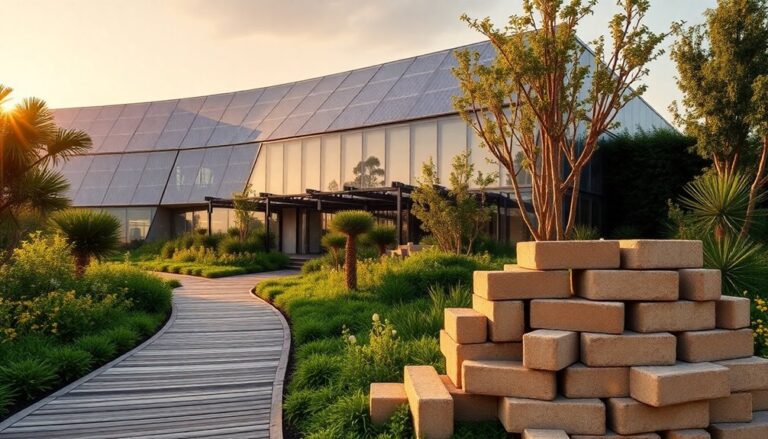
Parametric architecture transforms the design environment by utilizing algorithms and computational tools to generate dynamic, adaptable structures. This approach nurtures collaboration among stakeholders, enhancing sustainability by optimizing resources and reducing waste. Influenced by historical movements like Deconstructivism, it has evolved into a field that embraces flexibility and responsiveness, allowing for innovative architectural possibilities. Notable examples, such as the Heydar Aliyev Center and the Guggenheim Museum, showcase its profound impact. As architects embrace future trends focused on sustainability and advanced technologies, the conversation around parametric architecture continues to grow. There's much more to uncover about this transformative discipline.
Definition of Parametric Architecture
Parametric architecture refers to a design approach that utilizes algorithms and computational tools to manipulate and generate architectural forms. This innovative method enables architects to craft dynamic structures, responding adeptly to various parameters such as environmental conditions, material properties, and user requirements. By leveraging parametric design, architects can explore an extensive range of possibilities, breaking free from traditional constraints and embracing a new era of architectural evolution.
The essence of parametric architecture lies in its ability to create complex geometries and optimize performance through data-driven decision-making. It enables architects to simulate and analyze potential designs before execution, ensuring that every project not only meets aesthetic aspirations but likewise adheres to functional and environmental standards. This capability positions architects at the forefront of the design process, allowing them to wield greater control and precision over their creations.
As the architectural terrain continues to evolve, parametric design stands as a proof of the influence of technology in reshaping built environments. By fusing creativity with computational intelligence, architects can respond to the demands of the modern world, crafting spaces that are not only visually striking but likewise sustainable and efficient. The future of architecture hinges on this transformative approach, where the synergy between human ingenuity and algorithmic precision paves the way for groundbreaking innovations. In this domain, the potential for influence and significance is immense, as architects redefine the very nature of how structures are conceived and realized.
Key Principles and Concepts
A fundamental aspect of parametric architecture is the emphasis on relationships between variables and their impact on design outcomes. This approach utilizes the strength of parametric design to create dynamic, responsive structures that adapt to specific conditions and requirements. By defining parameters and constraints, architects wield these variables to explore a vast spectrum of design possibilities, leading to innovative solutions that push the boundaries of traditional architectural aesthetics.
In parametric architecture, geometry is not static; it evolves based on the interplay of defined factors such as environmental conditions, material properties, and user interactions. This flexibility grants architects the ability to create bespoke solutions customized to their clients' needs during the process of enhancing functionality. The result is a design process that is not merely efficient but significantly collaborative, involving stakeholders at multiple levels.
Additionally, parametric architecture boosts sustainability by enabling the optimization of resources. Architects can simulate various scenarios to assess the environmental impact of their designs before construction begins. This proactive approach guarantees that every project contributes positively to its surroundings.
Ultimately, the key principles of parametric architecture revolve around flexibility, responsiveness, and optimization. By utilizing advanced computational tools, architects can achieve a level of precision and creativity that transforms their vision into reality. Embracing these concepts grants architects the ability to redefine the future of built environments, merging form and function in ways that resonate with both users and the broader community.
Historical Context and Evolution
Emerging from the foundations of traditional architectural practices, parametric architecture has undergone significant evolution since its inception. This design approach doesn't merely arise in a vacuum; it draws heavily from various historical influences and architectural movements. The late 20th century laid crucial groundwork, as architects began to challenge conventional forms and rigid rules. Influences from movements like Deconstructivism and Postmodernism encouraged a break from linear narratives, paving the way for the fluidity that defines parametric architecture today.
Parametricism emerged as a response to the limitations of static design. With the rapid advancement of computational technologies, architects embraced algorithms to create dynamic structures that adapt to their environments. This shift represents a radical departure from previous architectural methodologies, showcasing how historical influences can transform into innovative practices. The intersection of art and science has propelled architects such as Zaha Hadid and Patrik Schumacher into the limelight, showcasing the potential of flexible forms that respond to complex data sets and user interactions.
As parametric architecture continues to evolve, it reflects the ongoing dialogue between heritage and innovation. Historical movements have laid the scaffolding upon which this modern approach stands, demonstrating how the past can inform the future. The strength of parametric architecture lies in its ability to synthesize these influences, creating a compelling narrative that resonates with the demands of contemporary society. The evolution of this architectural paradigm embodies a continual quest for excellence, redefining how spaces can be conceived and experienced.
Tools and Technologies Used
At the heart of parametric architecture lies a suite of advanced tools and technologies that enable architects to push the boundaries of design. These professionals utilize digital modeling to create intricate spaces that respond dynamically to various parameters. Algorithmic design serves as the backbone of this approach, allowing architects to manipulate forms through sophisticated scripting languages, transforming concepts into actionable designs.
Generative design takes this further, enabling architects to explore countless iterations based on specific criteria. With the integration of CAD software, they can visualize their ideas in real-time, ensuring precision and accuracy. Simulation tools play a vital role in performance analysis, allowing architects to assess how a structure will react to environmental factors, optimizing both aesthetics and functionality.
Data visualization improves this process, providing clarity in complex information, which is fundamental for making informed decisions. In this constantly changing environment, 3D printing transforms the way architects materialize their visions, turning digital designs into tangible realities with unprecedented speed and accuracy. Moreover, these advancements enable architects to experiment with intricate designs that were once deemed impractical or unattainable. As a result, 3D printing innovations in architecture not only enhance creative freedom but also promote sustainability by minimizing material waste and optimizing resources. Ultimately, the integration of these technologies is reshaping the architectural landscape, fostering a new era of design efficiency and environmental responsibility.
Moreover, virtual reality and augmented reality technologies create immersive experiences for clients and stakeholders, allowing them to navigate interactive environments before construction begins. These innovations not only improve communication but also promote a deeper insight into spatial relationships and design intent. By leveraging these state-of-the-art tools and technologies, architects in the domain of parametric architecture are not just creating buildings; they're shaping the future of the built environment with unmatched capability and precision.
Notable Examples Worldwide
Parametric architecture has led to some groundbreaking projects around the globe, showcasing the innovative potential of this design approach. One of the most striking examples is the Heydar Aliyev Center in Baku, Azerbaijan. Designed by Zaha Hadid, this structure defies conventional architectural norms with its fluid forms and seamless integration into the terrain. The building exemplifies adaptive reuse, as it transforms an area previously occupied by industrial facilities into a lively cultural hub.
Another remarkable instance is the Al Bahar Towers in Abu Dhabi, designed by Aedas. This project utilizes a dynamic façade that responds to climatic conditions, optimizing energy efficiency and improving occupant comfort. The towers not only highlight the use of digital fabrication techniques but also represent a forward-thinking approach to urban development.
In Barcelona, the Media-TIC building stands out with its innovative design that incorporates sustainability and adaptability. This project employs a parametric design process to create a structure that interacts with its environment, facilitating natural ventilation and maximizing daylight while showcasing the influence of digital fabrication.
Lastly, the Eden Project in the UK serves as an example of the potential of parametric architecture in creating immersive environments. The geodesic domes are constructed using advanced fabrication methods, emphasizing the synergy between technology and nature.
These notable examples underline how parametric architecture can redefine urban settings, improve functionality, and push the boundaries of traditional design, proving that the future of architecture is truly adaptive and digitally driven.
Impact on Sustainability
Over the past few years, the impact of parametric architecture on sustainability has become increasingly evident. This innovative approach empowers architects and designers to create buildings that not merely push aesthetic boundaries but additionally improve environmental performance. By leveraging advanced algorithms, they can optimize designs that prioritize energy efficiency and integrate green materials seamlessly.
The following points highlight the profound impact of parametric architecture on sustainability:
- Resource Optimization: Parametric tools enable designers to analyze and minimize waste during the construction process, ensuring that every material serves a purpose.
- Improved Energy Efficiency: By simulating various environmental conditions, architects can design structures that greatly reduce energy consumption through passive heating and cooling strategies.
- Use of Green Materials: The ability to explore diverse material combinations allows for the selection of sustainable alternatives, reducing the carbon footprint and promoting eco-friendly practices.
- Adaptive Designs: Parametric architecture's flexibility allows for real-time adjustments based on environmental data, ensuring that buildings adapt to changing climate conditions and remain sustainable over time.
As the world faces mounting ecological challenges, the role of parametric architecture in shaping a sustainable future cannot be overstated. It stands at the forefront of innovation, driving the industry toward practices that meet today's demands but also safeguard the planet for generations to come. The integration of energy-efficient solutions and green materials marks a pivotal shift in how architecture contributes to sustainability.
Benefits for Design Flexibility
The advancements in parametric architecture not only enhance sustainability but furthermore greatly boost design flexibility. This innovative approach enables architects and designers to utilize complex algorithms and computational tools, allowing for unparalleled design adaptability. By leveraging parametric design, they can swiftly modify variables and parameters, resulting in structures that can evolve in response to changing requirements or constraints.
This level of flexibility encourages creative exploration, pushing the boundaries of conventional design. Architects can experiment with intricate geometries and forms that would be nearly impossible to achieve through traditional methods. The ability to visualize multiple design iterations in real-time empowers professionals to make informed decisions, embracing bold ideas without fear of the limitations that once confined them.
Moreover, parametric architecture facilitates collaboration among multidisciplinary teams. Engineers, environmental scientists, and urban planners can all input their expertise into the design process, creating a more holistic and integrated approach. This synergy boosts innovation, yielding structures that not only meet aesthetic desires but also function at their best in their environments.
As projects progress, the ability to adapt designs in response to stakeholder feedback or site conditions becomes a significant asset. This adaptability guarantees that the final product aligns closely with the vision, improving user experience and satisfaction. In the end, the benefits of design flexibility in parametric architecture empower architects to create iconic, functional spaces that resonate with their surroundings, setting a new standard for what's possible in the built environment.
Challenges and Limitations
Parametric architecture presents significant challenges, particularly in design complexity and computational resource demands. As designers push the boundaries of creativity, they often encounter intricate geometries that can overwhelm traditional processes. Furthermore, the reliance on advanced software and hardware can strain resources, making implementation a hurdle for many projects.
Design Complexity Issues
Many designers encounter significant challenges when maneuvering through the intricacies inherent in parametric architecture. The complexity of this design approach can lead to issues that threaten the realization of a project's vision. Tackling these challenges requires a sharp comprehension of both design constraints and aesthetic considerations.
To address the design complexity issues, designers should consider the following:
- Overly Complex Models: Complicated geometries can overwhelm both designers and stakeholders, leading to confusion and miscommunication.
- Integration with Traditional Methods: Blending parametric designs with conventional construction practices can create friction, complicating project execution.
- User Experience Considerations: Achieving a balance between innovative design and functionality is vital; designs must resonate with users without sacrificing practicality.
- Material Limitations: Selecting materials that can effectively embody intricate designs often presents challenges, as not all materials can achieve the desired aesthetic without compromising structural integrity.
Computational Resource Demands
Computational resource demands pose significant challenges in the domain of parametric architecture, often impacting design efficiency and execution. As architects push the boundaries of creativity through complex algorithms and simulations, the need for advanced computational capability escalates. This reliance on technology can lead to bottlenecks, where resource optimization becomes vital.
High-performance computing systems are fundamental for handling the intricate calculations required in parametric design. Nevertheless, not all firms have access to the necessary infrastructure, leading to disparities in project timelines and capabilities. The quest for computational efficiency drives many architects to seek innovative solutions, such as cloud computing and distributed processing, which can alleviate some of these constraints.
Moreover, the challenge of managing vast datasets and real-time feedback loops can overwhelm traditional hardware. Firms must continuously evaluate their technological investments to guarantee they achieve peak performance without succumbing to resource limitations. As parametric architecture evolves, the emphasis on effective resource optimization will determine which organizations thrive and which fall behind in this swiftly advancing field. Consequently, addressing computational resource demands remains a critical priority for architects intent on utilizing the full potential of parametric design.
Future Trends in Architecture
As architecture evolves, sustainable design innovations and advanced computational techniques are shaping its future. These trends not solely improve efficiency but additionally promote environmental responsibility in the built environment. Architects are increasingly adopting these methods to create structures that are both functional and harmonious with nature.
Sustainable Design Innovations
Sustainable design innovations are reshaping the architectural domain, integrating eco-friendly materials and technologies to create buildings that minimize environmental impact. These advancements not only improve aesthetic appeal but also empower decision-makers to lead in sustainability.
Key innovations include:
- Recycled Materials: Utilizing reclaimed wood, metal, and glass reduces waste and promotes a circular economy.
- Green Roofs: These installations improve insulation and reduce urban heat, contributing to energy-efficient systems.
- Solar Panels: Capturing renewable energy sources allows buildings to generate their own electricity, considerably cutting energy costs.
- Smart Building Technologies: Integrating IoT devices guarantees ideal energy management, improving overall operational efficiency.
As architects and developers embrace these sustainable practices, they position themselves at the forefront of a swiftly evolving environment. By prioritizing eco-friendly materials and energy-efficient systems, they're not merely responding to consumer demand; they're influencing market trends and regulatory standards. The future belongs to those who utilize these innovations, guaranteeing their projects reflect a commitment to environmental stewardship while maximizing returns on investment. Sustainable design isn't just a trend; it's an influential strategy that transforms the architectural domain.
Advanced Computational Techniques
Innovations in sustainable design have paved the way for the adoption of advanced computational techniques in architecture. Architects are now utilizing the strength of algorithmic design to create structures that are not just aesthetically pleasing but likewise environmentally conscious. By employing sophisticated algorithms, they can generate complex forms and optimize material usage, greatly reducing waste and energy consumption.
Geometric modeling plays an essential role in this evolution. With tools that allow for precise manipulation of shapes and structures, architects can envision spaces that respond dynamically to their surroundings. This capability enables the creation of buildings that adapt to environmental conditions, enhancing both performance and occupant comfort.
Moreover, these advanced techniques are driving a shift toward greater collaboration among disciplines. Engineers, designers, and environmental scientists now work in tandem, using computational methods to address intricate design challenges. This synergy not only promotes innovation but also enables stakeholders to make informed decisions throughout the design process.
Case Studies of Success
Parametric architecture has proven its effectiveness through various successful case studies that highlight its transformative potential in design and construction. These examples underscore how parametric design nurtures architectural innovation, allowing for unprecedented creativity and efficiency in the built environment.
- The Eden Project, UK: This ecological complex showcases how parametric design can create complex geodesic structures. Its biodomes demonstrate the synergy between nature and architecture, emphasizing sustainability and adaptability.
- The Heydar Aliyev Center, Azerbaijan: Designed by Zaha Hadid, this building exemplifies fluidity and organic forms made possible through parametric modeling. The center's unconventional shapes challenge traditional architectural norms and celebrate innovation.
- The Beijing National Stadium (Bird's Nest): This iconic venue utilized parametric design to achieve its intricate steel lattice structure. Its construction process was streamlined, proving that architectural innovation can lead to both aesthetic and functional excellence.
- The Al Bahar Towers, UAE: Equipped with a dynamic façade that responds to sunlight, these towers exemplify how parametric design can improve energy efficiency. This project illustrates how architectural innovation can directly contribute to sustainability in urban environments.
Through these case studies, it's clear that parametric architecture not only boosts design aesthetics but also transforms construction methodologies, making it a formidable tool in the hands of modern architects. The future of architecture is certainly shaped by the principles and practices of parametric design.
Frequently Asked Questions
How Does Parametric Architecture Differ From Traditional Architectural Design?
Parametric architecture's like a maestro conducting a symphony of shapes. It thrives on digital modeling, allowing architects to manipulate forms with unparalleled design flexibility. Unlike traditional methods, which often rely on static plans, parametric design embraces change, adapting to various parameters and conditions. This dynamic approach empowers architects to create innovative structures that respond to their environments, breaking free from conventions and redefining the boundaries of what architecture can achieve in today's world.
What Skills Are Necessary for Working in Parametric Architecture?
To excel in parametric architecture, one must master computational design and algorithmic thinking. These skills enable professionals to create complex forms and structures efficiently. Familiarity with advanced software tools is crucial, as is a strong comprehension of mathematical principles. Furthermore, a sharp eye for aesthetics and an ability to collaborate with multidisciplinary teams improve a designer's effectiveness. By developing these capabilities, individuals can utilize the full potential of parametric design in their projects.
Can Parametric Architecture Be Applied to Interior Design?
Some might think parametric architecture solely belongs in grand structures, but they're mistaken. In interior design, it thrives, transforming spaces through innovative algorithms that optimize space. Designers utilize these tools to create fluid layouts that blend functionality with aesthetic innovation. By embracing parametric principles, interior spaces not only become more efficient but additionally exude a strong sophistication that captivates. This dynamic approach redefines how people experience their surroundings, making every inch count.
How Does Parametric Architecture Influence Urban Planning?
Parametric architecture greatly influences urban planning by enhancing urban dynamics and design flexibility. It enables planners to create adaptable spaces that respond to changing needs and contexts. By utilizing algorithms, they can simulate various scenarios, ensuring efficient land use and resource allocation. This approach nurtures innovative designs that integrate seamlessly into the urban fabric, allowing cities to evolve sustainably as they meet the demands of an ever-growing population. It's a strong tool for forward-thinking urban development.
What Are the Career Opportunities in Parametric Architecture?
In the domain of parametric architecture, numerous career paths emerge, driven by industry demand for innovative design solutions. Professionals can pursue roles as computational designers, architectural technologists, or urban planners, each leveraging advanced software and algorithms. They'll find opportunities in architectural firms, construction companies, and even tech startups. As cities increasingly seek sustainable and adaptive designs, those who embrace parametric methodologies will certainly command significant influence and recognition in their fields.