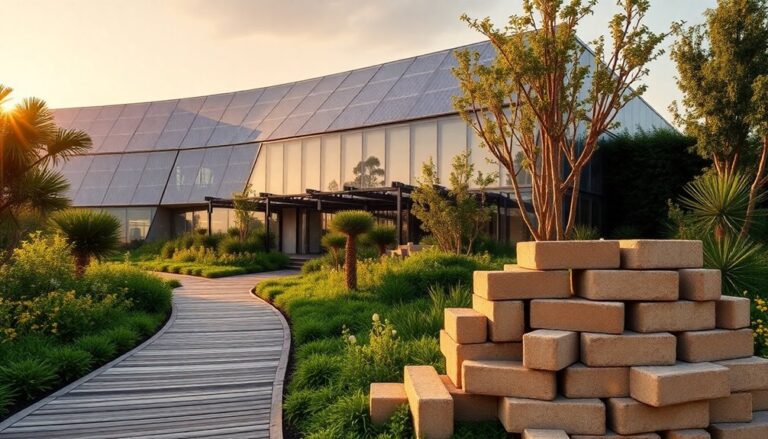
Designing for the future of urban life involves a holistic approach that prioritizes sustainability, community input, and advanced technology. By using eco-friendly materials and integrating green infrastructure, cities can boost their resilience and reduce environmental impacts. Engaging residents through workshops and digital platforms guarantees that urban spaces reflect their needs. Furthermore, smart city innovations optimize mobility and improve resource management. These strategies not only promote economic growth through mixed-use developments but additionally strengthen community bonds. As cities adapt to changing demands, they pave the way for a thriving urban experience, revealing further possibilities for innovative design ahead.
The Importance of Sustainable Design
Sustainable design plays a crucial role in shaping urban environments that thrive both ecologically and socially. By prioritizing sustainable materials and eco-friendly practices, cities can reduce their carbon footprint, improve livability, and promote economic resilience. Urban planners and architects wield significant influence, and their decisions can either bolster or undermine the health of the environment.
Incorporating sustainable materials into construction processes not only conserves resources but also cultivates a sense of community and well-being. For instance, reclaimed wood, recycled steel, and low-VOC paints serve dual purposes: they minimize waste and create healthier indoor air quality. When urban spaces utilize these materials, they signal a commitment to responsibility and innovation, attracting businesses and residents who value sustainability.
Moreover, eco-friendly practices extend beyond building materials. Implementing green roofs, rain gardens, and permeable pavements can effectively manage stormwater while improving urban biodiversity. These features not only beautify the surroundings but also create functional spaces where communities can gather and thrive.
Ultimately, the importance of sustainable design in urban environments cannot be overstated. It empowers cities to tackle pressing issues like climate change, resource depletion, and social inequity. By embracing a sustainable framework, urban leaders can transform their cities into lively, resilient hubs that offer a high quality of life. The path to a sustainable future lies in the hands of those who dare to prioritize what truly matters: the well-being of both people and the planet.
Integrating Technology in Urban Spaces
Cities increasingly utilize technology to improve urban life and address complex challenges. By integrating smart technology into urban spaces, they create environments that boost efficiency, accessibility, and overall quality of life. This technological transformation isn't merely a trend; it's a necessity for cities aiming to thrive in a quickly evolving world.
Smart technology facilitates urban mobility, allowing cities to streamline transportation systems and reduce congestion. For instance, real-time data collection from sensors embedded in city infrastructure helps optimize traffic flow and manage public transport schedules. Such advancements guarantee that citizens have seamless access to crucial services, eventually empowering them to make informed decisions about their travel.
Moreover, smart technology promotes better communication between city officials and residents. Mobile applications, for example, can provide updates on public services, report issues, and gather feedback, creating a more engaged and informed citizenry. This interactive dynamic not just boosts civic participation but also enables authorities to respond promptly to the needs of their communities.
As cities embrace these innovations, they must likewise prioritize cybersecurity to protect sensitive data and maintain residents' trust. A robust technological framework guarantees that smart urban solutions remain resilient and sustainable.
Green Infrastructure and Urban Resilience
Integrating technology in urban spaces lays the groundwork for improving green infrastructure, which plays a significant role in building urban resilience. By implementing green roofs and walls, cities can greatly enhance energy efficiency while reducing urban heat islands. These installations not only insulate buildings but also provide habitats for urban biodiversity, creating essential biodiversity corridors that support local wildlife.
Urban forests serve as important carbon sinks, helping to combat climate change while offering recreational spaces for citizens. Permeable pavements enable effective rainwater harvesting, mitigating flooding risks and improving groundwater recharge. This strategic approach to stormwater management strengthens cities' climate adaptation efforts, making them more resilient to extreme weather events.
Promoting urban agriculture empowers communities, ensuring food security while utilizing eco-friendly materials and sustainable practices. Such initiatives strengthen local economies and reduce waste management burdens, as excess organic material can be composted and recycled back into the system. Additionally, integrating sustainable transportation options, such as bike lanes and electric vehicle charging stations, further improves urban resilience by decreasing reliance on fossil fuels.
Ultimately, the fusion of green infrastructure with advanced technology isn't merely an environmental consideration—it's an assertion of influence. Cities that prioritize these initiatives position themselves as leaders in sustainability, innovation, and adaptability. By investing in green infrastructure, urban centers can cultivate a thriving ecosystem that not only withstands the challenges of the future but also improves the quality of life for all residents.
Promoting Walkability and Accessibility
Walkability is vital for creating dynamic urban environments that encourage community engagement and improve overall quality of life. Cities that prioritize pedestrian-friendly streets not only improve mobility but additionally cultivate a sense of belonging among residents. When people can easily navigate their neighborhoods on foot, they're more likely to interact with local businesses, participate in community events, and build lasting relationships with their neighbors.
Implementing strategies to promote walkability involves designing inclusive public spaces that cater to diverse populations. These spaces should accommodate everyone, from families with strollers to seniors using mobility aids. By integrating features like wide sidewalks, safe crosswalks, and ample seating, cities can create environments that invite people to linger and connect.
Furthermore, urban planners must consider the placement of amenities and services. When fundamental destinations—like grocery stores, parks, and schools—are within walking distance, residents are more inclined to leave their cars behind. This not only reduces traffic congestion and pollution but additionally promotes a healthier lifestyle.
Ultimately, prioritizing walkability and accessibility transforms urban settings into lively, interconnected communities. By investing in pedestrian-friendly infrastructure and inclusive public spaces, city leaders can empower their citizens, nurturing a culture of collaboration and resilience. The future of urban life hinges on creating environments where everyone can move freely, engage with their surroundings, and thrive together. The ability to reshape cities lies in the commitment to making walkable, accessible spaces a top priority.
Community Engagement in Urban Planning
Effective community engagement is crucial for successful urban planning, as it guarantees that residents' voices shape the future of their neighborhoods. Engaging the community in the planning process empowers citizens and nurtures a sense of ownership, leading to lively public spaces that reflect the needs and desires of those who inhabit them. Urban planners must embrace participatory design to create environments that resonate with the community's vision.
To achieve effective community engagement, urban planners should focus on the following key strategies:
- Workshops and Forums: Organizing interactive sessions allows residents to share their insights and preferences, ensuring diverse perspectives are heard.
- Surveys and Feedback Tools: Utilizing digital platforms for surveys can reach a broader audience, capturing opinions and suggestions on proposed developments.
- Collaborative Design Sessions: Engaging community members in hands-on design activities nurtures a sense of partnership and creativity, directly involving them in the decision-making process.
- Transparent Communication: Keeping the community informed about planning initiatives and progress builds trust and encourages ongoing participation.
Mixed-Use Developments and Benefits
Mixed-use developments stand out as a robust tool for enhancing community engagement by bringing together residential, commercial, and recreational spaces. These projects not just stimulate economic growth but additionally promote sustainable urban living by reducing reliance on transportation. As cities evolve, the benefits of integrating diverse functions within a single area become increasingly evident.
Enhanced Community Engagement
Urban spaces flourish when diverse elements come together, and one of the most effective ways to achieve this is through mixed-use developments. These projects not just provide residential and commercial spaces but likewise promote improved community engagement. By prioritizing participatory design, developers can empower residents to shape their surroundings actively.
To facilitate this engagement, the following strategies can be employed:
- Community Workshops: Hosting regular workshops allows residents to voice their ideas and concerns, ensuring their perspectives are included.
- Feedback Mechanisms: Implementing accessible channels for ongoing feedback enables continuous improvement based on community needs.
- Collaborative Planning: Involving community members in the planning process builds trust and commitment to the final design.
- Local Partnerships: Forming alliances with neighborhood organizations amplifies community input and strengthens project relevance.
These strategies reinforce a sense of ownership among residents, transforming urban spaces into lively hubs of interaction. By embracing improved community engagement through mixed-use developments, cities can cultivate environments that prioritize the voices of their inhabitants, eventually leading to richer, more cohesive communities.
Economic Growth Opportunities
Numerous studies highlight that mixed-use developments can greatly boost local economies. By blending residential, commercial, and recreational spaces, these developments nurture economic diversification strategies that stimulate urban job creation. They create lively environments where businesses thrive, and professionals find jobs close to home, thereby improving overall productivity.
| Benefits | Economic Impact | Community Value |
|---|---|---|
| Increased Foot Traffic | Higher Retail Sales | Strengthened Local Identity |
| Diverse Revenue Streams | Job Creation Opportunities | Improved Quality of Life |
| Property Value Appreciation | Sustainable Business Growth | Inclusive Community Spaces |
| Lively Public Spaces | Attracts Investment | Enhanced Social Cohesion |
| Improved Infrastructure | Economic Resilience | Cultural Enrichment |
As cities evolve, embracing mixed-use developments positions urban areas to adapt to changing demands. These structures not only energize local economies but serve as a catalyst for innovation, attracting a diverse workforce keen for opportunity. In a world where influence lies in strategic growth, mixed-use developments emerge as a crucial tool for urban leaders to utilize potential and drive prosperity.
Sustainable Urban Living
As cities focus on economic growth through mixed-use developments, they likewise pave the way for sustainable urban living. By integrating residential, commercial, and recreational spaces, these developments not only maximize land use but additionally nurture lively communities. The benefits of sustainable urban living are profound and multifaceted.
- Resource Efficiency: Mixed-use developments utilize eco-friendly materials, reducing environmental impact and conserving resources.
- Enhanced Mobility: Residents enjoy easier access to amenities, decreasing reliance on cars and promoting public transportation.
- Urban Farming Opportunities: Incorporating green spaces allows for urban farming, empowering communities to grow their own food and enhancing local food security.
- Economic Resilience: By supporting local businesses and creating diverse job opportunities, these developments boost the local economy and promote stability.
In essence, mixed-use developments represent a dynamic strategy for cities aiming for sustainability. They not only cultivate a sense of community but also tackle pressing environmental challenges. By investing in these innovative spaces, urban planners can guarantee that future generations thrive in a balanced, eco-conscious environment.
Adaptive Reuse of Existing Structures
Many cities are embracing the concept of adaptive reuse, transforming old structures into lively spaces that meet modern needs. This approach not only breathes new life into underutilized buildings but also champions historical preservation, honoring the past while paving the way for future innovation. Developers are finding that these revitalized spaces can serve as influential symbols of community resilience and creativity.
Creative transformation involves reimagining outdated facilities, whether it's turning a former factory into trendy lofts or converting an unused church into a lively cultural hub. These projects not only improve the urban environment but also contribute to a city's economic vitality by attracting businesses, residents, and tourists alike. The juxtaposition of contemporary design with historical elements creates a unique aesthetic that appeals to a diverse population.
Moreover, adaptive reuse supports sustainability by reducing the demand for new materials and minimizing waste. Cities stand to gain considerably from this practice, as it aligns with their goals for smart growth and environmental responsibility. By repurposing existing structures, urban planners can create dynamic environments that reflect a community's identity while nurturing innovation.
In this era of rapid change, adaptive reuse emerges as a strategic advantage. It allows cities to assert their character and history while embracing the future. As urban areas continue to evolve, the ability to creatively transform old buildings will be essential in shaping lively, resilient communities that thrive in the face of modern challenges.
Smart Cities: The Future Is Now
Embracing technology, smart cities are revolutionizing urban living by integrating digital solutions into everyday life. These urban environments utilize innovation to improve efficiency, sustainability, and quality of life. As city leaders and developers recognize the growing importance of smart infrastructure, they're leveraging advanced tools to address the challenges of urbanization.
Here are four critical components driving the evolution of smart cities:
- Smart Mobility Solutions: By implementing intelligent transportation systems, cities reduce congestion and improve accessibility. Innovations like real-time public transit tracking and connected vehicle technology guarantee smoother commutes.
- Urban Data Analytics: The use of data analytics allows city officials to make informed decisions. By analyzing patterns in traffic, resource consumption, and public safety, they can optimize services and anticipate community needs.
- IoT Integration: The Internet of Things (IoT) connects devices across the urban environment, enabling smarter resource management. Sensors monitor everything from air quality to energy usage, facilitating proactive approaches to urban challenges.
- Citizen Engagement Platforms: Empowering residents through digital platforms promotes collaboration and transparency. Citizens can voice concerns and participate in decision-making processes, guaranteeing that urban development aligns with community interests.
As cities continue to evolve into smart ecosystems, they create environments that not just respond to current demands but also anticipate future growth. By utilizing these innovative strategies, urban centers are poised to thrive in an increasingly complex world, positioning themselves as leaders in sustainable urban development.
Climate-Responsive Architecture
Climate-responsive architecture plays a crucial role in shaping sustainable urban environments by adapting structures to their natural surroundings. This approach emphasizes the need for buildings that not just harmonize with the climate but also improve the quality of life for their inhabitants. By employing passive design strategies, architects can greatly reduce energy consumption, utilizing natural light, ventilation, and thermal mass to maintain comfortable indoor environments. This not only cuts costs but also empowers residents with a sense of agency over their living conditions.
Moreover, integrating biophilic elements into urban architecture nurtures a profound connection between people and nature. These elements, such as green roofs, living walls, and natural materials, not only improve aesthetic appeal but also boost mental well-being. As urban populations grow, the demand for buildings that promote health and sustainability becomes increasingly urgent.
The synergy between passive design and biophilic features cultivates environments that thrive amid the challenges of climate change. Such architecture enables cities to adapt dynamically to their climatic realities, ensuring that urban life remains lively and resilient. As cities evolve, leaders and decision-makers must prioritize climate-responsive design as a cornerstone of urban planning. By investing in these transformative strategies, they can create impactful, sustainable legacies that benefit generations to come. In this new era of urbanism, the focus on climate-responsive architecture isn't just an option; it's a necessity for impactful urban futures.
Case Studies of Innovative Designs
How do innovative designs reshape urban environments? They transform cities into lively ecosystems, integrating sustainability, community engagement, and aesthetics. By focusing on urban agriculture and public art, these designs promote a sense of ownership and pride among residents as they enhance the urban scenery.
Consider these four compelling case studies that exemplify the influence of innovative design:
- The High Line, New York City: This raised park, once a disused railway, showcases urban agriculture through community gardens and green spaces, promoting biodiversity and public engagement.
- The Bosco Verticale, Milan: These residential towers are adorned with trees and plants, creating a vertical forest that improves air quality and provides residents with a unique living experience. The integration of greenery in urban spaces exemplifies how nature can coexist with modern architecture.
- The 606, Chicago: A former rail line transformed into a park and trail system, The 606 emphasizes public art installations that celebrate community history, encouraging social interaction and creativity within the urban fabric.
- The Eden Project, Cornwall: Even slightly outside urban confines, this project illustrates how biomes dedicated to various ecosystems can inspire urban planners to create multifunctional spaces that educate and engage city dwellers about sustainability.
These case studies highlight how innovative designs can transform urban environments, enriching lives and reinforcing the connection between nature and city living.
Frequently Asked Questions
How Can Urban Design Address Social Inequality Issues Effectively?
Urban design can effectively tackle social inequality issues by prioritizing affordable housing and cultivating community engagement. Planners must create inclusive spaces that cater to diverse populations, ensuring everyone has access to vital resources. By actively involving residents in the decision-making process, designers can better understand community needs and preferences. This collaboration promotes social cohesion and empowers individuals, finally leading to more equitable urban environments that uplift marginalized groups and bridge societal divides.
What Role Do Local Governments Play in Urban Design Initiatives?
Local governments shape urban design initiatives by nurturing community engagement, establishing policy frameworks, and ensuring equitable access. They listen to citizens, prioritize their needs, and create inclusive spaces. By collaborating with stakeholders, they weave together diverse perspectives and interests, enhancing urban environments. They likewise allocate resources effectively, implement regulations, and propel sustainable practices. Through these actions, local governments not merely influence urban environments but additionally empower communities to thrive and flourish.
How Can Cultural Heritage Be Preserved in Urban Development?
Cultural preservation plays an essential role in urban development, ensuring that communities retain their unique identities. By integrating heritage into new projects, developers can improve the character of neighborhoods as they nurture pride among residents. This approach not just honors the past but additionally attracts investment and tourism. Local governments should enforce regulations that prioritize heritage integration, creating spaces that respect history as they accommodate modern needs, finally leading to lively, cohesive urban environments.
What Are the Costs Associated With Implementing Sustainable Urban Designs?
When contemplating the costs of sustainable urban designs, one might recall the age-old adage, "you reap what you sow." Conducting a cost benefit analysis reveals that although initial expenses are significant, they're often outweighed by long-term investments in community health and resilience. Cities that embrace sustainability not merely improve their appeal but additionally secure economic stability. In the end, they'll find that the upfront costs pave the way for lasting benefits and strength in urban development.
How Do Urban Designs Impact Mental Health and Well-Being?
Urban designs greatly influence mental health and well-being. They incorporate green spaces that offer residents a retreat from city life, reducing stress and anxiety. Additionally, effective designs encourage community engagement, allowing individuals to connect, collaborate, and support one another. When urban environments prioritize these elements, they create healthier, more resilient communities. In the end, thoughtful urban design empowers citizens, enhancing their quality of life and promoting overall psychological well-being.