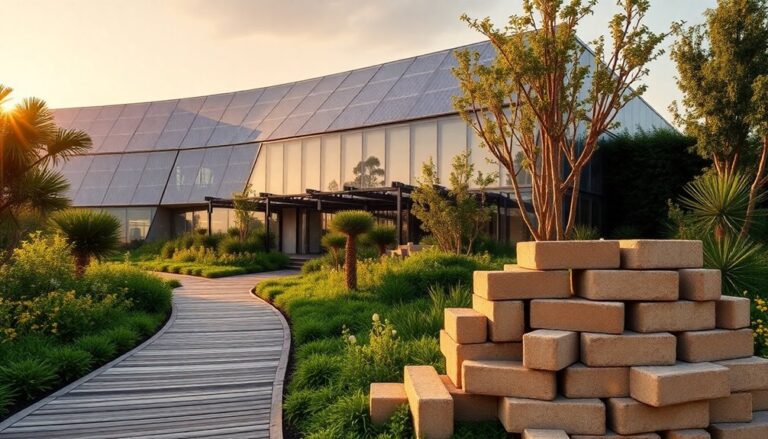
Dreamlike designs are redefining urban landscapes with futuristic architecture that blends reality and fantasy. Cities are being built with sustainable materials, green spaces, and advanced technologies to support rapid population growth. Skyscrapers are pushing boundaries with innovative designs, incorporating organic and cognitive elements, and biomimicry principles. From floating cities to buildings that breathe and think, architecture is evolving to respond to human needs and the environment. With cutting-edge technologies and materials, the boundaries of reality are being stretched. As the future unfolds, the possibilities seem endless, and what was once unimaginable is becoming a tangible reality, waiting to be explored.
Cities of the Future Rise
By 2050, over 70% of the global population is projected to reside in urban areas, driving architects and urban planners to design and build futuristic cities that can sustainably support this rapid influx of residents. This Urban Renaissance is transforming the way cities are conceived, with a focus on innovative, efficient, and eco-friendly infrastructure. Futuristic infrastructure is being integrated into city planning to accommodate the growing population, ensuring that these urban hubs remain livable, resilient, and sustainable.
Cities of the future are being designed with green spaces, pedestrian-friendly streets, and advanced public transportation systems. Buildings are being constructed with sustainable materials, incorporating green roofs, and harnessing renewable energy sources. The emphasis is on creating smart cities that can adapt to the needs of their inhabitants, utilizing cutting-edge technology to optimize energy efficiency, waste management, and public services. These futuristic metropolises will be hubs of innovation, entrepreneurship, and creativity, attracting talent and investment from around the world.
As the urban population continues to swell, architects and urban planners are rising to the challenge, crafting cities that are not only functional but also visually stunning. TheUrban Renaissance is revolutionizing the way we live, work, and interact, shaping the course of human history. With futuristic infrastructure at their core, these cities of the future will be beacons of progress, inspiring generations to come.
Skyscrapers That Touch the Sky
As architects push the boundaries of urban vertical expansion, they're designing cloud-piercing towers that redefine the cityscape. These futuristic skyscrapers are reaching new heights, literally and figuratively, to accommodate growing populations and redefine urban living. By exploring these innovative structures, we'll uncover the possibilities and challenges of building upwards.
Urban Vertical Expansion
How can cities accommodate their growing populations without sacrificing precious urban land, when the answer lies in building upwards, towards the sky, with skyscrapers that defy gravity and redefine the urban landscape? As urban density increases, city limits are pushed to the brink, and the need for innovative solutions becomes paramount. Urban vertical expansion is the key to accessing sustainable growth, allowing cities to thrive without encroaching on surrounding ecosystems.
By building upwards, cities can maximize space, reduce congestion, and create more efficient infrastructure. This approach also enables the preservation of natural habitats and green spaces, which are essential for maintaining ecological balance. Additionally, vertical expansion allows for the integration of green technologies, such as wind turbines and solar panels, into building design, further reducing the city's carbon footprint.
As architects and urban planners, it's essential to rethink the way we design cities, prioritizing vertical growth and sustainability. By doing so, we can create thriving metropolises that not only accommodate growing populations but also promote a healthier, more sustainable future.
Cloud-Piercing Tower Designs
Cloud-piercing tower designs, stretching towards the heavens like giant steel and glass giants, revolutionize urban skylines and redefine the limits of architectural innovation. These structures not only push the boundaries of engineering but also transform the urban landscape, creating new pockets of activity and reshaping the way we live and work.
- Cloud Mapping: By incorporating advanced cloud mapping technology, architects can optimize tower design to maximize natural light and ventilation, reducing the need for artificial lighting and HVAC systems.
- Urban Canyons: Tower designs can be tailored to mitigate the "urban canyon" effect, where tall buildings create narrow, wind-tunnel-like streets. This is achieved by incorporating wind-deflecting features and pedestrian-friendly spaces.
- By integrating green roofs and walls, cloud-piercing towers can become vertical ecosystems, supporting local wildlife and improving air quality.
- The sheer scale of these structures enables the integration of large-scale renewable energy systems, such as wind turbines or solar panels, making them beacons of sustainability in the urban jungle.
These futuristic towers are not just monuments to human ingenuity but also symbols of a sustainable, high-tech future.
Reaching New Heights
Skyscrapers that touch the sky, the pinnacle of human architectural achievement, are redefining the urban experience by pushing the boundaries of engineering, design, and sustainability. These marvels of modern architecture are not only a demonstration of human ingenuity but also a symbol of power and prestige. As cities continue to grow and urbanization intensifies, skyscrapers are becoming an increasingly important part of the urban landscape.
| Building | Height (m) | Features |
|---|---|---|
| Burj Khalifa | 828 | World's tallest building, luxury residences |
| Tokyo Skytree | 634 | Broadcasting tower, observation decks |
| Shanghai Tower | 632 | Luxury offices, hotel, and entertainment |
| Abraj Al-Bait Clock Tower | 601 | Luxury hotel, residential units, shopping mall |
However, as skyscrapers reach new heights, they also bring new challenges, such as Height Anxiety. This phenomenon refers to the fear of heights that can be triggered by the sheer scale of these massive structures. To combat this, architects are incorporating innovative design features that promote Airborne Luxury, such as sky gardens, observation decks, and luxury amenities that provide a sense of comfort and exclusivity.
Buildings That Breathe and Think
Architects are revolutionizing building design by incorporating organic and cognitive elements, creating structures that can literally breathe and think. This new generation of buildings is equipped with advanced technologies that enable them to respond to their environment, adapt to changing conditions, and even learn from their occupants.
These futuristic buildings are made possible by the integration of cutting-edge materials and systems, including:
- Smart Skins: Adaptive façades that can adjust their transparency, reflectivity, and insulation in response to changing light and temperature conditions.
- Neural Networks: Artificial intelligence systems that can analyze and learn from building data, optimizing energy efficiency, air quality, and occupant comfort.
- Breathable Materials: Porous materials that allow buildings to "breathe" and regulate their internal environment, reducing the need for mechanical ventilation systems.
- Self-Healing Coatings: Advanced materials that can repair cracks and damages, extending the lifespan of buildings and reducing maintenance costs.
These innovative technologies are transforming the built environment, enabling buildings to become more sustainable, efficient, and responsive to human needs. As architects continue to push the boundaries of what is possible, we can expect to see even more remarkable examples of buildings that breathe and think.
Architecture Inspired by Nature
As architects turn to nature for inspiration, they're creating innovative designs that mirror the organic forms found in the natural world. By applying biomimicry principles, they're able to develop sustainable solutions that not only reduce environmental impact but also enhance the human experience. In this emerging field, the fluidity of nature is being translated into structures that are as functional as they are aesthetically stunning.
Organic Forms Emerge
Twenty-first-century designers are embracing biomimicry, crafting buildings that mirror the intricate patterns and structures found in nature. This trend is revolutionizing the architectural landscape, as designers aim to create structures that not only coexist with their surroundings but also draw inspiration from them. The result is a new wave of organic forms that blur the lines between architecture and nature.
Some notable examples of this trend include:
- Curved Landscapes: Buildings that incorporate sweeping curves, reminiscent of natural formations like sand dunes or waves, to create a sense of fluidity and harmony with their surroundings.
- Soft Geometry: The use of rounded, irregular shapes to create a sense of organic growth, rather than the traditional hard lines and angles of modern architecture.
- Bioluminescent Facades: Building exteriors that incorporate glowing, iridescent materials to mimic the shimmering effects of natural phenomena like the aurora borealis.
- Tree-Inspired Supports: Columns and beams that evoke the branching patterns of trees, providing structural support while also paying homage to nature's engineering prowess.
These innovations are redefining the boundaries of architecture, as designers aim to create structures that not only respect the natural world but also learn from it.
Biomimicry in Action
Nature's intricate patterns and structures are being meticulously replicated in building design, resulting in cutting-edge architecture that not only mimics the natural world but also improves upon it. This biomimicry in action is revolutionizing the industry, as architects turn to nature for inspiration. Bio-inspired designs are becoming increasingly prevalent, with buildings that incorporate natural ventilation systems, similar to those found in termite mounds, and structures that mimic the strength and flexibility of spider silk. These nature-driven innovations are not only aesthetically pleasing but also environmentally sustainable. By emulating nature's efficiency, architects can create buildings that reduce energy consumption and minimize waste. The Lotus Temple in India, with its petal-like structure, is a prime example of biomimicry in action. Its unique design allows for natural light and ventilation, reducing the need for artificial systems. As architects continue to draw inspiration from nature, we can expect to see even more innovative and sustainable designs that blur the lines between architecture and nature.
Fluidity of Nature
Inspiration from the fluid, organic forms of nature is reshaping the architectural landscape, with designers embracing curvature and flexibility to create buildings that flow and twist like living organisms. This new wave of architecture is characterized by Wavy Silhouettes and Natural Curves, evoking the sense of dynamism and movement found in the natural world.
Some notable examples of this trend include:
- Bioluminescent Buildings: Using microorganisms to create a radiant, glowing effect, these structures blur the line between architecture and living beings.
- Wave-Inspired Facades: Undulating patterns mimic the movement of the ocean, creating a sense of fluidity and dynamism.
- Organic Skyscrapers: Towering structures that twist and curve like giant trees, challenging traditional notions of verticality.
- Adaptive Envelopes: Buildings that change shape in response to environmental conditions, blurring the distinction between architecture and nature.
Floating Cities on the Horizon
By 2050, architects and engineers expect to see the first fully functional floating city, a marvel of modern engineering that will revolutionize urban planning and provide a sustainable solution for rising sea levels. These oceanic utopias will not only serve as a safeguard against climate change but also offer a unique opportunity to reimagine urban living. Envisioned as self-sustaining ecosystems, floating cities will be designed to harness renewable energy, harvest rainwater, and implement advanced waste management systems.
Atmospheric canopies will play a pivotal role in regulating the city's microclimate, providing shade, and generating oxygen. These intricate structures will be engineered to withstand harsh marine conditions while maintaining a comfortable and healthy environment for inhabitants. The city's infrastructure will be designed to adapt to the dynamic ocean environment, with modular components that can be easily replaced or upgraded as needed.
Floating cities will also offer unparalleled opportunities for innovation and entrepreneurship. With their unique position on the water, these metropolises will become hubs for marine research, sustainable aquaculture, and eco-tourism. As the first fully functional floating city takes shape, it will pave the way for a new generation of urban planners, architects, and engineers who will redefine the boundaries of what is possible. By combining cutting-edge technology with visionary design, these oceanic utopias will become beacons of sustainability and progress, inspiring a new era of futuristic architecture.
Where Technology Meets Design
At the forefront of futuristic architecture, innovative materials and cutting-edge technologies are converging to redefine the boundaries of sustainable design. This fusion is giving rise to breathtaking structures that not only push the limits of engineering but also redefine the relationship between humans and their environment. As architects continue to explore the intersection of technology and design, they're discovering new possibilities for efficiency, sustainability, and aesthetic appeal.
Some of the key trends driving this revolution include:
- Digital Fabrication: The use of advanced computer-aided design and manufacturing technologies to create complex structures and components with unprecedented precision and speed.
- Cybernetic Aesthetics: The integration of sensors, algorithms, and other digital systems to create buildings that respond to and adapt to their environments in real-time.
- Smart Materials: The development of materials that can self-heal, change color, or adjust their thermal properties in response to environmental stimuli.
- Bioluminescent Façades: The use of microorganisms or other biological systems to create dynamic, energy-efficient lighting systems that blur the lines between architecture and art.
As these technologies continue to evolve, they'll empower architects to create buildings that are not only visually stunning but also more sustainable, efficient, and responsive to the needs of their occupants. The future of architecture has never looked brighter – or more futuristic.
The Evolution of Urban Planning
As cities worldwide grapple with the challenges of rapid urbanization, visionary urban planners are harnessing the power of data analytics, artificial intelligence, and community engagement to craft more resilient, adaptable, and human-centered metropolitan environments. This evolution of urban planning marks a significant shift towards a more holistic approach, one that prioritizes the well-being of citizens and the planet.
The Urban Renaissance, a movement that seeks to revitalize and transform urban spaces, is gaining momentum. It's about creating vibrant, diverse, and inclusive cities that foster innovation, creativity, and economic growth. Urban planners are working closely with city officials, developers, and residents to design and develop spaces that are not only functional but also beautiful and sustainable.
City Politics plays an important role in shaping the urban landscape. Effective governance and policy-making are vital in creating an environment that supports the growth of businesses, industries, and communities. Urban planners must navigate the complex web of city politics to make sure that their vision for a better city becomes a reality. By doing so, they can create cities that are not only livable but also thrive-able. The future of urban planning lies in its ability to balance human needs, technological advancements, and environmental sustainability, ultimately creating cities that are truly fit for the 21st century.
Sustainable Structures for Tomorrow
Visionary architects are pushing the boundaries of sustainable design, crafting futuristic buildings that not only minimize environmental footprint but also generate their own energy and resources. These innovative structures are redefining the way we think about architecture, prioritizing the health of the planet and its inhabitants.
To achieve this, architects are incorporating cutting-edge technologies and materials into their designs. Some of the key strategies include:
- Green materials: Using sustainable materials that are recycled, recyclable, or sourced from renewable resources, reducing waste and conserving natural resources.
- Energy efficiency: Incorporating energy-harvesting systems, such as solar panels and wind turbines, to generate power and reduce reliance on fossil fuels.
- Water management: Implementing advanced systems for collecting, recycling, and reusing water, minimizing waste and conserving this precious resource.
- Biophilic design: Incorporating natural elements, such as living walls and green roofs, to create harmonious relationships between buildings and their surroundings.
Beyond the Boundaries of Reality
As architects push the limits of innovation, they're redefining what's possible in futuristic design. By harnessing cutting-edge technology and imagination, they're creating structures that defy gravity expectations and bring dreamscapes to life. With unconventional forms and shapes, these boundary-pushing designs are redefining the very fabric of reality.
Defying Gravity Expectations
Architects are pushing the limits of gravity with innovative designs that abandon traditional notions of structural integrity. They're creating buildings that seem to defy the fundamental forces of nature, redefining what's possible in urban planning. By harnessing cutting-edge materials and technologies, these visionaries are making quantum leaps in architectural design.
Some of the most groundbreaking projects include:
- Gravity-Defying Skyscrapers: Towering structures that appear to float above the ground, supported by invisible forces rather than traditional foundations.
- Quantum Bridges: Elevated walkways that connect buildings, suspended in mid-air without visible support, redefining urban connectivity.
- Anomalous Architecture: Buildings that manipulate gravity's pull, creating areas of weightlessness or altered gravitational forces within the structure.
- Invisible Foundations: Subterranean support systems that blur the line between architecture and engineering, creating structures that seem to rise from the earth itself.
These gravity-defying marvels are redefining the urban landscape, pushing the boundaries of what's thought possible in architectural design. As architects continue to push the limits of gravity, we can expect to see even more astonishing innovations that challenge our understanding of reality.
Dreamscapes Become Reality
Beyond the boundaries of reality, fantastical dreamscapes are taking shape, blurring the lines between fantasy and reality as cutting-edge technology brings the unimaginable to life. Architects are pushing the limits of innovation, crafting immersive environments that transport users to new dimensions. Mindful escapes, where individuals can retreat from the chaos of everyday life, are becoming a reality. These virtual domains, born from the intersection of art and technology, offer a sanctuary for those seeking solace. As creators delve deeper into these realms, the influence of paper architecture and its concepts becomes increasingly apparent, allowing for the exploration of ideas that may never materialize in the physical world. This movement encourages a reevaluation of space, inviting users to engage with structures that prioritize imagination over practicality. Ultimately, these visionary designs challenge perceptions and inspire a new wave of creativity that redefines our understanding of both architecture and personal experience.
With the aid of advanced software and virtual reality tools, designers can now conjure up entire ecosystems, complete with intricate landscapes and majestic structures. The possibilities are endless, as the boundaries between physical and digital spaces dissolve. Futuristic cities, once confined to the world of science fiction, are taking shape, redefining the urban experience. As technology continues to advance, the dreamscapes of tomorrow will become the reality of today, reshaping the way we live, work, and interact with our surroundings. The future is no longer a distant horizon – it's a tangible, immersive experience, waiting to be explored.
Unconventional Structural Forms
Through the lens of computational design and advanced manufacturing, unconventional structural forms are emerging, defying gravity and redefining the very fabric of our built environment. These innovative structures are pushing the boundaries of what's possible, creating new possibilities for architects, engineers, and builders.
- Freeform Frameworks: Computational design enables the creation of complex, curved structures that would be impossible to achieve with traditional building methods. These freeform frameworks open up new possibilities for building shapes and forms, allowing for more creative and dynamic designs.
- Geometric Chaos: Advanced manufacturing techniques allow for the creation of intricate, geometric patterns that add complexity and visual interest to buildings. This geometric chaos challenges traditional notions of architecture and creates a new language of form and structure.
- Algorithmic Architecture: Computational design algorithms can generate structures that are optimized for performance, efficiency, and sustainability. These algorithms can create buildings that are tailored to specific environments and purposes, making them more effective and resilient.
- Material Innovations: New materials and manufacturing techniques are enabling the creation of structures that are stronger, lighter, and more sustainable. These material innovations are allowing architects to push the boundaries of what's possible and create buildings that are truly futuristic.
Envisioning the Unthinkable Today
Today's visionaries are pushing the boundaries of conventional design, conjuring up unprecedented structures that defy gravity and challenge our understanding of what is possible. These innovators are not limited by traditional thinking, and their creations are a proof of human ingenuity and creativity. By embracing Mind Expansion, they're able to think beyond the constraints of current technology and imagine a future that was previously unimaginable.
Their designs are not just aesthetically pleasing but also functional, often incorporating sustainable and eco-friendly elements. Future Shocks, a concept coined by futurist Alvin Toffler, refers to the disorienting effects of rapid technological change. These visionaries are not only prepared for but are also driving these Future Shocks, forcing us to reevaluate our assumptions about what is possible. They're creating structures that are not only visually stunning but also challenge our understanding of physics and engineering.
These trailblazers are not afraid to take risks and push the envelope, often collaborating with experts from various fields to bring their visions to life. Their work is a demonstration of the power of human imagination and innovation, inspiring us to think bigger and bolder. As we look to the future, it's clear that these visionaries will continue to play a significant role in shaping our built environment, creating structures that will inspire and awe generations to come.
Frequently Asked Questions
Can Futuristic Architecture Solve Current Urban Planning Problems?
Did you know that by 2050, 70% of the world's population will reside in cities? Fortunately, futuristic architecture can indeed solve current urban planning problems. Through Smart Densification, cities can accommodate growing populations while reducing sprawl. Additionally, Urban Revitalization initiatives can breathe new life into neglected areas, fostering community engagement and economic growth. By embracing innovative designs, cities can not only survive but thrive, becoming hubs of sustainability, innovation, and progress.
Are Eco-Friendly Materials Used in Futuristic Building Designs?
She explores the cutting-edge world of futuristic building designs, where eco-friendly materials take center stage. Sustainable concrete, made from recycled materials, reduces carbon footprint. Green facades, covered in lush vegetation, purify the air and regulate temperatures. Architects incorporate these innovative materials to create harmony between nature and structure, paving the way for a greener, more sustainable urban future.
How Do Futuristic Buildings Address Disaster Resilience?
She's building castles in the air, but futuristic architects are constructing fortresses that can weather any storm. When disaster strikes, these buildings are designed to be earthquake proof, with seismic isolation systems that absorb shocks. Some even feature storm shelters, providing a safe haven for occupants. By incorporating cutting-edge materials and innovative designs, futuristic buildings are built to last, standing tall in the face of adversity.
Can Futuristic Architecture Be Adapted for Low-Income Communities?
Can futuristic architecture be adapted for low-income communities? Yes, it can. By incorporating affordable luxury and community empowerment, futuristic designs can provide sustainable, resilient, and innovative solutions for underserved populations. This fusion of style and substance enables low-income communities to access high-quality living spaces, fostering a sense of pride and ownership. It's about democratizing access to futuristic architecture, making it a tangible reality for all.
Do Futuristic Designs Prioritize Aesthetics Over Functionality?
She argues that futuristic designs often prioritize aesthetics over functionality, sacrificing practicality for a striking sensory experience. This focus on visual appeal can create an emotional connection with users, but may compromise usability. By balancing form and function, designers can create futuristic spaces that inspire and serve, rather than simply impress. It's time to redefine what makes a design truly futuristic – one that harmonizes aesthetics with purpose.