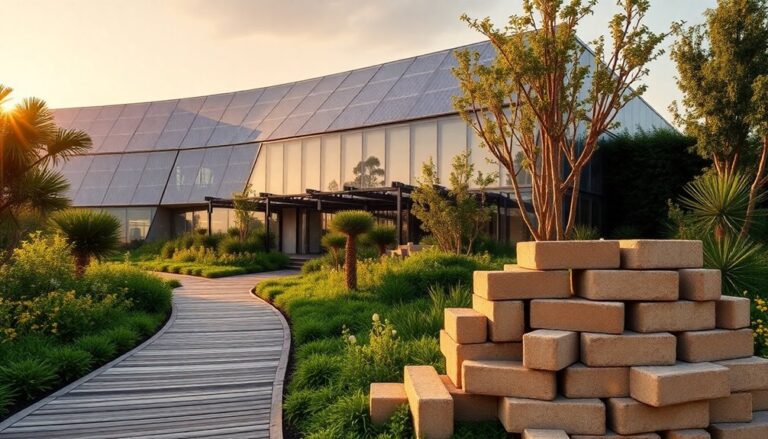
The expedition from concept to reality in iconic structures highlights the collaboration between visionary architects, engineers, and innovative technologies. Designers conceptualize creations that embody cultural significance and aesthetic ideals. Advanced construction techniques, such as modular design and 3D printing, allow for complex shapes and sustainable practices. As projects progress, careful planning and management tackle challenges related to functionality, budget, and community impact. Iconic buildings like the Eiffel Tower and Burj Khalifa serve as examples of this exciting process, showcasing how creativity meets practicality. Exploring these elements reveals how architecture continues to evolve and influence our built environment.
The Vision Behind Iconic Designs
The vision behind iconic designs often springs from a blend of creativity and purpose. Architects and designers seize moments of inspiration, transforming them into impactful declarations that resonate across cultures and generations. These structures don't simply serve a function; they embody ideals, challenge norms, and provoke thought. The process begins with design inspiration, often sparked by the environment, history, or societal needs, fueling a relentless quest for innovation.
Creative collaboration stands at the heart of this transformative expedition. Designers, engineers, and stakeholders engage in a dynamic exchange of ideas, each contributing unique perspectives that enhance the final outcome. Through rigorous discussions and brainstorming sessions, they refine concepts, pushing boundaries to craft structures that are not just aesthetically striking but likewise deeply functional.
The interplay of diverse talents brings forth groundbreaking solutions, ensuring that each aspect of the design aligns with a shared vision. This synergy nurtures an environment where bold ideas flourish, culminating in iconic works that stand as reflections of their creators' ambition.
Ultimately, it's this influential fusion of creativity and collaboration that shapes the skyline, leaving a lasting impression on the world. Iconic designs emerge as symbols of progress and aspiration, defining eras and inspiring future generations. For those who wield the influence of vision, the potential to create something extraordinary lies within the intricate dance of inspiration and collaboration, driving humanity forward into uncharted territories of design excellence.
Key Players in Architectural Projects
In architectural projects, key players like architects, designers, contractors, and engineers play vital roles in bringing visions to life. Each contributes unique skills and perspectives, ensuring that the design aligns with practical execution. Together, they form a collaborative team that transforms concepts into iconic structures.
Architects and Designers
Architects and designers play crucial roles in shaping iconic structures, transforming visionary concepts into tangible realities. Their mastery hinges on a blend of design philosophies and aesthetic principles that guide every decision, from initial sketches to final execution. They engage in creative collaboration, harmonizing diverse skill sets to improve architectural storytelling, ensuring each structure resonates with its intended audience.
| Aspect | Details |
|---|---|
| Design Philosophies | Innovative, sustainable approaches drive creativity. |
| Cultural Relevance | Structures reflect and respect local heritage. |
| Historical Influences | Past styles inform modern interpretations. |
| Spatial Dynamics | Thoughtful flow improves user experience. |
Through visionary leadership, architects and designers navigate complex challenges, balancing form and function. They consider historical influences and cultural relevance, ensuring structures tell the stories of the communities they inhabit. As they shape spatial dynamics, their work not just defines skylines but also impacts lives, creating environments that inspire and empower. Their commitment to excellence raises every project, making them indispensable in the domain of iconic architecture.
Contractors and Engineers
Successful architectural projects rely heavily on the expertise of contractors and engineers, who bring designs to life through technical precision and practical implementation. These key players are crucial in transforming visionary concepts into tangible realities, guaranteeing every detail aligns with both aesthetic and functional demands.
Contractor collaboration is critical in maneuvering the intricacies of construction. Contractors work closely with engineers to devise solutions that address engineering challenges, from structural integrity to innovative materials. Their synergy cultivates an environment where ideas flourish, and problems are tackled head-on. With a shared commitment to excellence, they streamline processes and mitigate risks, ultimately enhancing project outcomes.
Moreover, engineers possess a sharp comprehension of the technical specifications needed to support ambitious designs. They analyze and adapt plans to guarantee feasibility, while contractors focus on logistics and execution. This dynamic partnership not just overcomes obstacles but also propels projects toward timely completion.
In a world where iconic structures define skylines and push the boundaries of architecture, the collaboration between contractors and engineers becomes indispensable. Their relentless pursuit of perfection drives innovation, making them the unsung heroes behind the world's most extraordinary buildings.
Innovative Materials and Techniques
Innovative materials and techniques have transformed the construction scenery, allowing for greater design freedom and sustainability. The introduction of 3D printing has changed how structures are conceived and built, enabling architects to create complex forms that were once unimaginable. Smart materials, which can adapt to environmental changes, improve both performance and comfort in iconic structures.
Adaptive reuse has gained traction, breathing new life into older buildings while minimizing waste. Modular construction speeds up the building process, facilitating efficient use of resources and labor. Lightweight composites, with their exceptional strength-to-weight ratio, empower designers to explore bold architectural expressions. Nanotechnology applications are paving the way for materials with improved properties, such as self-healing concrete or energy-efficient coatings. Bio-inspired designs draw from nature's innovations, leading to structures that harmonize with their surroundings.
Here's a concise overview of some advanced materials and techniques:
| Material/Technique | Description | Benefits |
|---|---|---|
| 3D Printing | Additive manufacturing for structures | Complex designs, reduced waste |
| Smart Materials | Materials that respond to stimuli | Improved comfort and efficiency |
| Adaptive Reuse | Repurposing existing structures | Sustainability, historical value |
| Modular Construction | Prefabricated units for assembly | Speed, cost efficiency |
| Lightweight Composites | Strong, light materials | Greater design freedom |
These innovations not only redefine aesthetics but represent a monumental shift toward sustainable construction practices. As the industry embraces these advancements, the possibilities for iconic structures become limitless.
The Role of Technology
Technology increasingly plays a pivotal role in the evolution of iconic structures, seamlessly integrating design, construction, and functionality. The synergy of advanced technologies like virtual reality (VR) and augmented reality (AR) transforms the design process, allowing architects to visualize and modify structures in real-time. Digital modeling improves precision, enabling the utilization of smart materials that adapt to environmental conditions, which raises both performance and sustainability.
In construction, automation and robotics integration streamline workflows, drastically reducing labor costs and project timelines. These innovations not only improve efficiency but also empower teams to focus on creativity rather than repetitive tasks. Additionally, collaborative platforms facilitate seamless communication among stakeholders, ensuring that everyone is aligned from conception to completion.
Key technological advancements include:
- Parametric design: Enables architects to create complex geometries that can be easily modified.
- Building information modeling (BIM): Improves project management by providing a thorough digital representation of the physical and functional characteristics of a project.
- Construction automation: Optimizes labor and resources, driving down costs while maintaining high standards.
As technology continues to evolve, the construction industry stands on the brink of a revolution. By embracing these advancements, architects and builders can craft iconic structures that satisfy aesthetic desires and meet the demands of a swiftly changing world. The future of architecture is bright, and it's driven by innovative technology.
Overcoming Design Challenges
Design challenges often arise in the creation of iconic structures, demanding creative solutions that balance aesthetics, functionality, and sustainability. Architects and engineers face numerous design constraints, from adhering to client expectations to maneuvering regulatory hurdles. These professionals must guarantee that their designs meet stringent codes while concurrently achieving an aesthetic balance that resonates with the public and reflects cultural influences.
Budget limitations further complicate the design process. Striking a balance between cost-effectiveness and high-quality materials is vital for maintaining structural integrity. This requires innovative thinking and resource allocation that doesn't compromise the vision of an iconic structure. Moreover, project timelines can create pressures that impact design choices, necessitating a streamlined approach without sacrificing creativity.
To overcome these challenges, a collaborative process is fundamental. Engaging stakeholders early on cultivates an environment where ideas can flow freely, allowing for the integration of diverse perspectives that improve the final product. This synergy often leads to solutions that address environmental impact while guaranteeing the structure remains a beacon of modern design.
Ultimately, the path from concept to reality is paved with obstacles, yet these challenges ignite the ingenuity of architects and engineers. By embracing the intricacies of design, they transform limitations into opportunities, crafting iconic structures that stand the test of time and inspire generations. In doing so, they redefine what’s possible in architecture and construction, proving that influence lies not just in vision, but in the relentless pursuit of excellence. Through collaboration and innovative thinking, these professionals push boundaries, leveraging cutting-edge technology and sustainable practices to bring their visions to life. Each project becomes a testament to their dedication, showcasing not only aesthetic beauty but also functionality and resilience. Thus, their unwavering commitment to transforming architectural concepts into reality serves as a beacon of inspiration for future generations of creators and builders alike.
Environmental Considerations
When architects and engineers commence on creating iconic structures, environmental considerations become paramount. The integration of sustainable practices not just improves the aesthetic value of these buildings but also greatly reduces their ecological footprint. By employing green materials and focusing on energy efficiency, they can create spaces that resonate with strength and responsibility.
Key strategies for achieving environmental excellence include:
- Biodiversity integration: Designing structures that harmonize with local ecosystems promotes a thriving environment.
- Climate resilience: Considering climate impacts guarantees that structures withstand environmental challenges over time.
- Adaptive reuse: Transforming existing buildings minimizes waste and preserves historical context, showcasing innovation as it respects heritage.
Incorporating zero waste principles during construction and operation maximizes resource efficiency and minimizes environmental impact. By prioritizing these methods, architects and engineers embody a commitment to sustainability that modern society demands.
The emphasis on energy efficiency not just lowers operational costs but also improves a building's reputation as a leader in responsible design. As these professionals push the boundaries of architectural excellence, they establish new benchmarks for future developments. In the end, the pursuit of iconic structures must align with a vision of environmental stewardship—a significant statement that reflects a commitment to future generations.
Urban Planning and Impact
Urban planning plays a crucial role in shaping the impact of iconic structures on communities and the environment. By strategically integrating these monumental designs into urban settings, planners wield the influence to transform locales, improve urban resilience, and cultivate community engagement. The successful alignment of these goals can lead to thriving ecosystems where both people and structures coexist harmoniously.
A well-executed urban plan can create a sense of pride among residents, as they witness the evolution of their neighborhoods through iconic landmarks. Conversely, neglecting the planning process can lead to disillusionment and fragmentation. The following table illustrates the emotional dichotomy surrounding urban planning and iconic structures:
| Positive Impact | Negative Impact |
|---|---|
| Community Unity | Displacement of Residents |
| Economic Growth | Increased Traffic Congestion |
| Cultural Identity | Environmental Degradation |
| Civic Engagement | Diminished Quality of Life |
The stakes are high; urban planners must embrace collaborative processes that prioritize community engagement to guarantee these iconic structures reflect the aspirations of local populations. By building resilience in urban environments, planners not only create spaces of beauty but also empower communities to thrive amid challenges. Consequently, the interplay between urban planning and iconic structures can either uplift or undermine, making the role of planners pivotal in shaping the future of urban living.
Case Studies of Iconic Structures
In exploring case studies of iconic structures, one can see how architectural marvels around the world showcase innovative construction techniques. Each structure not only reflects the creativity of its designers but additionally embodies cultural significance that resonates with local and global communities. Comprehending these elements reveals the profound impact these buildings have on their surroundings and society as a whole.
Architectural Marvels Around World
Across the globe, countless architectural marvels stand as monuments to human creativity and engineering prowess. These structures not merely showcase advanced techniques but additionally reflect the cultural influences and architectural symbolism of their regions. They entice onlookers with their grandeur and story, embodying the essence of their environments.
Consider these iconic examples:
- Eiffel Tower, France: A symbol of romance and innovation, representing Paris's artistic spirit.
- Taj Mahal, India: This mausoleum illustrates the fusion of Persian and Indian styles, epitomizing love and devotion.
- Sydney Opera House, Australia: Its sail-like design signifies Australia's maritime heritage and commitment to the arts.
Each of these marvels serves a dual purpose: they are functional spaces and influential statements of identity. They inspire future generations, urging architects to push boundaries further as they intertwine local culture into the very fabric of their designs. By studying these remarkable structures, one grasps the intricate dialogue between architecture and the human experience, reminding us all that buildings can transcend mere utility to become enduring legacies of our civilization.
Innovative Construction Techniques
Throughout history, architects have continually pushed the boundaries of construction techniques to create iconic structures that redefine our perception of space and form. Innovative construction methods like modular construction and the use of prefabricated elements have transformed how these masterpieces come to life.
These techniques not just improve efficiency but likewise allow for remarkable precision and reduced waste. The following table highlights some iconic structures that exemplify these advancements:
| Structure | Construction Technique | Year Completed |
|---|---|---|
| The Shard | Modular Construction | 2012 |
| Sydney Opera House | Prefabricated Elements | 1973 |
| One World Trade Center | Modular Construction | 2014 |
| The Eden Project | Prefabricated Elements | 2001 |
These case studies illustrate how architects utilize innovative methods to achieve extraordinary designs. By integrating modular construction and prefabricated elements, they not just create visually striking buildings but likewise push the limits of what's possible in construction. The future of architecture lies in these techniques, empowering architects to craft structures that inspire and endure.
Cultural Significance and Impact
Iconic structures do more than showcase innovative construction techniques; they serve as cultural landmarks that reflect the values, aspirations, and identities of the societies that create them. Their architectural symbolism embodies the community identity, encapsulating local traditions during creating connections to global influence. These edifices often emerge as focal points in cultural narratives, shaping the historical significance of their environments.
The social impact of such structures is profound, promoting public engagement and inspiring artistic expression. They become venues for cultural heritage, where diverse communities convene to celebrate shared values and experiences.
- Catalysts for Community Identity: Iconic buildings unite citizens, reinforcing pride in local heritage.
- Engagement Platforms: They host events that encourage social interaction and cultural dialogue.
- Global Influence: These structures often become symbols recognized worldwide, amplifying local stories on a global stage.
Through case studies of iconic structures, one can appreciate how they not only define a skyline but equally serve as essential conduits for expressing cultural heritage and community aspirations, finally shaping the identity of future generations.
The Construction Process
Though the construction process for iconic structures can vary considerably based on design and location, it typically follows a structured sequence of phases. Initially, an in-depth project management plan is crucial, serving as the backbone for effective coordination among stakeholders. This plan establishes clear construction timelines, ensuring that every phase aligns with the ultimate vision.
The first phase involves careful site preparation, where engineers assess the land and prepare it for the upcoming work. Following this, the foundation is laid, a critical step that requires precision and strength to support the entire structure. Once the foundation is secure, the framework rises, often showcasing innovative materials and techniques that push architectural boundaries.
As construction progresses, project managers continuously monitor timelines and budgets, adjusting strategies to address unforeseen challenges. They leverage advanced technologies to optimize workflows, ensuring that every aspect of the build meets the lofty standards expected of iconic structures. This phase often incorporates sustainable practices, reflecting a commitment to environmental responsibility.
After the structure reaches its full height, the focus shifts to the exterior and interior finishes. Here, the design becomes tangible, as aesthetics blend seamlessly with functionality. The final phase involves rigorous inspections, ensuring that every detail aligns with initial specifications and safety regulations.
Future Trends in Architecture
As architects look ahead, they're increasingly embracing sustainable design innovations that prioritize environmental responsibility. Smart building technologies are transforming how structures operate, enhancing efficiency and connectivity. Furthermore, biophilic architecture principles are gaining traction, nurturing a deeper connection between people and nature within urban spaces.
Sustainable Design Innovations
In the coming years, sustainable design innovations are set to reshape the architectural environment, emphasizing eco-friendly materials and energy-efficient technologies. Architects and builders will increasingly embrace green building practices, integrating renewable resources and low impact construction to create structures that harmonize with their surroundings.
Key trends driving this transformation include:
- Passive Design: Utilizing natural elements to improve energy efficiency and reduce reliance on artificial systems.
- Circular Architecture: Designing buildings with materials that can be reused or recycled, minimizing waste and promoting sustainability.
- Nature-Based Solutions: Incorporating green roofs, walls, and urban gardens to improve air quality and encourage biodiversity.
Sustainable urbanism will gain traction, as cities evolve to prioritize climate responsive design and community well-being. Architects will champion innovative approaches that merge functionality with environmental stewardship. By leveraging eco-friendly materials and embracing energy efficiency, they will create iconic structures that not only stand the test of time but likewise contribute positively to the planet. As these sustainable design innovations come to fruition, they'll empower a new generation of architects to lead the way in building a resilient future.
Smart Building Technologies
The rise of smart building technologies is transforming the architectural environment, ushering in an era where structures are not just built but likewise equipped to interact intelligently with their occupants. This integration of advanced systems empowers buildings to respond dynamically to the needs of users, improving comfort and productivity during driving operational effectiveness.
Smart building integration employs state-of-the-art sensors, automation, and data analytics to optimize energy efficiency. For instance, intelligent lighting systems adjust based on occupancy and natural light levels, notably reducing energy consumption. HVAC systems now utilize real-time data to maintain ideal conditions, further minimizing waste and lowering costs.
Moreover, these technologies enable building managers to monitor and control various systems remotely, streamlining maintenance and ensuring peak performance. As occupants demand more from their environments, the shift in the direction of smart buildings reflects a broader trend in architecture—designs that prioritize adaptability and sustainability.
In this new paradigm, the synergy between technology and architecture isn't merely an improvement; it's a necessity for future-proofing structures. As smart building technologies evolve, they will redefine how we interact with our spaces, setting a new standard in modern design.
Biophilic Architecture Principles
How can architecture promote a deeper connection between people and nature? Biophilic architecture principles reveal a transformative approach, intertwining built environments with nature integration. This philosophy champions sustainable materials and design practices that emphasize wellness, nurturing spaces that resonate with the human spirit.
Key elements of biophilic architecture include:
- Green Spaces: Incorporating gardens and parks within urban settings improves biodiversity benefits and promotes sensory experiences.
- Natural Lighting: Maximizing daylight through strategic window placements cultivates a warm, inviting atmosphere as well as reducing energy consumption.
- Indoor Ecosystems: Integrating plants into interiors creates indoor ecosystems that purify air and uplift mood.
Frequently Asked Questions
How Do Cultural Influences Shape Iconic Architectural Designs?
Cultural influences shape iconic architectural designs like a master sculptor chisels marble into breathtaking forms. They infuse structures with cultural symbolism that resonates deeply within societies. Architectural innovation springs forth as designers weave narratives into their creations, reflecting historical legacies and aspirations. By embracing local traditions, they craft masterpieces that stand as significant affirmations to cultural identity. These iconic designs capture the essence of a civilization, making them timeless symbols of human achievement and ambition.
What Is the Cost Breakdown for Constructing Iconic Structures?
When analyzing the cost breakdown for constructing iconic structures, one finds that material costs often dominate the budget. High-quality materials like steel and glass don't come cheap. Labor expenses likewise play a significant role, as skilled workers are crucial for executing complex designs. Budgeting effectively requires a deep comprehension of these elements, ensuring that projects not just meet aesthetic standards but additionally stay financially viable throughout the construction process.
How Long Does It Typically Take to Complete Iconic Buildings?
"Rome wasn't built in a day," and iconic buildings often reflect this truth. Typically, construction timelines for these monumental projects span several years. Each project phase, from design to final touches, demands careful attention and skilled craftsmanship. As smaller structures may take a few months, larger iconic buildings can require a decade or more to complete. The prestige of such ventures justifies the time spent, ensuring lasting impact and significance in the architectural environment.
What Are the Most Common Mistakes in Iconic Structure Projects?
In iconic structure projects, common mistakes often stem from design flaws and budget overruns. Teams frequently underestimate the intricacies of innovative designs, leading to significant challenges during construction. These errors not only jeopardize timelines but additionally inflate costs, leaving stakeholders frustrated. Furthermore, inadequate communication among architects, engineers, and contractors can exacerbate issues, resulting in compromised vision and execution. To achieve success, careful planning and collaboration are essential from the outset.
How Do Iconic Structures Affect Local Economies?
Iconic structures often serve as beacons of prosperity, subtly weaving their influence into the fabric of local economies. They attract tourism, drawing visitors enthusiastic to witness grandeur, which fuels local businesses and invigorates commerce. This influx of visitors inevitably leads to job creation, as establishments expand to meet the rising demand. In the end, these architectural marvels nurture a thriving environment, enhancing the community's status and promoting a sense of pride among its residents.